
Delightful Paleo Olive Oil Lemon Cookies: A Zesty & Healthy Treat
Indulge in the bright, refreshing taste of these Paleo Lemon Cookies, crafted with wholesome, real ingredients and the goodness of heart-healthy olive oil. They offer the perfect balance of sweet and tart, making them an ideal simple dessert or a delightful anytime treat. Forget complicated recipes; these cookies are designed for ease without compromising on incredible flavor or dietary compliance.

The Enduring Appeal of Lemon Desserts
Lemon desserts hold a special place in many hearts, and for good reason. While my younger days were dominated by an unwavering devotion to chocolate, discovering the magic of lemon in baking was a transformative experience. The vibrant, clean flavor of lemon is simply irresistible, especially as seasons shift towards warmer days. It brings a refreshing zest that cuts through richness, offering a sophisticated yet comforting sweetness.
While classics like lemon bars and lemon tarts are undoubtedly delicious, they can sometimes demand a significant amount of time and effort in the kitchen. When you’re craving something sweet but prefer a fuss-free approach, these Olive Oil Lemon Cookies are your perfect solution. They deliver all the beloved lemon flavor in a convenient, bite-sized form, ready to enjoy without a lengthy baking marathon.
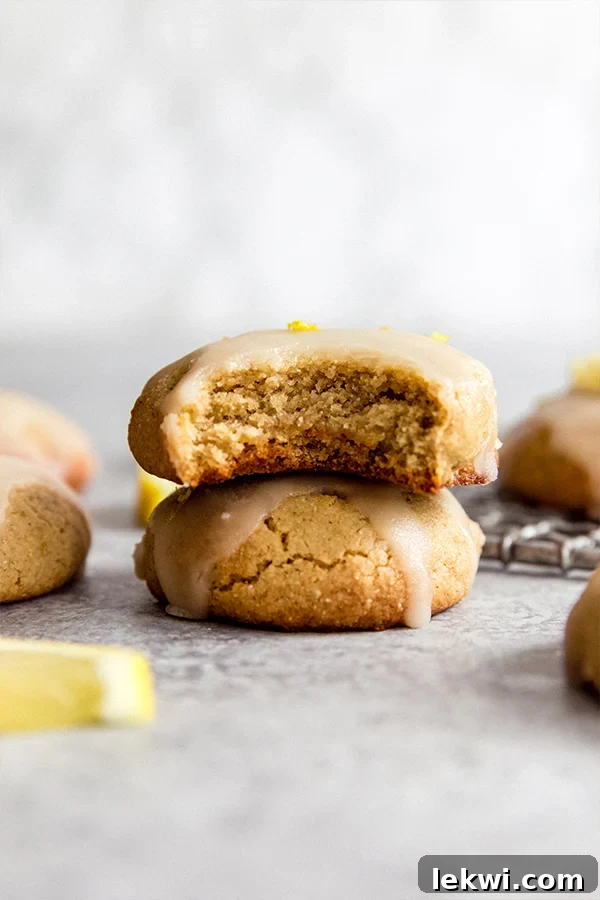
Crafting Perfection: Essential Ingredients for These Lemon Cookies
Our paleo-friendly lemon cookies rely on a thoughtful selection of ingredients that not only adhere to dietary guidelines but also contribute uniquely to their texture and flavor profile. Each component plays a vital role in creating these deliciously wholesome treats.
Tigernut Flour: The Grain-Free & Nut-Free Foundation
Tigernut flour is a star ingredient in paleo and AIP (Autoimmune Protocol) baking, offering a fantastic alternative for those avoiding nuts and grains. Despite its name, tigernut flour is made from a small root vegetable, not a nut, making it safe for many with allergies. It provides a slightly sweet, earthy flavor and a delightful chewiness, which is crucial for achieving the perfect cookie texture. If you tolerate nuts and don’t have AIP restrictions, almond flour can be a suitable substitute, offering a similar low-carb and gluten-free profile.
Tapioca Starch: For That Perfect Chewy Texture
Tapioca starch, derived from the cassava root, is key to the light and slightly chewy consistency of these cookies. It acts as a binder and thickener, helping to create a tender crumb that holds together beautifully. If tapioca starch isn’t readily available, arrowroot starch makes an excellent, one-to-one substitute, performing a very similar function in baking.
Gelatin: The Unsung Binder of Paleo Baking
Often overlooked, gelatin is a powerful natural binder in grain-free and egg-free baking, particularly important in recipes like these cookies. It helps to provide structure and prevents the cookies from becoming too crumbly. For this specific recipe, I highly recommend sticking with gelatin, as I have not tested suitable alternatives that yield the same binding properties.
Olive Oil: A Heart-Healthy & Flavorful Fat for Desserts
Incorporating olive oil into cookies might sound unconventional, but trust me, it’s a revelation! Olive oil lends a wonderfully subtle, fruity note that beautifully complements the lemon. Beyond its unique flavor contribution, extra virgin olive oil is packed with monounsaturated fats, making it a heart-healthy alternative to many conventional baking fats. It’s a superb choice compared to highly processed oils like canola. Furthermore, opting for olive oil instead of coconut oil makes these cookies entirely coconut-free if you choose to omit the glaze, catering to another common dietary preference.
Honey: Nature’s Sweetener
Honey provides a gentle, natural sweetness that enhances the lemon without overpowering it. It also contributes to the cookies’ appealing golden color and tender texture. For those who prefer or have on hand, pure maple syrup can generally be substituted for honey in this recipe, offering a slightly different but equally delicious natural sweetness.
Fresh Lemon Juice & Zest: The Soul of the Cookie
You simply cannot make truly amazing lemon cookies without the star of the show: fresh lemon! Both the juice and the zest are essential. The juice provides the tangy, bright acidity, while the zest contains concentrated citrus oils, delivering an intense, aromatic lemon flavor that elevates the cookies from good to extraordinary. Don’t skimp on the zest; it’s where much of the magic happens!
Optional Glaze: A Sweet & Tangy Crown
For those who love an extra touch of sweetness and visual appeal, an optional glaze can be drizzled over the cooled cookies. This glaze typically incorporates coconut butter and coconut oil, which create a smooth, firm coating when chilled. While delicious, the glaze is entirely optional. If you’re looking to simplify the recipe further, or if you prefer to keep your cookies completely coconut-free, they are absolutely delicious without it.
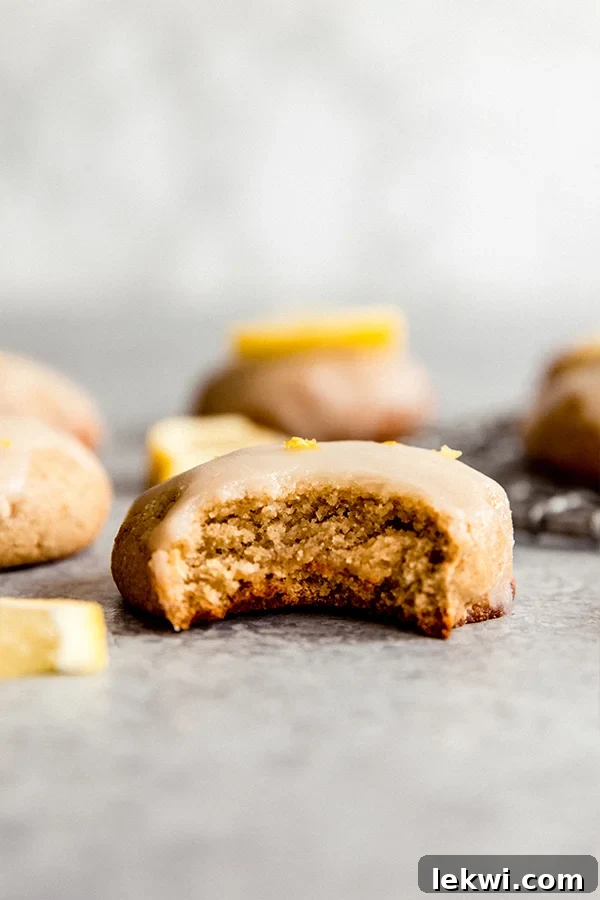
Mastering Your Bake: Tips for Perfect Paleo Lemon Cookies
Achieving bakery-quality paleo cookies is simple with a few helpful tips:
- Measure Accurately: Especially with gluten-free flours like tigernut, precise measurements are crucial for the right dough consistency. Spoon and level your flour, rather than scooping directly from the bag.
- Don’t Overmix: Once wet and dry ingredients are combined, mix just until a dough forms. Overmixing can lead to tougher cookies.
- Uniform Size: For even baking, try to make your cookies roughly the same size and thickness. A small cookie scoop can be very helpful here.
- Parchment Paper is Your Friend: Lining your baking sheet with lightly greased parchment paper ensures easy removal and prevents sticking, which is especially important for delicate paleo cookies.
- Watch for Doneness: Paleo cookies can sometimes go from perfectly baked to overdone quickly. Look for lightly golden edges and a firm center. They will continue to set as they cool.
- Cool Completely: Allow the cookies to cool completely on a wire rack before handling or adding the glaze. This prevents them from breaking and allows the flavors to meld.
Why Embrace Paleo and AIP for Desserts?
Following a Paleo or Autoimmune Protocol (AIP) diet often means finding creative ways to enjoy delicious foods, including desserts, while avoiding common inflammatory ingredients like grains, dairy, refined sugars, and certain seed oils. These lemon cookies are a fantastic example of how truly satisfying and flavorful treats can be created within these frameworks.
- Reduced Inflammation: By eliminating common culprits, these cookies can be enjoyed without contributing to inflammation.
- Nutrient-Dense: Using ingredients like tigernut flour and olive oil means you’re consuming more vitamins, minerals, and healthy fats compared to conventional desserts.
- Better Digestion: Grain-free options can be easier on the digestive system for many individuals.
- Stable Blood Sugar: Natural sweeteners like honey, used in moderation, provide a more gradual rise in blood sugar compared to processed sugars.
These cookies aren’t just for those on specific diets; they’re a wonderful option for anyone looking for a lighter, healthier dessert that still delivers on taste and satisfaction.
Storage and Freshness
To keep your Paleo Olive Oil Lemon Cookies tasting their best, store them in an airtight container at room temperature for up to 3-4 days. If you’ve opted for the glaze, you might prefer to store them in the refrigerator, especially in warmer climates, to prevent the glaze from becoming too soft. Chilled, they will last about a week. You can also freeze these cookies (with or without glaze) in a freezer-safe container for up to 2-3 months. Thaw them at room temperature for a quick, delightful treat whenever a craving strikes.
More Paleo & AIP Lemon-Inspired Delights You’ll Love
If you’re a fan of the bright and zesty flavors of lemon, explore these other fantastic recipes that fit the paleo and AIP lifestyles:
- Lemon Blueberry Banana Bread
- Paleo Lemon Bars
- Lemon Blueberry Scones

4.92 from 12 reviews
Olive Oil Lemon Cookies (Paleo, AIP)
Yield: 8-9 cookies
Prep Time: 15 mins
Cook Time: 15 mins
Author: Michelle
These paleo lemon cookies are made with all real ingredients and heart-healthy olive oil! They’re the perfect sweet and tart treat to enjoy as a simple dessert.
Leave a Review
Pin Recipe
Ingredients
For the Cookies:
- 1 cup + 1 tbsp tigernut flour (see notes for subs)
- ¼ cup tapioca starch (sub arrowroot starch)
- 1 tbsp gelatin
- ½ tsp baking soda
- ¼ cup + 1 tbsp olive oil
- ¼ cup honey
- 1 tbsp lemon juice
- 2 tsp lemon zest (plus extra for topping)
For the Glaze (optional):
- ¼ cup coconut butter
- 1 tbsp coconut oil
- 1 tsp lemon juice
- 2 tsp honey
Instructions
- Preheat the oven to 375 F (190 C) and line a baking sheet with lightly greased parchment paper.
- Using a large bowl, combine the tigernut flour, tapioca starch, gelatin, and baking soda. Mix these dry ingredients well to ensure even distribution.
- Add the olive oil, honey, lemon juice, and lemon zest to the dry mixture. Stir until a cohesive dough forms. The dough should be pliable but not overly sticky.
- Form the dough into 8-9 slightly flattened cookies. Arrange them evenly spaced on the prepared baking sheet.
- Bake in the preheated oven for 8-9 minutes, or until the edges are lightly golden and the cookies are fully cooked through. Carefully transfer the hot cookies to a wire rack and allow them to cool completely before glazing.
- For the optional glaze: In a small bowl placed over a pot of simmering water (a double boiler), melt the coconut butter and coconut oil until smooth and fully combined.
- Remove from heat and stir in the honey and lemon juice until the glaze is smooth.
- Once the cookies are completely cooled, pour or drizzle the glaze evenly over each cookie.
- Chill the glazed cookies in the fridge for 15-20 minutes to allow the glaze to harden. Serve topped with additional fresh lemon zest for an extra burst of flavor and visual appeal.
Notes
For the tigernut flour, almond flour may be a potential swap if you tolerate nuts and are not following the AIP diet. Please note that the texture might vary slightly.
The photos of this recipe and all written content on this website are copyright protected and cannot be copied or shared without permission. If you’d like to feature a photo in a roundup, please contact us. If you’d like to tell people about this recipe on social media, your own website, or elsewhere, please link back to the recipe here rather than copying and pasting. Thank you for your understanding and support!
All nutrition facts are estimations and will vary based on ingredients and portion sizes. Nutrition facts provided do not include the optional glaze ingredients.
Nutrition Information
Serving: 1 cookie
Calories: 166 kcal
Carbohydrates: 19.3 g
Protein: 3.5 g
Fat: 9.2 g
Fiber: 4.8 g
Did you Make this Recipe?
We’d love to see your creations! Tag @unboundwellness on Instagram and use the hashtag #unboundwellness to share your delightful Paleo Olive Oil Lemon Cookies with our community!