This post contains affiliate links.
Delicious Paleo Irish Soda Bread: A Grain-Free, Dairy-Free & AIP Treat for St. Patrick’s Day
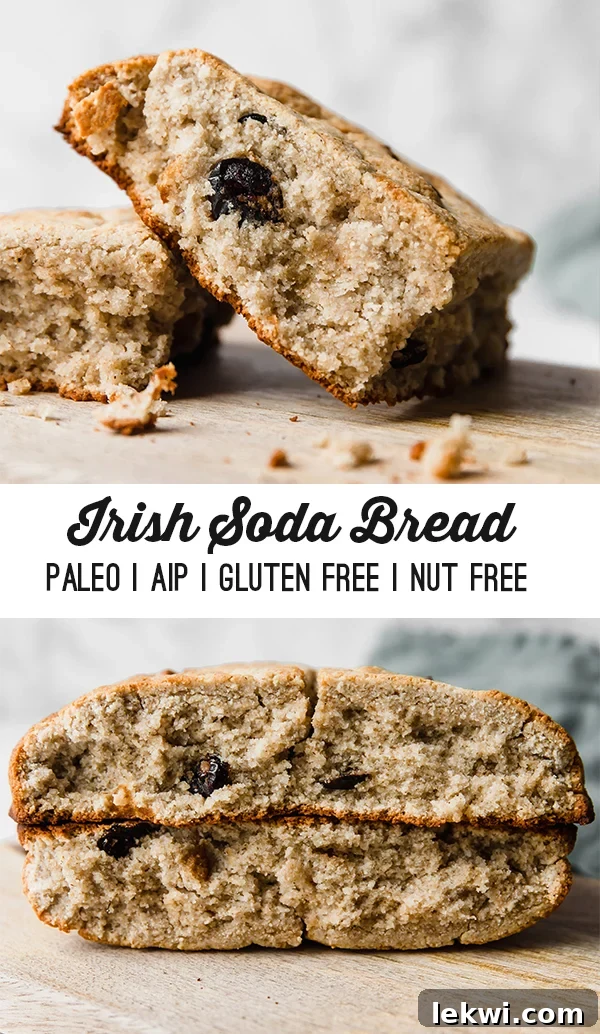
St. Patrick’s Day is a time for vibrant celebrations, cherished traditions, and, of course, delicious food that warms the soul! While the classic Irish Soda Bread is a beloved staple enjoyed by many, its traditional recipe often includes ingredients like grains, dairy, and sometimes eggs, which can be problematic for individuals navigating dietary sensitivities or following specific health protocols. This recipe beautifully re-imagines the classic, offering a fantastic Paleo and AIP (Autoimmune Protocol) friendly Irish Soda Bread that’s completely grain-free, dairy-free, nut-free, and even offers an easy egg-free option. Prepare to indulge in a wholesome, hearty loaf that delivers all the festive joy and comforting taste without any of the common allergens, making it accessible for nearly everyone at your St. Patrick’s Day table.
My own personal connection to St. Patrick’s Day baking has been a delightful journey of discovery and adaptation. Despite not having Irish heritage myself, growing up on Long Island meant that St. Patrick’s Day was always a monumental occasion. The vibrant parades, the lively festive atmosphere, and the array of unique holiday treats were something I eagerly anticipated each year. I vividly recall local bagel shops offering bright green bagels – a quirky tradition my family wholeheartedly embraced. While I certainly enjoyed my fair share of those fun green bagels, I honestly never had the opportunity to savor the true delight of homemade Irish Soda Bread during those years. Little did I know, I was genuinely missing out on a truly comforting and traditional baked good that holds a special place in holiday celebrations.
As my culinary path evolved to focus on healthier, more inclusive options, I felt a strong pull to delve into the intricacies of traditional Irish Soda Bread. My mission was clear: to craft a version that not only honored the authentic spirit and taste of the original but was also meticulously adapted to be suitable for a Paleo and Autoimmune Protocol (AIP) lifestyle. Developing a large, satisfying loaf of bread that aligns with these dietary guidelines feels like a significant achievement and a true culinary treat. This particular bread, with its slightly sweet, dense, and moist texture, often feels more like a delectable dessert or a delightful sweet breakfast item than a traditional savory sandwich bread. And frankly, I’m not complaining one bit! It’s the perfect balance of indulgence and wholesome ingredients.
Why You’ll Love This Paleo & AIP Irish Soda Bread
This isn’t just another recipe; it’s an invitation to enjoy a cherished classic without compromising your health goals or dietary needs. Here’s a deeper look into why this Paleo and AIP Irish Soda Bread is poised to become a new, much-loved staple in your kitchen:
Health-Conscious Indulgence for Everyone
For those diligently following a Paleo or Autoimmune Protocol (AIP) diet, discovering genuinely satisfying and compliant baked goods can often feel like a formidable challenge. This recipe is thoughtfully crafted to strictly adhere to these wellness principles, presenting a delicious alternative that doesn’t feel like a sacrifice. Paleo diets champion whole, unprocessed foods, naturally excluding grains, dairy, and refined sugars. The AIP takes this commitment to health a step further by eliminating common inflammatory foods such as nuts, seeds, nightshades, and eggs (especially during the initial elimination phase). This Irish Soda Bread offers a heartwarming sense of normalcy and indulgence, powerfully demonstrating that healthy eating can indeed be incredibly flavorful and enjoyable, particularly during festive occasions like St. Patrick’s Day. It represents a joyful and effortless way to partake in cherished holiday traditions without derailing your personal wellness journey.
Completely Allergen-Friendly
Beyond its Paleo and AIP compliance, this Irish Soda Bread stands out as a wonderfully versatile and inclusive option for individuals managing various food allergies and sensitivities. It is inherently:
- Grain-Free: An ideal choice for those with celiac disease, gluten sensitivity, or anyone opting to avoid grains for other health-related reasons.
- Dairy-Free: Made with rich, full-fat coconut milk as its creamy base, this bread is perfectly suited for individuals with lactose intolerance or dairy allergies.
- Nut-Free: Utilizing tigernut flour, which despite its name is derived from a small root vegetable (tuber) and not an actual tree nut, ensures this bread is safe for individuals with nut allergies.
- Egg-Free Option: With a straightforward and effective gelatin egg substitution, this recipe can be made entirely egg-free, catering specifically to those with egg allergies or individuals in the elimination phase of the AIP diet.
This careful design truly makes it an inclusive recipe, enabling more people to gather, share, and enjoy a festive treat together without concern.
Simple, Satisfying, and Speedy Preparation
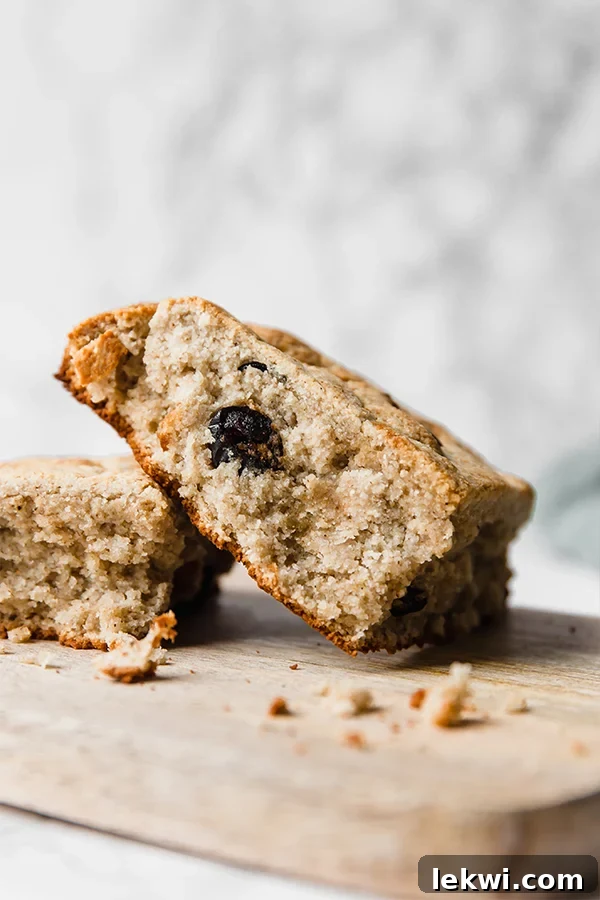
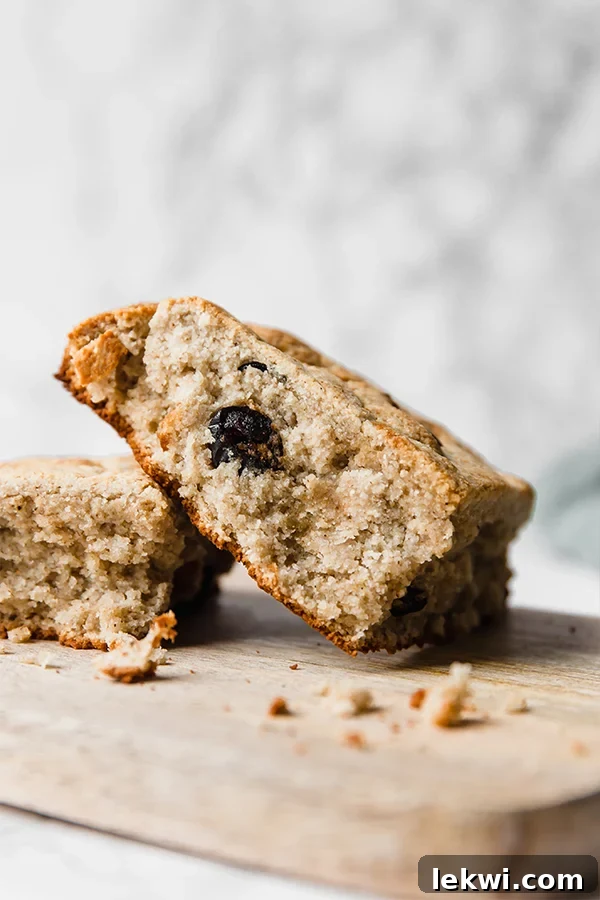
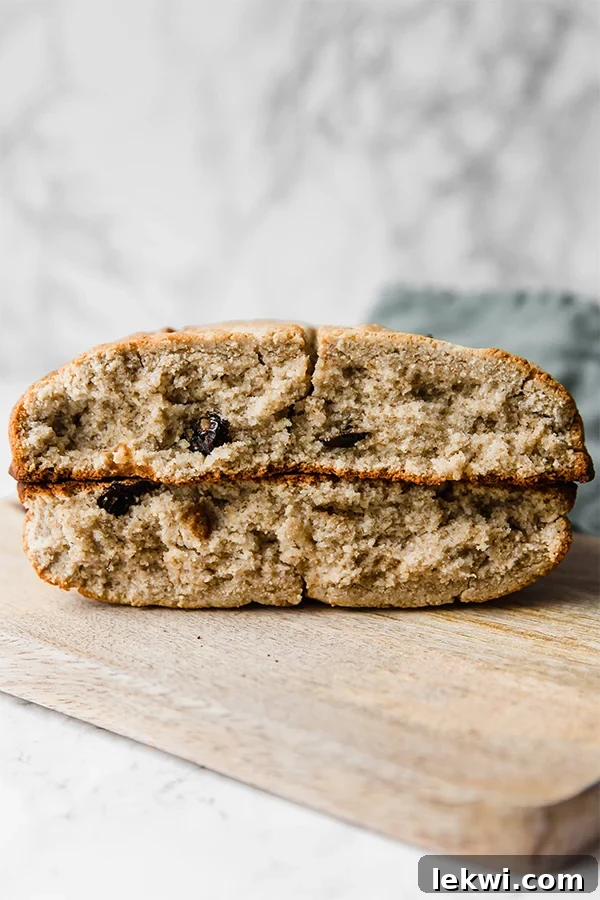
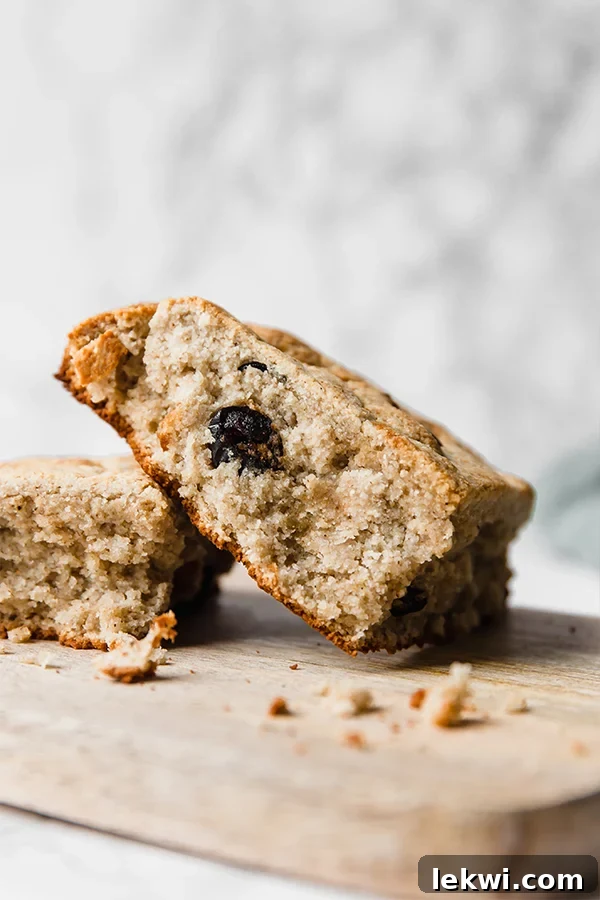
The thought of baking homemade bread can sometimes feel daunting and time-consuming, but this Irish Soda Bread recipe is thoughtfully designed for utmost ease and efficiency. It demands minimal prep time and comes together remarkably quickly, making it an ideal choice for busy individuals or even those new to the art of baking. The final result is a beautifully golden, delightfully tender loaf with a truly captivating texture – boasting a subtle crispness on the outside and a soft, crumbly interior. It’s the kind of profoundly satisfying bread that not only warms your heart but also fills your entire home with an inviting, comforting aroma, transforming a simple kitchen activity into an incredibly rewarding and sensory experience.
Unpacking the Ingredients: The Secret to Grain-Free Perfection
Achieving a traditional-tasting Irish Soda Bread without the inclusion of grains, dairy, and other common allergens necessitates a thoughtful and deliberate selection of ingredients. Every single component in this carefully crafted recipe plays a crucial and specific role in achieving the desired texture, authentic flavor, and robust structure, all while maintaining strict compliance with both Paleo and AIP dietary standards. Let’s delve into the essential ingredients that collectively make this bread truly exceptional and uniquely delicious:
The Flour Blend: Tigernut Flour, Coconut Flour, and Arrowroot Starch
This innovative combination of flours forms the foundational cornerstone of our grain-free and nut-free Irish Soda Bread. Each flour contributes its distinct properties to forge a perfectly balanced and harmonious texture:
- Tigernut Flour: As mentioned, despite its misleading name, tigernut flour is derived from a small, nutrient-dense root vegetable, rendering it a safe and wonderfully delicious option for individuals who must avoid tree nuts. It imparts a subtle, naturally sweet, and earthy flavor profile, contributing significantly to a wonderfully soft and slightly crumbly crumb. Tigernut flour is highly valued in AIP baking for its remarkable versatility, impressive nutritional benefits, and its content of resistant starch, which is known to support a healthy gut microbiome.
- Coconut Flour: This exceptionally absorbent flour is absolutely essential for effectively soaking up excess moisture and providing crucial structural integrity to the bread. It plays a pivotal role in achieving the correct, desirable consistency in grain-free baking, diligently preventing the undesirable outcome of a soggy or overly dense loaf. Due to its unparalleled absorbent qualities, coconut flour cannot be easily or directly substituted with other flours without drastically altering the recipe’s delicate liquid ratios and compromising the final texture and success of the bread.
- Arrowroot Starch (or Tapioca Starch): Arrowroot functions as an outstanding binder in this recipe, contributing significantly to the bread’s light and tender crumb, and also lending a desirable subtle crispness to its exterior. It expertly helps to hold all the ingredients together cohesively without relying on gluten. If arrowroot starch is unavailable, tapioca starch (also commonly known as tapioca flour) is a very similar, highly effective starch that can be confidently used as a 1:1 substitute in this recipe, delivering comparable excellent results.
Crafting Dairy-Free Buttermilk: Coconut Milk and Apple Cider Vinegar
Traditional Irish Soda Bread typically calls for buttermilk, which is vital for providing its characteristic tangy flavor and for reacting with baking soda to aid in the bread’s rise, ultimately creating a beautifully tender crumb. To flawlessly replicate this essential effect in a completely dairy-free recipe, we skillfully create our own ingenious “buttermilk” substitute:
- Coconut Milk: Full-fat canned coconut milk is purposefully chosen for its inherent richness and wonderfully creamy texture, effectively mimicking the desirable body and mouthfeel of dairy buttermilk. It is crucial to use full-fat coconut milk for the absolute best results, as lighter versions may simply not provide the necessary richness or structural support required for this recipe’s success.
- Apple Cider Vinegar: When expertly combined with the coconut milk, the natural acidity of apple cider vinegar initiates a slight curdling effect in the milk, precisely replicating both the distinct taste and the critical chemical properties of traditional buttermilk. This reaction is absolutely vital for fully activating the baking soda, thereby ensuring that the bread rises properly and consistently, resulting in a wonderfully light and airy loaf.
The Ideal Fat: Palm Shortening for a Perfect Texture
Selecting the appropriate fat is of paramount importance in grain-free baking, as it significantly impacts the desired crumb, moisture content, and overall texture. In this particular recipe, palm shortening is truly the star ingredient in this category:
- Palm Shortening: I deliberately opted for palm shortening over coconut oil because it consistently produces a superior, more “cakey” texture that beautifully evokes the delightful qualities of traditional soda bread. Palm shortening boasts a higher melting point and a more inherently neutral flavor compared to coconut oil, which leads to a lighter, noticeably less greasy result and a significantly improved overall mouthfeel. It also plays a key role in developing that delicate, desirable crumbly texture that makes this bread so utterly delightful. While the temptation to swap it out might arise, I strongly advise against any substitutions for this specific recipe, as I have not conducted tests with other fats, and the unique properties of palm shortening are unequivocally fundamental to the bread’s consistent success. Any substitution could potentially drastically alter the texture and overall consistency of the final product.
The Essential Binder: Egg (or a Gelatin Egg for AIP)
A reliable binder is absolutely crucial in any baking endeavor, as it effectively holds all the ingredients together and provides the necessary structural integrity. This thoughtfully designed recipe offers welcome flexibility to accommodate different dietary requirements:
- Standard Egg: If you are not currently adhering to an AIP diet or consciously avoiding eggs, a regular chicken egg will function perfectly to bind the dough, adding desirable richness and ensuring a cohesive structure.
- Gelatin Egg for AIP & Egg-Free: For individuals strictly following an AIP diet or those with specific egg allergies, a gelatin egg serves as an outstanding and highly effective substitute. Gelatin masterfully acts as a binding agent, convincingly mimicking the cohesive properties of a chicken egg, allowing the bread to maintain its shape beautifully throughout the baking process without the inclusion of any egg products. The comprehensive and detailed instructions for preparing a gelatin egg are conveniently provided in the recipe notes section below, guaranteeing that your loaf will be perfectly egg-free and fully AIP-compliant.
Sweetness and Flavor: A Touch of Honey & Festive Raisins
To exquisitely round out the flavor profile and infuse a traditional, comforting touch, we carefully incorporate:
- Honey: A judiciously measured small amount of honey provides a delicate, subtle sweetness that perfectly complements the tangy notes of our homemade “buttermilk” and harmonizes beautifully with the earthy undertones of the chosen flours. Beyond its sweetening properties, honey also contributes to desirable golden-brown coloring during baking and helps to maintain the bread’s inherent moisture.
- Raisins or Dried Currants: These quintessential, traditional additions impart delightful bursts of sweet, chewy fruit throughout the bread, significantly enhancing its overall texture and imbuing it with that unmistakable classic Irish charm. For those preferring a slightly tarter and smaller fruit inclusion, dried currants are an absolutely fantastic and highly recommended alternative that works wonderfully in this recipe.
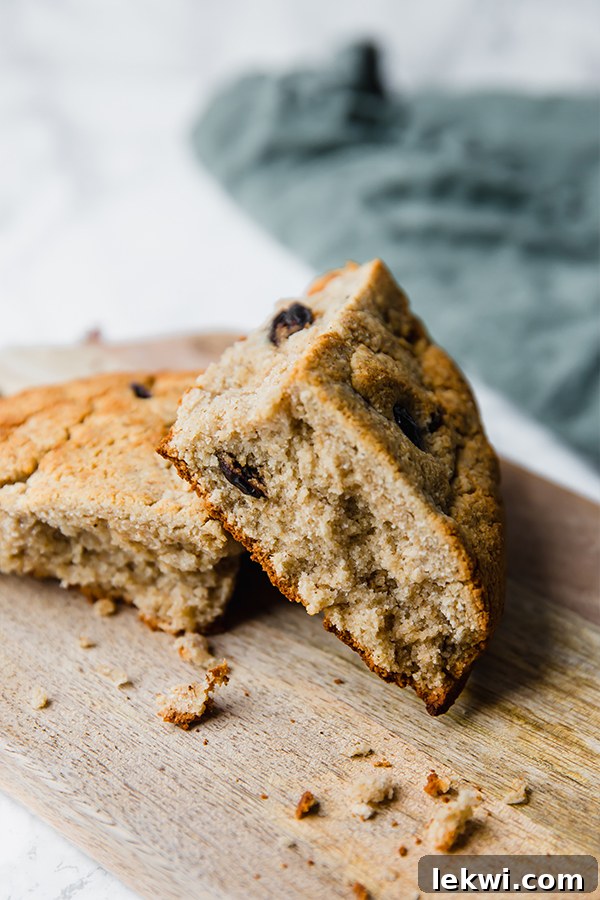
Mastering Your Bake: Tips for the Perfect Paleo Irish Soda Bread
Even with seemingly simple recipes, incorporating a few expert tips can truly elevate your baking from merely good to absolutely extraordinary. By following these key pointers, you can confidently ensure that your Paleo Irish Soda Bread emerges from the oven perfectly every single time, delighting both your palate and your guests:
Preheat Your Oven Thoroughly
Just as with any precision baking, it is absolutely crucial to ensure your oven is fully preheated to the specified temperature (350°F or 175°C) before you even think about placing your dough inside. This critical step allows the bread to begin baking immediately and rise efficiently, which is essential for developing a good, stable structure and preventing it from spreading out excessively during the initial baking phase.
Handle the Dough Gently
Unlike traditional gluten-containing breads that often benefit from vigorous kneading, grain-free doughs—especially those formulated with coconut flour—can quickly become tough and undesirable if they are overmixed. The key is to mix the ingredients just until they are thoroughly combined and a cohesive dough has clearly formed. Gentle handling will consistently ensure a beautifully tender and wonderfully moist crumb in your finished loaf.
The Significance of Scoring the Top
Traditionally, before Irish Soda Bread goes into the oven, its top is scored with a distinct cross. This practice is far more than just aesthetic; it serves a practical, functional purpose. The cross incision allows the bread to expand evenly as it bakes in the oven, effectively preventing unwanted cracks and ensuring a consistent and thorough cooking process throughout the entire loaf. Beyond its practical benefits, some enchanting folklore even suggests that scoring the bread is a protective measure to ward off evil spirits or, more whimsically, to “let the fairies out”!
Allow Adequate Cooling Time
While the irresistible aroma of freshly baked bread can make it incredibly tempting to slice into a warm loaf straight from the oven, for grain-free breads, patience is indeed a profound virtue. Allowing the Irish Soda Bread to cool completely on a wire rack for a minimum of 20 minutes (and often even longer for optimal results) is essential for its internal structure to properly set. Cutting it too soon can unfortunately result in a gummy texture or cause the loaf to crumble and fall apart. Resist that initial urge, and you will be richly rewarded with a perfectly set, wonderfully textured loaf.
Serving Suggestions for Maximum Enjoyment
This Paleo Irish Soda Bread is undeniably delightful on its own, but it truly excels and shines when paired with a few simple, complementary accompaniments. Serve it warm with a generous smear of your favorite dairy-free butter or ghee (if tolerated), perhaps alongside a dollop of a flavorful AIP-friendly jam, or even some homemade apple butter. It also creates a perfect, comforting pairing with a steaming cup of tea or coffee, making for an ideal breakfast or a satisfying afternoon snack. For an extra festive touch, especially when celebrating St. Patrick’s Day, consider serving slices of this hearty bread alongside a rich and savory stew!
More Grain-Free Delights to Explore
If you thoroughly enjoyed this healthy and innovative twist on a cherished classic, you’ll be delighted to discover even more delicious recipes that cater to similar dietary needs and preferences. Explore these other fantastic options to keep your kitchen stocked with wholesome, incredibly flavorful, and allergen-friendly treats:
- Orange Cranberry Scones
- Shamrock Shake Smoothie
- Carrot Cake Cookies
Paleo Irish Soda Bread
Leave a Review
Pin Recipe
Ingredients
- ½ cup coconut milk
- 2 tsp apple cider vinegar
- 1 cup tigernut flour
- ½ cup coconut flour
- ¼ cup arrowroot starch
- ¾ tsp baking soda
- ⅓ cup palm shortening
- 2 tsp honey
- 1 egg, substitute a gelatin egg for AIP, see instructions below
- 3 tbsp raisins or dried currants
- For the gelatin egg
- ¼ cup water
- 1 tbsp gelatin
Instructions
-
Preheat the oven to 350 F (175 C) and line a baking sheet with parchment paper.
-
In a small bowl, mix the coconut milk with the apple cider vinegar and set aside to curdle for a few minutes. This creates your dairy-free buttermilk.
-
In a large mixing bowl, combine the tigernut flour, coconut flour, arrowroot starch, and baking soda. Whisk well to ensure there are no clumps and all ingredients are evenly distributed.
-
Add the palm shortening to the dry ingredients. Using a pastry blender, your fingertips, or two forks, cut in the palm shortening until the mixture resembles coarse crumbs. Combine well.
-
Pour in the honey and the coconut milk and apple cider vinegar mixture. Stir well with a spoon or spatula until a cohesive dough begins to form. Be careful not to overmix.
-
If using a regular egg, mix it into the dough. If making an egg-free version, prepare the gelatin egg (refer to the notes section for detailed instructions below) and then mix it into the dough.
-
Gently fold in the raisins (or dried currants) until they are evenly incorporated throughout the dough.
-
Transfer the dough onto the prepared baking sheet. Using your hands, gently form the dough into a round loaf, approximately 6-7 inches in diameter and about 1.5-2 inches thick. Use a sharp knife to score a deep cross shape (about ½ inch deep) on the top of the bread. Bake in the preheated oven for 23-25 minutes, or until the loaf turns a beautiful light golden brown and sounds hollow when tapped.
-
Carefully transfer the baked bread to a wire cooling rack. Allow it to cool completely for at least 20 minutes before slicing and enjoying. This cooling time is essential for the bread’s texture to set properly.
Notes
Save This Recipe for Later!
Want to save this delicious recipe for later?
Just drop your name and email below, and we’ll send it right to your inbox, so you can easily access it anytime! ✉️
Share Your Creations!