Embarking on a journey of healing through diet can be a transformative experience, yet it often comes with unique challenges, especially when navigating social events, travel, and the pervasive culture of modern eating. Recently, I had the pleasure of spending a rejuvenating long weekend with my wonderful husband in the breathtaking Estes Park, Colorado. As passionate Colorado enthusiasts, avid hikers, and lovers of fresh, vibrant foods—experiences often scarce in our home state of Texas—it was a much-needed escape. With affordable flights and a willing ‘kitty grandma’ to care for our feline companion, Stinky, the decision was simple. Vacations are a cherished time for relaxation, connection with loved ones, and, inevitably, indulgence. This often translates into a continuous cycle of dining out, enjoying treats, and simply eating in abundance. However, for those committed to a restrictive healing diet, this seemingly idyllic scenario can quickly become a source of stress and feelings of being left out.
Navigating travel, social gatherings, and everyday interactions while adhering to a specific dietary protocol presents some of the most formidable hurdles. Beyond the external pressures and social expectations, there are also our own ingrained beliefs about food and what it ‘should’ be. How do you maintain your commitment without feeling isolated or deprived? The fear of missing out, or FOMO, is a very real emotion for anyone on a healing diet. I’ve certainly spent countless restaurant visits with nothing but a glass of water in front of me, watching others enjoy meals I couldn’t partake in. While my path is unique to me, I can assure you that it took considerable time and unwavering commitment to reach a point where I no longer felt bothered by missing out on things like wedding cake. It’s a challenging journey, demanding patience, self-compassion, and steadfast dedication.
The Unseen Power: How Restrictive Healing Diets Truly Support Your Well-being
It’s easy to question the value of restrictive healing diets when they introduce new layers of stress into our lives. However, protocols like the Autoimmune Protocol (AIP) and Paleo, which I’ve personally utilized to manage and heal my Hashimoto’s, are fundamentally designed to promote profound healing. Our overall health, vitality, and even our very existence are intricately tied to a myriad of biological reactions within our bodies, all of which are sustained by the essential nutrients we derive from our food. When our bodies are depleted of these vital nutrients, we become more susceptible to disease and chronic conditions. By intentionally nourishing our systems with nutrient-dense, whole foods, these diets aim to rectify deficiencies, reduce inflammation, support gut health, and ultimately empower the body’s natural healing mechanisms.
Let’s be candid, though; this journey isn’t always smooth sailing. It’s demanding, requires significant effort, and unfolds over time. It can, indeed, be stressful. The emotional toll of feeling excluded or saddened by the perceived loss of our ‘old way of eating’ is a legitimate part of the process. Yet, beneath the surface of this fear of missing out lies an important truth: you are making profound, positive choices for your long-term health. It’s crucial to anchor yourself in this understanding. Here are some fundamental truths to remember and practical strategies to alleviate these challenging emotions, ensuring your healing journey remains both effective and emotionally sustainable.
Unmasking the Modern Plate: Why Restaurant Food Isn’t Always the ‘Normal’ Standard
It’s a common scenario: you’re at a restaurant, observing everyone else happily digging into plates piled with burgers, sweet potato fries, or decadent desserts, and a pang of jealousy, exclusion, or even hurt can strike. On my Colorado trip, I saw countless tourists strolling through Estes Park with pizza slices and ice cream cones in hand. The thought inevitably crossed my mind: “Why can’t I just walk into any restaurant and eat whatever I want, like everyone else seems to be doing?” This feeling is valid, but it stems from a modern misconception about what constitutes ‘normal’ eating.
To be clear, the act of gathering, celebrating, and dining together is an ancient and deeply human tradition, a healthy and necessary component of social connection that has existed for centuries. However, the *nature* of the food consumed and the *context* of these gatherings have dramatically shifted. The ubiquitous modern grocery store and the proliferation of chain restaurants are relatively recent phenomena, having truly taken hold only within the last century. We didn’t always meet for ‘half-off apps’ and sugary frappuccinos, nor did we commonly consume sweet potato fries deep-fried in inflammatory canola oil. These contemporary dining habits, while convenient, are often far removed from the nutrient-rich, whole-food traditions that sustained our ancestors. They are, in many respects, unnatural and frequently detrimental to health. It’s easy to feel left out when surrounded by jovial people enjoying restaurant fare or a party fueled by alcohol and delivery pizza. However, I encourage you to shift your perspective. Instead of feeling deprived, feel empowered and proud that you are actively opting out of these potentially unhealthy dietary norms. Perhaps your choices might even subtly inspire those around you to consider the benefits of real, wholesome food.
Empowering Your Social Life: Host Healthy Meals & Bring Your Own Provisions
One of my most effective strategies for overcoming the feeling of exclusion at social events and restaurants is to take control of the dining environment. This often means inviting people to my home and preparing meals there. When I host, I never feel pressured to order pizza or compromise my dietary needs. Instead, I create delicious, real food that is always Paleo-friendly and frequently compliant with the Autoimmune Protocol. What’s truly remarkable is how little people notice or care about the ‘restrictions’—they simply enjoy the food! In fact, guests often comment on how much they love the meal, frequently noting it’s superior to typical restaurant or takeout options. This approach allows me to socialize comfortably, enjoy fantastic food, and ensure my body receives the nourishment it needs.
But how do you make this sustainable without breaking the bank? Here are some practical tips for hosting and managing meals:
- Embrace Economical, Real Foods: Focus on ingredients that offer great value and versatility. Large, vibrant salads packed with fresh vegetables, healthy fats, and lean proteins are both satisfying and budget-friendly. Economical roasts, like a whole chicken or a pork shoulder, can feed a crowd and provide delicious leftovers. Think about hearty stews or chili that can be made in large batches.
- Delegate and Collaborate: Don’t feel obligated to do everything yourself. Politely ask your guests to bring a side dish that complements the main course. This not only eases your workload and cost but also introduces variety to the meal. You’ll still be in charge of the primary dish, ensuring it meets your dietary requirements, while others contribute their favorite compliant additions.
- Consider a Potluck or Contribution Model: If friends frequently pitch in for pizza and beer, there’s no reason they can’t contribute to a healthy, home-cooked meal. Suggest a “pitch-in” for groceries, or make it a potluck where everyone brings a Paleo or AIP-friendly dish. This fosters a sense of shared experience and makes healthy eating more accessible for everyone involved.
Image Source
When hosting isn’t an option, or for situations like travel, your lunchbox and ice packs become invaluable allies. Packing your own food is a game-changer. I vividly recall a moment on my honeymoon, sitting on an international flight, discreetly observing the slightly envious glances from fellow passengers. As they ate their ‘mystery meat’ airplane meals, I was happily enjoying a pre-packed container of fresh vegetables and homemade protein. The ability to control your food choices, even on the go, brings immense peace of mind and ensures you stay aligned with your healing goals. It’s about proactive planning and empowering yourself to eat well, no matter where you are.
Debunking the Myth: You Don’t Need ‘Fake Food’ for Happiness
A prevalent misconception in our society is that if you don’t have a diagnosed chronic condition, you can get away with eating anything, including an abundance of junk food. We often convince ourselves that these ‘treats’—whether it’s highly processed snacks, sugary desserts, or celebratory drinks—are essential for maintaining sanity, for rewarding ourselves, or for simply being happy. Society frequently reinforces the idea that life without these indulgences would be bleak and joyless. But let’s challenge this narrative: the truth is far more liberating.
You absolutely do not need junk food to be happy. This isn’t just about avoiding specific ingredients; it’s about fundamentally reshaping your relationship with food and understanding the sources of true joy and satisfaction. The fleeting pleasure derived from a Christmas cookie, a birthday cake, or a celebratory beer is just that—fleeting. Contrast this with the sustained well-being, increased energy, mental clarity, and reduced symptoms that come from nourishing your body with real, whole foods. For thousands of years, humanity thrived and found happiness without the invention of ultra-processed, “fake” foods. Our ancestors celebrated, commiserated, and found joy in life through connection, activity, and naturally sourced sustenance. Regardless of the specific restrictive diet you’re following, remember that your capacity for happiness, fulfillment, and treating yourself truly stems from a deeper place than a sugar fix or a fried snack. Prioritizing your health is the ultimate act of self-love, leading to a profound and lasting sense of well-being that no amount of junk food can replicate.
Mastering Your Menu: Prepare and Savor Foods You Truly Love
Despite recognizing that we don’t *need* fake food, it’s an undeniable part of our modern landscape. Ice cream and pizza will continue to feature at parties, and seasonal events like Halloween will always present tempting, non-compliant options. The key to staying on track, enjoying social occasions, and truly thriving on a healing diet lies in meticulous preparation and a commitment to creating delicious, satisfying alternatives that you genuinely love. As I recommended bringing your own food, I equally emphasize the power of preparing meals and snacks that feel like genuine treats to you.
For a long time, I perceived the Autoimmune Protocol as overly restrictive, believing it impossible to truly enjoy my food or manage within its parameters. This changed dramatically when I gave myself permission to explore, experiment, and fall in love with my food again. I began crafting amazing alternatives that not only met my dietary needs but also delighted my palate. Think beyond plain steamed vegetables! Discover recipes for indulgent yet compliant treats like my coconut collagen bites or savory parsnip fries. These aren’t just substitutes; they are delicious, nutrient-dense creations in their own right. Furthermore, always ensure you have travel-friendly fruits like apples and bananas on hand. Carrying delicious herbal teas or sparkling mineral water can provide a comforting drink when everyone else has cocktails, while protein-rich options like EPIC bars offer a convenient way to boost your protein intake and stay satisfied. This proactive approach to meal planning and snack preparation is not just about adherence; it’s about cultivating a joyful and sustainable relationship with your healing diet. When your own prepared food looks and tastes amazing, you won’t feel deprived. In fact, as I’ve experienced, people around you might even start looking a little jealous of your vibrant, delicious spread!
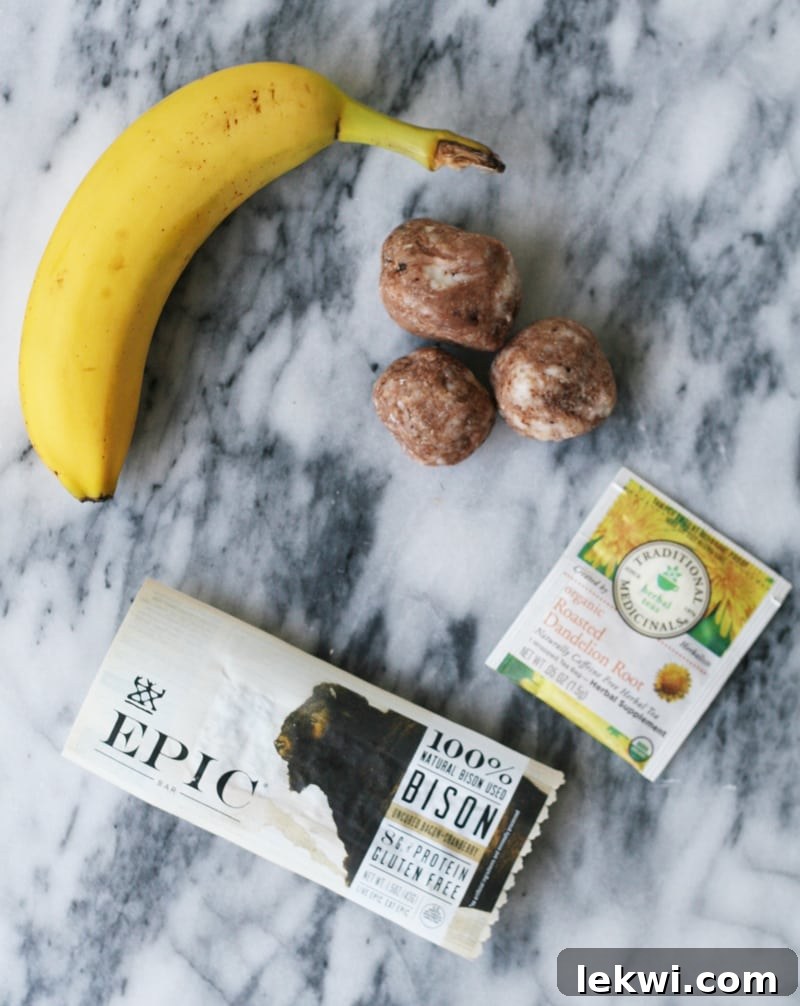
As I mentioned, don’t be surprised if your carefully prepared, delicious foods spark a bit of envy!
Reclaiming Your Autonomy: Stop Trying to Please Everyone in Social Settings
Social situations, while often enjoyable, can also be complex and, at times, annoying, especially when you’re adhering to a specific dietary protocol. People, myself included, can sometimes be overly inquisitive or subtly pressure you to conform. They observe the conscious, healthy choices you’re making and, unfortunately, may sometimes judge you for them. It’s important to recognize that this judgment often stems not from a genuine concern for you, but rather from their own insecurities or discomfort with their own choices. Your decision to prioritize your health can inadvertently hold a mirror up to their habits, leading to defensiveness or criticism.
Regardless of the underlying reason for others’ judgment or questioning, it’s crucial to remember that this healing diet, and your lifestyle choices, are fundamentally about *you*. This isn’t about them, their opinions, or their need for you to blend in seamlessly. It is your deeply personal choice, driven by your unique health needs and goals. To be blunt, if someone is merely going to be judgmental or critical, your dietary choices are frankly none of their business. Cultivate a strong sense of self-awareness and self-respect, understanding that your health journey is a private and empowering path. Detach yourself from the need to seek external validation or to appease every social expectation. Your well-being is paramount, and your commitment to it is a testament to your strength and self-care.
Communicating with Confidence: Be Concise and Clear in Your Explanations
When it comes to explaining your dietary choices to others, confidence and brevity are your most powerful tools. I deeply resonate with the advice from Mickey and Angie of autoimmune-paleo.com on the Paleo Women Podcast: “don’t be weird.” If you appear flaky, apologetic, or overly sheepish about your choices, it can make others uncomfortable or prompt further, more intrusive questions. Your demeanor communicates more than your words.
Instead, aim to be confident, firm, and concise in your responses. A simple, direct statement often suffices, such as: “I have a chronic illness, and I’m managing it effectively with a specific diet.” This statement is informative without being overly detailed or inviting debate. If you prefer not to delve into the specifics of your condition or your diet, you are absolutely not obligated to do so. You can politely and firmly end the conversation right there. Practice saying, “No, thank you, I’m good,” or “I’m not eating that right now, but thanks for offering.” Remember, you don’t owe anyone an elaborate explanation of your health journey. Your choices are personal, and a confident, clear, and brief response demonstrates that you respect yourself and your boundaries, which in turn encourages others to respect them too. This assertive approach helps to deflect unnecessary questions and maintains your peace of mind in social settings, allowing you to focus on enjoying the company rather than defending your plate.
The Guiding Light: Remember Your Why – You Are Doing This to Heal
Even with all the practical advice and mindset shifts, there will inevitably be moments—perhaps a challenging evening at a party, or a particular craving—when you might deeply yearn for a cupcake or a slice of pizza. These moments of weakness or longing are a normal part of any significant lifestyle change. However, in these instances, I urge you to pause and reconnect with your fundamental motivation: you are doing this to heal. This isn’t about arbitrary restrictions; it’s about a profound commitment to your well-being, a powerful act of self-love and self-preservation.
You are making these choices for yourself, for your body, and for your long-term health. Beyond personal benefit, you are also doing this for your family and loved ones. By striving to be the healthiest, most vibrant version of yourself, you are better equipped to be present, energetic, and fully engaged with those you cherish. This healing journey is an investment in your future, in your quality of life for years to come. It’s a pursuit of sustained vitality, mental clarity, and physical strength. This commitment is so much larger than the temporary disappointment of missing out on a single treat or the fleeting awkwardness felt at a social gathering. This is your life, and every conscious dietary choice you make is a step towards living it more fully, more vibrantly, and more healthily. Hold onto this powerful ‘why’ to navigate those difficult moments with unwavering resolve.
Embracing the Journey: Give Yourself Permission to Love the Process
When I first embarked on my gluten-free journey, I approached it with a deeply negative mindset. I resented the restrictions, convinced myself I hated the change, and deliberately sought opportunities to complain and cheat whenever possible. This defensive and resistant attitude made the entire process incredibly difficult and unenjoyable. I never truly gave myself permission to accept this new path, to be okay with being different, or to find joy in the altered landscape of my diet. This resistance created a constant internal battle, undermining my progress and perpetuating feelings of deprivation.
The pivotal shift occurred when I consciously decided to let go of that resistance and embrace the process with an open heart. This involved giving myself permission to love myself enough to release old ‘creature comforts’ and to discover new sources of culinary delight. It meant finding excitement in experimenting with new recipes, celebrating the foods I *could* eat, and focusing on the tangible improvements in my health rather than dwelling on perceived losses. This mindset transformation is perhaps the most crucial remedy of all. By allowing yourself to fall in love with the journey—regardless of external social pressures or internal doubts—you empower yourself to navigate challenges with grace and resilience. When you genuinely embrace the process, you not only make it more sustainable and enjoyable, but you also become that much healthier, both physically and emotionally. It’s an act of radical self-acceptance and a testament to your commitment to a life of vibrant well-being.