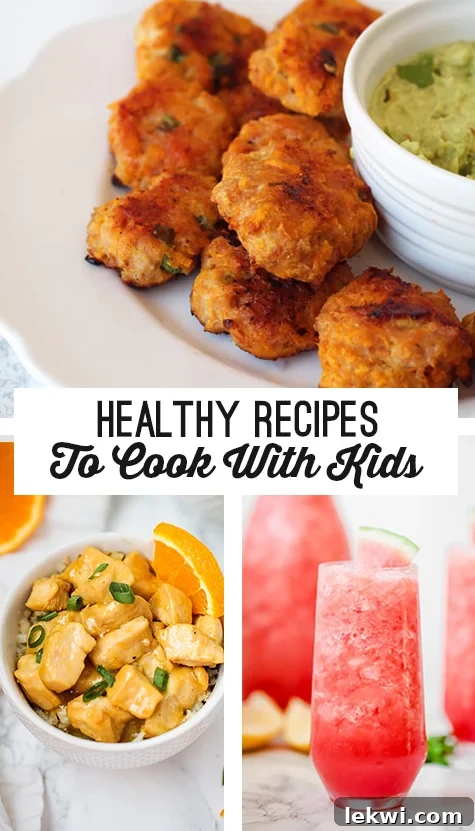
Empowering Young Chefs: Healthy, Allergen-Friendly Recipes & Essential Tips for Cooking with Kids
In today’s ever-changing world, many families are finding themselves with more time at home, creating unique opportunities for connection and learning. One incredible way to make the most of this time is by stepping into the kitchen with your children! While the author of this article is eagerly awaiting the arrival of her first child, she has extensive experience leading food crafts and cooking with friends’ kids, understanding firsthand the immense joy and countless benefits that come from involving little ones in meal preparation. This guide is packed with invaluable tips and a collection of delicious, healthy recipes designed to be gluten-free, dairy-free, allergen-friendly, and most importantly, kid-approved!
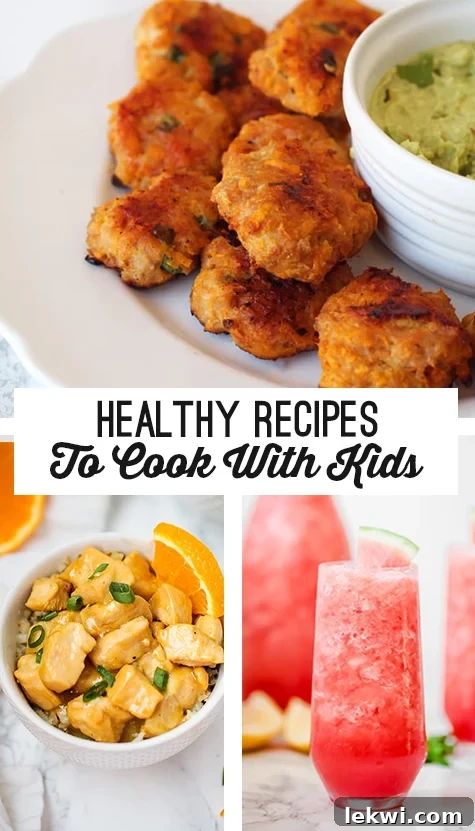
Cooking with kids is more than just a fun activity; it’s an investment in their future health, happiness, and independence. It’s a chance to bond, create lasting memories, and teach essential skills that extend far beyond the kitchen counter. Let’s dive into why bringing your children into the culinary world is such a rewarding endeavor.
Transformative Benefits of Cooking with Children
Engaging children in the cooking process offers a smorgasbord of advantages that contribute to their holistic development. It’s a rich learning environment disguised as fun, providing practical skills and fostering valuable character traits.
Cultivating an Essential Life Skill and Promoting Independence
The ability to cook is a fundamental life skill that empowers individuals to nourish themselves and others. By teaching your children to cook, you’re equipping them with the tools for self-sufficiency, promoting healthier eating habits, and even saving money in the long run. Many schools no longer prioritize home economics, making the home kitchen the perfect classroom. Children who learn to cook early tend to make more informed food choices, understand nutrition better, and are more likely to enjoy a balanced diet as they grow older. This journey into cooking also fosters a sense of independence and capability, boosting their self-esteem with every dish they master.
A Practical Playground for Math and Science Skills
Cooking is a fantastic, hands-on way to introduce and reinforce mathematical concepts. Measuring ingredients, understanding fractions (half a cup, quarter teaspoon), converting units (tablespoons to cups, ounces to grams), and even basic arithmetic for scaling recipes all become tangible and exciting. Beyond math, cooking is a practical science experiment! Observing how ingredients change states (liquid to solid, raw to cooked), the effects of heat on food, or the alchemy of baking provides real-world lessons in chemistry and physics. When children see these concepts applied directly to creating a delicious outcome, learning becomes incredibly gratifying and memorable.
Developing Patience and Perseverance
In our instant-gratification world, cooking from scratch teaches invaluable lessons in patience. Baking requires waiting for dough to rise, slow-cooking demands hours of simmering, and even a simple stovetop meal takes time for ingredients to transform. There are no shortcuts when you’re creating a dish from start to finish. This process helps children understand that good things often require time, effort, and careful attention, cultivating a sense of delayed gratification and perseverance that extends beyond the kitchen.
Fostering Creativity and Problem-Solving
While following recipes teaches discipline, cooking also opens doors to creative expression. Kids can experiment with flavors, personalize dishes, or even invent their own culinary creations (under supervision, of course!). When a recipe doesn’t go exactly as planned, it presents an opportunity for problem-solving. How can we salvage this? What adjustments can we make next time? This encourages flexible thinking and adaptability.
Building Confidence and Fine Motor Skills
Every successful culinary endeavor, no matter how small, builds a child’s confidence. From successfully cracking an egg to perfectly measuring flour, these small victories contribute to a positive self-image. Furthermore, tasks like stirring, kneading, chopping (with age-appropriate tools), pouring, and rolling dough are excellent for developing fine motor skills and hand-eye coordination.
Making Culinary Adventures Enjoyable and Engaging for Kids
To ensure cooking remains a positive and exciting experience, tailor the activities to their interests and capabilities. Here’s how to sprinkle some extra fun into your kitchen time:
Empower Them Through Choice
Allowing children to choose what they want to cook gives them a sense of ownership and excitement. This doesn’t mean giving them free rein over the entire pantry; instead, offer a curated selection of 2-3 healthy, kid-friendly options that fit your meal plan and available ingredients. “Would you like to make chicken poppers or slow cooker barbacoa tonight?” This simple act of choice significantly boosts their engagement and makes them feel like a valued contributor to the family meal.
Utilize Playful Tools and Presentation
Transform ordinary tasks into extraordinary fun with a few creative touches. Cookie cutters can turn sliced fruits and vegetables into whimsical shapes for snack plates, instantly making healthy eating more appealing. Invest in kid-friendly utensils like nylon knives that cut soft foods safely, colorful mixing bowls, or even a child-sized apron. Presentation matters, too! Let them help arrange food on plates or create fun garnishes. These small details can make a big difference in sparking their enthusiasm.
Turn It Into a Game or Story
Assign roles, create a “restaurant” theme, or tell a story about where the ingredients come from. For example, “We’re going on an adventure to make dragon eggs (meatballs)!” or “Our mission is to bake the best cookies in the galaxy!” Incorporating imaginative play can make even mundane tasks like stirring or chopping feel like part of an exciting quest.
Taste Testing and Sensory Exploration
Encourage children to use all their senses during cooking. Ask them to smell ingredients, describe textures, and, most importantly, taste as they go (safely!). This mindful engagement helps them understand flavors, spices, and how different components contribute to the final dish. A fun “mystery ingredient” taste test can also be a delightful activity.
Prioritizing Food Safety: A Crucial Lesson for Young Chefs
While fun and learning are paramount, food safety is a non-negotiable aspect of cooking with children. Teaching proper kitchen hygiene and safe handling practices from a young age instills habits that will last a lifetime.
Explaining the “Why” Behind Safety Rules
Instead of simply stating rules, explain the reasoning behind them. “We wash our hands thoroughly after touching raw chicken because invisible germs could make us sick if they get into our food.” Or, “We use a separate cutting board for vegetables because raw meat juices can contaminate other foods.” Understanding the potential consequences makes children more likely to adhere to safety protocols, transforming them from arbitrary rules into logical safeguards.
Mastering Proper Handwashing Techniques
Handwashing is the cornerstone of food safety. Emphasize the importance of meticulous hand hygiene before, during, and after handling food. Teach them to:
- Lather hands thoroughly with soap and warm water.
- Scrub for at least 20-30 seconds – encourage singing “Happy Birthday” twice or the ABC song to gauge the time.
- Wash the fronts and backs of hands, between fingers, and under nails.
- Rinse well under running water.
- Use a clean paper towel to turn off the faucet and dry hands completely to avoid recontamination.
Vigilance with Sharp Utensils and Heat Sources
Kitchens contain inherent risks like sharp objects and hot surfaces. Constant supervision is critical, and tasks must be scaled to your child’s age and maturity level. For younger children, start with plastic knives for soft foods. As they grow, introduce real knives with proper technique demonstration and close monitoring. Similarly, explain the dangers of the stove and oven, teaching them to always ask for help and maintain a safe distance from hot surfaces. Ensure pot handles are turned inward and oven mitts are used correctly.
Preventing Cross-Contamination
Teach children about the importance of keeping raw meats separate from ready-to-eat foods. This includes using different cutting boards, utensils, and plates, and never placing cooked food back onto a surface that held raw ingredients. Clearly label or color-code cutting boards if possible.
Kitchen Cleanup: Part of the Process
Integrate cleanup into the cooking process. Teach children to wipe spills immediately, put away ingredients, and help wash dishes or load the dishwasher. This reinforces responsibility and the understanding that cooking isn’t just about preparing food, but also maintaining a clean and safe environment.
Delightful & Healthy Recipes to Cook with Your Kids
Now that we’ve covered the essentials, it’s time for the most exciting part: the food! These recipes are carefully selected for their kid-friendliness, delicious taste, and adherence to gluten-free, dairy-free, and allergen-friendly principles. Each one offers fantastic opportunities for children to get involved.
Main Dishes
Sweet Potato Chicken Poppers
These incredibly popular sweet potato chicken poppers are essentially a healthier, homemade version of chicken nuggets that kids adore! With minimal ingredients and straightforward steps, they’re perfect for involving young chefs. Remember to emphasize handwashing after handling raw chicken.
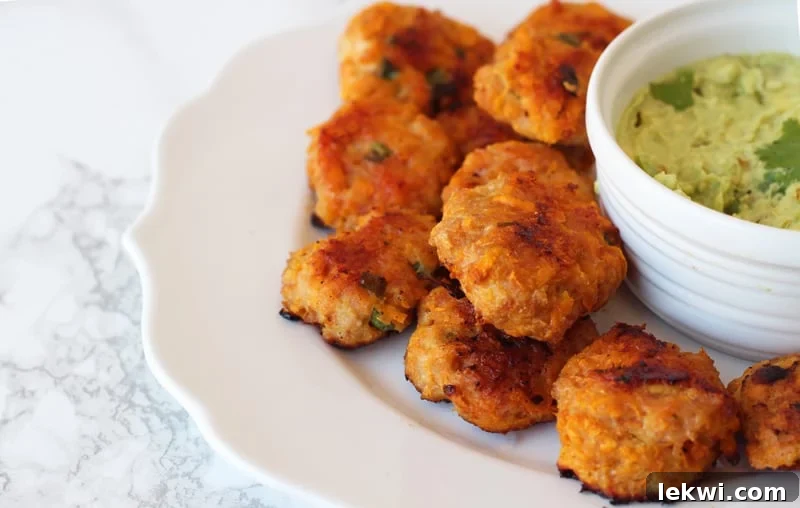
What kids can help with:
- Measuring Ingredients: Practice precision by measuring out the sweet potato, chicken, and seasonings.
- Mixing Ingredients: Get hands-on by thoroughly combining all the ingredients in a large bowl.
- Forming Poppers: Roll the mixture into bite-sized “nuggets” and flatten them onto a baking sheet, developing fine motor skills and creativity.
Slow Cooker Barbacoa
Taco night is always a hit, and this slow cooker barbacoa makes it easy and delicious! Building your own tacos is a fantastic way to encourage healthy eating and give kids control over their meal. Be mindful of the temperature when shredding the barbacoa and supervise any knife work for toppings.
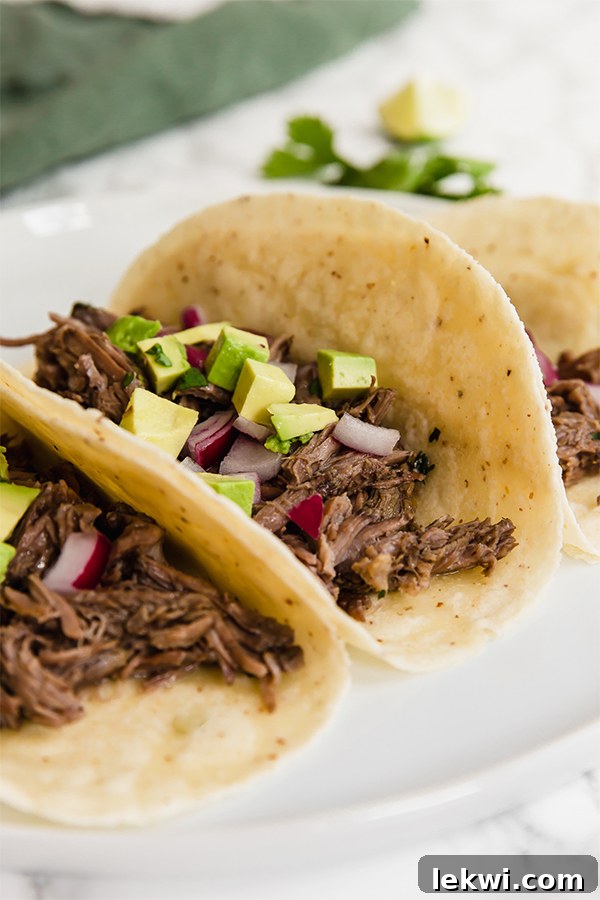
What kids can help with:
- Measuring Spices: Help measure and add the spices to the slow cooker for the flavorful barbacoa rub.
- Shredding Barbacoa: Once cooled slightly, use forks to shred the tender barbacoa, a satisfying task for older kids.
- Prepping Toppings: Assist with washing and tearing lettuce, mashing avocado, or arranging other pre-sliced toppings.
- Assembling Tacos: The best part! Let them independently choose and load their favorite ingredients into taco shells or lettuce cups.
Slow Cooker Orange Chicken
This slow cooker orange chicken brings a beloved takeout classic right into your healthy home kitchen. It’s bursting with vibrant flavor and makes for a super easy family meal. The slow cooker does most of the work, leaving plenty of opportunities for kids to help with the sauce and sides.

What kids can help with:
- Measuring Sauce Ingredients: Carefully measure out liquids like orange juice and apple cider vinegar, along with spices, for the delicious sauce.
- Whisking the Sauce: Combine all sauce ingredients in a bowl, developing arm strength and mixing skills.
- Choosing Side Dishes: Let them pick a favorite healthy side, like cauliflower rice or steamed broccoli, and assist with its preparation, such as washing vegetables.
Side Dishes
Sweet Potato Tater Tots
Who doesn’t love tater tots? These sweet potato tater tots transform a fun, often less-healthy snack into a nutritious, real-food side dish. They’re surprisingly simple to make and offer plenty of hands-on opportunities for little chefs.

What kids can help with:
- Measuring Ingredients: Measure the sweet potato, flour (or arrowroot powder), and seasonings accurately.
- Mixing Ingredients: Get their hands (or a spoon) in there to thoroughly combine the sweet potato mixture.
- Forming Tater Tots: The most fun part! Help roll the mixture into classic tater tot shapes, enhancing fine motor skills and creativity.
- Choosing Dips: Select their favorite healthy dips for serving, encouraging personal preference.
Bacon Ranch Zucchini Noodle Pasta Salad
This vibrant Bacon Ranch Zucchini Noodle Pasta Salad is a fantastic, fresh alternative to traditional pasta salad, perfect for a picnic or a light meal. It’s packed with flavor and healthy vegetables, and kids can easily contribute to several steps.
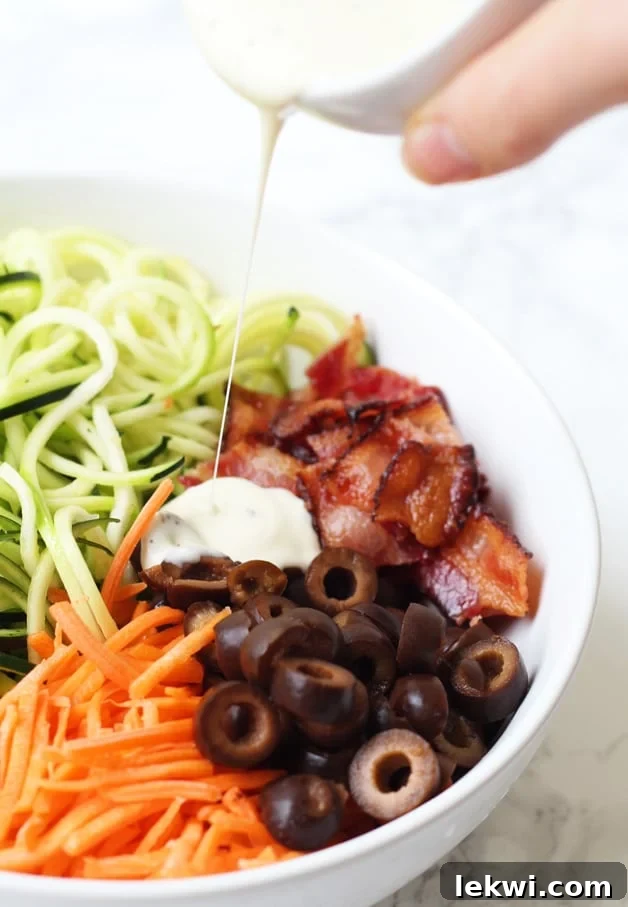
What Kids Can Help With:
- Measuring Pasta Salad Ingredients: Measure out the various chopped vegetables and bacon bits for the salad.
- Measuring Homemade Ranch Ingredients: Help measure the herbs and liquids for the creamy, homemade ranch dressing.
- Mixing the Homemade Ranch: Whisk all the ranch ingredients together until smooth, developing arm strength.
- Combining Salad and Ranch: Gently toss the zucchini noodles, other salad ingredients, and ranch dressing until everything is well coated.
Snacks & Treats
Homemade Chocolate Pudding
Forget the box mix! This homemade chocolate pudding is incredibly simple, rich, and a much healthier option for a sweet treat. It’s an excellent recipe for introducing kids to basic stovetop cooking (with strict supervision) and the magic of thickening ingredients.
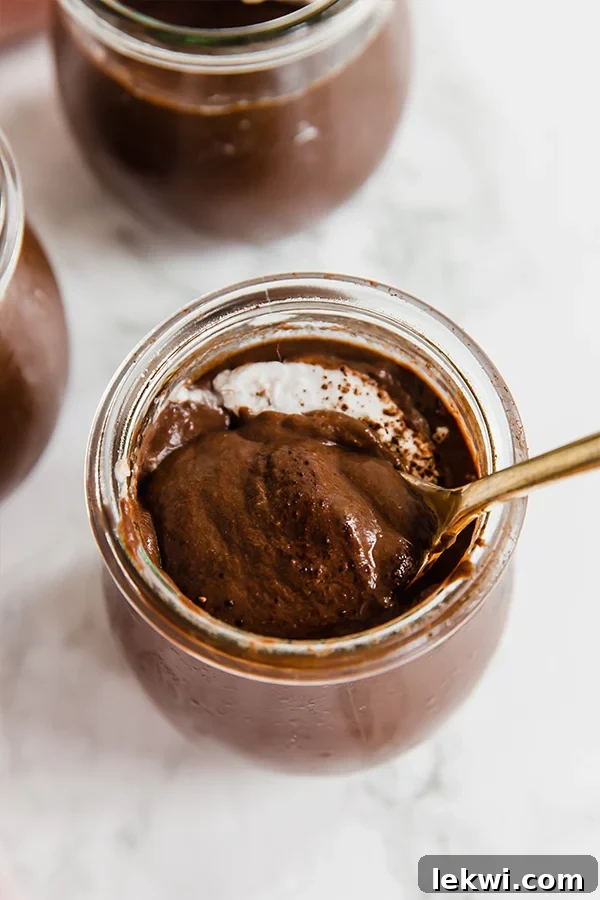
What kids can help with:
- Measuring Ingredients: Measure out the cocoa powder, sweetener, and liquids with accuracy.
- Adding to Pot & Whisking: Before the pot goes on the stove, allow them to add ingredients and whisk them together until smooth, preventing lumps.
- Pouring into Jars: Once the pudding has cooled, carefully pour it into individual serving jars or bowls, practicing precision.
- Choosing Toppings: Let them get creative by selecting their favorite toppings like fresh berries, dairy-free chocolate chips, or shredded coconut.
No-Bake Cookie Dough Bites
These no-bake cookie dough bites are a dream come true for kids who love to snack and parents who want healthy options! They’re safe to eat raw and incredibly easy to prepare, making them a perfect beginner recipe for even the youngest chefs. No oven required means less heat and more fun.
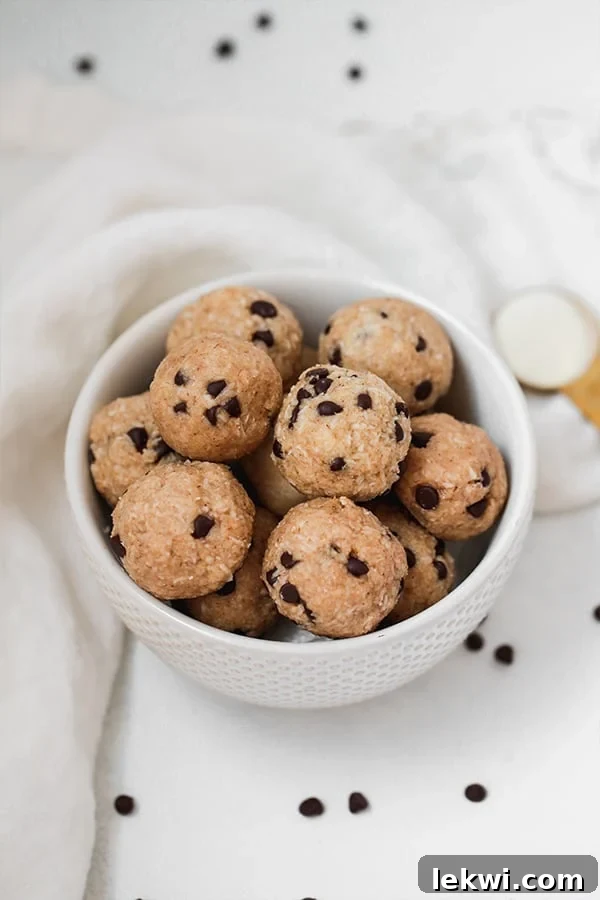
What kids can help with:
- Measuring Ingredients: Measure out the nut butter, sweetener, and other dry ingredients.
- Mixing Ingredients: Combine everything in a bowl until a uniform “dough” forms, using their hands for a tactile experience.
- Rolling into Balls: Roll the mixture into bite-sized cookie dough balls, a simple and satisfying task that develops fine motor skills.
Drinks
Watermelon Lemonade Mocktail
This refreshing watermelon lemonade mocktail is the ultimate thirst-quencher for hot summer days, loved by both kids and adults. It’s simple, naturally sweet, and involves the exciting use of a blender – always a hit with kids!

What kids can help with:
- Measuring Ingredients: Measure out the watermelon chunks, lemon juice, and any added sweetener.
- Adding to Blender: Carefully place all the ingredients into the blender.
- Blending: With supervision, press the blender button and watch the magic happen!
- Straining: Hold the strainer over a pitcher or bowl to help strain out any seeds or pulp, creating a smooth drink.
Embarking on culinary adventures with your children is a journey filled with learning, laughter, and delicious rewards. These recipes and tips are designed to make the process enjoyable and educational, fostering a love for healthy eating and building invaluable life skills. So, gather your little ones, tie on those aprons, and get ready to create some wonderful memories in the kitchen. Happy cooking!