
Bone broth is a revered healing superfood, celebrated for its rich concentration of vital minerals like calcium and magnesium, along with essential compounds such as collagen and gelatin. These powerful nutrients work synergistically to deeply nourish the body and significantly bolster the integrity of the gut lining. The good news is, harnessing these benefits through homemade bone broth is far simpler than you might imagine!

My personal journey with bone broth began in my early twenties when I first confronted significant gut health challenges. My mother, understanding its potent healing properties, would lovingly prepare chicken bone broth for me to take back to college. While my initial attempts at transitioning to a healthier diet were filled with trial and error, embracing bone broth was undeniably one of the most beneficial steps I took.
The Unrivaled Benefits of Incorporating Bone Broth into Your Diet
Bone broth is more than just a culinary staple; it’s a nutritional powerhouse with profound benefits for overall well-being. Its unique composition makes it a cornerstone of holistic health practices.
Nourishing Your Gut from Within: Healing the Intestinal Lining
One of the most widely recognized benefits of bone broth lies in its ability to support and repair the intestinal lining. The abundant collagen and gelatin are crucial for maintaining the gut’s integrity. These compounds provide the building blocks necessary to mend a compromised gut barrier, often referred to as “leaky gut.” By soothing inflammation and promoting tissue regeneration, bone broth can significantly contribute to improved digestion, nutrient absorption, and a reduction in uncomfortable gut-related symptoms. For anyone grappling with digestive issues, integrating bone broth can be a transformative step towards gut healing and a more balanced digestive system.
Radiant Skin, Strong Hair, and Healthy Nails: The Beauty Elixir
The beauty benefits of bone broth are directly linked to its high collagen content. Collagen is the most abundant protein in the body, vital for the elasticity and hydration of skin, the strength of hair, and the resilience of nails. Regular consumption helps to replenish the body’s natural collagen stores, which diminish with age. This can lead to visibly smoother skin, reduced fine lines and wrinkles, shinier hair, and stronger nails, offering a natural and effective way to support your aesthetic health from the inside out.
A Gentle Introduction to Whole Foods: Easing Dietary Transitions
For individuals who struggle with consuming meat or are transitioning to a more whole-food diet, bone broth offers a gentle and easily digestible way to introduce vital nutrients. In my own experience, after years of a profound aversion to meat due to poor gut health, bone broth served as the perfect bridge. Its liquid form makes the essential proteins and minerals readily available without the digestive burden often associated with solid meats, making it an excellent stepping stone for broadening dietary horizons and improving nutritional intake.
A Powerhouse of Essential Nutrients: Easy to Digest and Absorb
Beyond collagen and gelatin, bone broth is brimming with a spectrum of vitamins, minerals, and amino acids. These include calcium, magnesium, phosphorus, potassium, and amino acids like glycine, proline, and glutamine. What makes bone broth particularly remarkable is that these nutrients are extracted from the bones and connective tissues in a form that is practically “pre-digested.” This means they are incredibly easy for the body to absorb and utilize, making bone broth an ideal choice for those with sensitive digestive systems or compromised nutrient absorption.
Reconnecting with Ancestral Wisdom: A Truly Traditional Food
Bone broth is a testament to the culinary wisdom of our ancestors, who understood the value of utilizing every part of an animal. Long before the advent of canned broths, bouillon cubes, or boxed stocks, cultures worldwide prepared nourishing broths from bones, making it a truly traditional and properly prepared food. Embracing homemade bone broth is not just about nutrition; it’s about reconnecting with sustainable, time-honored cooking practices that prioritize whole, natural ingredients and minimal waste.
Crafting Your Own Liquid Gold: The Ultimate Gut-Healing Bone Broth Recipe
Making a truly exceptional, gut-healing bone broth at home is a rewarding process. The key lies in selecting the right ingredients and employing proper simmering techniques to extract maximum flavor and nutrients.
Selecting the Best Bones for Optimal Results
The foundation of a high-quality, gelatinous, and flavorful broth begins with the bones. Sourcing from healthy, pasture-raised animals (grass-fed beef, organic chicken, etc.) is crucial. Look for a mix of different bone types to ensure a rich nutrient profile:
- 1.5-2 lbs of Marrow or Soup Bones: These contribute deep flavor and valuable marrow.
- Beef shanks or large soup bones (femur, knuckle bones)
- Whole chicken carcass (meat removed)
- Lamb soup bones
- 0.5-1 lbs of Joint Bones: These are essential for a high gelatin yield, which indicates collagen content.
- Beef knuckle or ankle bones
- Lamb neck bones
- Chicken feet (toes removed for aesthetic reasons, though not strictly necessary for nutrient extraction)
You can often find these bones at local health food stores, farmer’s markets, or through CSA (Community Supported Agriculture) programs, which ensure you get quality, ethically sourced ingredients.
Enhancing Flavor and Nutrient Extraction
Beyond the bones, a few key additions and techniques elevate your broth:
- Roast the Bones for Richer Flavor: If using beef or lamb bones, roasting them beforehand in the oven (at around 375°F for 15-20 minutes) significantly deepens the flavor profile, creating a richer, more robust broth. This step encourages the Maillard reaction, which caramelizes the proteins and sugars.
- The Essential Role of Apple Cider Vinegar: Adding about 1 tablespoon of raw apple cider vinegar (ACV) is a non-negotiable step for a truly perfect broth. The acidity helps to draw out vital minerals and collagen from the bones, ensuring a nutrient-dense final product.
- Aromatic Vegetables and Fresh Herbs: To infuse even more flavor and a broader spectrum of nutrients, incorporate a selection of vegetables and herbs. To minimize waste, consider saving vegetable scraps like carrot tops, onion skins and ends, celery stalks, leek greens, and even garlic peels in a freezer bag. These can be added directly to your broth along with fresh herbs like bay leaves, sage, and thyme.
The Art of Low and Slow Simmering
Patience is paramount when making bone broth. For the minerals and collagen to be fully extracted from the bones, a slow, extended cooking process is required. While specific times vary by bone type:
- Chicken and Turkey Bones: Aim for a minimum of 18-24 hours.
- Beef, Lamb, and Bison Bones: These denser bones benefit from a longer simmer, typically 24-36 hours, and sometimes even up to 48 hours for maximum extraction.
Maintaining a gentle simmer (just a few bubbles breaking the surface, not a rolling boil) is crucial to avoid denaturing proteins and to achieve a clear, flavorful broth.
Rapid Cooling for Safety and Quality
After your broth has finished simmering, it’s essential to cool it down quickly to prevent bacterial growth. Avoid letting the broth sit at room temperature for extended periods. A highly effective method is to create an ice bath: transfer the hot broth to a clean pot or metal bowl, then place that container into a larger vessel filled with ice and a little cold water. This rapid cooling technique allows the broth to cool down efficiently without dilution, preserving its rich flavor and concentration.
The Gel Test: A Sign of Collagen Richness
Once your bone broth is thoroughly chilled, a truly successful batch will resemble gelatin or “jello.” This jiggle is a fantastic indicator that your broth is rich in collagen and gelatin. Don’t worry if it’s solidified; simply reheat it gently, and it will return to its liquid form, ready to be enjoyed.
Beyond the Brew: Storing Your Homemade Bone Broth
Proper storage is essential to maximize the shelf life and convenience of your homemade bone broth.
Freezing for Long-Term Convenience
If you plan to use your broth over an extended period, freezing is the best option. Silicone molds (like ice cube trays or muffin molds) are perfect for portioning, allowing you to easily pop out individual servings for cooking or sipping. Once frozen solid, transfer the broth cubes to freezer-safe bags or containers. Properly frozen bone broth can maintain its quality for several months.
Refrigeration for Immediate Enjoyment
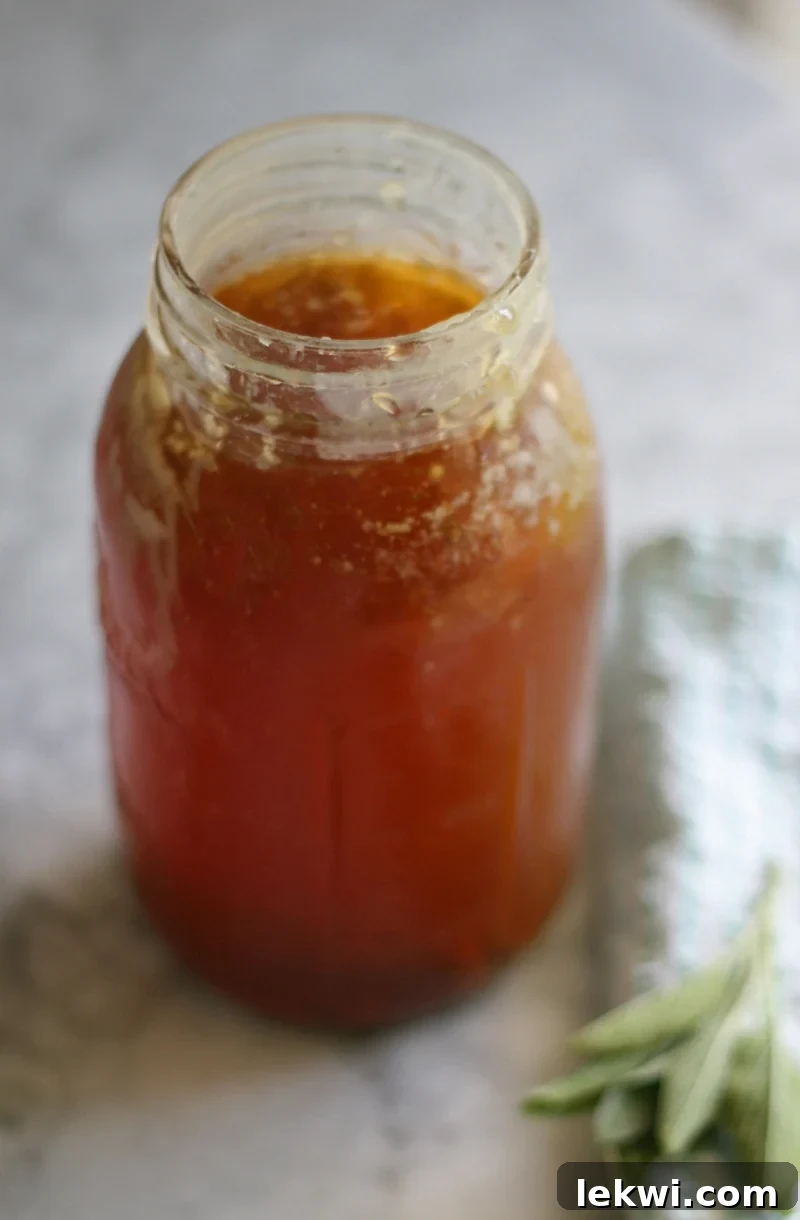
For broth that you intend to use within a few days, storing it in the refrigerator is ideal. Use airtight glass containers, such as wide-mouth mason jars or glass food storage containers. In most cases, refrigerated bone broth is best consumed within 5-7 days to ensure freshness and quality.
Common Bone Broth Conundrums & Solutions
Even seasoned bone broth makers occasionally encounter issues. Here’s how to troubleshoot some common problems:
“My Broth Didn’t Gel!”
It can be disappointing when your chilled broth doesn’t transform into that coveted jello-like consistency. However, even if it doesn’t gel, your broth still contains valuable nutrients! Several factors influence gelling:
- Water-to-Bone Ratio: Too much water can dilute the collagen concentration. For your next batch, try using slightly less water to create a more concentrated broth.
- Type of Bones Used: Collagen is most abundant in joint bones and connective tissues. If your broth didn’t gel, ensure you’re including enough joint bones, chicken feet, oxtail, or knuckles in your recipe.
- Cooking Time: Insufficient simmering time might not allow enough collagen to be extracted. Ensure you’re cooking for the recommended duration (24-36+ hours for beef/lamb, 18-24 hours for chicken).
“My Broth Has a Thick Layer of Fat… What Do I Do with It?”
A thick layer of fat on top of your chilled broth is perfectly normal and actually a good sign! This fat cap helps to preserve the broth. Once chilled, you can easily skim off this solidified fat. Don’t discard it – this nutrient-rich animal fat (often called tallow or schmaltz) is excellent for high-heat cooking and adds incredible flavor to roasted vegetables or other dishes.
If you decide to try this nourishing recipe, please consider leaving a comment with a star rating to share your experience! Your feedback is incredibly valuable to me and fellow wellness enthusiasts.

How to Make Perfect Gut Healing Bone Broth (Recipe)
8-9 cups
20 mins
1 day (24-36 hours)
Michelle
Leave a Review
Ingredients
- 2-3 lbs grass-fed beef soup bones or whole chicken carcass with meat removed
- ½ lb grass-fed beef knuckle or 2-4 chicken feet, toes removed
- 2 cup vegetable scraps, carrot tops, onion pieces, etc.
- 1 tbsp apple cider vinegar
- 3 sage leaves
- 2 bay leaves
- 1 tsp dried thyme
- ½ tsp sea salt
- Filtered water
Instructions
-
If using beef bones (skip this step if using pre-roasted chicken carcass), preheat the oven to 375 F and line a large baking sheet with parchment paper.
-
Add the beef bones to the baking sheet and roast in the oven for 15 minutes. Remove from the oven and let the bones cool.
-
Place the bones in a slow cooker and add the rest of the ingredients. Add enough water to cover the bones with about an inch of water and place the lid on the pot.
-
Set the slow cooker to low and cook for 24 hours for chicken or turkey bones, and 24-36 hours for beef or lamb bones. Skim the broth periodically to remove any impurities from the bones.
-
After the broth is done, strain the bones and veggies and place the broth in a metal or glass bowl. Move the bowl into a larger vessel filled with ice to cool quickly.
-
Store the broth in glass Tupperware, wide mouth mason jars or use a silicone mold to freeze into cubes for later use.
-
Once cooled, skim the fat from the top of the broth and enjoy in soups, or drink by itself.
Notes
Did you Make this Recipe?
Tag @unboundwellness on Instagram and hashtag #unboundwellness!
Ways to Enjoy Your Healing Bone Broth
Once you’ve made your batch of delicious, nutrient-rich bone broth, there are countless ways to incorporate it into your daily routine:
- Simple Sipping: Perhaps the most direct way to reap its benefits is by sipping a warm mug of broth. It’s incredibly soothing, especially during colder months or when you need a gentle digestive aid.
- Soup Base Extraordinaire: Elevate any soup, stew, or chili by using bone broth as your liquid base. Its rich flavor adds depth and a boost of nutrients that water or conventional stock simply cannot provide.
- Flavorful Grain Cooking: Use bone broth instead of water when cooking rice, quinoa, couscous, or any other grain. This simple swap infuses your grains with incredible flavor and additional protein and minerals.
- Sauces and Gravies: Reduce bone broth to create a rich, savory base for pan sauces, gravies, or braising liquids. It adds a gourmet touch and a nutritional punch to your meals.
- Smoothie Addition (Yes, Really!): While it might sound unconventional, a small amount of chilled, unflavored bone broth can be added to savory smoothies. It blends in surprisingly well and boosts the nutritional profile without significantly altering taste.
No matter how you choose to enjoy it, incorporating homemade bone broth into your lifestyle is a delicious and impactful step towards enhanced gut health, improved skin vitality, and overall well-being.
This post was originally published on September 4, 2016, and was updated on May 13, 2019.