Thank you Douglas Laboratories for sponsoring this post. I was selected for this opportunity by Douglas Laboratories and the content and opinions expressed here are all my own.
Proactive Health: Why Healthy Aging Matters at Every Stage of Life
In a society increasingly focused on external appearances and immediate gratification, it’s easy to overlook the profound impact our daily choices have on our future well-being. Growing up, I, like many others, was deeply influenced by the emphasis on physical appearance and body size. My understanding of health was superficial: good food made me look good, bad food made me look bad. The long-term implications of these choices were rarely considered. Even now, in my mid-to-late twenties, I prioritize my health to “feel good now,” a perspective that, while valid, only scratches the surface of what true healthy living entails.
The truth is, our current health habits and lifestyle choices don’t just shape our present state; they lay the very foundation for our health in the decades to come. What we do today, whether consciously or unconsciously, reverberates through our future, impacting our vitality, cognitive function, and overall quality of life as we age. Embracing a proactive approach to health isn’t merely about preventing illness; it’s about optimizing our potential for a vibrant, energetic, and fulfilling life, irrespective of our age.
The Undeniable Link Between Present Choices and Future Health
Many of us, especially in our younger years, tend to view health through the lens of immediate benefits: looking good, feeling energetic, or avoiding acute illnesses. However, this narrow perspective can be misleading. Healthy aging isn’t a concern that magically appears at a certain age; it’s a continuous process that begins the moment we are born. Every decision, from the foods we consume and the amount of physical activity we engage in, to how we manage stress and care for our bodies, contributes to the narrative of our future health. These choices dictate how healthy, capable, and resilient we will be in the coming years, directly influencing our ability to lead independent and joyful lives.
Your health is a lifelong journey, not just a present concern.
My own journey offered a stark and early lesson in this reality. Diagnosed with Hashimoto’s disease in my teens and multiple food allergies in my twenties, I was confronted with the harsh consequences of past health choices. My childhood and early adolescent diet was profoundly nutrient-deficient, severely compromising my gut health. Coupled with the overuse of antibiotics and NSAIDs, this lifestyle weakened my immune system and created fertile ground for chronic conditions to take root. While genetics undoubtedly play a significant role in autoimmune diseases, my dietary and lifestyle habits certainly did not help, underscoring the powerful interplay between predisposition and environment.
When Do the Consequences of Poor Health Choices Become Apparent?
One of the most insidious aspects of unhealthy habits is their delayed impact. It’s often said that it can take up to seven years for the effects of deep mineral deficiencies to manifest outwardly. Similarly, imbalances like adrenal dysfunction or hormonal disruptions can develop gradually, reaching a tipping point seemingly at random. The subtle, cumulative damage often goes unnoticed until we are deeply entrenched in symptoms, making it challenging to trace back to the initial causes. The notion that significant health issues only affect the elderly is a dangerous misconception.
My story serves as a powerful testament to this truth: one doesn’t have to wait until their sixties to face the consequences of poor healthy aging habits. I first grappled with the reality of my choices at a mere 17 years old, and I continue to manage the effects years later. While individuals with autoimmune diseases or other chronic illnesses may have a genetic predisposition, the daily choices we make at any point in our lives profoundly influence the severity and progression of these conditions. Our lifestyle choices can either mitigate genetic risks or exacerbate them, demonstrating our inherent power to shape our health trajectory.
Holistic Strategies for Healthy Aging at Any Age
Adopting a mindset of proactive health means cultivating habits that support long-term well-being, regardless of your current age. Here are key areas to focus on for a vibrant future:
1. Embrace a Whole Food Diet for Optimal Nutrition.
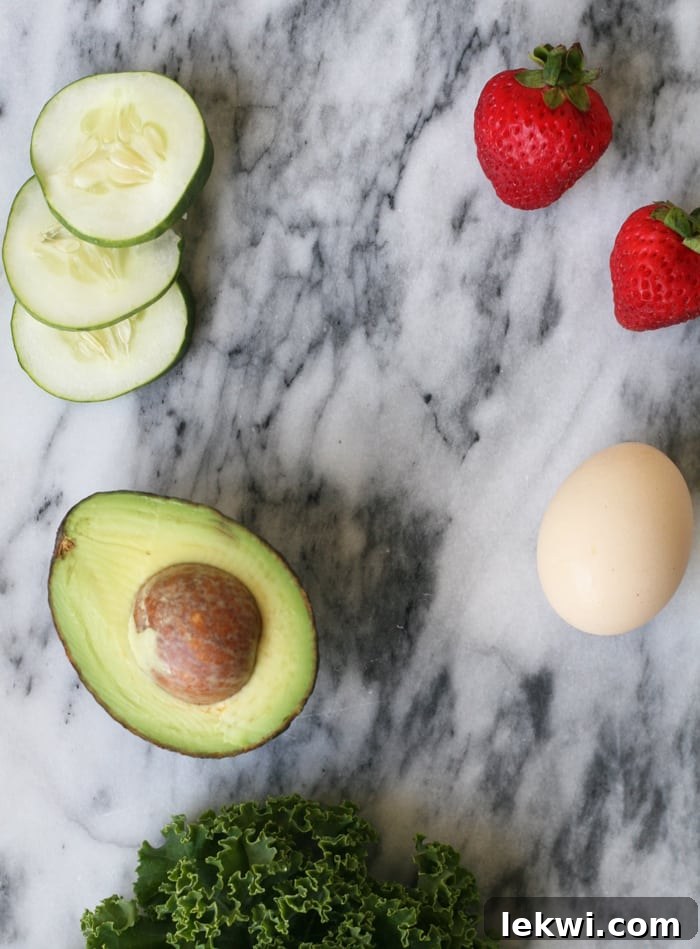
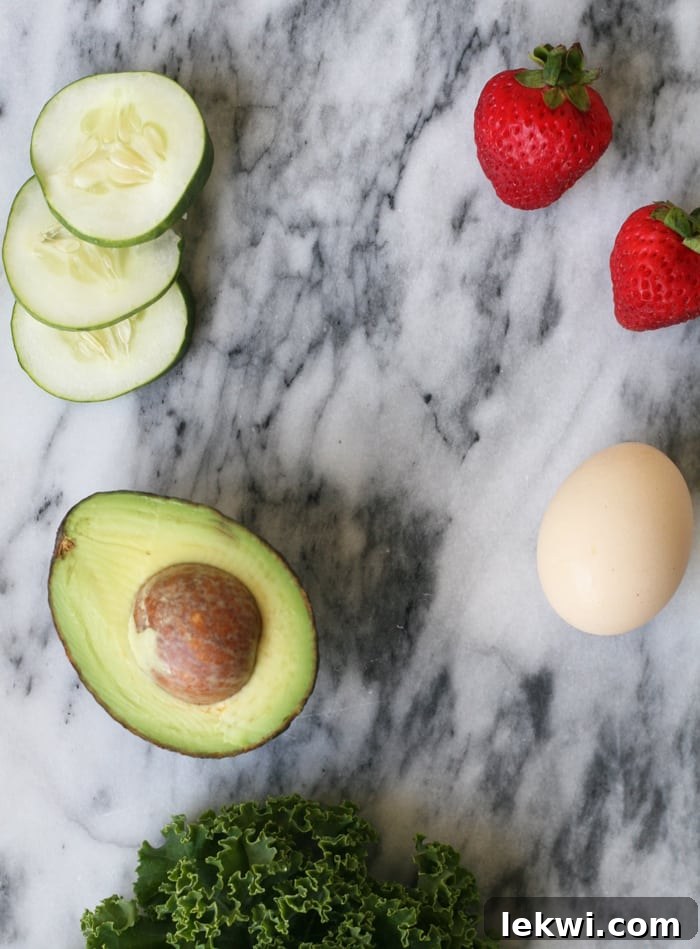
The concept of “eating real food” might seem straightforward, but in today’s food landscape, it’s often complicated by overwhelming noise and conflicting information. Marketing tactics cleverly disguise processed foods as “healthy,” and the internet abounds with contradictory dietary advice. Navigating these complexities to make genuinely healthy choices can be a challenge. My philosophy is simple: get as close to the source as possible and prioritize locally sourced options. This means opting for foods that are minimally processed and retain their natural integrity.
- Prioritize Nutrient-Dense Proteins: Choose pasture-raised poultry and eggs, and grass-fed meats over conventionally raised options. These provide superior nutrient profiles, including higher levels of omega-3 fatty acids and beneficial vitamins.
- Dairy with Purpose: If you consume dairy, seek out grass-fed and, when accessible, raw dairy products. These are often richer in beneficial enzymes and probiotics compared to their organic, pasteurized counterparts.
- Harvest from the Source: Supplement your grocery store hauls by visiting local farmers’ markets or joining a CSA (Community Supported Agriculture) co-op. This ensures access to fresh, seasonal produce, often harvested at its peak nutritional value.
- Embrace Healthy Fats: Don’t shy away from natural, wholesome fats like animal fat, egg yolks, coconut oil, grass-fed butter, or ghee. These are crucial for hormone production, brain health, nutrient absorption, and provide sustained energy.
- Cook at Home: Make home cooking your primary mode of food preparation. This gives you complete control over ingredients and minimizes exposure to unhealthy additives found in convenience foods, which should be reserved for the rarest of occasions.
- Consider Therapeutic Protocols: For specific health concerns, exploring healing protocols like Paleo or Autoimmune Paleo (AIP) can be transformative. These elimination diets focus on reducing inflammation and restoring gut health, crucial steps for managing chronic conditions and promoting long-term wellness.
2. Integrate Daily Movement into Your Lifestyle.
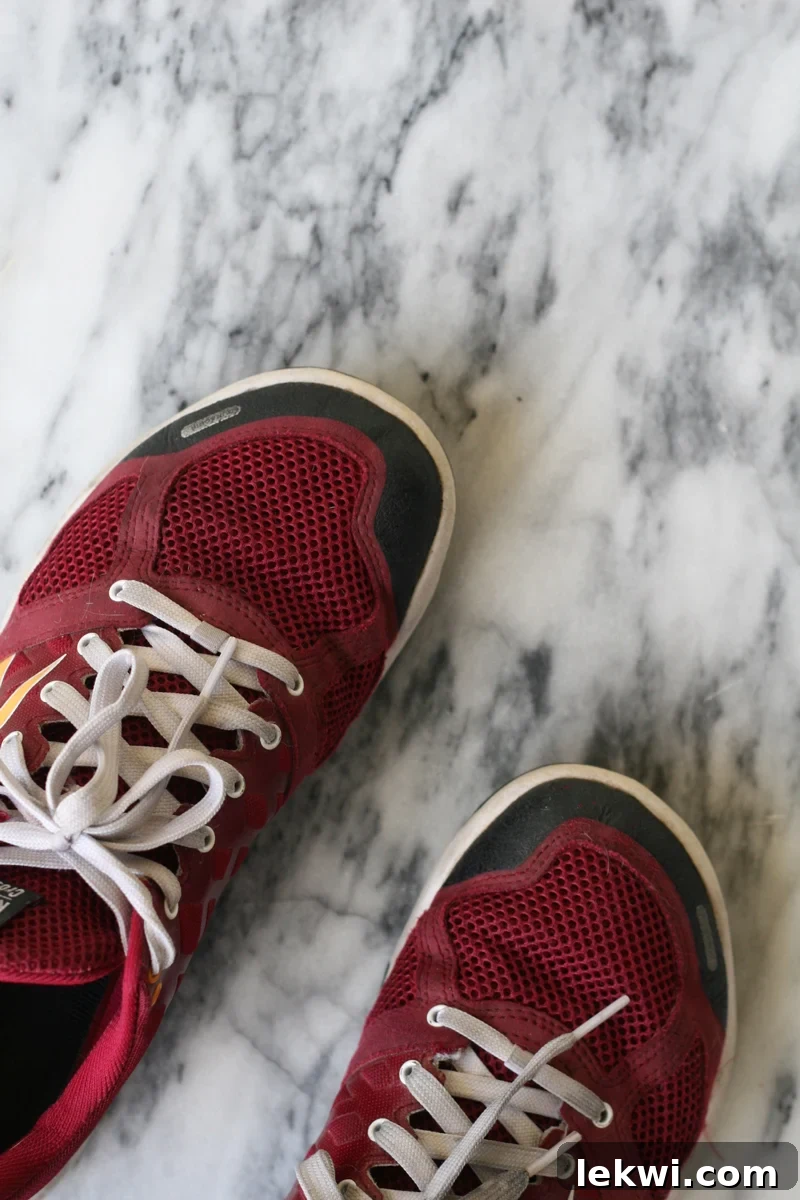
The human body is an incredible machine designed for movement and activity. Our ancestors were constantly active, a stark contrast to modern life where many of us are tethered to desks and cars. As a fellow “desk jockey,” I understand the struggle of finding time for exercise. The demands of a full-time job, family responsibilities, and countless other commitments can make fitting in a traditional gym workout feel impossible. The thought of driving to the gym, an hour-long workout, cleanup, commute home, and then preparing a healthy dinner can be daunting.
However, daily movement doesn’t have to be a complicated, time-consuming ordeal. It’s about integrating physical activity into your existing routine in ways that are sustainable and enjoyable. While I once had the luxury of an hour-long gym session 4-5 times a week in college, I’ve since adapted my routine to fit my evolving schedule. The key is consistency, even in small increments. The benefits of regular movement extend far beyond physical appearance, boosting mood, energy levels, cognitive function, and cardiovascular health.
Here are some practical ways to incorporate daily movement:
- Midday Walks: Dedicate 20-30 minutes of your lunch break to a brisk walk. This not only adds physical activity but also provides a mental reset.
- Short Home Workouts: Utilize online resources like YouTube for quick Tabata, HIIT, or yoga videos. Even 10-20 minutes of movement can make a significant difference.
- Family Activity Time: Transform evening walks with family or a spouse into an hour-long session. It’s a fantastic way to combine exercise with quality bonding time.
- Structured Home Programs: Follow homeworkout plans or 30-day guides. These often require minimal equipment and can be done at your convenience.
- Active Socializing: Suggest hikes or outdoor activities instead of restaurant visits when meeting friends or your partner. My husband and I do this, and it’s a refreshing way to connect and stay active.
3. Acknowledge and Manage the Detrimental Effects of Stress.
Reflecting on my teen and college years, the sheer volume of stress—juggling jobs, classes, studying, extracurriculars, and a social life—was immense. Even elementary and middle school can be surprisingly stressful for young minds. There’s a societal expectation that we can inherently handle this stress when we’re younger, but I firmly believe this view is flawed. Chronic, unmanaged stress, regardless of age, has a profound and damaging impact on our physiological systems.
Chronic cortisol, a direct result of sustained stress at any age, leads to severe long-term hormonal imbalances. These imbalances can manifest in a myriad of symptoms, including weight gain (particularly around the midsection), hair loss, irregular menstrual cycles, and even infertility. Beyond these physical symptoms, chronic stress depletes energy, impairs cognitive function, weakens the immune system, and can exacerbate inflammatory conditions throughout the body.
While we all process and cope with stress differently, and our individual limits vary, it’s crucial to recognize that stress is far more than a temporary inconvenience. Its effects accumulate, leaving a lasting imprint on our health. I encourage my clients, especially those navigating particularly stressful periods due to work, academics, or family struggles, to thoughtfully consider the following questions:
- “What is one source of extra stress in your life that you genuinely have the power to change or mitigate? This could be something as simple as asking your partner for help with household chores, learning to say ‘no’ to non-essential commitments, or delegating tasks.”
- “Where can you carve out just one hour a week, or even a few minutes each day, purely for yourself? What activity would bring you peace and replenishment during that time? Would you read, engage in gentle exercise, meditate, pray, or simply sit in quiet solitude and do absolutely nothing?”
No amount of de-stressing is too small. Embrace any opportunity you have to step back, breathe, and nurture your mental and emotional well-being. Prioritizing stress reduction is a fundamental pillar of healthy aging and a powerful investment in your future self.
4. Cultivate Mindful Care for Your Hair, Skin, and Nails.
Even in my mid-twenties, I’m already observing the subtle repercussions of not diligently caring for my skin and nails in my younger years. I often regret not addressing acne scarring more effectively earlier on. However, this doesn’t imply resorting to harsh chemical treatments; rather, it emphasizes the importance of a mindful, natural approach to beauty and self-care. Our hair, skin, and nails are often outward indicators of our internal health, reflecting nutrient deficiencies, hormonal imbalances, and overall vitality.
So, how can you nurture your hair, skin, and nails with mindfulness and promote their long-term health?
- Minimize Nail Polish Use: Nail polish, while aesthetically pleasing, can be incredibly damaging to your nails due to its chemical composition. Give your nails regular breaks to breathe and recover their natural strength.
- Thoughtful Hair Dyeing: If you choose to dye your hair, conduct thorough research into less toxic options. Opt for professional treatments and extend the time between applications to minimize exposure to harsh chemicals. Consider plant-based dyes or balayage techniques that require less frequent touch-ups.
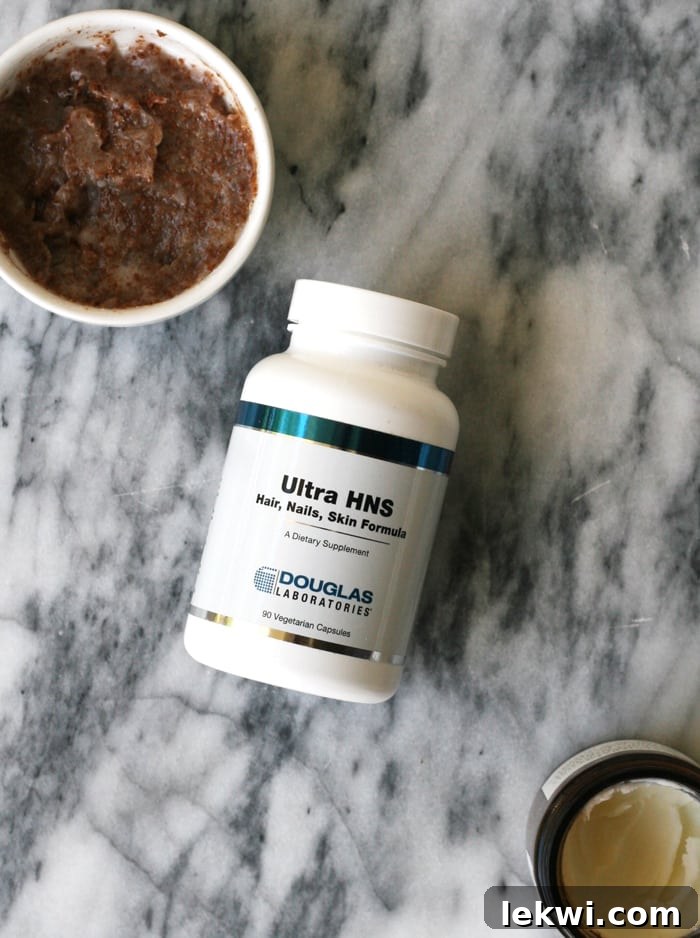
- Natural Makeup Removal: Always remove makeup before bed using a gentle, natural remover. I personally love a 50/50 mix of vanilla coconut oil and coconut sugar. This concoction effectively removes makeup while also acting as a natural exfoliator—it’s so pure, you could literally eat it! (pictured below)
- Embrace Natural Skincare: Opt for skincare products free of synthetic dyes, fragrances, and harsh chemicals. Natural ingredients like tallow balm (also pictured below) can deeply nourish the skin, promoting elasticity and a healthy glow without introducing toxins.
- Strategic Supplementation: When appropriate and under the guidance of a healthcare professional, consider targeted supplementation. Even with an optimal whole-food diet, depleted soil quality and individual needs can make it challenging to obtain every essential nutrient from food alone. I’ve personally struggled with weak nails throughout my life, despite eating plenty of vegetables and consuming bone broth. Biotin, zinc, and other specific minerals can provide an extra boost. I’ve had success incorporating supplements like Ultra HSN from Douglas Laboratories into my routine to support hair, skin, and nail health. Always consult with a doctor to determine what supplements are right for you, as I am not a medical professional.
Embrace Your Wellness Journey Today
The overarching message is clear: do not postpone the adoption of healthy lifestyle routines that profoundly influence healthy aging. Whether you are 16, 30, or 60, every single day presents a valuable opportunity to make a positive and lasting impact on your future health. We are constantly aging, and the choices we make today are the building blocks of our tomorrow. By proactively nurturing our bodies and minds through conscious eating, regular movement, effective stress management, and mindful self-care, we invest in a future filled with vitality, resilience, and a profound sense of well-being. Start your journey towards optimal health today – your future self will undoubtedly thank you.
These statements have not been evaluated by the Food and Drug Administration. These products are not intended to diagnose, treat, cure, or prevent any disease.