This post contains affiliate links.
Savor the Flavor: The Ultimate Gluten-Free Pad Thai Recipe for Healthy Living
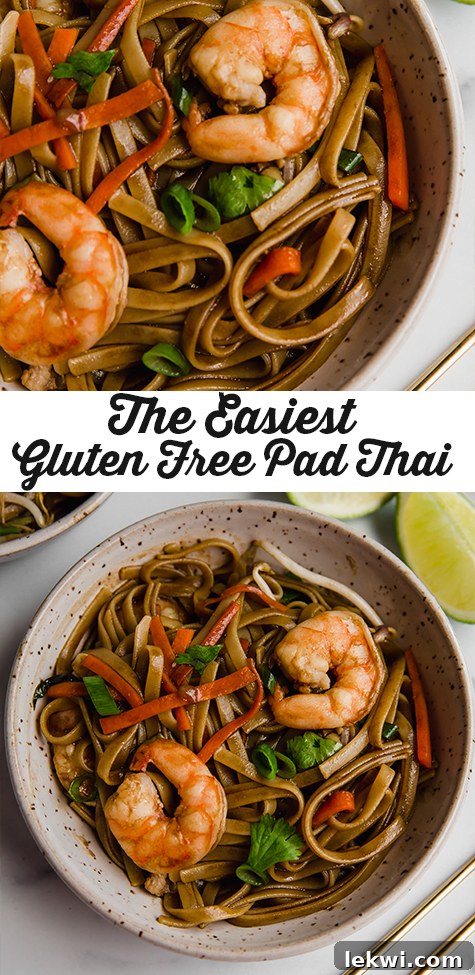
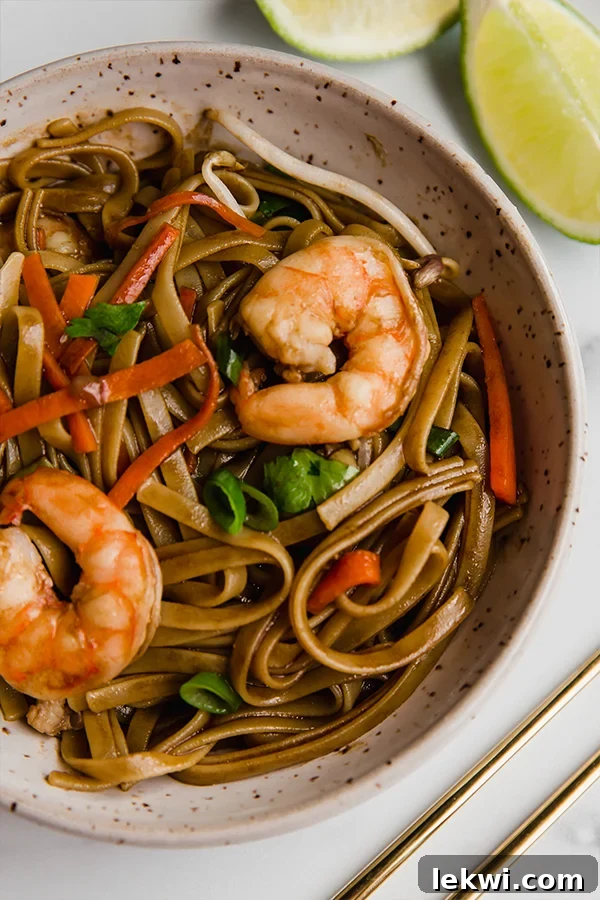
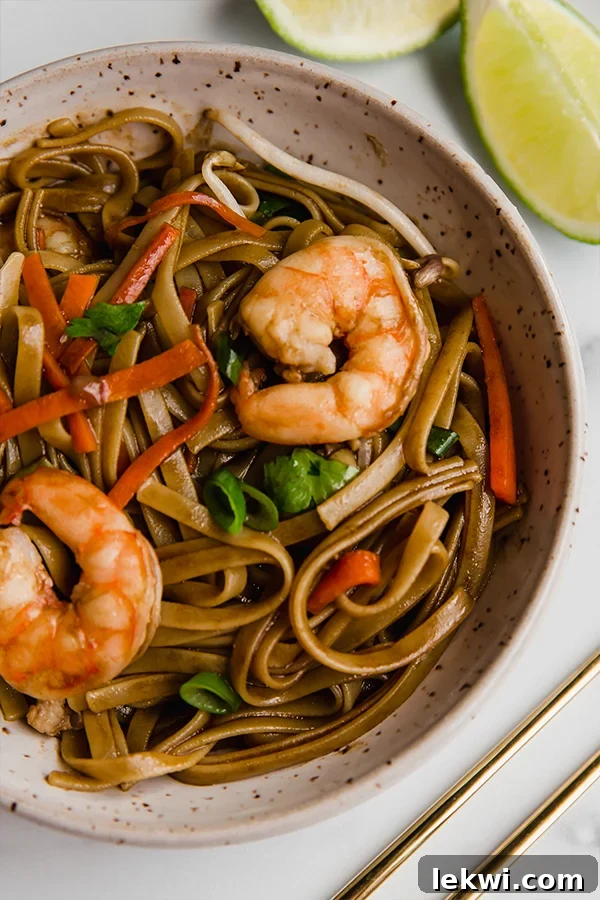
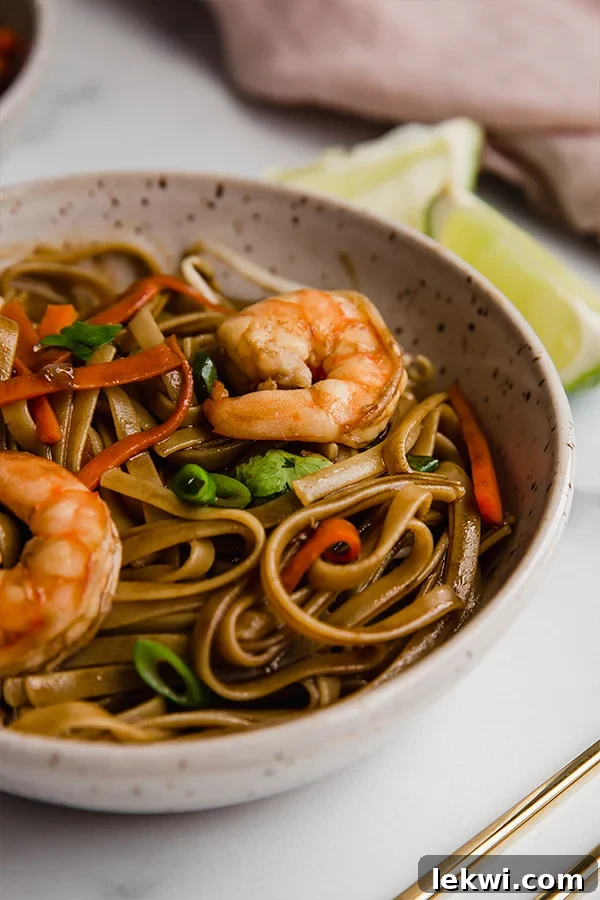
Are you craving the vibrant, complex flavors of authentic Pad Thai but navigating dietary restrictions? You’ve landed in the perfect spot! This comprehensive guide offers a truly delicious, remarkably healthy, and entirely gluten-free Pad Thai recipe that absolutely refuses to compromise on taste. Imagine tender, succulent shrimp, crisp bean sprouts, and a medley of nourishing, vibrant vegetables, all generously coated in a classic, perfectly balanced, and naturally sweetened sauce. This dish isn’t just a meal; it’s a culinary triumph for anyone seeking a wholesome and health-conscious twist on their cherished Thai takeout.
What makes this recipe truly special is its adaptability. It’s meticulously crafted to be both gluten-free and soy-free, making it a fantastic choice for those with common sensitivities. Furthermore, with just a few simple modifications, this recipe can effortlessly fit into strict dietary frameworks such as Paleo and the Autoimmune Protocol (AIP). Whether you’re managing specific food intolerances, embracing a cleaner eating lifestyle, or simply yearning for an incredibly flavorful and satisfying meal, this homemade Pad Thai promises to deliver an unforgettable experience. Say goodbye to the common pitfalls of traditional takeout versions—refined sugars, processed oils, and prevalent allergens—and say hello to a dish that prioritizes your well-being without sacrificing the rich, tangy, and savory notes that make Pad Thai so universally irresistible.
What is Pad Thai? A Journey into Thailand’s Signature Dish
Pad Thai is far more than just a stir-fried noodle dish; it’s a culinary emblem of Thailand, celebrated globally for its harmonious blend of sweet, sour, salty, and often spicy flavors. This iconic dish is a cornerstone of Thai street food culture and a perpetual favorite on Thai restaurant menus worldwide. Traditionally, Pad Thai features stir-fried rice noodles, typically wide and flat, tossed with a protein such of shrimp, chicken, beef, or tofu. It’s complemented by crunchy bean sprouts, a vibrant assortment of fresh vegetables, scrambled eggs, and frequently, crushed peanuts or cashews for added texture and nutty richness. Garnishes like fresh lime wedges and cilantro are also staples, providing a burst of freshness.
For many, including myself during my college years, takeout Pad Thai was a comforting, exotic escape—a culinary adventure on a busy weeknight. However, as I transitioned to a diet focused on whole, real foods and supporting my healing journey, I quickly recognized that while incredibly delicious, many conventional takeout Pad Thai recipes contained ingredients like gluten, soy, refined sugars, and inflammatory oils. These ingredients, regrettably, did not align with my health goals, leaving a significant void for this beloved comfort food.
This realization ignited a passion to recreate that quintessential takeout flavor but with a nourishing, health-conscious approach. The result is this extraordinary, wholesome Pad Thai—completely free from gluten, soy, refined oils, and artificial sugars. It can even be made entirely nut-free with minor adjustments. This recipe stands as a testament to the belief that you absolutely do not have to compromise on exquisite flavor to achieve optimal health. Every forkful offers that perfect, intricate balance of sweet, savory, and tangy notes, beautifully complemented by succulent protein, crisp-tender vegetables, and wholesome noodles. And with its easy modifications, it proudly accommodates strict dietary protocols like Paleo and AIP, ensuring everyone can enjoy this classic Thai delight.
The Art of Gluten-Free Pad Thai: Essential Ingredients Unpacked
Crafting a truly exceptional gluten-free Pad Thai begins with a thoughtful selection of high-quality ingredients. Each component is vital, playing a specific role in building the dish’s signature complex flavor profile and delightful texture. Here’s a detailed breakdown of what you’ll need to create this culinary masterpiece:
For the Irresistible Pad Thai Sauce: The Heart of the Dish
The sauce is, without a doubt, the soul of any Pad Thai. Our version is a perfectly balanced symphony of flavors, meticulously designed to tantalize your taste buds while keeping it clean and nourishing. Its careful construction ensures authentic taste without unwanted additives.
- Coconut Sugar: This natural, unrefined sweetener offers a delightful caramel-like depth, serving as an excellent and healthier alternative to processed white sugars.
- Coconut Aminos: An indispensable, fantastic soy-free alternative to traditional soy sauce. It provides a rich, savory umami flavor that is fundamental to the dish.
- Fish Sauce: Absolutely essential for achieving that characteristic salty, savory, and subtly pungent umami kick. Do not skip this ingredient; it is crucial for developing the genuine, deep Pad Thai flavor. High-quality fish sauce makes a noticeable difference.
- Tamarind Paste: This is the secret ingredient responsible for Pad Thai’s signature tangy and subtly fruity sourness. It imparts a complex, bright, and authentic taste that cannot be replicated by other acids.
- Apple Cider Vinegar: Introduces another layer of sharp acidity, effectively brightening the overall taste and perfectly balancing the sweetness from the coconut sugar and the savory depth of the other sauce components.
For the Heart of the Pad Thai Stir-Fry: Freshness and Flavor
Beyond the magnificent sauce, the main components bring essential texture, vital nutrition, and satisfying substance to this delightful meal. Each ingredient contributes to the overall experience.
- Gluten-Free Pad Thai Noodles: These form the beloved foundation of our dish. We highly recommend using high-quality brown rice noodles for their excellent chewy texture and their impressive ability to absorb all the wonderful flavors of the sauce. For those adhering to a Paleo or AIP diet, spiralized zucchini noodles are an outstanding and healthy alternative—please refer to our specific notes for guidance on preparation.
(Consider these Lotus Foods Organic Brown Pad Thai Rice Noodles for a great option.)
- Avocado Oil: With its high smoke point and remarkably neutral flavor, avocado oil is the ideal choice for stir-frying at medium-high heat, ensuring your ingredients cook beautifully without imparting unwanted flavors.
- Aromatics (Onion, Garlic, Ginger): This powerful trio forms the aromatic cornerstone of the dish, infusing the entire Pad Thai with deep, fragrant, and warming flavors. Diced fresh onion, finely minced garlic, and freshly grated ginger are indispensable for building that authentic Thai taste foundation.
- Carrot: Adds a delightful touch of natural sweetness, a pop of vibrant color, and a wonderfully satisfying crunch when thinly julienned.
- Baby Bok Choy: A superb selection for a leafy green vegetable. It wilts perfectly in the stir-fry, contributing a mild, slightly peppery flavor and a tender, appealing texture. Don’t hesitate to explore other compatible leafy greens like fresh spinach or napa cabbage if bok choy isn’t available.
- Shrimp: Our protein of choice for this recipe, offering a quick-cooking, succulent addition that perfectly complements the other flavors. For maximum convenience, you can purchase shrimp already peeled and deveined, or prepare them yourself. This recipe is also incredibly versatile, allowing for substitutions with chicken, beef, or even tofu (if soy is tolerated in your diet).
- Salt & Pepper: Simple yet effective seasonings used to elevate and enhance the natural flavors of all the individual ingredients. A quick reminder: for those following the AIP diet, please remember to omit black pepper.
- Bean Sprouts: These delicate, refreshing, and wonderfully crunchy sprouts are a classic and beloved component in traditional Pad Thai, adding a burst of freshness and essential texture. However, they should be omitted if you are strictly following the Autoimmune Protocol (AIP).
- Green Onion & Cilantro: Freshly chopped green onions and vibrant cilantro are the perfect fresh herbs for garnish. They provide a bright, herbaceous, and aromatic finish that not only elevates the dish’s aroma but also significantly enhances its visual appeal.
Pro Tip for Stir-Frying Success: Mise en Place! Preparing all your ingredients—chopping, measuring, and having everything ready to go before you even turn on the stove—is absolutely crucial for stir-fries like Pad Thai. This dish cooks rapidly, and having everything prepped will ensure a seamless, stress-free, and ultimately successful cooking process, preventing any last-minute scrambling.
Mastering Gluten-Free Pad Thai: A Detailed Step-by-Step Guide
Creating this healthy, incredibly flavorful, and perfectly balanced Pad Thai at home is much simpler and more enjoyable than you might imagine. By following these clear, concise steps, you’ll achieve a restaurant-quality meal that not only tastes amazing but also perfectly caters to your specific dietary requirements and preferences.
- Craft Your Signature Sauce: Begin by combining all the sauce ingredients—coconut sugar, coconut aminos, fish sauce, tamarind paste, and apple cider vinegar—in a small mixing bowl. Whisk them together thoroughly until all ingredients are well incorporated and the sugar has dissolved. Set this potent and flavorful mixture aside. Remember, this sauce is designed to be rich and concentrated, so a little will go a long way in infusing your noodles and proteins with incredible, authentic taste.
- Prepare the Gluten-Free Noodles: Fill a medium-sized pot about two-thirds of the way with water and bring it to a vigorous rolling boil. To maximize efficiency, you can use this time to start prepping some of the other Pad Thai components while the water heats up. Once the water is boiling, add your chosen gluten-free rice noodles and cook them precisely according to the package instructions, typically until they reach an al dente texture. It’s crucial not to overcook the noodles, as they can become mushy. Promptly drain the cooked noodles thoroughly and toss them lightly with a small amount of avocado oil. This essential step prevents them from sticking together. Set them aside until ready to combine.
- Sauté the Vegetables and Aromatics: Heat the avocado oil in a large skillet or, ideally, a wok, over medium-high heat until shimmering. Add the diced onion, minced garlic, and freshly grated ginger. Sauté these aromatics for 4-5 minutes, stirring frequently, until the onion becomes lightly translucent and the entire kitchen fills with a delightful fragrance. Next, incorporate the thinly julienned carrots and the chopped baby bok choy into the pan. Continue to sauté for an additional 3-4 minutes, or until the bok choy has wilted and the carrots are tender-crisp. Season the vegetables lightly with salt and pepper to taste (remembering to omit black pepper if you are following the AIP diet). Once cooked, carefully transfer the sautéed vegetables to a separate bowl and set them aside.
- Cook the Shrimp to Perfection: Using the very same pan, add a little more avocado oil if needed to ensure proper cooking. Arrange the peeled and deveined shrimp in a single layer in the hot pan. Cook for approximately 2-3 minutes on each side, seasoning lightly with salt and pepper, until the shrimp turn opaque pink and are thoroughly cooked through. Exercise caution not to overcook the shrimp, as it can quickly become tough and rubbery.
- Combine and Infuse with Sauce: Reduce the heat under the pan to low. Return the previously cooked vegetables to the pan, joining the perfectly cooked shrimp. Add the prepared gluten-free noodles, and then pour the entire Pad Thai sauce generously over all the ingredients in the pan. Gently but thoroughly stir and toss all the components together for 1-2 minutes. The goal is to ensure that all the noodles, vegetables, and shrimp are uniformly and beautifully coated with the rich, flavorful sauce. This critical step allows all the incredible flavors to meld together perfectly. Immediately remove the pan from the heat once everything is coated.
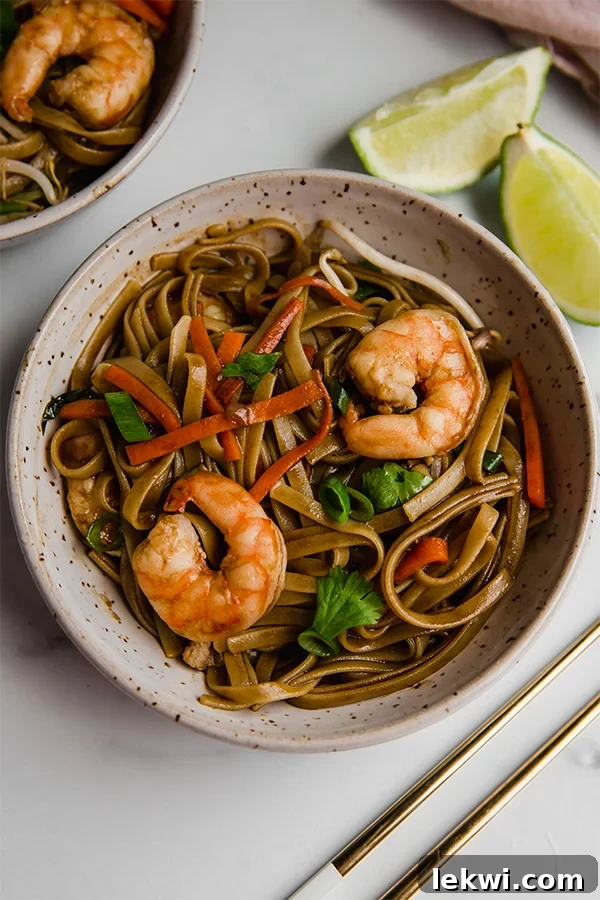
- Garnish and Serve Immediately: As the final touch, stir in the fresh bean sprouts (if you are including them), along with the chopped green onion and vibrant cilantro. Give everything one last gentle toss to combine. Serve your freshly made Gluten-Free Pad Thai piping hot, perhaps accompanied by extra lime wedges on the side. A squeeze of fresh lime juice just before eating adds an invigorating burst of freshness and brightens the entire dish.
Customizing Your Healthy Pad Thai: Versatile Dietary Adaptations
One of the most remarkable advantages of this Pad Thai recipe is its inherent versatility. It allows you to effortlessly adjust the ingredients and preparation methods to suit a variety of dietary needs and preferences, all without compromising on the incredible flavor you expect from this classic dish.
Making it AIP (Autoimmune Protocol) and Paleo Compliant
For those strictly adhering to Paleo or the Autoimmune Protocol, simple yet effective substitutions ensure this dish remains compliant and delicious:
- Noodle Swap for Grains: To make this recipe suitable for both Paleo and AIP diets, substitute the rice noodles entirely with fresh zucchini noodles. You can easily spiralize or thinly slice zucchini into noodle shapes. Sauté these zucchini noodles briefly in a separate pan until they are tender-crisp, then incorporate them into the main dish during step 5. Approximately 10 ounces of cooked zucchini noodles will work perfectly. As another excellent Paleo-friendly alternative, consider using sweet potato noodles.
- Bean Sprouts for AIP: If you are strictly following the Autoimmune Protocol (AIP), it is essential to omit the bean sprouts. While they contribute a delightful crunch and freshness, bean sprouts are typically excluded during the elimination phase of the AIP diet.
- Black Pepper Restriction for AIP: For AIP compliance, remember to entirely omit black pepper from all seasonings throughout the recipe. Use only salt to taste.
Can I make this Pad Thai without shrimp?
Absolutely! This recipe is incredibly flexible when it comes to your choice of protein. While shrimp offers a wonderfully quick-cooking and delicious option, you can very easily substitute it with a range of other proteins to suit your taste or what you have on hand:
- Chicken: Diced chicken breast or chicken thigh works exceptionally well. Cook it until it’s golden brown and thoroughly cooked through before proceeding to add the vegetables to the pan.
- Beef: Thinly sliced beef (such as sirloin, flank steak, or even tenderloin) can be quickly stir-fried to tender perfection, offering a rich flavor.
- Tofu (if tolerated): For a satisfying vegetarian option (and provided soy is not a dietary concern), firm or extra-firm tofu, thoroughly pressed to remove excess water, cubed, and then pan-fried until golden and crispy, makes a fantastic addition.
- Eggs: In many traditional Pad Thai recipes, scrambled egg is often incorporated at the end. You can whisk a couple of eggs and quickly scramble them in the pan after the vegetables are cooked, then break them into smaller pieces and mix them in with the other ingredients before adding the sauce.
Regardless of your chosen protein, always ensure it is fully cooked through to a safe internal temperature before combining it with the noodles and sauce.
Expert Tips for Achieving the Best Gluten-Free Pad Thai Every Time
To ensure your homemade Gluten-Free Pad Thai is consistently delicious and rivals your favorite takeout, keep these expert tips in mind:
- Master the Mise en Place: This French culinary term means “everything in its place.” For stir-fries, this is absolutely crucial. Have all your ingredients—chopped, measured, and ready to go—before you even turn on the heat. The cooking process is incredibly fast, and you won’t have time to prepare ingredients once the pan is hot and cooking begins.
- Avoid Overcrowding the Pan: This is a common mistake that can lead to steamed, rather than properly stir-fried, ingredients. If you’re using a standard skillet instead of a large wok, or if you’re making a larger batch, cook your vegetables and shrimp in separate batches. This ensures everything gets a nice sear and maintains a good texture.
- Achieve Perfect Noodle Texture: Cook your rice noodles until they are just al dente—still firm to the bite, but cooked through. Remember, they will continue to cook slightly when tossed with the hot sauce and other ingredients in the pan. Overcooked noodles can become a mushy disappointment.
- Balance the Flavors to Your Liking: Pad Thai is renowned for its delicate balance of sweet, sour, and savory. Before adding the sauce to the pan, taste it and adjust as needed. You might want a little more tamarind for tang, a bit more coconut sugar for sweetness, or an extra splash of fish sauce for heightened umami depth. Don’t be afraid to trust your palate.
- Serve Immediately for Peak Freshness: For the absolute best taste, texture, and overall experience, Pad Thai is truly best enjoyed fresh off the stove. The noodles, vegetables, and protein are at their prime when hot and vibrant.
- Consider a Wok: While a large skillet works well, a traditional wok is designed for stir-frying. Its sloped sides allow for quick cooking and easy tossing, providing a more even heat distribution and authentic stir-fry experience.
Frequently Asked Questions About Gluten-Free Pad Thai
What kind of gluten-free noodles are best for Pad Thai?
Brown rice noodles are an excellent and popular choice for gluten-free Pad Thai, offering a satisfying chewy texture and absorbing flavors beautifully. For those following Paleo or AIP diets, zucchini noodles are a fantastic and delicious low-carb alternative.
Can I make this recipe vegetarian or vegan?
Yes, absolutely! To make it vegetarian, you can easily substitute the shrimp with pan-fried tofu, or add extra vegetables and scrambled eggs (if eggs are part of your diet). For a completely vegan version, use tofu as your protein, omit the fish sauce (replacing it with additional coconut aminos and perhaps a pinch of seaweed flakes for umami depth), and ensure that your chosen gluten-free noodles are egg-free (most plain rice noodles are inherently vegan).
How do I store leftover Pad Thai?
Any leftover Pad Thai can be stored in an airtight container in the refrigerator for up to 3 days. When reheating, gently warm it in a skillet over medium heat. If the noodles appear a bit dry, add a small splash of water or broth to help rehydrate them and keep them from sticking, stirring until warmed through.
Is this Pad Thai spicy?
This particular recipe focuses on achieving the core sweet, sour, and savory flavor profile of traditional Pad Thai and is not inherently spicy. However, you can very easily customize the heat level to your personal preference. Add a pinch of red chili flakes, a dash of sriracha, or a dollop of your favorite chili garlic sauce to your individual serving for an extra kick.
Other Asian-Inspired Dishes You’ll Absolutely Love
If you thoroughly enjoyed this healthy and flavorful twist on Pad Thai, we’re confident you’ll adore exploring more of our delicious and wholesome Asian-inspired recipes:
- Healthy Hibachi Noodles
- Flavorful Japchae | Korean Sweet Potato Noodle Stir Fry
- Easy Beef and Broccoli Lo Mein
- Quick Chicken and Ramen Stir Fry
Gluten-Free Pad Thai Recipe
Yield: 4 servings
Prep Time: 10 mins
Cook Time: 20 mins
Author: Michelle
This gluten-free Pad Thai is made with GF pad thai noodles, crunchy bean sprouts, nourishing vegetables, shrimp and a classic sauce. It’s gluten and soy-free and can be modified to be paleo and AIP if desired.
Leave a Review
Pin Recipe
Ingredients
For the Sauce
- 2 tbsp coconut sugar
- 2 tbsp coconut aminos
- 1 tbsp fish sauce
- 2 tbsp tamarind paste
- 1 tsp apple cider vinegar
For the Pad Thai
- 8 oz gluten-free Pad Thai Noodles (see notes for paleo/AIP options)
- 2 tbsp avocado oil
- ½ onion, diced
- 3 cloves garlic, minced
- 1 thumb ginger, grated
- 1 carrot, thinly julienned
- 1 head baby bok choy, chopped
- 8 oz shrimp, peeled and deveined
- Salt and pepper to taste (omit pepper for AIP)
- ½ cup bean sprouts (omit for AIP)
- 2 tbsp green onion, chopped
- 1 tbsp cilantro, chopped
Instructions
- Combine all of the ingredients for the sauce and set aside.
- To prepare the noodles, fill a medium pot two-thirds of the way with water. Bring to a boil (prepare the rest of the Pad Thai while waiting for the water to boil). Add the noodles and cook as directed. Strain and add a bit of oil to prevent sticking. Set aside.
- Using a large pan, heat the oil over medium heat and saute the onion, garlic and ginger for 4-5 minutes or until the onion is lightly translucent. Add the carrots and bok choy and saute for another 3-4 minutes or until the bok choy is wilted and the carrots are soft. Add salt and pepper to taste. Set the vegetables aside.
- Using the same pan, add more oil if needed and add the shrimp to the pan. Cook for 2-3 minutes on each side, seasoning with salt and pepper until the shrimp are pink and cooked through.
- Reduce the heat to low and add the vegetables, cooked noodles and sauce to the pan with the shrimp. Stir for 1-2 minutes to fully coat the Pad Thai with the sauce. Remove from heat.
- Add the beans sprouts, green onion, cilantro, and serve!
Notes
For paleo/AIP use 10 oz of cooked zucchini noodles instead of rice noodles and omit the bean sprouts. Omit black pepper for AIP.
All nutritional information are estimations and will vary. Estimations do not include optional ingredients.
Nutrition Information (Estimated Per Serving)
- Serving: 1 serving
- Calories: 394 kcal
- Carbohydrates: 59.5g
- Protein: 20.5g
- Fat: 8.4g
- Fiber: 3.8g
All nutrition facts are estimated and will vary.
Did you Make this Recipe? Tag @unboundwellness on Instagram and hashtag #unboundwellness!