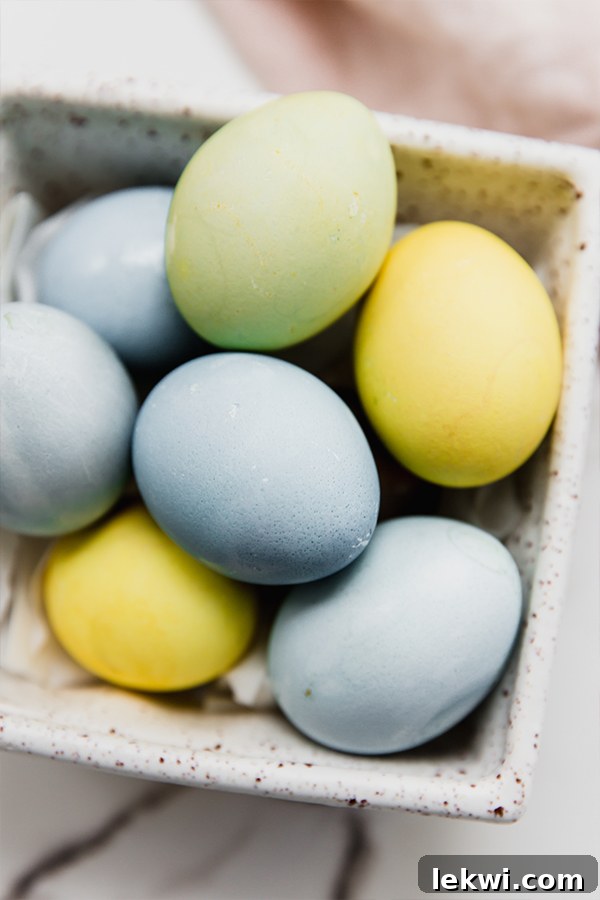
Easter is a time for joy, renewal, and vibrant colors, and few traditions capture this spirit better than decorating Easter eggs. While artificial food colorings have long been the go-to for creating dazzling designs, there’s a growing movement towards more natural, eco-friendly, and surprisingly simple methods. This comprehensive guide will show you the easiest and most rewarding way to make naturally dyed Easter eggs using common kitchen ingredients like red cabbage and turmeric. You’ll not only achieve stunning, unique hues but also enjoy a safer, more sustainable crafting experience perfect for the whole family.
Get ready to transform your ordinary eggs into a breathtaking palette of blues, yellows, and greens, all from the comfort of your kitchen. All you truly need are a few basic pantry staples – red cabbage, ground turmeric, water, vinegar, and, of course, a batch of beautifully hard-boiled eggs – to embark on this delightful journey of natural dyeing.
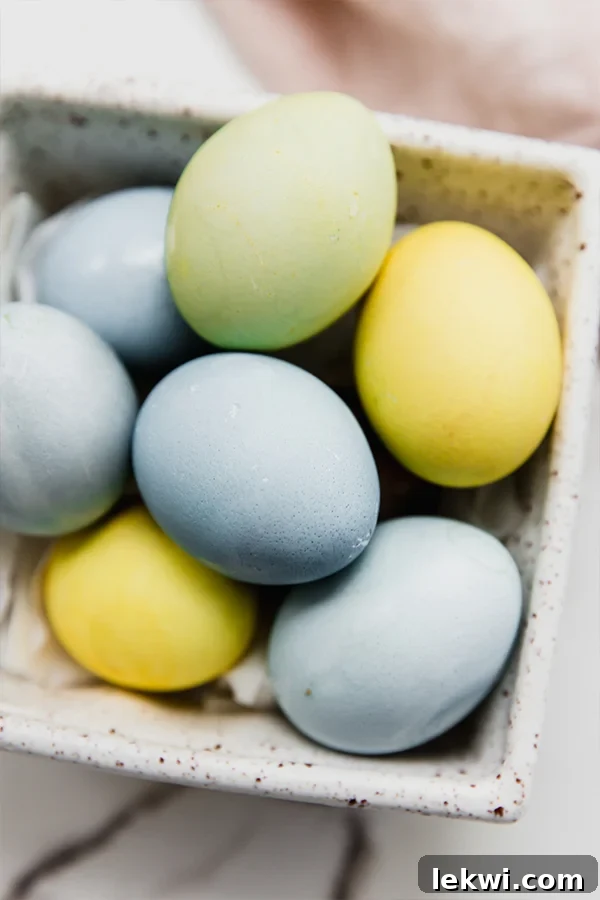
Why Choose Natural Dyes for Your Easter Eggs? An Eco-Friendly & Health-Conscious Alternative
For generations, dyeing Easter eggs with artificial food coloring has been a cherished childhood memory for many. However, as awareness grows about the ingredients in our food and crafts, more families are seeking healthier and more sustainable alternatives. Making the switch to natural Easter egg dyes offers numerous compelling benefits that make it an increasingly popular choice.
Safety and Wellness: A Gentle Choice for Sensitive Hands
- Kid-Friendly and Allergen-Aware: Many children, and even adults, can exhibit sensitivities or allergic reactions to the synthetic dyes found in traditional food coloring. These artificial additives have been linked to various health concerns, including hyperactivity in some children. Opting for natural dyes eliminates these worries, providing a safe and enjoyable activity for everyone, particularly those with dietary restrictions or sensitivities. It allows young children to participate without concern if they accidentally put their hands in their mouths.
- Non-Toxic Ingredients: When you dye eggs naturally, you’re using ingredients that are entirely food-safe. This means the eggs remain perfectly edible after decoration (provided they are handled and stored correctly), making your Easter craft a delicious treat as well as a beautiful display. There’s peace of mind in knowing exactly what goes into your family’s holiday traditions.
Simplicity and Sustainability: Harnessing Nature’s Pigments
- Budget-Friendly DIY: Creating your own natural egg dyes is incredibly simple and cost-effective. You likely already have many of the necessary ingredients in your pantry or refrigerator. This approach saves money on expensive dyeing kits and reduces waste, making it a sustainable choice for your holiday preparations.
- Embracing Natural Beauty: Natural dyes produce a unique spectrum of colors that differ from the bright, uniform shades of synthetic dyes. The resulting hues are often more subtle, earthy, and beautifully variegated, giving your Easter eggs an organic, artisanal charm. Each egg becomes a unique masterpiece, reflecting the natural variations of the plant-based dyes.
- Educational Opportunity: This activity serves as a wonderful hands-on science lesson for children. They can observe how different plant materials release their pigments, how the color changes over time, and how vinegar acts as a mordant to help the dye adhere to the eggshell. It’s a fun way to connect with nature and understand basic chemistry.
Essential Ingredients for Naturally Dyed Easter Eggs: Simple Kitchen Magic
While the world of natural dyeing offers an extensive palette derived from various fruits, vegetables, and spices, you don’t need an elaborate collection to achieve stunning results. For a straightforward approach that still yields a beautiful array of colors, you only need a few key ingredients that are readily available.
The Core Natural Dye Ingredients:
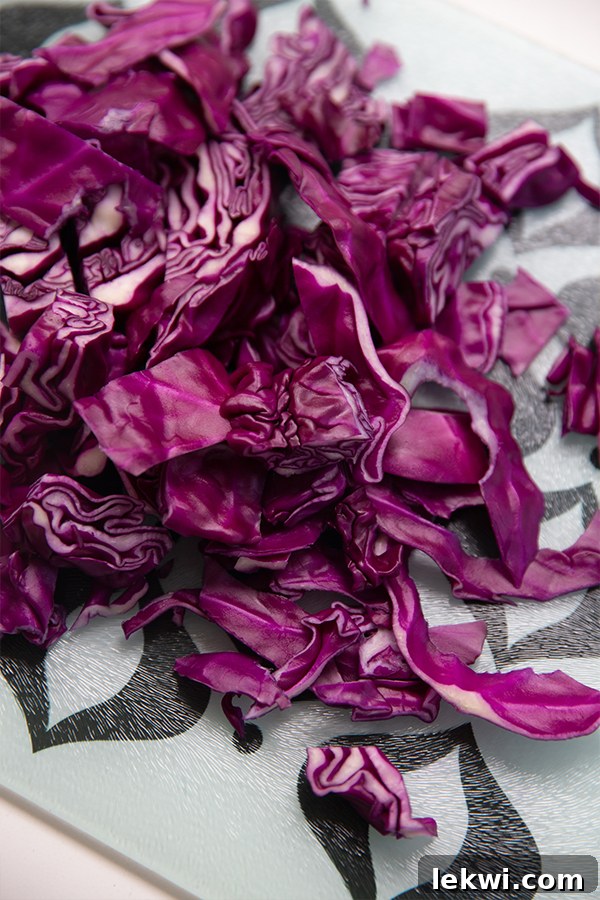
- Red Cabbage: This humble vegetable is a superstar in natural dyeing, remarkably yielding a gorgeous spectrum of blues and purples. Its anthocyanin pigments react beautifully, especially when combined with a touch of acidity. For our purposes, half a head of red cabbage is plenty to create a rich blue dye.
- Ground Turmeric: Known for its vibrant yellow hue and powerful anti-inflammatory properties, turmeric is an equally impressive natural dye. Just a tablespoon of this spice can produce a brilliant, sunny yellow, perfect for a cheerful Easter egg.
- Water: The universal solvent, essential for extracting the pigments from your chosen natural materials.
- White Vinegar: This is a crucial ingredient, acting as a mordant. The acidity in vinegar helps the dye adhere better to the eggshell, resulting in more intense and long-lasting colors. Without it, your colors might appear duller or wash off more easily.
- Hard-boiled Eggs: The canvas for your colorful creations! We’ll discuss choosing the right eggs and preparing them perfectly below.
With just red cabbage and turmeric, you unlock the ability to create not only captivating blues and vibrant yellows but also lovely shades of green. This is achieved through a simple layering technique, which we will explore in detail. Imagine the satisfaction of seeing these beautiful, natural colors emerge from everyday ingredients!
Preparing Your Canvas: The Art of Perfectly Hard-Boiled Eggs
Before diving into the exciting world of natural dyes, the foundation of your Easter egg project lies in perfectly cooked hard-boiled eggs. A properly cooked egg provides a smooth, uncracked surface for the dye to adhere to, ensuring vibrant and even coloration. Here’s how to achieve flawless hard-boiled eggs every time:
Step-by-Step Guide to Hard-Boiling Eggs:
- Choose Your Eggs: Start with fresh eggs, but not too fresh. Eggs that are a week or two old are easier to peel. White eggs tend to show natural dyes more vibrantly, offering a ‘blank canvas,’ but brown eggs can also yield beautiful, deeper, and earthier tones.
- Arrange in a Single Layer: Place your eggs in a single layer at the bottom of a saucepan. Avoid crowding them, as this can lead to uneven cooking or cracking.
- Cover with Water: Add enough cold water to cover the eggs by about an inch.
- Add Salt (Optional but Recommended): A pinch of salt to the water can help prevent cracking and make the eggs easier to peel.
- Bring to a Rolling Boil: Place the saucepan over high heat and bring the water to a rapid, rolling boil.
- Remove from Heat and Cover: As soon as the water reaches a boil, immediately remove the pan from the heat. Cover it tightly with a lid.
- Let Sit: Allow the eggs to sit in the hot water for 10-12 minutes for perfectly firm yolks. For larger eggs, you might add an extra minute or two.
- Prepare an Ice Bath: While the eggs are sitting, prepare a large bowl of ice water.
- Transfer to Ice Bath: Carefully transfer the hard-boiled eggs from the hot water to the ice bath using a slotted spoon. This step is crucial: it immediately stops the cooking process, preventing a greenish ring around the yolk, and makes the eggs much easier to peel.
- Cool Completely: Let the eggs cool in the ice bath for at least 10-15 minutes, or until they are completely chilled.
- Store: Once cooled, you can store your hard-boiled eggs in the refrigerator until you’re ready to dye them. They can be stored for up to one week.
Having a batch of perfectly hard-boiled eggs ready will make your natural dyeing process smooth and enjoyable, ensuring your artistic efforts truly shine.
How to Make Naturally Dyed Easter Eggs: Your Step-by-Step Guide
Creating vibrant, naturally dyed Easter eggs is a rewarding process that combines a touch of kitchen chemistry with artistic flair. Follow these detailed steps to prepare your eco-friendly dyes and transform your hard-boiled eggs into stunning seasonal decor.
Crafting Your Natural Dyes: The Foundation of Color
1. Preparing the Brilliant Blue Dye from Red Cabbage
- Chop the Cabbage: Take half of a red cabbage and chop it roughly into smaller pieces. The more surface area, the more pigment will be released.
- Simmer the Cabbage: Place the chopped red cabbage into a small saucepan. Pour 3 cups of water over the cabbage, ensuring it’s fully submerged. Bring the mixture to a low simmer over medium heat.
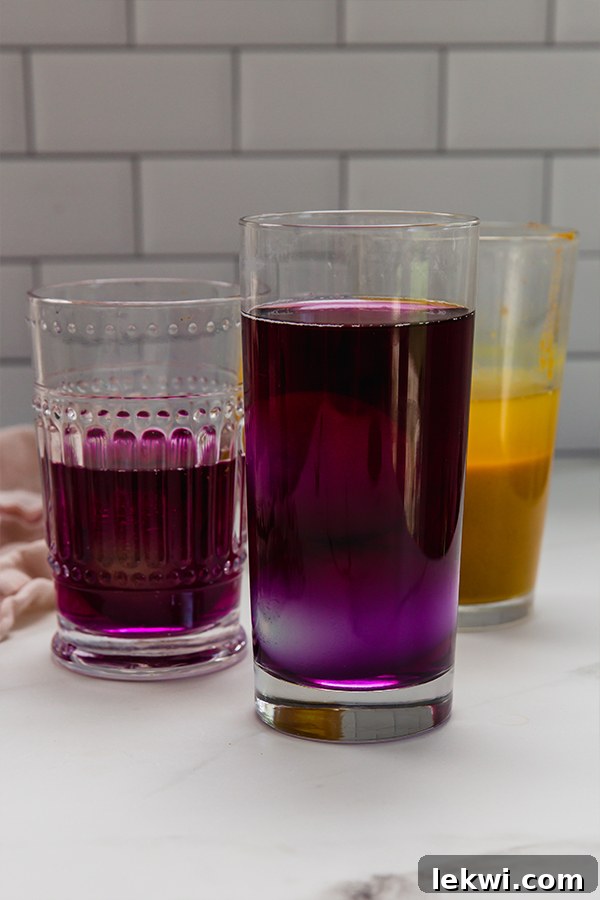
- Extract the Color: Allow the cabbage to simmer for 25-30 minutes. You’ll notice the water gradually transforming into a deep purple or bluish-purple hue. This gentle simmering process extracts the anthocyanin pigments responsible for the stunning blue color.
- Strain and Cool: Carefully strain the liquid into a separate bowl or jar, discarding the cabbage pieces. Let the concentrated dye liquid cool completely to room temperature. This is important to prevent thermal shocking the eggs when you submerge them.
- Add the Acid: Once cooled, add 3 tablespoons of white vinegar to the blue dye. Stir well to combine. The vinegar is vital as it acts as a mordant, helping the dye molecules bind more effectively to the eggshell, which will intensify the blue color.
2. Preparing the Sunny Yellow Dye from Ground Turmeric
- Combine Turmeric and Water: In a separate small saucepan, add 1 tablespoon of ground turmeric. Pour 2 cups of water over the turmeric.
- Simmer for Color Extraction: Bring the turmeric and water mixture to a low simmer for 25-30 minutes, stirring occasionally. The water will take on a bright, intense yellow color. Turmeric is a very potent dye, so be careful not to stain your counters or clothes.
- Strain and Cool: Strain the yellow dye liquid into another bowl or jar, ensuring all turmeric particles are removed. Allow it to cool completely to room temperature.
- Incorporate Vinegar: Add 2 tablespoons of white vinegar to the cooled yellow dye and mix thoroughly. Again, the vinegar is key for achieving a strong, lasting yellow.
You now have two beautiful, natural dye baths ready for your Easter egg transformation! Ensure both dyes are completely cool before proceeding to the dyeing stage for the best results.
The Dyeing Process: Immersing Your Eggs in Natural Color
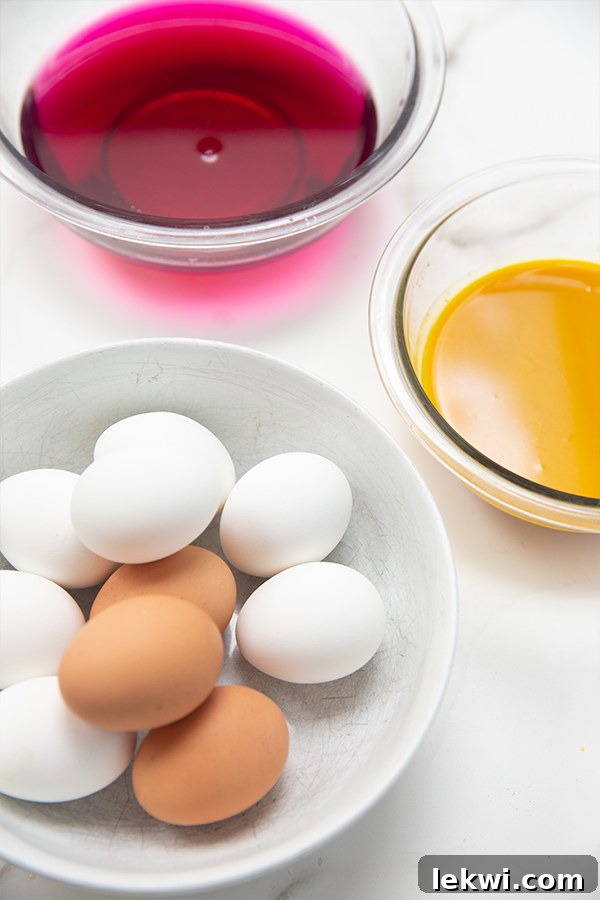
With your natural dyes prepared and cooled, it’s time for the most exciting part: immersing your hard-boiled eggs and watching the colors magically appear. This is where patience and a little experimentation come into play.
- Choose Your Dyeing Vessels: Select separate drinking glasses, deep bowls, or ramekin dishes for each color. Ensure they are clean and deep enough to fully submerge an egg without it touching the bottom.
- Submerge the Eggs: Carefully place one hard-boiled egg into each dye bath. Make sure the egg is completely covered by the liquid. For easier retrieval, you can use a slotted spoon or tongs to lower and lift the eggs.
-
Observe and Time:
- For Lighter Shades: Allow the eggs to soak for at least 2 hours. You’ll start to see a noticeable tint after about 30 minutes, but colors deepen significantly with more time.
- For Darker, More Intense Hues: For truly rich and deep colors, leave the eggs submerged in the dye overnight (8-12 hours) in the refrigerator. The longer they soak, the more pigment the eggshells will absorb.
- Check Progress: Periodically check the eggs to monitor the color development. Gently lift an egg with a spoon to see if it has reached your desired shade. Remember that the color will appear slightly lighter once the egg is dry.
- Remove and Dry: Once satisfied with the color, carefully remove the eggs from the dye bath using tongs or a slotted spoon. Place them on a wire rack set over a baking sheet or on paper towels to air dry completely. Avoid wiping them, as this can remove some of the fresh dye.
As your naturally dyed Easter eggs dry, their colors will settle and often deepen slightly, revealing the beautiful, organic tones you’ve created. This simple submersion technique is the foundation for all the colors you’ll achieve.
Crafting Specific Colors: Blue, Yellow, and Green Naturally Dyed Easter Eggs
With your base dyes ready, let’s explore how to achieve specific vibrant colors and even combine them for unique shades.
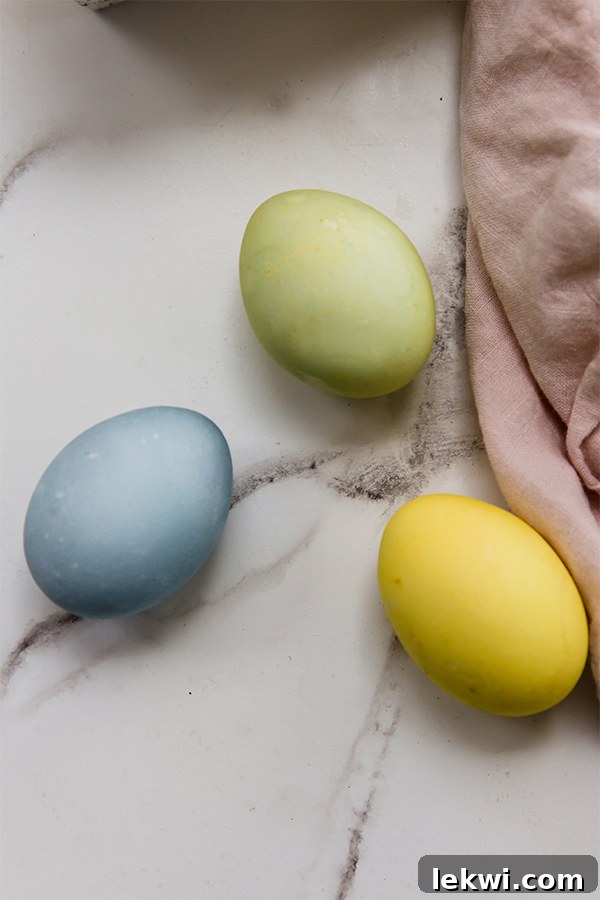
How to Make Naturally Dyed Blue Easter Eggs
The red cabbage dye is a truly magical concoction, as it miraculously transforms into a beautiful blue when infused with vinegar.
- Prepare the Dye: Begin by following the instructions above to make the blue dye from red cabbage. Ensure it’s completely cooled.
-
Dyeing Process: Submerge a white hard-boiled egg in the prepared blue dye.
- For a lovely light blue egg, let it soak for at least 2 hours.
- To achieve a rich, dark blue egg, leave the egg submerged in the dye overnight (8-12 hours) in the refrigerator. The longer it sits, the deeper the indigo tones will become.
- Drying: Remove the egg and allow it to air dry completely on a wire rack.
How to Make Naturally Dyed Yellow Easter Eggs
Turmeric creates an incredibly bright and cheerful yellow, reminiscent of spring sunshine.
- Prepare the Dye: Follow the steps outlined previously to create the vibrant yellow dye from ground turmeric. Let it cool fully.
-
Dyeing Process: Submerge a hard-boiled egg in the yellow dye.
- For a dazzling vibrant yellow egg, use a white hard-boiled egg and soak it for at least 2 hours.
- If you prefer a darker, more golden yellow egg, try using a brown hard-boiled egg. The natural brown undertones of the shell will create a deeper, richer hue when combined with the turmeric dye. Leave it submerged for at least 2 hours, or overnight for maximum depth.
- Drying: Remove and air dry thoroughly.
How to Make Naturally Dyed Green Easter Eggs (Layering Colors)
Achieving a natural green is a fascinating process that involves combining our blue and yellow dyes. It’s like a mini color mixing lesson!
- First Layer (Blue Base): Submerge a white hard-boiled egg in the blue dye (made from red cabbage) for approximately 2 hours. This will give your egg a light blue base.
- Second Layer (Yellow Overlay): Carefully remove the lightly blue-dyed egg from the blue dye. Allow it to air dry for about 15-30 minutes so the first layer can set a bit. Then, transfer this egg directly into the yellow dye (made from turmeric) for at least 30 minutes.
- Observe the Transformation: Watch as the yellow dye mixes with the blue on the eggshell, slowly creating beautiful shades of green. The longer it stays in the yellow, the more intense the green will become.
- Drying: Once you’ve achieved your desired shade of green, remove the egg and let it air dry completely.
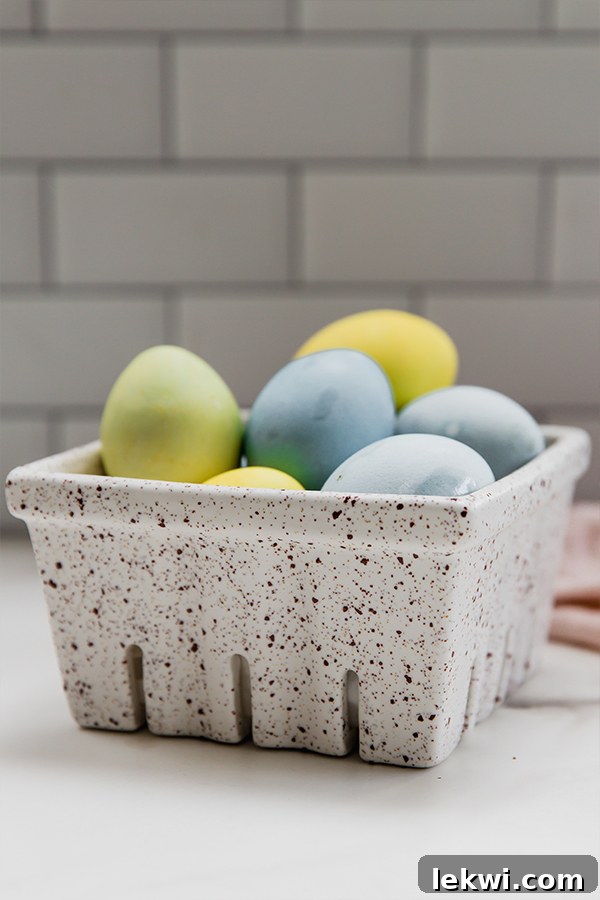
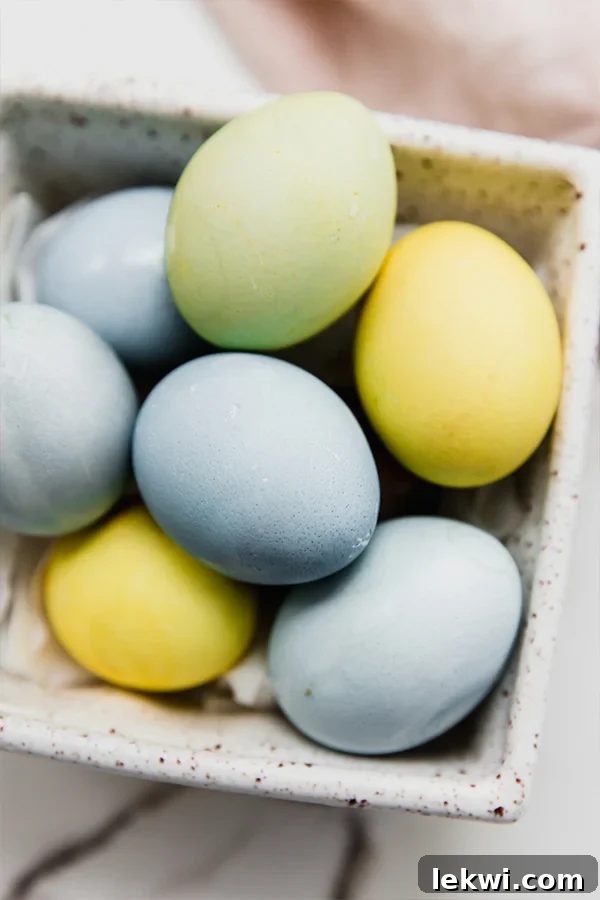
By mastering these primary colors and understanding how they interact, you open up a world of possibilities for your naturally dyed Easter eggs. Each egg will be a unique testament to the beauty of natural pigments.
Frequently Asked Questions About Naturally Dyed Easter Eggs
Embarking on a natural egg dyeing adventure often brings up a few questions. Here are some of the most common inquiries and detailed answers to help you achieve the best results and enjoy your naturally colored Easter eggs.
Should you use white or brown eggs for naturally colored Easter eggs?
For the most vibrant and true-to-dye colors, I highly recommend using a majority of white eggs. White eggshells provide a pristine “blank canvas” that allows the natural pigments to show their full intensity. You’ll get clearer blues, brighter yellows, and more distinct greens. However, don’t discard brown eggs! They are excellent for achieving richer, deeper, and more earthy tones. When dyed with turmeric, brown eggs can turn a beautiful mustard or goldenrod yellow. With red cabbage dye, brown eggs might yield a more muted blue or even an intriguing grayish-blue. Experimenting with both types of eggs can add wonderful variety to your Easter collection.
Can you add decorations with tape, rubber bands, or flowers?
Absolutely! Adding decorations before dyeing is a fantastic way to create unique patterns and designs, adding another layer of creativity to your naturally dyed Easter eggs.
- Tape Designs: The easiest method is to apply thin strips of electrical tape or masking tape to the hard-boiled eggs before submerging them in the dye. You can create stripes, geometric shapes, or even cut out small designs. After the egg has reached your desired color and is dry, carefully peel off the tape to reveal the original undyed eggshell beneath, creating a beautiful resist pattern.
- Rubber Bands: Wrapping rubber bands tightly around the eggs before dyeing will produce striking stripe patterns. The areas covered by the rubber bands will remain uncolored, creating a distinct contrast.
- Botanical Prints: For a more organic look, press small leaves, sprigs of herbs (like parsley or cilantro), or tiny flowers against the eggshell. Secure them tightly with a piece of old pantyhose, cheesecloth, or a stocking pulled taut around the egg and tied at the back. When submerged in the dye, the areas covered by the botanicals will block the dye, leaving a beautiful silhouette once the covering is removed. This technique creates truly exquisite and unique eggs.
Can you draw or color on the eggs?
While the traditional wax resist method (like Ukrainian pysanky) is often done with melted beeswax, you can certainly experiment with other drawing tools. I haven’t personally tried traditional wax crayons on naturally dyed eggs, but I have found that non-toxic markers work wonderfully, especially for younger children. My toddler loved adding extra details to her naturally colored eggs with markers, and the colors popped beautifully against the natural dyes. Just keep in mind that if you use markers, or any non-food-grade coloring, it’s best to consider those eggs for decorative purposes only, rather than for eating. Always prioritize safety, especially with food items.
Can you still eat the naturally dyed eggs?
Yes, absolutely! This is one of the primary advantages of using natural dyes derived from food-safe ingredients like cabbage and turmeric. As long as your hard-boiled eggs are handled properly and kept refrigerated, they are perfectly safe and delicious to eat after being dyed. Ensure that the eggs were not left out at room temperature for more than two hours during the dyeing process or after. Once dried, store them in an airtight container in the refrigerator and consume them within 5-7 days, just like any other hard-boiled egg. Enjoy the beauty and the taste!
How to Store Your Naturally Dyed Easter Eggs
Proper storage is crucial if you plan to eat your naturally dyed Easter eggs.
- Refrigeration is Key: Always store your dyed eggs in the refrigerator. The dyes themselves are food-safe, but the eggs are perishable.
- Airtight Container: Place them in an airtight container or a covered egg carton to prevent them from absorbing odors from other foods in your fridge.
- Duration: Hard-boiled eggs, whether dyed or not, are best consumed within one week of cooking.
Troubleshooting Common Natural Dyeing Issues
While natural dyeing is generally straightforward, sometimes you might encounter minor challenges.
- Pale Colors: If your eggs are coming out too light, try increasing the simmering time for your dye bath to extract more pigment. Also, ensure you’ve added the correct amount of vinegar, as it helps with color intensity. Most importantly, extend the soaking time for the eggs – overnight refrigeration is often the key to deep, rich hues.
- Patchy or Uneven Color: This can sometimes happen if the eggshells weren’t perfectly clean, or if there were air bubbles trapped around the egg during submersion. Gently wipe eggs clean before dyeing. Ensure the egg is fully submerged and occasionally rotate it if you notice bubbles clinging to the surface.
- Dye Not Sticking: If the dye seems to rub off easily, it’s likely due to insufficient vinegar in your dye bath, or the eggs weren’t allowed to soak long enough. Vinegar is the mordant that helps bind the dye to the shell.
With these tips and tricks, you’re well-equipped to create a stunning batch of naturally dyed Easter eggs that are not only beautiful but also healthy and fun to make.
How to Make Naturally Dyed Easter Eggs (No Food Coloring)
Leave a Review
Pin Recipe
Ingredients
For the Blue Dye
- ½ red cabbage, chopped
- 3 cups water
- 3 tbsp white vinegar
For the Yellow Dye
- 1 tbsp ground turmeric
- 2 cups water
- 2 tbsp white vinegar
The Eggs
- 7-8 hard-boiled eggs
Instructions
For the Blue Easter Eggs
- To make the blue dye, chop half of the red cabbage and add to a small saucepan and cover with 3 cups of water. Bring to a low simmer for 25-30 minutes. Strain the liquid and allow it to come to room temperature. Add 3 tbsp of white vinegar to the dye and mix.
- Add enough of the dye liquid to submerge an egg into a separate drinking glass or ramekin dish.
- Submerge a white hard-boiled egg in the blue dye for at least 2 hours for a light blue egg. For a dark blue egg, leave the egg in the dye overnight (8-12 hours) in the refrigerator.
For the Yellow Easter Eggs
- In a separate saucepan, add 1 tbsp of ground turmeric and cover with 2 cups of water. Bring to a low simmer for 25-30 minutes. Strain the liquid and allow it to come to room temperature. Add 2 tbsp of white vinegar to the dye and mix.
- Add enough of the dye liquid to submerge an egg into a separate drinking glass or ramekin dish.
- Submerge a white hard-boiled egg in the yellow dye for at least 2 hours to make a vibrant yellow egg. Use a brown hard-boiled egg for a darker yellow egg.
For the Green Easter Eggs
- Submerge a white hard-boiled egg in the blue dye for 2 hours.
- Strain the egg from the blue dye and transfer it to the yellow dye for at least 30 minutes to make a light green egg. (For darker green, leave longer.)
- Use the eggs as decor or you can easily still eat the eggs as hard-boiled eggs as long as they stay properly refrigerated!
Notes
- I highly recommend sticking with a majority of white eggs, because that will give you a blank canvas to add color to. You can also hard boil some brown eggs for darker colors.
- Add more decor to the eggs by adding tape, rubber bands, or leaves secured with pantyhose before dyeing them.
- For deepest colors, allow eggs to soak overnight in the refrigerator.
- Always ensure eggs are completely cool before submerging in dye.
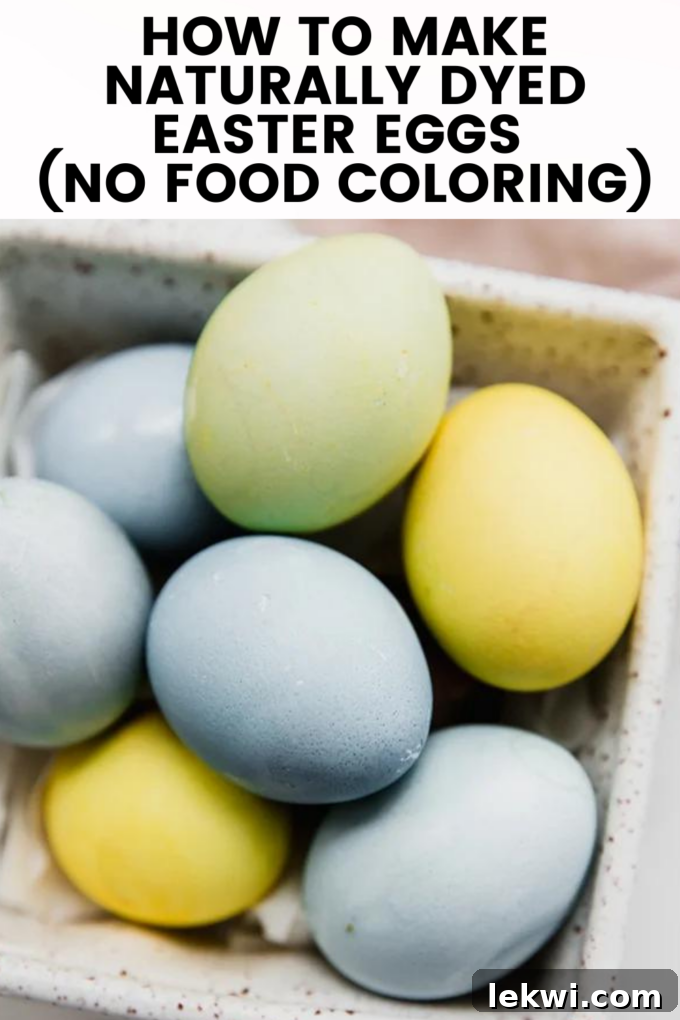
Embrace the Natural Beauty of Easter
Creating naturally dyed Easter eggs is more than just a holiday craft; it’s an opportunity to connect with nature, embrace sustainable practices, and create lasting memories with your loved ones. From the vibrant blues extracted from a humble red cabbage to the sunny yellows of turmeric and the fascinating greens achieved through layering, each egg tells a story of natural beauty and simple ingenuity.
By choosing natural dyes, you’re not only avoiding synthetic chemicals but also discovering the unique, organic charm that only nature can provide. The process is easy, affordable, and yields stunning results that are safe for both your family and the environment. Whether you’re decorating a few eggs for fun or preparing a full basket for an Easter egg hunt, these naturally dyed eggs will surely bring a special touch of wonder to your celebration.
So, gather your ingredients, follow these simple steps, and prepare to be amazed by the magic of natural pigments. Happy Easter, and happy dyeing! Don’t forget to share your beautiful creations!