
Navigating the intricate landscape of dietary needs within a relationship can often feel like an uncharted journey. For those committed to specific eating protocols like Paleo or the Autoimmune Protocol (AIP), sharing a life with a partner who doesn’t adhere to the same dietary principles presents a unique set of challenges and opportunities. I’ve been happily married to Daniel for years, a wonderful man who stands by me, inspires me, and grows with me daily. However, his dietary preferences are a stark contrast to my Paleo and AIP lifestyle. When we first met, his diet was what you might call “typical bachelor fare” – pre-packaged meals, pasta, and frozen dinners formed the cornerstone of his culinary world. As we transitioned into married life, one of our biggest adjustments was learning how to forge a balanced life together, despite our vastly different approaches to food. This article aims to explore practical, empathetic strategies for building a harmonious home environment when you’re deeply committed to your diet, and your spouse is not.
It’s crucial to understand that a non-compliant spouse doesn’t necessarily mean they’re against healthy eating. My husband, for instance, appreciates and enjoys nutritious meals, especially when I prepare vegetables or healthier treats. Yet, this appreciation coexists with a desire for comfort foods like nachos and pizza. He comes from a family with minimal health issues, and consequently, he doesn’t perceive any significant negative effects from indulging in ‘junk food’ occasionally. This fundamental difference in perspective is common and requires a thoughtful approach.
The core question then becomes: How do we successfully balance shared time, dining out experiences, and home-cooked meals when our dietary paths diverge so significantly? The answer lies in a blend of communication, compromise, and creativity. By adopting specific strategies, couples can create a supportive atmosphere that respects individual health goals while strengthening their bond. Let’s delve into these essential tips for thriving with dietary differences in your relationship.

1. Educate Your Spouse on Why Your Diet Matters for Your Health and Wellbeing
One of the foundational steps in bridging dietary gaps is through comprehensive and empathetic education. When Daniel and I first started dating, I was primarily gluten-free and entirely nightshade-free. I took the time to meticulously explain the “why” behind these restrictions. I detailed the specific ways gluten and nightshades negatively impacted my body, where these ingredients could be found, and the detrimental effects they had on my mood, energy levels, and overall health. This wasn’t about lecturing or demanding compliance; it was about sharing my personal health journey and the critical role my diet played in it.
Later, as I transitioned to a grain-free and AIP protocol, I found a collaborative approach to education. I suggested we read “The Omnivore’s Dilemma” together. This book profoundly discusses the intricacies of our food system, particularly concerning corn and soy, allowing Daniel to gain a deeper, more academic understanding of why I was eliminating these foods from my diet. While it required patience and open dialogue, and yes, we certainly had our disagreements on some nuances, the effort was invaluable. Love, at its core, involves wanting the best for your partner. Once Daniel truly understood the profound importance of my dietary choices for my health and wellbeing, he became an unwavering source of support and advocacy. Education fosters empathy, transforming potential conflict into a shared commitment to a healthier, happier life together.
2. Remember That They Can Still Support You Without Being Compliant with Your Diet
A common misconception in relationships with differing diets is the belief that support necessitates 100% compliance. This couldn’t be further from the truth. Pressuring your spouse or significant other to adopt a diet that doesn’t align with their needs or desires can lead to resentment and strain on the relationship. True support manifests in myriad ways beyond simply eating the same foods.
My husband exemplifies this beautifully. He actively supports my dietary choices by enthusiastically trying my compliant recipes, often expressing genuine enjoyment. He’ll take the initiative to prepare his own dinner on occasions when I prefer not to handle certain ingredients that are part of his meal but trigger my sensitivities. Crucially, he is my fiercest advocate in social situations. If someone inadvertently (or even intentionally) tries to persuade me to eat nightshades, or if there’s a misunderstanding about my dietary requests, Daniel is always the first to speak up, politely clarifying my needs and protecting my boundaries. This level of understanding and proactive support is an incredibly strong pillar of our relationship. It proves that unwavering support doesn’t demand his complete adherence to a gluten-free lifestyle; it simply requires his respect and active participation in safeguarding my health and comfort.
3. Define Clear Cross-Contamination Rules
Establishing clear, mutually understood rules regarding cross-contamination is paramount for anyone managing specific dietary protocols. These guidelines aren’t about control; they’re about ensuring safety and peace of mind within your own home. My husband and I have developed explicit rules about what foods can and cannot be brought into our kitchen, and how certain ingredients are handled.
For example, dairy products are not detrimental to my health, so Daniel continues to enjoy plenty of cheese. However, he understands the importance of meticulous cleanup after using cheese, especially to prevent crumbs or residue from contaminating my food or cooking surfaces. Conversely, nightshades pose a much greater issue for me, and consequently, these ingredients are rarely, if ever, brought into our home. Daniel has been thoroughly educated on the risks of cross-contamination, understanding practices like avoiding double-dipping in sauces, the necessity of thoroughly washing silverware, cutting boards, and cooking utensils, and designating specific items (like a toaster or cutting board) for compliant foods only. This doesn’t mean my husband is nightshade-free or gluten-free in his overall diet; he still enjoys these foods when dining out or on rare, controlled occasions. But by setting these ground rules, we proactively eliminate countless potential headaches and disagreements, fostering a sense of safety and mutual respect in our shared living space.
4. Find Compliant Meals That You Both Love
Just because your significant other isn’t following a Paleo or AIP diet doesn’t mean you can’t share genuinely delicious and satisfying compliant meals together. In fact, discovering shared favorites can be a delightful journey that strengthens your bond and expands your culinary horizons. My husband and I have several go-to compliant meals that we both enthusiastically enjoy, proving that healthy eating can be incredibly flavorful and inclusive.
The key is to explore and experiment. Focus on dishes that are naturally rich in flavor and satisfying texture, often built around lean proteins, abundant vegetables, and healthy fats. Here are some fantastic ideas for meals that seamlessly fit into a compliant diet while appealing to a broader palate:
- Bacon Ranch Chicken Poppers: Who can resist the irresistible combination of bacon and ranch flavors? These are usually a crowd-pleaser and easy to make compliant.
- Veggie Nuggets: My husband is surprisingly fond of these! They’re a clever way to incorporate more vegetables into your diet in a fun, accessible form.
- Brownie Skillet: A decadent, warm dessert perfect for sharing, often easily adaptable to be Paleo or AIP-friendly with alternative flours and sweeteners.
- Egg Roll in a Bowl: This deconstructed dish offers all the savory flavors of an egg roll without the wrapper, making it a quick, flavorful, and compliant meal that my husband and I both absolutely adore.
- Grilled Meats and Roasted Vegetables: A simple yet incredibly satisfying meal. Marinated chicken, fish, or steak paired with a colorful array of roasted broccoli, sweet potatoes, or asparagus is always a winner.
- Hearty Soups and Stews: Think comforting beef stew or chicken and vegetable soup, loaded with nutrients and flavor, perfect for a cozy night in.
Embracing these shared meals not only simplifies meal preparation but also creates cherished dining experiences that celebrate both individual needs and collective enjoyment. It’s about finding common ground and savoring delicious food together, proving that healthy eating doesn’t have to be isolating.
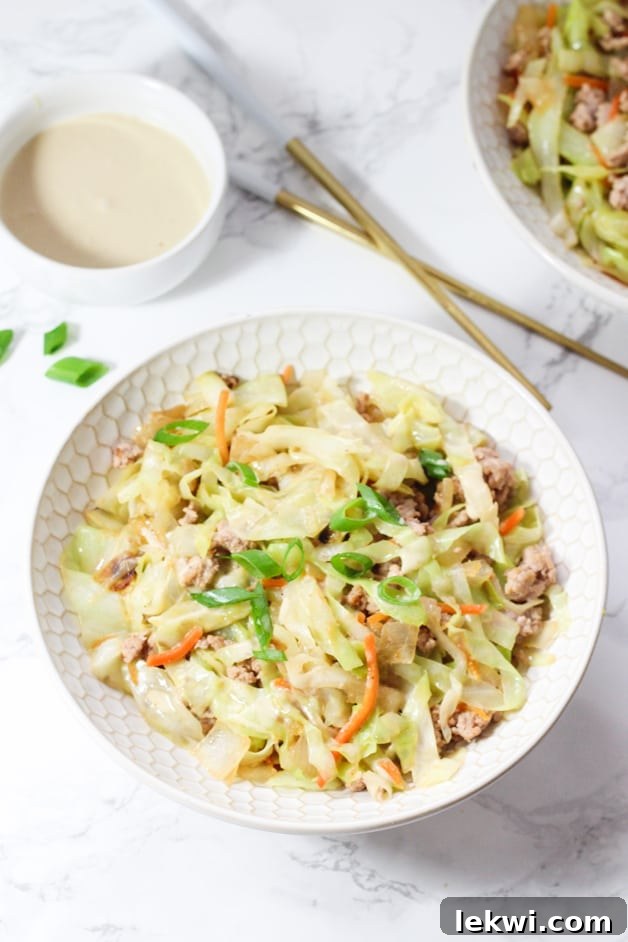
5. Use the “Layering Method” for Meals That You Share
The “layering method” is a culinary game-changer for couples with differing diets. It’s an ingenious strategy that allows you to cook a single meal while easily accommodating both dietary needs with minimal extra effort. The concept is simple: you start with a base meal that is fully compliant with your diet, and then, for your spouse, you add non-compliant “layers” or extras that they enjoy. This method saves time, reduces cooking complexity, and fosters a feeling of shared dining.
Consider these versatile applications of the layering method:
- Instant Pot Chili: I might prepare my compliant Instant Pot Chili, rich with ground meat, vegetables, and AIP-friendly spices. For Daniel, I’d simply add a side of high-quality tortilla chips and a generous sprinkle of grass-fed cheese to his serving.
- Stir-fry Nights: Start with a base of sautéed protein (chicken, shrimp, or beef) and a medley of compliant vegetables with an AIP-friendly sauce. For your partner, you can easily cook up some rice or gluten-free noodles to serve alongside their portion.
- Taco/Burrito Bowls: Prepare all your compliant fillings – seasoned ground meat, salsa, guacamole, shredded lettuce, and sautéed peppers and onions. You can enjoy yours as a bowl, while your spouse adds their choice of corn tortillas, dairy cheese, or sour cream.
- Big Salad Bar: Create a large, vibrant salad with various greens, proteins, and compliant vegetables. Your spouse can then customize their salad with croutons, specific dressings, or cheeses that you avoid.
- Curry Dishes: A delicious coconut milk-based curry with chicken or vegetables can be made compliant. Your partner can enhance theirs with a side of basmati rice or naan bread.
This approach ensures that both partners feel satisfied and included in the meal experience. It’s about flexibility and creativity, allowing you to enjoy a meal together without compromising your health goals or making your partner feel deprived. Daniel and I employ this strategy often with a wide range of meals, and we consistently find it to be a successful and enjoyable solution.
6. Embrace Separate Meal Prep When Necessary
While shared meals and the layering method are fantastic strategies, it’s also important to acknowledge and embrace the reality that sometimes, preparing entirely separate meals is the most practical and stress-free option. Not every single meal needs to be a collaborative culinary endeavor. Recognizing that it’s okay to cook different dishes, or to have distinct meal preps, can significantly reduce pressure and mental load for both partners.
There will be times when one person is craving something specific that is simply not adaptable, or when the effort to make a meal compliant for both becomes overly complicated. In these instances, having designated cooking nights, utilizing batch cooking, or simply preparing quick, separate meals can be incredibly liberating. For example, I might batch cook a large quantity of AIP-friendly roasted vegetables and protein for my lunches and dinners, while Daniel prepares a pasta dish or a sandwich for himself. This doesn’t signify a lack of connection; rather, it’s a practical acknowledgment of individual needs and preferences. It frees up mental energy, prevents potential arguments over food choices, and allows each person to enjoy their meal without compromise. Normalizing separate meal prep on occasion can lead to a more peaceful and sustainable long-term approach to managing diverse diets within a shared household.
7. Shop for Better Quality Versions of Their Favorites
Even if your spouse isn’t strictly following a Paleo or AIP diet, there’s immense value in encouraging and facilitating better quality food choices for them. Daniel might not be fully Paleo, but that doesn’t mean he has to consume highly processed, nutrient-empty junk food. Regardless of what your spouse ultimately chooses to eat, I always advocate for sourcing higher-quality versions of their favorite foods. This strategy ensures that everyone in the household benefits from more nourishing ingredients, reduces inflammatory compounds, and supports overall wellness.
It’s about finding healthier alternatives that still satisfy their cravings without introducing unnecessary chemicals, artificial ingredients, or excessive sugars. This approach is a fantastic way to meet in the middle and gently nudge towards a healthier lifestyle for everyone involved. Here are some of my favorite better-quality swaps for Daniel:
- Primal Kitchen Mayo: Made with avocado oil and free from undesirable ingredients often found in conventional mayonnaise.
- Rice Pasta: A gluten-free alternative to traditional wheat pasta, which can be a better option for those with mild sensitivities or simply looking to reduce gluten intake.
- Jackson’s Honest Tortilla Chips: Cooked in coconut oil, offering a cleaner chip option compared to those fried in industrial seed oils.
- Siete Tortillas: Grain-free and made from healthier flours like almond or cassava, providing a better alternative for tacos and wraps.
- Sourdough or Sprouted Bread: While I’m cautious with gluten, I’m okay with Daniel occasionally having high-quality sourdough or sprouted bread in the house, provided he’s careful with cross-contamination. These breads are often easier to digest than conventional white bread.
- Coconut Milk Ice Cream: A dairy-free and often lower-sugar alternative to traditional ice cream, great for satisfying a sweet tooth.
- Simple Mills Crackers: Made with almond flour and other wholesome ingredients, these are a much cleaner alternative to highly processed wheat crackers.
- Grass-fed Cheese and Milk: For dairy, opting for grass-fed varieties ensures higher nutrient content, including beneficial fatty acids, and better animal welfare practices.
By making these conscious choices, you’re not just buying food; you’re investing in the health of your loved ones, improving the quality of food in your home, and subtly influencing healthier eating habits without imposing strict dietary rules.
8. Explore Ways to Spend Time Together That Don’t Revolve Around Food
While sharing meals is a beautiful aspect of any relationship, it’s vital to remember that true connection extends far beyond the dinner table. When navigating dietary differences, consciously cultivating shared experiences that don’t primarily revolve around food can significantly strengthen your bond and reduce any potential food-related stress. Daniel and I have prioritized diversifying our activities, ensuring our time together is rich and varied.
Embracing a wide range of non-food-centric activities helps to remind both partners that their relationship is built on shared interests, companionship, and mutual enjoyment, rather than just what’s on their plates. These activities can be simple, yet profoundly impactful, creating lasting memories and deeper connections. Here are some of our favorite ideas, alongside many others you might explore:
- Going to the Movies: A classic date night, where you can easily bring your own compliant snacks and enjoy the film together.
- Having Movie Night at Home: Create a cozy atmosphere, perhaps with a shared compliant meal or individual snacks, and enjoy a film from the comfort of your couch.
- Hiking and Nature Walks: Engaging in outdoor activities is fantastic for physical health and provides an opportunity for quiet conversation and appreciation of nature.
- Shopping Together: Whether it’s for groceries (where you can support each other in making healthier choices), clothes, or home decor, shopping can be a fun shared errand.
- Bowling or Other Recreational Sports: Engaging in friendly competition or simply having fun with activities like bowling, mini-golf, or even video games.
- Attending Local Events: Farmers markets, craft fairs, concerts, art exhibits, or local festivals offer unique experiences that don’t center around eating.
- Learning a New Skill Together: Take a pottery class, learn a new language, or try a DIY home improvement project. Shared learning is a powerful bonding experience.
- Volunteering: Giving back to the community together can be incredibly rewarding and fulfilling.
- Board Games or Puzzles: Simple, screen-free activities that encourage conversation and lighthearted competition.
- Travel Planning: Dream and plan future adventures, researching destinations and activities, which can be an exciting shared project.
By consciously focusing on these alternative forms of connection, you ensure that your relationship remains robust and vibrant, rich with shared experiences that transcend any dietary boundaries. It reinforces that your love and partnership are multifaceted, capable of thriving in a myriad of different capacities.
Relationships inherently present a unique set of challenges and require continuous effort, empathy, and understanding. When complex dietary needs are added to the mix, these challenges can feel even more pronounced. However, as demonstrated by these practical tips, navigating food differences with a non-compliant spouse is entirely achievable. By prioritizing open communication, education, clear boundaries, creative meal solutions, and a rich array of non-food-centric activities, you can build a supportive and harmonious environment. Your wellness journey doesn’t have to be a solo endeavor, nor should it strain your most important relationships. I sincerely hope these insights empower you to foster a stronger, more understanding, and ultimately happier partnership, especially on the food front.