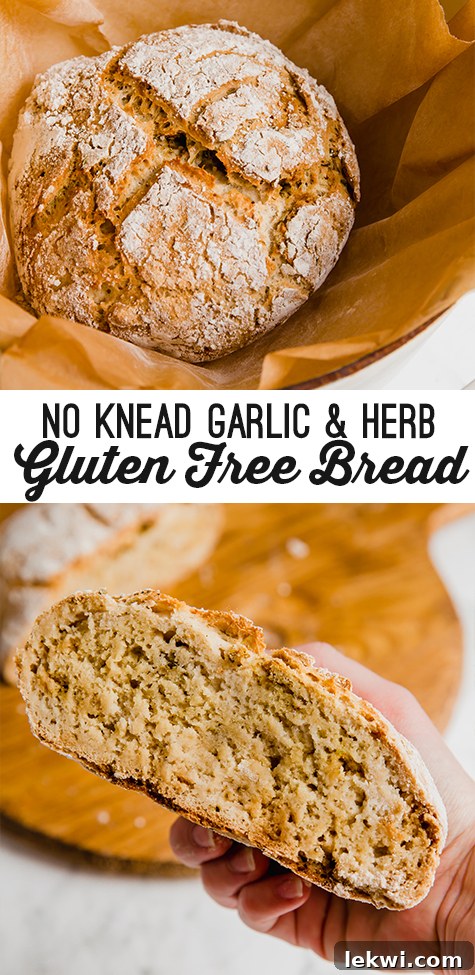
This post contains affiliate links.
There’s a special joy that comes with the aroma of freshly baked bread filling your home. For many, baking bread has become a cherished ritual, a comforting act that yields delicious results. However, for those navigating a gluten-free diet, the dream of a rustic, crusty loaf can often feel out of reach. Traditional bread-making, with its emphasis on kneading and gluten development, presents unique challenges when gluten is removed from the equation. But what if there was an easier way? What if you could enjoy homemade gluten-free bread with minimal effort, no complex techniques, and absolutely no kneading?
Enter the world of no-knead gluten-free bread! This recipe offers a simple yet incredibly rewarding path to creating a rustic, flavorful loaf that’s perfect for any occasion. Infused with aromatic garlic and a medley of savory herbs, all brought together with a hint of rich olive oil, this bread isn’t just easy – it’s an experience. Forget the hours of laborious kneading; this method lets time do the work, delivering a wonderfully textured crumb and a satisfying crust that rivals bakery-bought loaves. Whether you’re a seasoned baker or a complete novice in the kitchen, this recipe promises a delightful journey into the heart of homemade gluten-free goodness.
The Undeniable Allure of Homemade Bread (and Why No-Knead is a Game Changer)
In recent times, the art of home baking has seen a significant resurgence. There’s a profound satisfaction in creating something from scratch, especially when it’s as fundamental and universally loved as bread. From the comforting warmth it brings to your kitchen to the delightful taste it adds to any meal, homemade bread is truly a culinary delight. However, for many, the traditional process of bread making, particularly the extensive kneading involved, can seem daunting and time-consuming.
This is where the “no-knead” method shines, proving to be an absolute game-changer. The concept is remarkably simple: instead of relying on vigorous kneading to develop gluten and structure, this technique leverages a longer fermentation period. This extended resting time allows the flour and water to naturally combine and strengthen, effectively doing all the hard work for you. For gluten-free bakers, this method is even more revolutionary. Since gluten is absent, the need for kneading becomes moot, transforming a once complex process into an incredibly accessible one. It’s about harnessing the power of time and simple ingredients to achieve a beautifully risen, perfectly textured loaf with minimal active effort.
Discovering the Magic of No-Knead Gluten-Free Bread
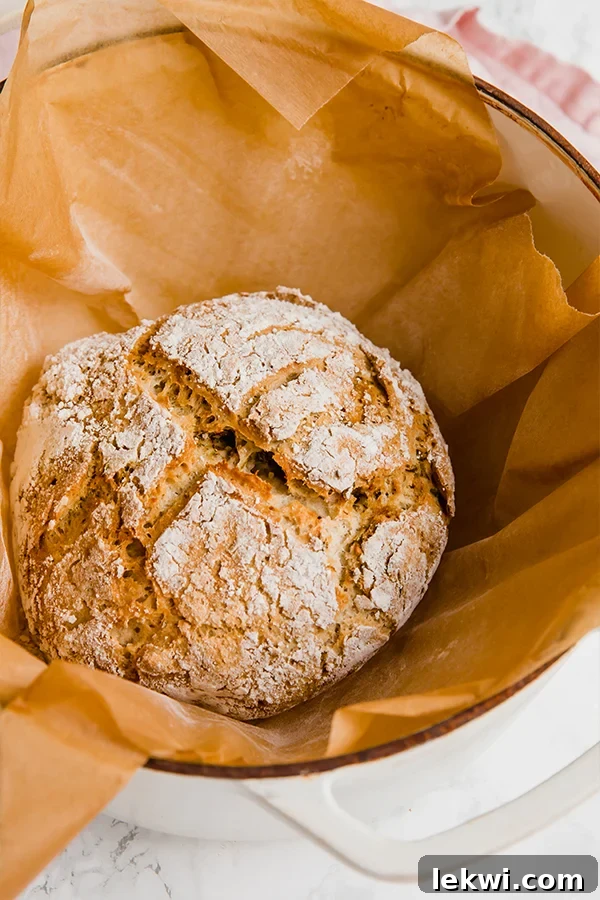
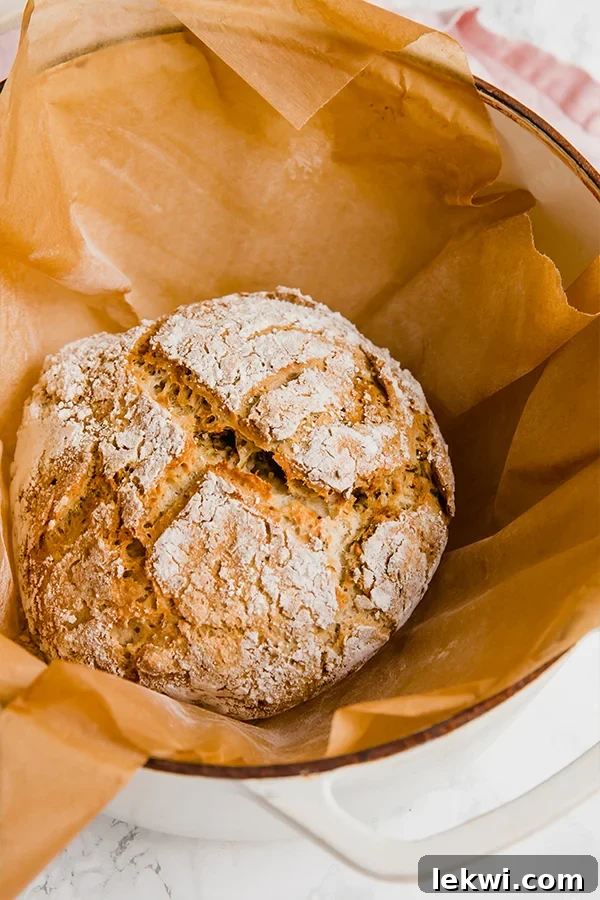
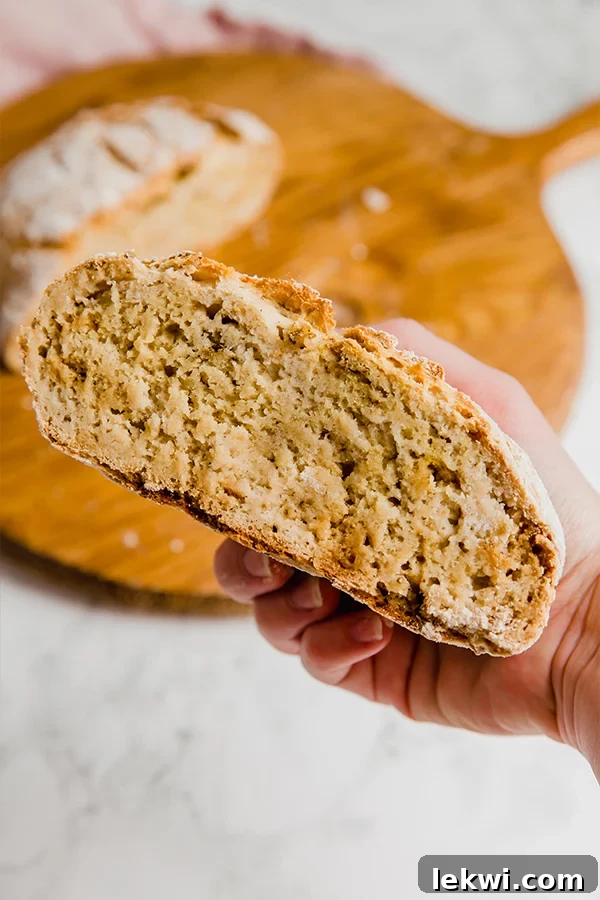
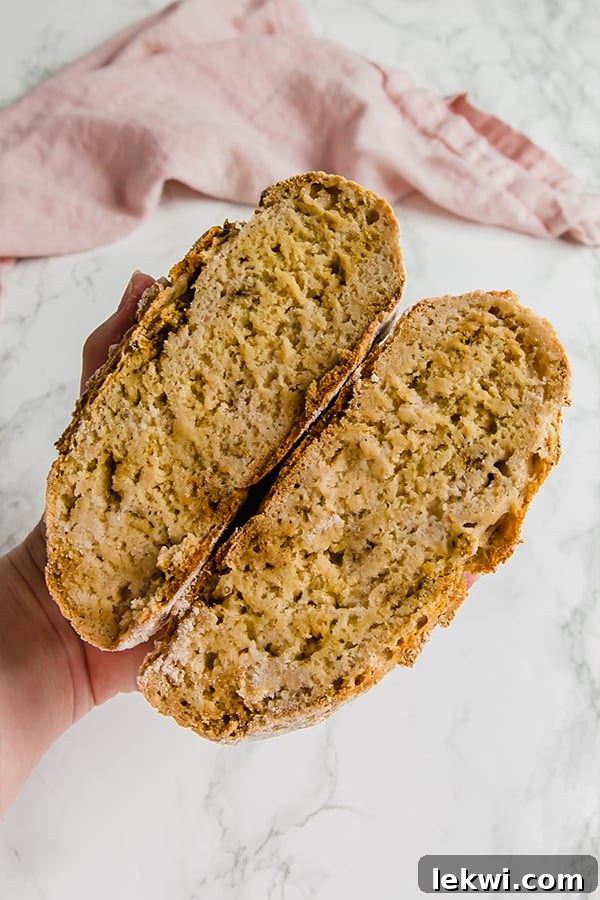
Our featured recipe takes the brilliant simplicity of the no-knead method and adapts it perfectly for a gluten-free lifestyle. This isn’t just another gluten-free bread recipe; it’s designed for ease, flavor, and a rustic appeal that will impress family and friends alike. Imagine a loaf with a beautifully crisp crust and a soft, airy interior, all without the worry of gluten.
What sets this particular bread apart is its exquisite flavor profile. We’ve chosen to infuse it with the robust notes of garlic and a blend of fragrant herbs, complemented by the smooth richness of olive oil. This combination elevates the bread from a mere staple to a centerpiece, making it ideal for dipping in soups, serving alongside pasta, or simply enjoying with a smear of butter. This recipe is also completely egg-free, making it suitable for those with egg sensitivities or dietary preferences. While it isn’t formulated to be paleo or AIP, it proudly offers a delicious and straightforward solution for anyone seeking a truly satisfying gluten-free bread experience.
A Symphony of Flavors: Garlic & Herb Infusion
The choice of garlic and herb seasoning for this no-knead bread is not arbitrary; it’s a deliberate decision to infuse a deep, inviting flavor that transforms a simple loaf into something extraordinary. Gluten-free bread, by its nature, can sometimes lack the robust character found in its gluten-containing counterparts. Adding a generous amount of quality garlic and herb seasoning combats this, providing a warm, savory foundation that pairs beautifully with the earthy notes of olive oil.
Picture this: a slice of this bread, lightly toasted, releasing the aromatic oils of garlic, rosemary, oregano, and thyme. It’s a flavor profile that evokes the Mediterranean, turning a simple slice of bread into a delightful culinary journey. We highly recommend using a high-quality seasoning blend, like Primal Palate’s Garlic & Herb, as the purity and intensity of the herbs truly make a difference. This flavorful addition ensures that every bite is bursting with taste, making this bread not just a gluten-free option, but a genuinely delicious choice for everyone at the table.
Essential Ingredients for Your Loaf
Crafting this rustic gluten-free bread requires just a handful of straightforward ingredients. Each component plays a vital role in achieving the perfect texture and flavor:
- Gluten-Free All-Purpose Flour: This is the foundation of our bread. It’s crucial to use a high-quality cup-for-cup gluten-free flour blend. These blends typically contain a mix of different gluten-free flours (like rice flour, tapioca starch, potato starch, and often xanthan gum) designed to mimic the texture and performance of wheat flour. I personally had great success with this particular brand, but feel free to experiment with other trusted cup-for-cup blends you enjoy.
- Active Dry Yeast: The living agent that makes our bread rise. Ensure your yeast is fresh and active for the best results. While sometimes hard to find, it’s worth seeking out. Proper activation is key, so pay close attention to water temperature.
- Honey: Not just for sweetness, honey provides the necessary food for the yeast, helping it activate and thrive. For a vegan alternative, you can easily swap honey for an equal amount of maple syrup or agave nectar.
- Baking Soda: A leavening agent that works in conjunction with the apple cider vinegar to give our gluten-free dough an extra lift and contribute to a tender crumb.
- Apple Cider Vinegar: Reacts with baking soda to create carbon dioxide, aiding in the bread’s rise. It also adds a subtle tang and helps improve the texture of gluten-free dough.
- Olive Oil: Contributes moisture, a rich depth of flavor, and a tender crumb to the bread. Using a good quality extra virgin olive oil will enhance the overall taste.
- Garlic & Herb Seasoning: This is where the magic happens for flavor! I highly recommend a blend like Primal Palate’s, known for its clean ingredients and potent taste. However, you can also create your own blend with dried garlic, onion powder, oregano, basil, and rosemary. Feel free to adjust the quantity to your preference.
- Salt: Essential for enhancing all the other flavors in the bread and for controlling yeast activity. Don’t skip it!
The Essential Cookware You Need for This Recipe
While the no-knead method simplifies the preparation, having the right tools is essential for achieving bakery-quality results. These pieces of cookware are key to developing that perfect crust and moist interior:
Dutch Oven Pot (or a Cast Iron Pot)
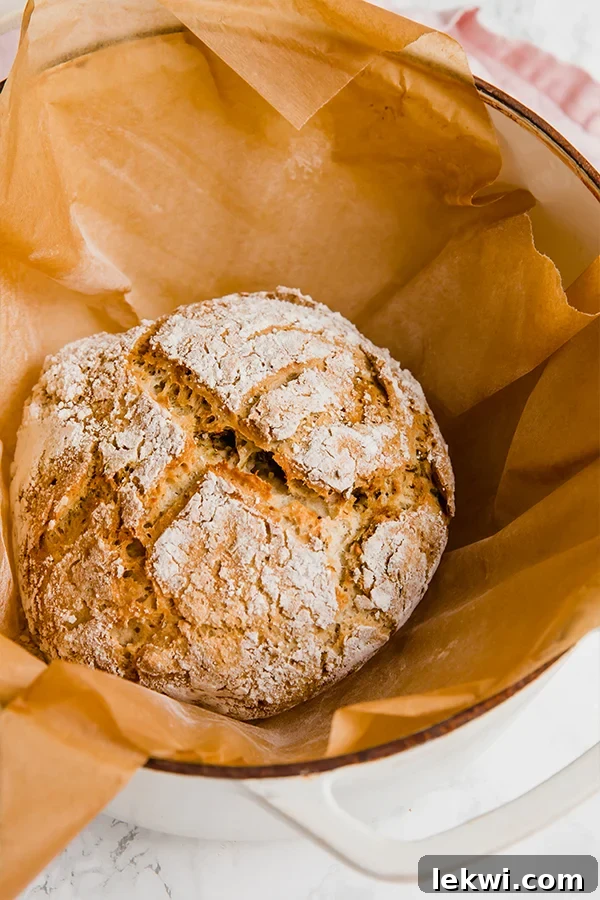
A Dutch oven is truly the secret weapon for this recipe. My experience in a sourdough bread baking class solidified my love for baking bread in these versatile pots. The heavy, enclosed environment of a Dutch oven creates a perfect mini-oven inside your main oven. It traps steam released by the dough, which is crucial for developing a thin, crisp, and golden crust, mimicking the professional steam-injected ovens found in bakeries. This steamy environment also keeps the bread moist during the initial baking phase before it’s allowed to crisp up.
Any large Dutch oven will work effectively. However, if you have the option, I recommend using a larger one (5-7 quarts) as it provides more space for the bread to expand and rise without constraint. This extra room can contribute to a better-shaped loaf and more even baking.
Parchment Paper
Parchment paper is an absolute must-have for this recipe. It serves multiple critical functions. First and foremost, it prevents your dough from sticking to the bottom of the hot Dutch oven, making removal effortless and mess-free. Secondly, and perhaps even more importantly for safety, it acts as a sling. You can use the edges of the parchment paper to carefully lift and transfer the delicate dough into the screaming hot Dutch oven, minimizing the risk of burns. It also facilitates easy transfer of the baked loaf to a cooling rack.
A Cooling Rack
While often overlooked, a cooling rack plays a pivotal role in the final texture of your gluten-free bread. Once removed from the oven, bread continues to cook as it cools. Placing the hot loaf directly on a solid surface can trap steam, leading to a soggy bottom and a gummy texture – a common complaint with gluten-free breads. A cooling rack allows air to circulate evenly around the entire loaf, ensuring that steam dissipates properly. This critical step guarantees that your crust remains crispy and the interior achieves that desirable, non-gummy, perfectly baked consistency. Allow the bread to cool for at least one to two hours on the rack for optimal results.
Crafting Your No-Knead Gluten-Free Bread: A Step-by-Step Guide
Creating this delicious no-knead gluten-free bread is a surprisingly simple process, relying more on patience than on complex baking skills. Follow these steps carefully to achieve a perfect rustic loaf:
- Step 1: Activate the Yeast. In a large mixing bowl, combine the active dry yeast with 1 cup of warm water (ensure the temperature is between 110-120°F (43-49°C) – too hot will kill the yeast, too cold won’t activate it) and the honey. Stir gently to help the honey dissolve and distribute the yeast. Cover the bowl tightly with plastic wrap or a clean kitchen towel and let it sit for 5-15 minutes. You’ll know the yeast is active when the mixture becomes foamy and bubbly on top, indicating it’s alive and ready to work.
- Step 2: Mix the Dough and Allow it to Rest. To the activated yeast mixture, add the gluten-free all-purpose flour, baking soda, apple cider vinegar, olive oil, garlic and herb seasoning, and salt. Using a rubber spatula, stir the ingredients thoroughly until they are fully combined and a shaggy, cohesive dough forms. Gluten-free dough can be a bit sticky, which is normal. Once mixed, cover the bowl tightly again and let the dough rest at room temperature for 45-60 minutes. This resting period is crucial as it allows the flour to fully hydrate and the flavors to meld.
- Step 3: Preheat the Oven and Dutch Oven. While your dough is resting, preheat your oven to a high temperature of 450°F (230°C). Once the oven reaches temperature, carefully place your empty Dutch oven (with its lid) inside the preheated oven. Allow the Dutch oven to preheat for at least 30 minutes. This step is essential; a screaming hot Dutch oven will create the initial burst of steam needed for a fantastic crust.
- Step 4: Form the Bread. Lay out a piece of parchment paper on your counter and lightly dust it with extra gluten-free flour. Lightly flour your hands as well. Carefully scoop the sticky dough out of the bowl and onto the floured parchment paper. Using your floured hands, gently form the dough into a tight, round loaf. If the dough is too wet to handle, sprinkle a little more flour onto it and your hands until it’s manageable. For a classic look, use a sharp knife or razor blade to lightly score a cross or a few parallel lines into the top of the dough; this helps control expansion during baking.
- Step 5: Bake the Bread. Very carefully, using oven mitts, remove the preheated Dutch oven from the oven and take off the lid. Be mindful of the intense heat. Gently lift the dough using the parchment paper as a sling and transfer it, still on the parchment paper, into the hot Dutch oven. Replace the lid securely. Carefully place the covered Dutch oven back into the preheated oven and bake for 35 minutes. After 35 minutes, carefully remove the lid of the Dutch oven (again, watch out for steam!). Continue baking for an additional 15-20 minutes, or until the bread achieves a deep golden-brown crust and sounds hollow when tapped on the bottom. Keep an eye on the parchment paper during this stage to prevent it from burning excessively.
- Step 6: Cool Completely. This is perhaps the most critical step for gluten-free bread. Once baked, carefully remove the bread from the Dutch oven and immediately transfer it, still on the parchment paper, to a wire cooling rack. Allow the bread to cool completely to room temperature before slicing and serving. This will take at least one hour, but preferably two hours. Rushing this step will result in a gummy interior, as gluten-free breads need this time for the internal moisture to redistribute and set properly.
- Step 7: Slice and Serve. Once fully cooled, slice your beautiful homemade no-knead gluten-free bread. Serve it toasted or untoasted, with your favorite toppings – a dollop of butter, a drizzle of olive oil, or alongside a hearty soup. Store any leftovers in an airtight container in the fridge to maintain freshness.
Frequently Asked Questions About Gluten-Free Bread
Can you make this bread with other gluten-free flours?
While I haven’t extensively tested this specific recipe with a wide variety of gluten-free flour blends, you can generally expect similar results with other reputable cup-for-cup gluten-free all-purpose flour blends. These blends are formulated to behave similarly to wheat flour in recipes. However, keep in mind that the exact composition of different GF blends can vary (some are rice-heavy, others contain more tapioca or potato starch), which might slightly impact the final texture or hydration needs. If you try a different brand, you might need to adjust the water slightly to achieve the right dough consistency – it should be wet and shaggy, not overly stiff. For best results, stick to a high-quality, pre-mixed cup-for-cup gluten-free all-purpose flour rather than single flours.
Can you make this bread grain-free?
This bread is not designed to be grain-free. The recipe relies on gluten-free all-purpose flour, which typically contains various grain-based flours like rice flour. Attempting to substitute grain-free flours (such as almond flour, coconut flour, or cassava flour) would drastically alter the dough’s chemistry and require significant modifications to the liquid ratios, leavening agents, and baking times. These flours behave very differently from traditional grain flours. For optimal results and to avoid disappointment, I strongly recommend seeking out a recipe specifically developed for grain-free bread rather than trying to adapt this one.
How should I store this homemade bread?
Once your no-knead gluten-free bread has cooled completely, it’s best to store it in an airtight container at room temperature for 1-2 days. For longer freshness, especially in humid climates, it’s advisable to store it in the refrigerator, where it will keep well for up to 5 days. For the best texture after refrigeration, simply toast slices before serving.
Can I freeze this bread?
Absolutely! This bread freezes beautifully. Once the loaf is completely cooled, you can either freeze it whole or slice it first and freeze individual slices. Wrap the whole loaf or individual slices tightly in plastic wrap, then place them in a freezer-safe bag or container. It will keep well in the freezer for up to 3 months. When ready to enjoy, thaw slices at room temperature or toast directly from frozen for a quick treat.
“I don’t want to make my own bread… what’s your favorite gluten-free bread?”
I completely understand that sometimes, despite the ease of a no-knead recipe, you just need a reliable store-bought option. By far, my absolute favorite gluten-free bread is Bread Srsly GF sourdough bread! I’ve been a huge fan of it, especially during my pregnancy, and it truly is incredibly delicious with a fantastic texture and flavor. While it might not be available in all local stores, they offer fast shipping, and the bread freezes wonderfully, so you can stock up. If you’re eager to try it, you can use the code UNBOUNDWELLNESS to get free shipping on your first order!
Pro Tips for No-Fail Gluten-Free Bread
Achieving the perfect gluten-free no-knead bread is well within your reach, especially with these insider tips:
- Mastering Yeast Activation: The biggest pitfall in bread making is often improperly activated yeast. The ideal water temperature for active dry yeast is between 110°F and 120°F (43-49°C). Water that’s too hot will kill the yeast, rendering it inactive, while water that’s too cold won’t wake it up. A reliable kitchen thermometer is your best friend here. Don’t proceed with the recipe until you see a clear layer of foam and bubbles on the surface of your yeast mixture, indicating it’s lively and ready to make your bread rise.
- Patience is Key: The Cooling Rule: This cannot be stressed enough, especially for gluten-free bread. Gluten-free flours absorb and release moisture differently than wheat flour. Slicing into a warm gluten-free loaf, no matter how tempting, almost guarantees a gummy, doughy texture. The bread needs ample time to set and for its internal moisture to redistribute evenly as it cools. For best results, allow your loaf to cool completely on a wire rack for a minimum of one hour, but preferably two hours, before cutting into it. This patience will be rewarded with a perfectly textured, non-gummy crumb.
- Unleash Your Inner Flavorist: Seasoning Variations: While our garlic and herb blend provides a fantastic flavor foundation, feel free to get creative and customize your loaf! Gluten-free bread can sometimes benefit from strong flavors to keep it from being bland. Consider adding other dry herbs like a pinch of dried rosemary or thyme directly into the dough. Onion flakes or finely minced dried onions can add another layer of savory depth. For a spicy kick, a touch of red pepper flakes could be an interesting addition. You could also experiment with different types of oil, such as avocado oil, for a different subtle undertone. Don’t be afraid to make this recipe truly your own!
- Don’t Overmix the Dough: Unlike traditional wheat bread where kneading develops gluten, gluten-free dough benefits from minimal mixing. Once all the ingredients are combined and a cohesive, shaggy dough forms, stop mixing. Overmixing can lead to a tougher, denser gluten-free loaf. The long rest period will do the work of hydrating the flours and developing structure.
- Listen to Your Oven: Every oven is a little different. While the temperature and baking times provided are a great guide, use your senses. If your bread is browning too quickly, you might need to slightly reduce the temperature or tent it loosely with foil during the final uncovered baking stage. If it’s not browning enough, extend the uncovered baking time by 5-10 minutes. A truly baked loaf will have a deep golden-brown crust and sound hollow when tapped on the bottom.
More Gluten-Free Goodness to Explore
If you’ve enjoyed making this delicious no-knead gluten-free bread, you might be interested in exploring more gluten-free baking adventures:
- AIP Dinner Rolls: For those following an Autoimmune Protocol, these garlic and herb rolls offer a compliant and flavorful bread option.
- Plantain Banana Bread: A naturally sweet, moist, and delicious banana bread alternative that’s grain-free and gluten-free.
No-Knead Gluten Free Bread
Cook Time: 45 mins
This no-knead gluten-free bread is an easy and delicious option for homemade bread! This rustic loaf is flavored with garlic & herb seasoning and olive oil.
This recipe ensures a delicious, homemade gluten-free bread experience with minimal effort. Enjoy the process and the fantastic aroma!
Ingredients
- 1 tsp active dry yeast
- 1 cup water, 110-120F
- 1 tsp honey
- 1 ½ cup gluten-free flour (I used this brand. Plus extra to flour hands)
- ½ tsp baking soda
- 1 tsp apple cider vinegar
- 2 tbsp olive oil
- 2 tsp garlic and herb seasoning (I use this brand)
- 1 tsp salt
Instructions
- Add the yeast to a large bowl and pour the water over the yeast along with the honey. Gently combine to dissolve the yeast. Tightly cover the yeast mixture and allow to sit for 5-15 minutes. The top of the mixture should be foamy and bubbly.
- Add the remainder of the ingredients to the yeast mixture and stir with a rubber spatula to fully combine. Tightly cover the bowl and allow to sit for 45-60 minutes.
- While the bread sits, preheat the oven to 450 F. Once heated, transfer a dutch oven/cast iron pot to the oven to allow to preheat.
- Set out a piece of parchment paper that’s lightly floured. Flour your hands and scoop the bread dough out of the bowl and onto the parchment paper. Add more flour as needed if the dough is wet to make it easier to work with. Form the dough into a tight, round bread loaf. Use a sharp knife to lightly score a cross into the top of the bread.
- Very carefully remove the dutch oven from the oven and remove the lid. Transfer the bread dough along with the parchment paper to the dutch oven and cover.
- Place the covered dutch oven back in the oven and allow to bake for 35 min.
- Carefully remove the lid of the dutch oven and bake for another 15-20 minutes or until the bread is crisped to your liking. (Be careful about the parchment paper burning)
- Remove the bread from the oven and carefully transfer to a cooling rack. Allow to cool completely and come to room temperature (this will at least take one hour, but preferably two hours) before slicing and serving.
- Serve toasted or untoasted with toppings of your choice! Store in the fridge.
Notes
See above for potential substitutions for this recipe.
This recipe was adapted from here and here. Also, shout out to Kuluntu Bakery for the bread baking class I took with them to help learn how to bake a beautiful sourdough loaf from scratch, which helped to perfect this recipe!
All nutritional information are estimations and will vary. Estimations do not include optional ingredients.
Nutrition Information
Serving: 1 serving, Calories: 122 kcal, Carbohydrates: 19.4g, Protein: 2.8g, Fat: 3.8g, Fiber: 0.8g
All nutrition facts are estimated and will vary.
We hope you enjoy this simple yet incredibly rewarding recipe for No-Knead Gluten-Free Bread. It’s a testament to how easy and satisfying gluten-free baking can be. Happy baking!