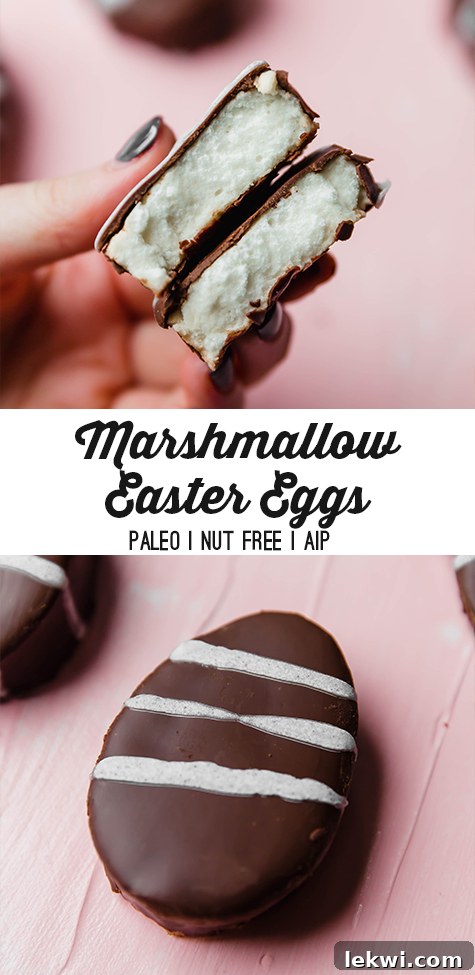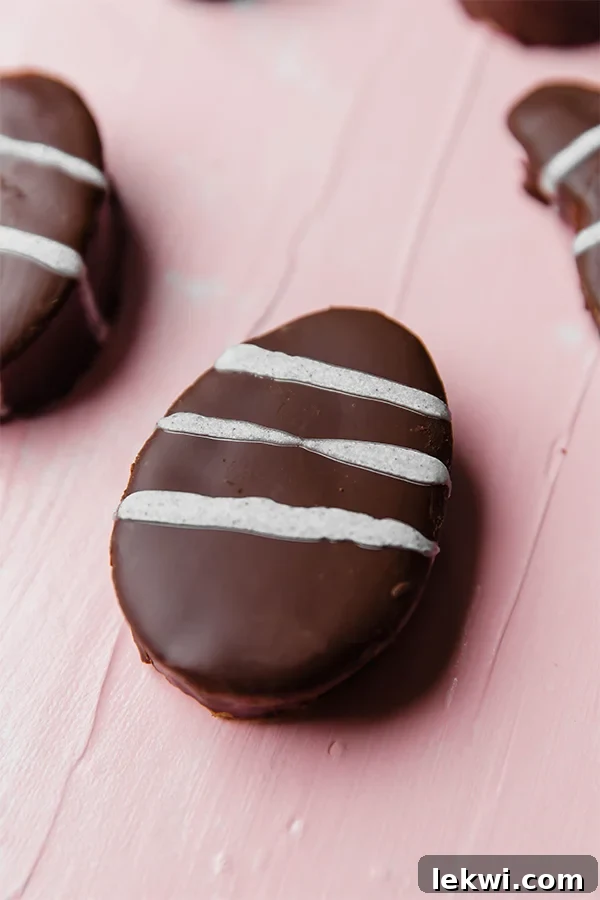
As spring awakens, so does the joyful anticipation of Easter, a season often synonymous with delightful treats and cherished family traditions. While the aisles may be brimming with conventional candies, there’s a unique satisfaction in crafting your own healthier versions at home. These delightful homemade Marshmallow Easter Eggs are a perfect example, offering a real food alternative to classic Easter candy. They are not only incredibly fun to make and decorate but are also thoughtfully created to be nut-free, Paleo, and AIP compliant, making them accessible for a wider range of dietary needs without sacrificing flavor or festive spirit.
Embracing the Nostalgia of Easter Treats with a Healthy Twist
The period between Valentine’s Day and Easter often feels like a sweet lull, a time when hearty comfort foods dominate our tables during the tail end of winter. But as Easter approaches, a familiar wave of nostalgia washes over us, drawing us back to the vibrant colors and iconic shapes of childhood candies. For many, this might conjure memories of Cadbury eggs, chocolate bunnies, or those wonderfully fluffy marshmallow eggs. It was certainly a highlight of my younger years, and the thrill of the Easter candy aisle was unmatched.
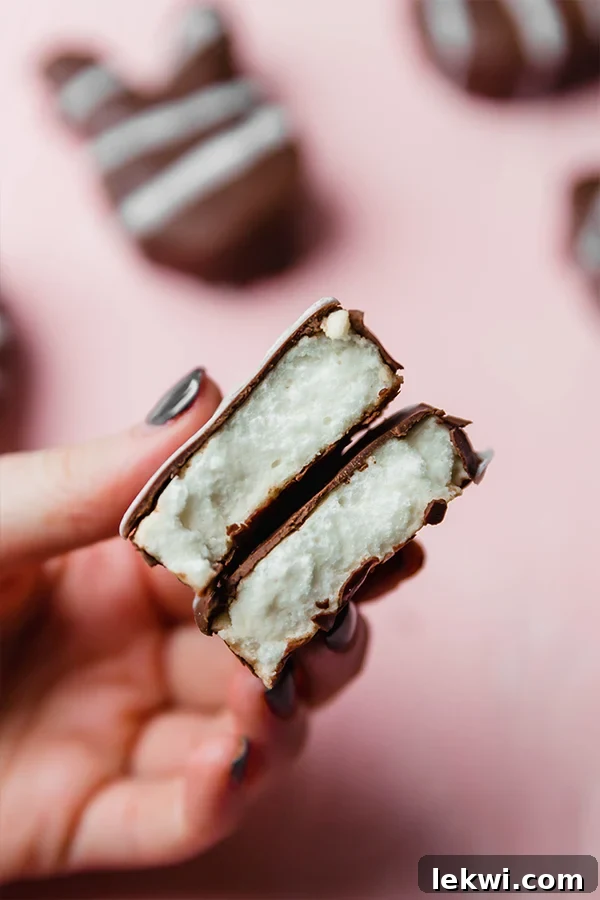
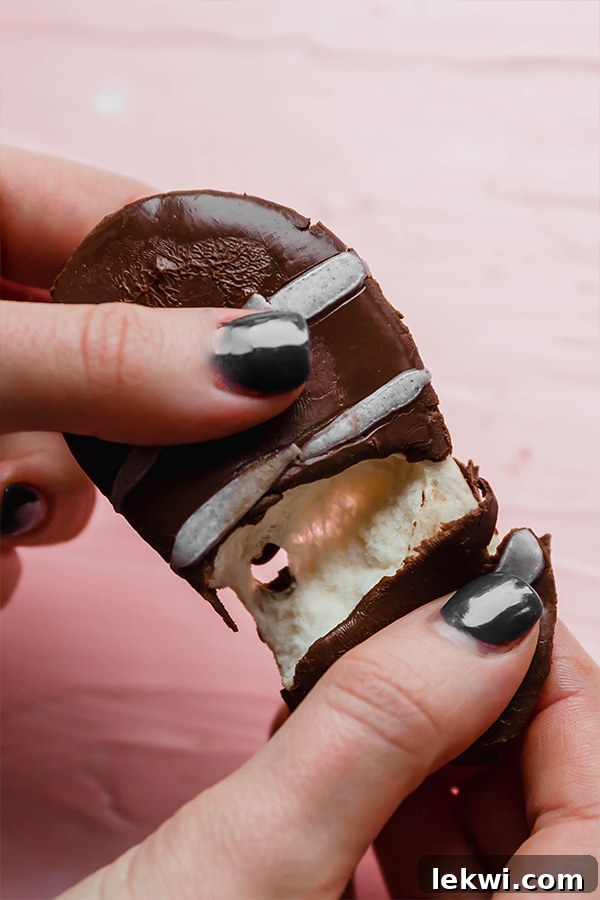
That cherished nostalgia is precisely what inspired the creation of these Real Food Marshmallow Easter Eggs. Why settle for store-bought confections laden with artificial ingredients and common allergens when you can recreate the magic right in your own kitchen? This recipe invites you to dive into a creative culinary project that promises both delicious results and a fun, engaging craft for all ages. Imagine biting into a soft, pillowy marshmallow, enrorobed in rich, dairy-free chocolate, and adorned with natural, vibrant colors – a true celebration of spring and healthier indulgence.
Our homemade marshmallows are a far cry from their store-bought counterparts, meticulously crafted without corn syrup, questionable additives, or weird ingredients. This means you get a pure, wholesome treat that aligns perfectly with a nut-free, Paleo, and Autoimmune Protocol (AIP) lifestyle. It’s about returning to the basics, using simple, quality ingredients to create something truly special and nourishing.
Crafting Your Own Marshmallow Easter Eggs: A Step-by-Step Guide
Making these delightful treats is a rewarding process, broken down into two main stages: preparing the homemade marshmallows and then coating them in chocolate and decorative drizzles. Follow these detailed steps to ensure perfectly soft, delicious, and festive Easter eggs.
Step 1: Preparing the Perfect Paleo & AIP Marshmallows
- Prepare Your Pan: Start by preparing a large casserole dish or baking pan. Line it generously with parchment paper, leaving an overhang on the sides for easy removal. Lightly dust the parchment paper with arrowroot starch to prevent sticking, ensuring your marshmallows release effortlessly later on.
- Bloom the Gelatin: In a small bowl, pour 1/2 cup of cold water. Evenly sprinkle the gelatin powder over the water’s surface. Stir gently with a spoon or fork to ensure all the gelatin is moistened and combined with the water. This process, known as “blooming,” allows the gelatin to soften and dissolve more easily later. Set this bowl aside for about 5-10 minutes while you prepare the honey syrup.
- Simmer the Honey Syrup: In a medium-sized, heavy-bottomed pot, combine the honey with the remaining 1/2 cup of water. Place the pot over low heat and gently bring the mixture to a temperature of 235-240°F (113-116°C). Using a candy thermometer is crucial here for accuracy; achieving this specific temperature range is key to the marshmallow’s final texture and stability. Resist the urge to increase the heat too quickly, as slow heating prevents scorching and ensures even cooking. As soon as the mixture reaches the desired temperature, immediately remove the pot from the heat.
- Whip the Marshmallow Mixture: Carefully and slowly pour the hot honey syrup into the bloomed gelatin mixture while continuously whisking. This can be done with an electric hand mixer on medium-low speed or, ideally, in a stand mixer fitted with the whisk attachment. Continue whisking the mixture on medium-high speed for an extended period, typically 10-12 minutes. During this time, the mixture will transform: it will cool down to lukewarm, become significantly thicker, and start to form soft, glossy peaks, resembling fluffy whipped cream. The long whisking time incorporates air, which is essential for that signature light and airy marshmallow texture.
- Set the Marshmallows: Once the marshmallow mixture is thick, glossy, and forming peaks, immediately pour it into your prepared casserole dish. Use a spatula to spread it evenly into the pan. Place the pan in the refrigerator to chill and harden for a minimum of 4 hours, or preferably overnight, to ensure it sets completely.
- Cut and Store: Once fully set, lift the marshmallow slab out of the pan using the parchment paper overhang. Place it on a clean cutting surface. Dip your favorite egg-shaped cookie cutter (or bunny, chick, or carrot shapes for variety!) into arrowroot starch to prevent sticking, and then press firmly through the marshmallow slab to cut out your Easter eggs. Re-coat the cutter with starch as needed. Store the cut marshmallows in an airtight container in the refrigerator until ready to coat.
Step 2: Coating and Decorating Your Easter Marshmallows
- Melt the Chocolate Coating: Prepare a double boiler by placing a heatproof bowl over a saucepan of simmering water, ensuring the bowl does not touch the water. Add the dairy-free chocolate chips (or carob chips for AIP) and coconut oil to the bowl. Stir occasionally until the chocolate is completely melted and smooth. The gentle heat of the double boiler prevents the chocolate from seizing or burning.
- Dip the Marshmallows: Using a fork, carefully dip each marshmallow egg one by one into the melted chocolate, ensuring it’s fully coated. Lift the marshmallow out, allowing excess chocolate to drip off. Place the coated marshmallows on a sheet of parchment paper.
- Chill for Setting: Transfer the parchment-lined tray with the chocolate-coated marshmallows to the refrigerator. Allow them to chill for at least 15-20 minutes, or until the chocolate coating is completely hardened.
- Prepare and Drizzle Colored Coating: While the chocolate is setting, prepare your colorful drizzle. In a small bowl, combine the melted coconut butter with your natural coloring of choice. For green, use matcha powder; for yellow, turmeric powder works beautifully; and for a lovely purple, beetroot powder is ideal. Mix well until the color is vibrant and uniform.
- Decorate and Harden: Once the chocolate coating on your marshmallow eggs is firm, use a spoon or a small piping bag to drizzle the colored coconut butter over them in fun, festive patterns. Get creative with zigzags, dots, or swirls! Return the decorated marshmallow eggs to the refrigerator for another 10-15 minutes to allow the coconut butter drizzle to harden completely.
- Serve and Enjoy: Serve your beautiful homemade Marshmallow Easter Eggs chilled. They are a delightful, guilt-free treat perfect for any Easter celebration!
Essential Ingredients & Tools for Your Marshmallow Masterpiece
Creating these delightful Paleo and AIP Marshmallow Easter Eggs requires just a handful of quality ingredients and some basic kitchen tools. Each component plays a crucial role in achieving the perfect texture and flavor while adhering to dietary guidelines.
Key Ingredients
- Honey, Water, Gelatin, and Arrowroot Starch: This quartet forms the foundation of our wholesome marshmallows.
- Gelatin: A crucial ingredient for achieving the characteristic jiggly, bouncy texture of marshmallows. It’s important to use high-quality, grass-fed gelatin. While gelatin and collagen both come from similar sources and offer similar health benefits, they are not interchangeable in this recipe. Gelatin sets firmly and creates the desired marshmallow structure, whereas collagen does not.
- Honey: Our natural sweetener of choice, replacing refined sugars and corn syrup often found in commercial marshmallows. While a full cup of honey is needed for the structure of the marshmallows, the overall sugar intake can be moderated by enjoying these treats in sensible portions.
- Arrowroot Starch: Primarily used as a light dusting agent to prevent the sticky marshmallow mixture from adhering to surfaces, making cutting and handling much easier. It’s a fantastic grain-free alternative to cornstarch.
- Dairy-Free Chocolate Chips (or AIP Swap): To maintain the nut-free, Paleo, and AIP compliance, opting for high-quality dairy and soy-free chocolate chips is essential for the coating. For those strictly following the Autoimmune Protocol, carob chips are an excellent substitute, offering a similar rich flavor profile without the inflammatory compounds found in cacao. You can even make your own carob “chocolate” by melting carob powder with coconut oil and a touch of sweetener.
- Coconut Butter & Natural Coloring: These are the stars of the optional decorative drizzle, adding a vibrant touch and extra flavor.
- Coconut Butter: When melted, coconut butter provides a smooth, creamy base for creating colorful drizzles. It hardens nicely when chilled, creating beautiful decorative patterns.
- Natural Coloring: Move beyond artificial dyes by using natural powders like matcha for a lovely green, turmeric for a sunny yellow, or beetroot powder for an enchanting purple or pink hue. These plant-based colorings add visual appeal without unnecessary chemicals.
Recommended Tools
- Candy Thermometer: Absolutely essential for accurately measuring the temperature of the honey syrup. Precision here ensures your marshmallows set correctly and have the ideal texture.
- Electric Hand Mixer or Stand Mixer: Whisking the marshmallow mixture for 10-12 minutes requires significant effort. An electric mixer makes this process effortless, incorporating ample air for fluffy results.
- Medium-Sized, Heavy-Bottomed Pot: For heating the honey syrup evenly and preventing scorching.
- Double Boiler Setup: This gentle melting method ensures your chocolate coating becomes perfectly smooth and liquid without burning.
- Parchment Paper: Crucial for lining your pan, preventing sticking, and aiding in easy removal of the marshmallow slab.
- Cookie Cutters: While egg-shaped cutters are classic for Easter, don’t hesitate to explore other festive shapes like bunnies, chicks, or carrots to make your treats even more enchanting and personalized. The simpler shapes are often easier to coat.
- Forks and Spatulas: For dipping marshmallows and spreading mixtures.
Why Choose Homemade: The Benefits of Real Food Marshmallow Easter Eggs
Opting for these homemade Paleo and AIP Marshmallow Easter Eggs over their conventional counterparts offers a multitude of benefits, extending beyond just satisfying a sweet craving:
- Dietary Compliance: These marshmallows are meticulously crafted to be nut-free, Paleo, and AIP (Autoimmune Protocol) compliant. This makes them a safe and delicious option for individuals with allergies, sensitivities, or those following specific dietary regimens for health reasons. You can enjoy your Easter treats without worrying about hidden inflammatory ingredients.
- Real Food Ingredients: By making your own, you have complete control over what goes into your food. This recipe uses minimal, natural ingredients like honey, gelatin, and dairy-free chocolate, avoiding high-fructose corn syrup, artificial colors, flavors, and preservatives commonly found in store-bought candies.
- Customization and Creativity: Homemade treats open up a world of creative possibilities. Experiment with different natural food colorings, use various cookie cutter shapes, or even add a hint of extract (like vanilla or peppermint, if compliant) to the marshmallow mixture itself. It’s a fun project for the whole family, encouraging creativity and engagement in the kitchen.
- Freshness and Flavor: There’s simply no comparison to the taste and texture of freshly made marshmallows. They are incredibly soft, airy, and melt-in-your-mouth delicious, with a pure, unadulterated flavor that store-bought versions can’t match.
- Health Benefits: Gelatin, a primary ingredient, is renowned for its digestive health benefits, supporting gut lining integrity and contributing to healthy skin, hair, and nails. By choosing real food ingredients, you’re not just making a treat; you’re creating a nourishing snack.
Making your own Marshmallow Easter Eggs is more than just a recipe; it’s an experience. It’s an opportunity to create cherished memories, provide healthier options for loved ones, and savor the simple joy of a truly homemade holiday treat.
If you enjoy this recipe and are looking for more delightful and wholesome treats, you may also like these:
- Lemon Berry Scones
- Strawberry Shortcake Bars
- Strawberry Rhubarb Crisp
If you try this recipe out, be sure to leave a comment with a star rating to let me know how it turns out! Your feedback is so helpful to me and other Unbound Wellness readers!
5 from 1 review
Marshmallow Easter Eggs
Leave a Review
Pin Recipe
Ingredients
For the marshmallows
- 1 cup water, divided
- 3 tbsp gelatin
- 1 cup honey
- 2-3 tbsp arrowroot starch
For the coating
- 2 tbsp coconut oil
- ½ cup dairy-free chocolate chips, sub carob for AIP
- 3 tbsp coconut butter, melted
- 1-2 tsp natural coloring, matcha powder for green, turmeric for yellow, or beetroot powder for purple
Instructions
For the marshmallow
-
Prepare a large casserole dish pan by lining with parchment paper and coating with arrowroot starch.
-
Pour 1/2 cup of water into a small bowl and sprinkle the gelatin over top. Stir gently to ensure the gelatin is combined. Set aside.
-
Using a medium-sized pot slowly heat the honey combined with the other 1/2 cup of water. Slowly bring the temperature to 235-240 F degrees on low heat. Remove from heat immediately once the mixture comes to temperature.
-
Slowly add in the honey mixture into gelatin mixture as you whisking with either with an electric hand mixer or in a stand mixer. Continue whisking for 10-12 minutes. The marshmallow mixture should be lukewarm, thick, and marshmallow peaks should start to form.
-
Pour the mixture into the prepared pan and place in the fridge to harden for at least 4 hours.
-
Use an egg-shaped (or bunny, carrot, etc.) cookie cutter coated with arrowroot slice marshmallows. Store in the fridge.
For the coating
-
Use a double boiler method to melt the chocolate with the coconut oil until fully liquid.
-
Use a fork to dip the marshmallows one by one into the chocolate until fully coated. Place on parchment paper and chill in the fridge.
-
Prepare the colored coating by combining the coconut butter with the coloring of your choice. Drizzle the coconut butter over the hardened chocolate marshmallows. Return to the fridge to harden.
-
Serve chilled and enjoy!
Notes
Did you Make this Recipe?
Tag @unboundwellness on Instagram and hashtag #unboundwellness!