As I reflect on nearly a decade since the onset of significant Hashimoto’s symptoms, which ultimately ignited a multi-year gut healing odyssey, it’s clear my struggles with gut health are far from a recent development. In truth, these issues have been a lifelong companion, manifesting in myriad ways from persistent ear infections in childhood to enigmatic hives and the relentless cycle of post-meal binges stemming from chronic malnourishment. Every symptom, in retrospect, painted a vivid picture of deeply rooted, often hidden, gut problems.
This personal narrative, surprisingly, resonates with countless individuals I encounter. Many share similar stories, whether they’ve already embarked on their own gut health journeys or are just beginning to recognize the silent signals their bodies are sending. It underscores a profound truth: gut issues are incredibly prevalent, and the path to healing is a journey many undertake.
My own path was undeniably fraught with detours and mistakes, extending far longer than it should have. Yet, through perseverance, I ultimately achieved a remarkable level of healing. This transformation allowed me to reintroduce and enjoy a wider array of everyday foods, while experiencing a dramatic reduction in my debilitating symptoms. Along the way, I consulted numerous doctors, immersed myself in the nourishing power of bone broth, and even became a nutritional therapist myself. Every step, every challenge, every discovery, was unequivocally worth it.
Though I’ve healed immensely, that doesn’t mean the gut healing journey is over.
Regardless of the profound levels of healing we may achieve, the commitment to maintaining optimal gut health remains paramount. The work doesn’t conclude at some arbitrary point—it’s not finished simply because we can tolerate egg yolks again, nor when we grow weary of the effort. Instead, fostering good gut health is a continuous lifestyle, a fundamental practice especially crucial for those of us navigating autoimmune diseases. However, its benefits extend far beyond, enriching the well-being of everyone.
So, how do we transform this essential understanding into actionable, sustainable practices? Let’s delve into the fundamental pillars of long-term gut health maintenance.
1. Prioritize Gut-Healing Foods and Nutrient Density.
The foundation of a thriving gut lies in the nourishment we provide our bodies. As many of you know, my passion for bone broth is immense, and for good reason. This ancient elixir, rich in collagen, gelatin, and a spectrum of amino acids like glycine and proline, is a cornerstone for repairing and sealing the gut lining, reducing inflammation, and supporting overall digestive function. It’s a powerful and accessible tool in any gut-healing arsenal.
Beyond bone broth, a multitude of foods offer profound support for gut health. While I elaborate on five more essential foods in this post, the overarching principle is simple yet profound: **eat for nutrient density.** In our modern diets, it’s all too easy to consume foods that merely fill us up or provide a fleeting energy boost, yet offer little in terms of deep, cellular nourishment. This approach, while satisfying hunger in the short term, falls woefully short in supporting long-term health and vitality.
True sustenance comes from foods that literally build and repair your body at a cellular level, fueling every metabolic process and bolstering your immune system. Consider the groundbreaking work of Dr. Terry Wahls, who famously healed from progressive multiple sclerosis through a diet rich in nutrient-dense whole foods. Her protocol emphasizes an abundance of leafy greens, vibrant colorful vegetables, and sulfur-rich vegetables, alongside wild-caught fish, organ meats, and healthy fats. Consuming up to 9 cups of vegetables daily, Dr. Wahls demonstrated the incredible power of targeted nutrition to restore mitochondrial function and overall health. Even if you don’t follow the Wahls Protocol rigorously, its core principles—prioritizing a wide variety of whole, unprocessed foods teeming with micronutrients—offer invaluable guidance for everyone seeking to optimize their gut health and overall well-being. These foundational elements help reduce inflammation, support a diverse microbiome, and provide the building blocks for gut repair.
2. Embrace Wholesome Treats – You Don’t Need Junk Food.
One of the most insidious myths perpetuated by society is the notion that we somehow “need” junk food periodically to maintain our sanity. The narrative suggests that while healthy eating is commendable, a sleeve of double-stuffed Oreos or a fast-food burger is an essential occasional indulgence, lest we “lose it.” This mentality, regrettably, is precisely what cultivates a perceived need for splurges on nutrient-void foods that are, in reality, entirely unnecessary and often counterproductive to our health goals.
Our ancestors, for millennia, thrived without the convenience of Starbucks lattes, highly processed snacks, or fast food. They were, quite literally, fine – and often healthier than we are today. This historical perspective serves as a powerful reminder: junky, processed food is not a prerequisite for a fulfilling life. For years, this very mindset derailed my own gut healing journey. I would rationalize cravings, telling myself I simply “needed” those french fries or that burrito. Inevitably, these choices would set my gut health back by weeks, igniting a relentless cycle of cravings that grew stronger with each indulgence. The cycle only broke when I was brutally honest with myself: fake food was not synonymous with happiness or well-being.
This isn’t to say that we shouldn’t treat ourselves or enjoy delicious foods! On the contrary, I am a firm believer in the power of conscious indulgence. The key lies in understanding that treating ourselves doesn’t have to involve something from a package, laden with artificial ingredients, sugars, and unhealthy fats. Instead, we can find immense pleasure and satisfaction in real, wholesome food treats that nourish rather than detract from our health.
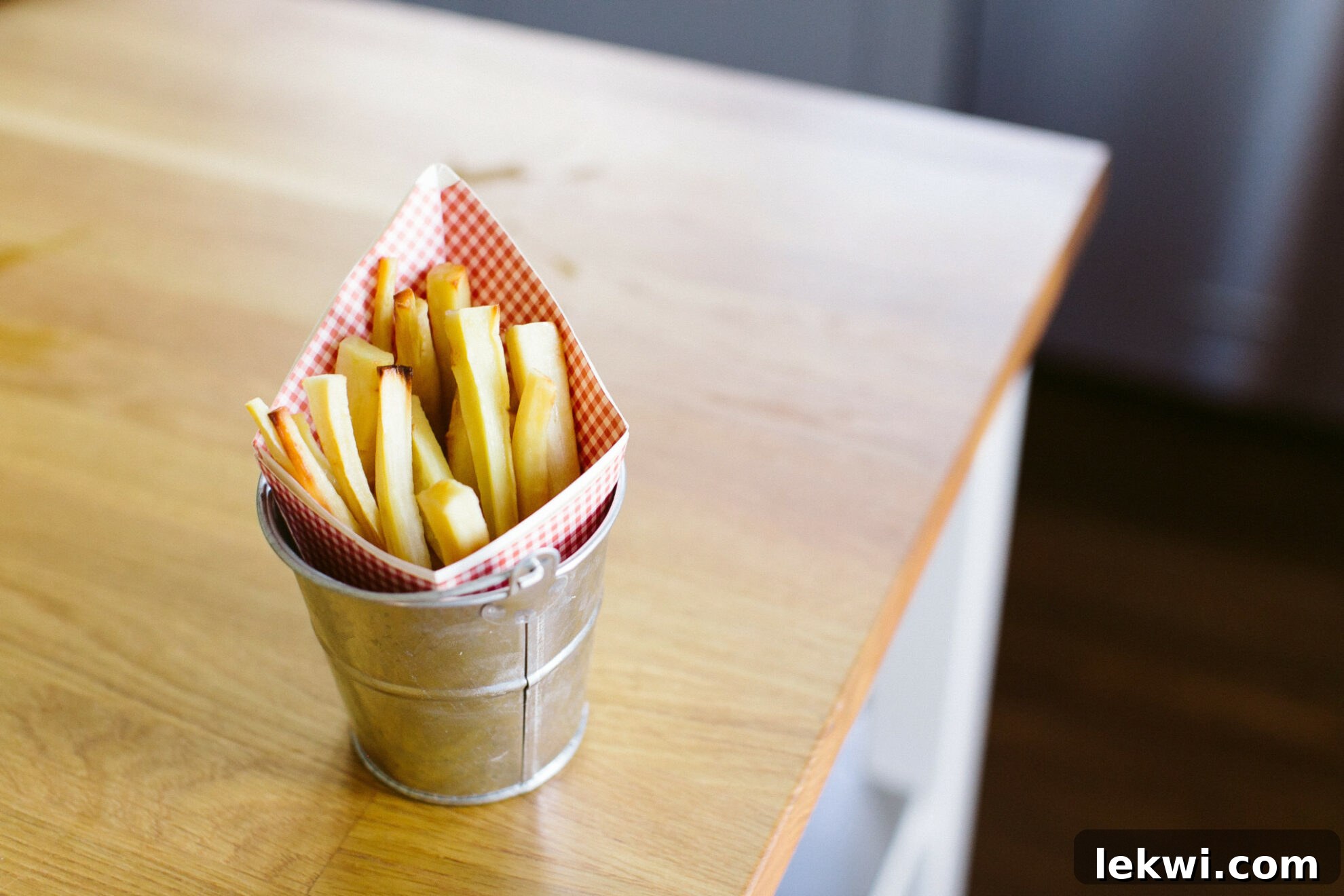
Consider the bounty of nature’s own candies: fresh, seasonal fruits like succulent figs, juicy peaches, vibrant cherries, or sweet grapes. These offer natural sugars alongside fiber, vitamins, and antioxidants. For something a little richer, I adore homemade chocolate collagen bites – a delicious way to enjoy a sweet treat while simultaneously supporting gut healing and skin health. Seasonal delights like a comforting hot “chocolate” made with nourishing ingredients, or starchy comfort foods such as perfectly roasted parsnip fries cooked in healthy fats, offer warmth and satisfaction without compromising your commitment to gut health. The possibilities for delicious, healthy treats are truly endless once you shift your perspective.
Furthermore, let’s not overlook the profound value of non-food treats. Experiences like a relaxing spa trip, an evening at the movies, or simply dedicated, quality time spent with family and friends are often profoundly underrated. These activities nurture our mental and emotional well-being, reduce stress, and contribute significantly to overall health, offering a different, yet equally vital, form of indulgence.
3. Maintain Ongoing Collaboration with Trusted Experts.
Even after experiencing significant improvements and achieving a certain level of healing, the journey of gut health is rarely a solo endeavor. It’s crucial not to abandon the invaluable support and guidance of qualified professionals. Regularly checking in with a nutritionist, a functional medicine doctor, or even a therapist specializing in chronic illness, can provide essential objective insights and help navigate the evolving landscape of your health.
While I am a nutritional therapist myself, I firmly believe in the power of an external perspective. I continue to work with my own practitioners to stay abreast of any subtle health shifts, adjust my maintenance protocols as needed, and ensure my strategies remain appropriate for my current state. The reality is, you don’t need to experience a flare-up or a setback to warrant a re-evaluation of your protocol. Our bodies, environments, and stress levels are constantly changing, and what worked perfectly six months ago might need subtle adjustments today. Working with a doctor or a specialized expert provides accountability, access to advanced testing, and the nuanced understanding required to address the bio-individuality of each person’s needs. They can offer an objective viewpoint, helping to identify potential issues before they become significant problems and fine-tune your approach to optimal well-being.
Of course, the wealth of information available through podcasts, blogs, and books from likeminded individuals is immense and incredibly valuable. These resources are priceless for education, inspiration, and building community. I have personally benefited enormously from the advice, recipes, and ideas shared by others on their health journeys. However, it’s important to recognize that these general resources, while helpful, cannot replace the personalized, one-on-one attention and tailored strategies that a professional practitioner can offer. A practitioner can delve into your specific history, symptoms, and lab results, crafting a bespoke plan that addresses your unique underlying imbalances, rather than relying on generic recommendations.
4. Nurture Your Friendly Gut Bacteria.
The human gut microbiome is a universe of its own, and science is still merely scratching the surface of its incredible complexity and profound impact on our health. However, one truth has become resoundingly clear: the trillions of microorganisms residing in our gut play an incredibly important, indeed foundational, role in our overall gut health, immune function, mood, and even nutrient absorption.
While the intricacies of the microbiome are highly individualized, the most consistently solid advice I can offer a general audience is two-fold: **incorporate fermented foods into your daily diet, and strategically rotate high-quality probiotics.** Fermented foods are nature’s own probiotic powerhouses, introducing beneficial bacteria into your digestive system. These can be readily found in the refrigerated section of most grocery stores – think classic sauerkraut, tangy kimchi, refreshing kefir, or the increasingly popular gut shot drinks. Beyond store-bought options, I highly recommend exploring the rewarding world of making your own fermented foods. Recipes like my probiotic ginger beet kvass are not only delicious but also fantastic for supporting digestion and enriching your gut flora.
Beyond live-culture foods, choosing a good quality probiotic supplement can provide a targeted boost. When selecting a probiotic, look for reputable brands that specify the strains of bacteria (e.g., Lactobacillus, Bifidobacterium) and their quantities (CFUs – Colony Forming Units). The concept of “rotating” probiotics is also beneficial, as different strains offer different benefits, helping to cultivate a more diverse and resilient gut microbiome. Furthermore, don’t forget the importance of prebiotics – the dietary fiber that feeds your beneficial gut bacteria. Incorporating a variety of fruits, vegetables, and whole grains ensures your friendly flora have the fuel they need to thrive and perform their vital functions.
5. Minimize Unnecessary Stress & Practice Mindful Eating.
The insidious impact of chronic stress on our health is often underestimated, proving to be just as detrimental as a diet rich in fast food. Stress profoundly affects healthy digestion, which is the undeniable cornerstone of a healthy gut. Our digestive system operates optimally when our body is in a relaxed, “rest and digest” state, governed by the parasympathetic nervous system. Conversely, when we are stressed, our sympathetic “fight-or-flight” response takes over, diverting blood flow away from digestive organs, suppressing enzyme production, altering gut motility, and potentially increasing intestinal permeability – all of which compromise proper digestion.
If we are constantly stressed, eating on the run, or consuming meals in front of screens that evoke further stress, we inevitably suffer from impaired digestion. I once led a corporate wellness program where I challenged participants (myself included) to consciously sit down, chew each bite 30-40 times, and eat in a truly relaxed state. While this might sound somewhat ridiculous in our fast-paced world, the results were eye-opening. All the diligent effort we put into selecting a healthy, gut-friendly diet can be utterly wasted if our bodies are too stressed to properly break down and absorb those vital nutrients.
Beyond the immediate impact on digestion, general life stress significantly impacts our overall health. It disrupts hormonal balance, exacerbates inflammation, weakens our immune system, and takes a heavy toll on mental well-being. I frequently ask my nutritional therapy clients to identify at least one significant stressor in their lives that they don’t actually need to be doing. The initial response is often defensive: “There’s nothing, it’s all necessary!” However, with honest introspection, surprising insights emerge. Is that demanding book club truly worth the added pressure? Is that side gig, while financially tempting, adding an unsustainable burden of extra effort and stress to your already packed day? Learning to set boundaries, delegate, and simply say “no” can be revolutionary for your health.
Equally important is actively carving out dedicated time for self-care and de-stressing. I encourage my clients to find any possible window during the week, be it a full day, a half-day, or even just 10-15 minutes, solely for themselves. This time, however brief, spent engaging in activities that promote relaxation – whether it’s meditation, a walk in nature, reading, or simply quiet contemplation – is time profoundly well spent. It allows your nervous system to reset, promoting healing and resilience.
6. Cultivate Joy and Enjoy Life.
In tandem with actively avoiding unnecessary stressors, cultivating a life filled with joy and happiness is not merely a pleasant aspiration, but a powerful component of holistic health. While I won’t claim that a cheerful disposition will magically improve your microflora by precisely 79% or offer any other pseudoscientific statistic, I can unequivocally tell you that embracing happiness makes you a healthier human being, both mentally and physically.
Living with chronic illness, navigating food allergies, and meticulously “tip-toeing” around life events can be incredibly challenging and emotionally draining. I understand this deeply. Yet, when we consciously choose to move beyond these challenges mentally, when we refuse to allow them to dictate or diminish our happiness, something truly remarkable happens. We reclaim our lives, allowing ourselves to fully experience and enjoy them. This mental shift isn’t about ignoring realities; it’s about developing resilience, finding gratitude, and focusing on what brings light into our lives, rather than being consumed by limitations.
One of my favorite affirmations, a timeless piece of wisdom, comes from Proverbs 17:22: “A cheerful heart is good medicine, but a crushed spirit dries up the bones.” This ancient proverb beautifully encapsulates the profound connection between our emotional state and our physical well-being. Embracing joy, seeking out laughter, and fostering a spirit of contentment are, indeed, powerful forms of medicine for the mind, body, and soul. They reduce stress, boost immunity, and simply make the journey of life, and gut health, infinitely more pleasant and sustainable.
Ultimately, it is crucial to remember that achieving and maintaining optimal gut health is a lifelong practice. It’s not a fleeting 30-day protocol with a definitive end date, nor is it something to be taken for granted once initial healing has occurred. It’s a continuous, evolving commitment to nourishing your body, managing your mind, and embracing a lifestyle that supports your internal ecosystem. Love your gut, love yourself, friends <3