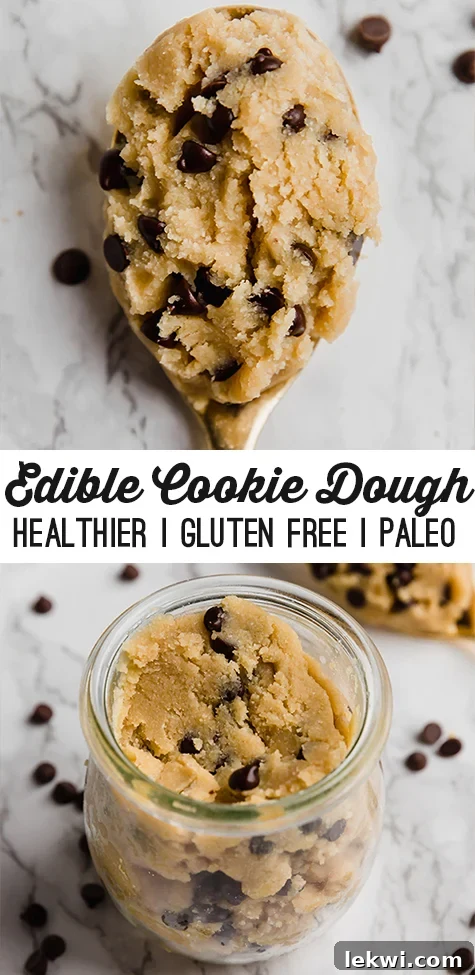
Indulge your deepest dessert cravings without the guilt or the oven! This utterly delicious edible cookie dough recipe is meticulously crafted to be a perfect no-cook snack. Forget the worries of raw eggs or unhealthy ingredients; this version is completely gluten-free, dairy-free, and proudly paleo-friendly, making it a fantastic treat for a wide range of dietary needs and preferences. Whether you’re adhering to a specific eating plan or simply seeking a healthier way to enjoy that beloved cookie dough texture and flavor, this recipe is your ideal solution.
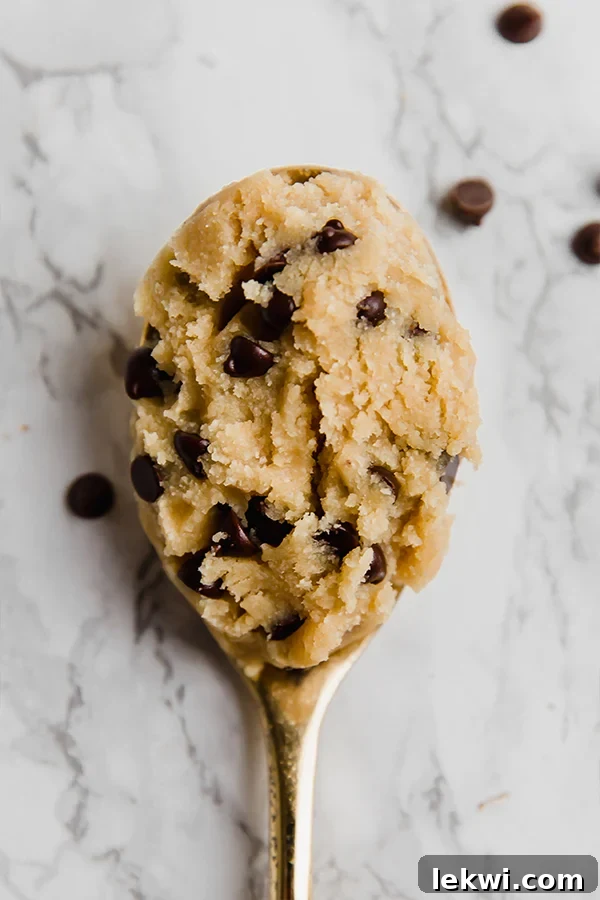
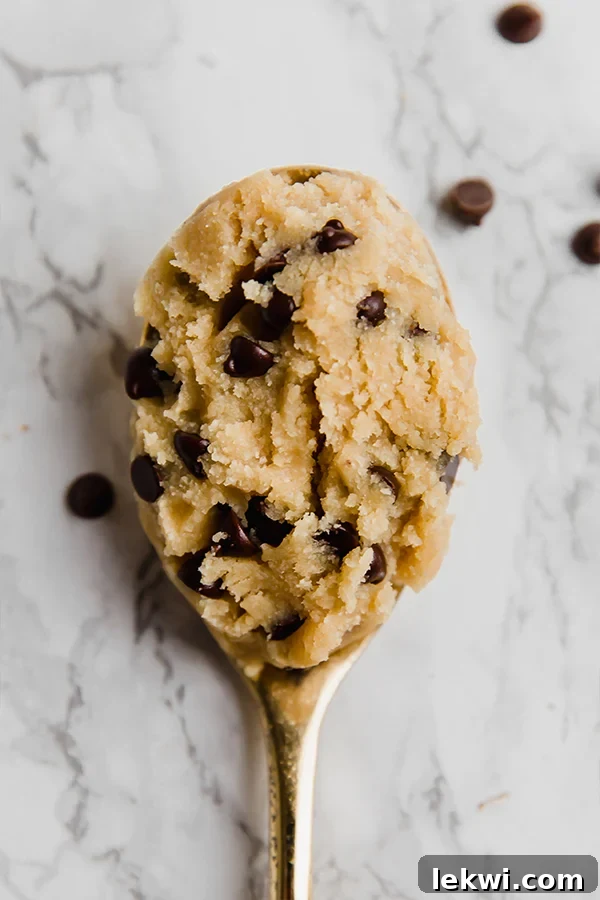
Spoon-Worthy Paleo Edible Cookie Dough: A Guilt-Free Indulgence
There’s a universal joy in wanting to grab a spoon and dive straight into a bowl of cookie dough. That irresistible, nostalgic craving often hits hard, but the common concern about raw eggs in traditional recipes can put a damper on the fun. Fortunately, the culinary world has evolved, offering brilliant solutions like this paleo edible cookie dough. It satisfies that deep desire for uncooked cookie dough without any of the typical worries.
What makes this recipe truly stand out is its incredible simplicity and speed. You don’t need exotic ingredients or advanced culinary skills. With just a few staple items you likely already have in your pantry and about five minutes of hands-on time, you can whip up a batch of this heavenly treat. Beyond being a speedy delight, this cookie dough is thoughtfully designed to be paleo, completely gluten-free, and with minor adjustments, it can even be made suitable for the Autoimmune Protocol (AIP) diet. It’s a testament to how easy and accessible healthy indulgence can be.
How to Make Gluten-Free Edible Cookie Dough: Your Ultimate Guide
Creating this delicious, wholesome, and safe-to-eat cookie dough is a straightforward process, broken down into just a few simple steps. The magic lies in combining the right ingredients to achieve that classic cookie dough texture and flavor, all without needing to turn on your oven. Here’s a detailed look at how to prepare your very own batch of gluten-free edible cookie dough:
- **Prepare Your Dry Ingredients:** In a medium-sized mixing bowl, thoroughly combine your almond flour and coconut flour. It’s crucial to stir these together until they are completely homogenous and free of any lumps. This ensures a smooth, consistent dough texture and prevents any pockets of unmixed flour.
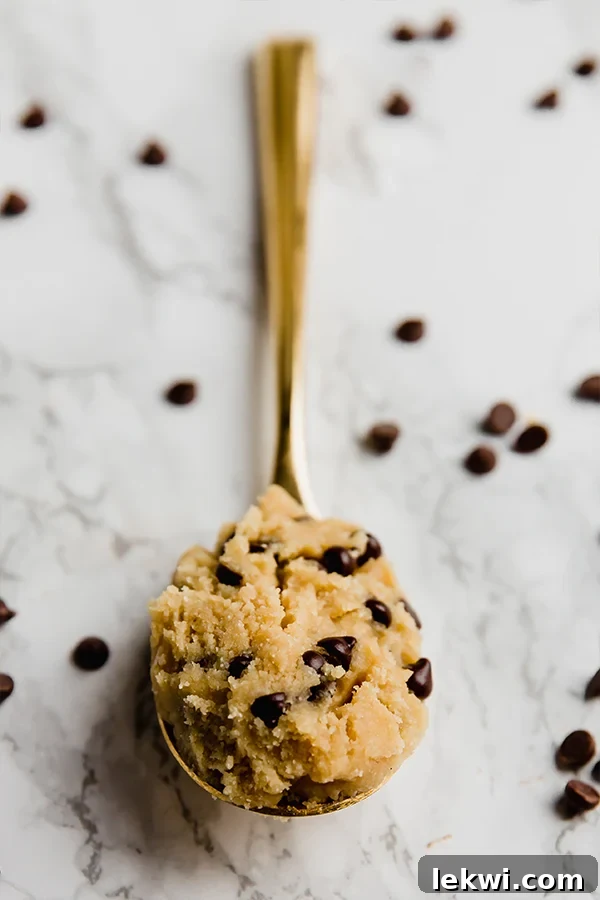
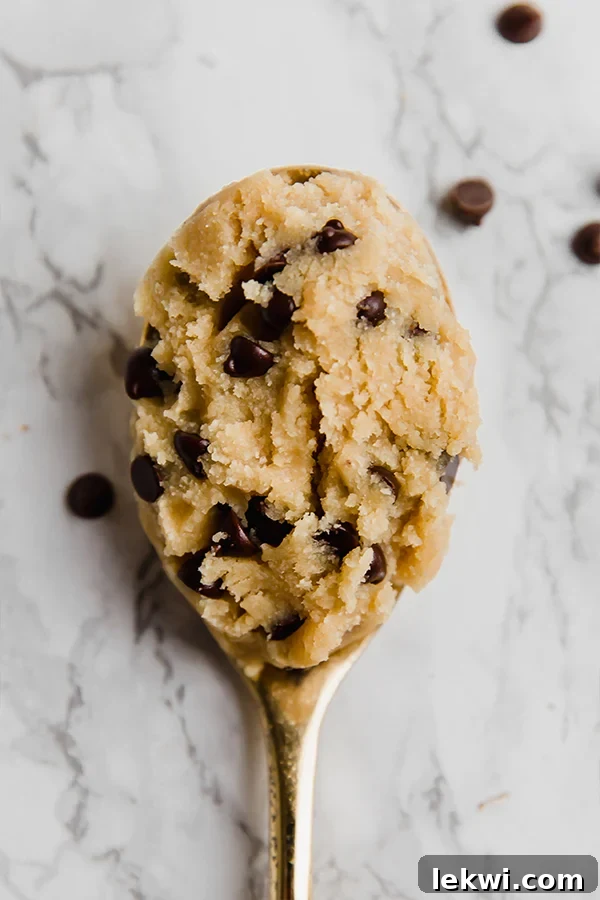
- **Incorporate the Wet Ingredients:** Gently fold in the melted ghee (or coconut oil), maple syrup, and vanilla extract (or vanilla bean powder). Continue stirring until these wet components are fully integrated with the dry ingredients. You’ll notice a soft, pliable cookie dough beginning to form. It should be easily manageable and have the familiar consistency you’d expect from traditional cookie dough.
- **Add Your Mix-Ins:** Now for the fun part! Carefully stir in the dairy-free chocolate chips. If you’re going for an AIP version, carob chips are a fantastic substitute. At this stage, you can also add flakey sea salt to taste. A pinch of salt perfectly balances the sweetness and enhances the overall flavor profile, giving it that classic sweet-and-salty cookie dough appeal.
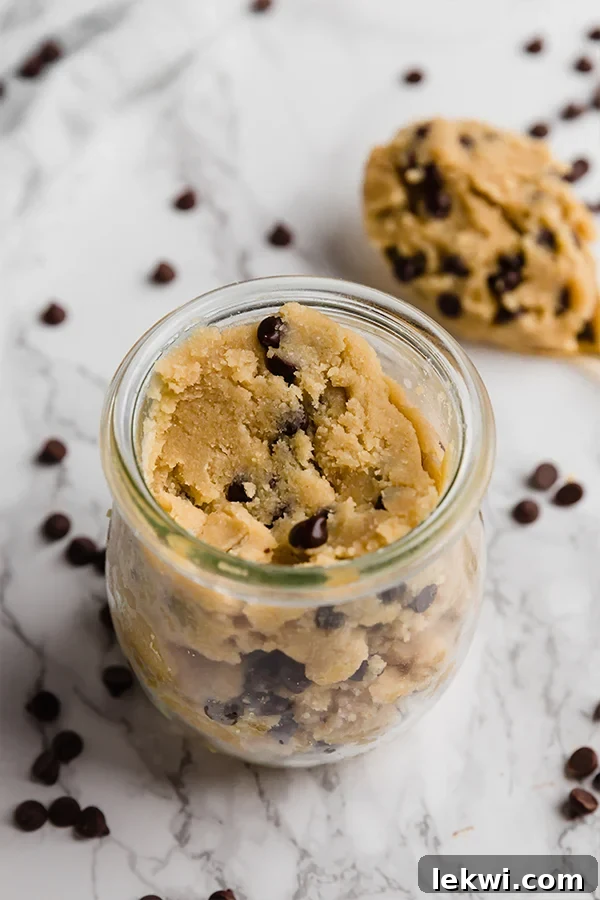
- **Enjoy or Store:** Your delightful edible cookie dough is now ready to be enjoyed immediately, straight from the bowl with a spoon! If you manage to have any leftovers (which is a big “if”), simply transfer them to an airtight container and store in the refrigerator for 3-4 days. This allows for convenient snacking whenever the craving strikes.
Frequently Asked Questions About Edible Cookie Dough
We’ve gathered some common questions about this unique treat to ensure you get the most out of your edible cookie dough experience.
How do you eat this cookie dough?
The beauty of edible cookie dough lies in its versatility, but its primary purpose is pure, unadulterated enjoyment straight from the bowl. Grab a spoon, dig in, and savor every delicious bite! It’s meant to fulfill that primal craving for raw cookie dough. Beyond just spooning it directly, consider using it as a topping for dairy-free ice cream, mixing it into a smoothie bowl for an added textural and flavor boost, or even rolling it into small balls for a quick, bite-sized energy snack. The possibilities for creative enjoyment are endless!
Can you bake cookies with this dough?
While this dough is incredibly delicious for direct consumption, it’s not formulated for baking. Traditional cookie doughs contain leavening agents like baking soda or baking powder, which react to heat and cause the cookies to rise and spread. This edible version lacks those agents and is designed to maintain its dense, chewy, and soft “raw” texture. If you were to bake it, the result would likely be flat, dense, and not at all like a proper cookie. For those seeking a fantastic baked option, I highly recommend exploring a dedicated recipe for paleo chocolate chip cookies that are specifically designed to bake into perfect treats.
How do you store this edible cookie dough? How long does it stay fresh?
To keep your edible cookie dough fresh and delightful, the best storage method is in a glass, airtight container placed in the refrigerator. When stored properly, it will remain fresh and delicious for approximately 3-4 days. However, experience suggests it rarely lasts that long! You might notice a slight change in texture as the ghee or coconut oil hardens when chilled, making the dough a bit firmer. Don’t worry, it still tastes absolutely wonderful, especially if you let it sit out for a few minutes to soften slightly before eating. While I haven’t personally experimented with freezing this exact recipe, edible cookie dough generally freezes well. Storing it in an airtight freezer-safe container could extend its shelf life for several weeks, allowing you to enjoy a quick treat whenever you desire.
Can you make this recipe nut-free? What about coconut-free?
For those with nut allergies or following the AIP protocol which excludes nuts, you can certainly try making this recipe nut-free by substituting the almond flour with tigernut flour. Tigernut flour is not a nut; it’s a small root vegetable that grinds into a flour with a slightly sweet, earthy flavor. Keep in mind that tigernut flour is naturally a bit more gritty than almond flour, so the final texture of your dough might not be identical, but it’s definitely worth a try for a safe and delicious alternative. As for making it coconut-free, I haven’t personally experimented with substitutions for coconut flour in this specific recipe. Coconut flour is highly absorbent and plays a crucial role in the dough’s structure, so finding a direct, equal substitute can be challenging.
Can you make this without the ghee?
Ghee, which is clarified butter, is a wonderful ingredient in this recipe. It’s essentially butter with the milk solids (lactose and casein) removed, making it dairy-free and suitable for many who are sensitive to dairy. Ghee imparts a rich, nutty, and almost “cakey” flavor that significantly enhances the cookie dough’s depth. However, if you need a strict dairy-free option or prefer an alternative, melted coconut oil is an excellent substitute. Coconut oil will provide a similar fat content and moistness, though it will impart a subtle coconut flavor to the dough. Ensure it is melted and slightly cooled before incorporating it into the mixture.
Can you use honey instead of maple syrup?
While both honey and maple syrup are natural sweeteners, they have very different consistencies and properties that will affect the final texture of your cookie dough. Honey is considerably stickier and thicker than maple syrup, and using it as a direct substitute would likely result in a much denser, gummier dough that might be difficult to work with and less pleasant to eat. For the best results and to achieve the intended soft, pliable cookie dough texture, I strongly recommend sticking with maple syrup. Its lighter consistency and unique flavor profile are integral to the success of this recipe.
Essential Ingredients for This Gluten-Free Edible Cookie Dough
The beauty of this recipe lies in its simplicity and the thoughtful selection of ingredients that cater to specific dietary needs without compromising on flavor or texture. Each component plays a vital role in creating that perfect, irresistible cookie dough experience:
- **Almond Flour:** This finely ground flour is the base of our gluten-free dough, providing a tender crumb and a slightly nutty flavor that mimics traditional wheat flour without the gluten.
- **Coconut Flour:** Known for its high absorbency, coconut flour helps create the ideal dough consistency while adding a subtle sweetness and fiber content.
- **Ghee:** Clarified butter (lactose and casein-free) lends a rich, buttery depth and contributes to the dough’s moist, decadent texture. For a strictly dairy-free option, melted coconut oil is a great alternative.
- **Maple Syrup:** A natural sweetener that not only adds a delightful sweetness but also contributes to the dough’s pliability and helps bind the ingredients together smoothly.
- **Vanilla Extract (or Vanilla Bean Powder):** Essential for that classic cookie dough aroma and flavor.
- **Dairy-Free Chocolate Chips (or Carob Chips):** The classic mix-in for an authentic cookie dough experience. Use carob for an AIP-friendly version.
- **Flakey Sea Salt:** A crucial ingredient for balancing the sweetness and enhancing all the flavors, giving a gourmet touch.
You’ll also love these wholesome sweet treats…
- Paleo chocolate chip cookies
- Paleo thin mints
Gluten-Free Edible Cookie Dough (Paleo, Healthier)
Rated 4.86 out of 5 stars by 7 reviewers.
Yield: 4 servings | Prep Time: 5 mins | Author: Michelle
This delightful edible cookie dough is the perfect no-cook snack! It’s completely gluten-free, dairy-free, and adheres to a paleo-friendly diet, offering a healthier way to indulge your cravings.
Leave a Review
Pin Recipe
Ingredients
- ¾ cup almond flour (see notes below for AIP swap)
- ¼ cup + 1 tbsp coconut flour
- ¼ cup maple syrup
- ½ tsp vanilla extract (sub vanilla bean powder for AIP)
- 3 tbsp ghee, melted (sub coconut oil for dairy-free/AIP)
- 2 tbsp dairy-free chocolate chips (sub carob chips for AIP)
- ½-1 tsp flakey sea salt (to taste)
Instructions
- In a medium bowl, combine the almond flour and coconut flour, stirring well to ensure there are no clumps and the flours are thoroughly mixed.
- Add the wet ingredients – melted ghee (or coconut oil), maple syrup, and vanilla extract (or vanilla bean powder) – to the dry flour mixture. Stir thoroughly until a soft, cohesive cookie dough forms. The consistency should be easily spoonable but firm enough to hold its shape.
- Carefully fold in the dairy-free chocolate chips. If desired, add the flakey sea salt now, adjusting the amount to your taste preferences for that perfect sweet and salty balance.
- Serve and enjoy your delectable edible cookie dough immediately. For best texture and firmness, store any leftovers in an airtight container in the refrigerator for up to 3-4 days.
Notes
To make this recipe AIP (Autoimmune Protocol-friendly): For a nut-free and AIP compliant version, tigernut flour is an excellent substitute for almond flour. Keep in mind that tigernut flour tends to be a bit grittier, so ensure it’s well-sifted for a smoother texture. Additionally, use coconut oil instead of ghee to keep it dairy-free, and opt for carob chips instead of chocolate chips, or finely shredded coconut for a different flavor profile.
All nutrition facts are estimated and will vary based on specific ingredients and brands used. This information is provided for convenience and should not be considered professional dietary advice.
Did you make this recipe?
We’d love to see your creations! Tag @unboundwellness on Instagram and use the hashtag #unboundwellness to share your edible cookie dough!
Want to save this recipe for later?
Simply bookmark this page or copy the link to easily revisit this delicious treat whenever you like!