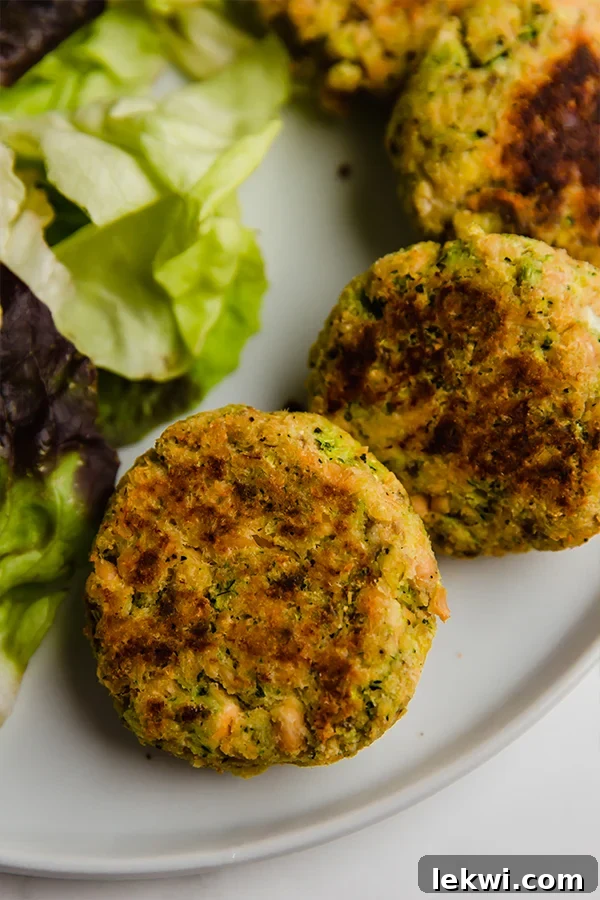
Delicious & Easy Paleo Salmon Cakes: Your Ultimate Guide to Healthy, Veggie-Packed Meals
Searching for a quick, healthy, and incredibly delicious meal that fits a strict dietary plan without compromising on flavor? Look no further! These Paleo Salmon Cakes are a game-changer. Crafted with simple, readily available canned salmon and packed with hidden vegetables, they offer a nutrient-dense solution for your busy weeknights or healthy meal prep.
Whether you’re following a Paleo, AIP (Autoimmune Protocol), or Whole30 lifestyle, these versatile salmon patties are perfectly compliant, making them an ideal choice for those focused on clean eating. They’re naturally gluten-free, dairy-free, and can easily be made egg-free with a simple substitute, ensuring everyone at your table can enjoy them.
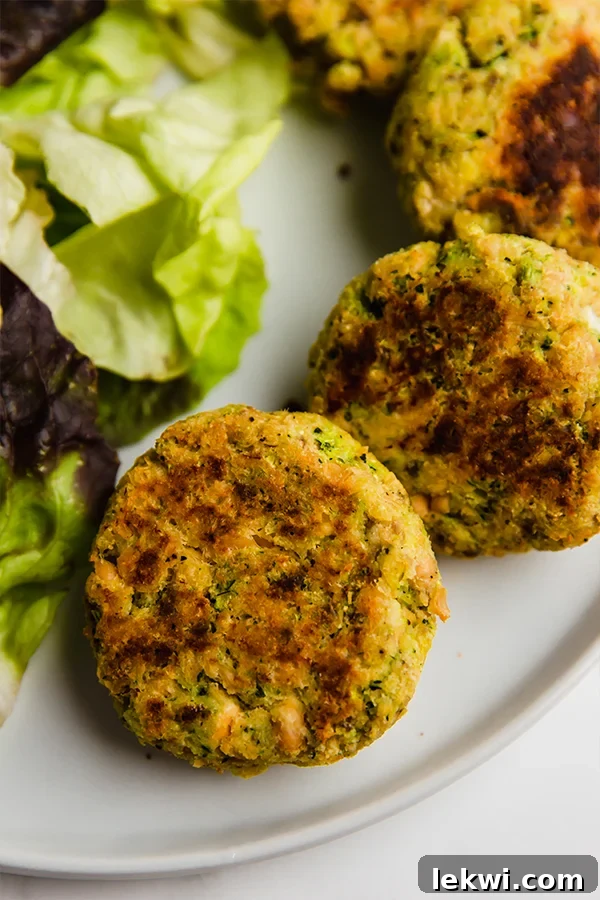
Why You’ll Love These Healthy Salmon Cakes
Salmon is a superfood, celebrated for its high content of Omega-3 fatty acids, crucial for heart health, brain function, and reducing inflammation. While full salmon fillets are wonderful, sometimes you need a more convenient or creative way to incorporate this powerhouse fish into your diet. That’s where these salmon cakes shine!
- Nutrient-Packed: Beyond the salmon, we’ve cleverly incorporated zucchini and leek, boosting the vitamin and fiber content without overpowering the flavor.
- Dietary Friendly: Fully compliant with Paleo, AIP, and Whole30 diets, these cakes are free from common allergens like gluten, dairy, and refined sugars.
- Quick & Easy: Utilizing canned salmon drastically cuts down on prep time, making this a perfect recipe for busy individuals or families.
- Versatile: Enjoy them on their own, as part of a salad, with roasted vegetables, or even in a lettuce wrap. The possibilities are endless!
- Kid-Friendly: The mild flavor and patty shape often make these a hit even with picky eaters, allowing you to sneak in those essential nutrients.
The Nutritional Powerhouse: Benefits of Salmon
Salmon is undeniably one of the healthiest foods on the planet, and here’s why it deserves a regular spot on your plate, especially when made into these delightful cakes:
- Rich in Omega-3 Fatty Acids: Salmon is an excellent source of EPA and DHA, essential Omega-3s that are vital for brain health, reducing chronic inflammation, and supporting cardiovascular function.
- High-Quality Protein: It provides a complete protein, offering all essential amino acids necessary for muscle repair, growth, and overall bodily functions.
- Packed with Vitamins & Minerals: Salmon is loaded with B vitamins (B12, B6, niacin, riboflavin), which are crucial for energy production and nerve function. It’s also a great source of selenium, a powerful antioxidant, and potassium.
- May Support Bone Health: With a good amount of Vitamin D (especially wild-caught), salmon contributes to calcium absorption, playing a role in maintaining strong bones.
- Boosts Mood: The Omega-3s in salmon have been linked to improved mood and reduced symptoms of depression.
Understanding Paleo, AIP, and Whole30 Compliance
For those navigating specific dietary guidelines, finding recipes that are both delicious and compliant can be a challenge. These salmon cakes effortlessly fit into:
- Paleo: Focuses on foods available to our hunter-gatherer ancestors, avoiding grains, legumes, dairy, and refined sugars. Our salmon cakes use whole, unprocessed ingredients.
- AIP (Autoimmune Protocol): An elimination diet designed to reduce inflammation for individuals with autoimmune conditions. It builds upon Paleo by further excluding common inflammatory triggers like eggs, nightshades, nuts, and seeds. Our recipe provides an easy gelatin egg substitute to make it fully AIP-friendly.
- Whole30: A 30-day program that eliminates sugar, alcohol, grains, legumes, and dairy to reset eating habits and identify food sensitivities. These salmon cakes are made with ingredients that align perfectly with the Whole30 rules.
By consciously selecting ingredients and offering simple modifications, this recipe ensures that nourishing your body with delicious food is accessible for a wide range of health goals.
Essential Ingredients for Perfect Salmon Cakes
Crafting these flavorful salmon cakes requires a handful of wholesome ingredients, each playing a crucial role in taste and texture:
- Wild-Caught Canned Salmon: This is the star of our dish. Opt for wild-caught salmon for superior flavor and nutritional profile. Canned salmon is incredibly convenient and a fantastic pantry staple. Brands like Wild Planet are excellent choices for their quality and sustainability practices. Remember to drain it well!
- Zucchini & Leek: These humble vegetables are expertly blended into the mixture, adding moisture, fiber, and a gentle sweetness without making the cakes taste overtly “vegetable-heavy.” They are key to creating a moist interior without being mushy.
- Avocado Oil: Used for binding and enhancing the texture, avocado oil is a healthy fat with a high smoke point, making it ideal for baking and cooking.
- Coconut Flour: This unique flour is highly absorbent, making it perfect for soaking up any excess moisture from the vegetables and salmon. This is essential for preventing soggy salmon cakes and achieving that perfect crisp exterior. Please note: Due to its distinct properties, substituting coconut flour with other flours like almond or tapioca may alter the texture significantly, and results are not guaranteed.
- Egg (or Gelatin Egg for AIP): The egg acts as a binder, holding the patties together. For AIP compliance, a gelatin egg substitute works wonderfully, ensuring the cakes remain intact.
- Seasonings: Garlic, Dill, Sea Salt, and Black Pepper: A classic combination that elevates the natural flavor of the salmon. Fresh minced garlic adds aromatic depth, while dill provides a bright, herbaceous note that pairs beautifully with fish. Sea salt and a pinch of black pepper (omit for strict AIP) balance the flavors.
Step-by-Step: How to Make These Flavorful Salmon Cakes
Making these delicious salmon cakes is straightforward and requires minimal fuss. Follow these detailed steps for perfect results every time.
1. Prepare Your Workspace and Oven
Begin by preheating your oven to 400°F (200°C). Line a baking sheet with parchment paper, then lightly grease it with a little avocado oil. This prevents sticking and helps achieve that desirable crispy exterior.
2. Master the Veggie Prep
Finely chop your zucchini and leek (white part only). For efficiency, a food processor works wonders here, quickly transforming them into a fine consistency. If you don’t have a food processor, a grater can be used for the zucchini, and the leek can be finely minced with a knife. The most crucial step is to thoroughly strain all excess water from the chopped vegetables. Using a nut milk bag or a clean, sturdy dish towel, squeeze out as much liquid as possible. This step is non-negotiable for firm, flavorful salmon cakes, as too much moisture will result in a mushy texture. Transfer the drained veggies to a large mixing bowl.
3. Combine the Ingredients for the Perfect Mixture
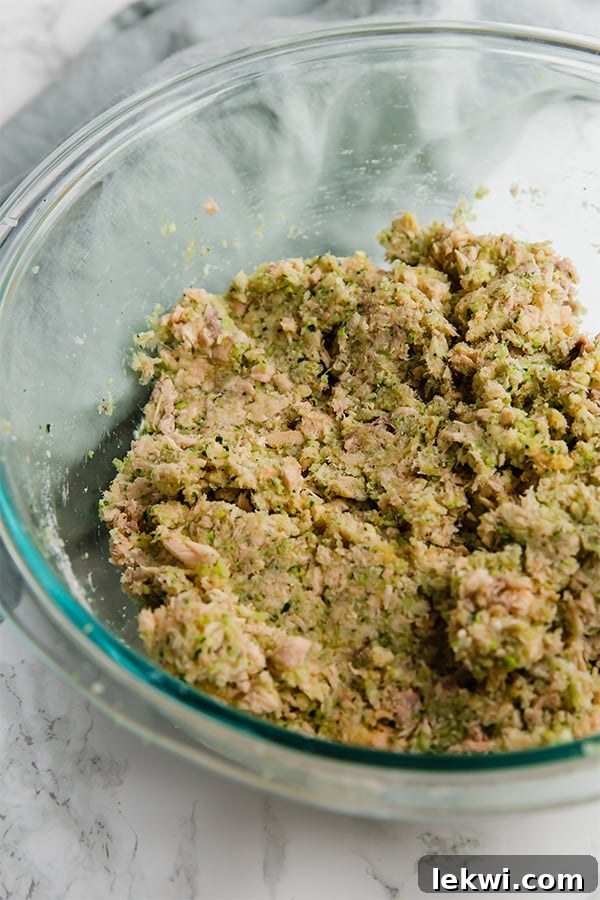
Next, drain your canned salmon completely. You can even gently press it to remove any residual liquid, similar to how you handled the vegetables. Add the well-drained salmon to the mixing bowl with the zucchini and leek. Then, incorporate the avocado oil, coconut flour, egg (or your prepared gelatin egg substitute for AIP), minced garlic, dill, sea salt, and black pepper (if using). Mix everything thoroughly until just combined. Be careful not to overmix, as this can lead to a tougher texture.
4. Form and Arrange Your Patties
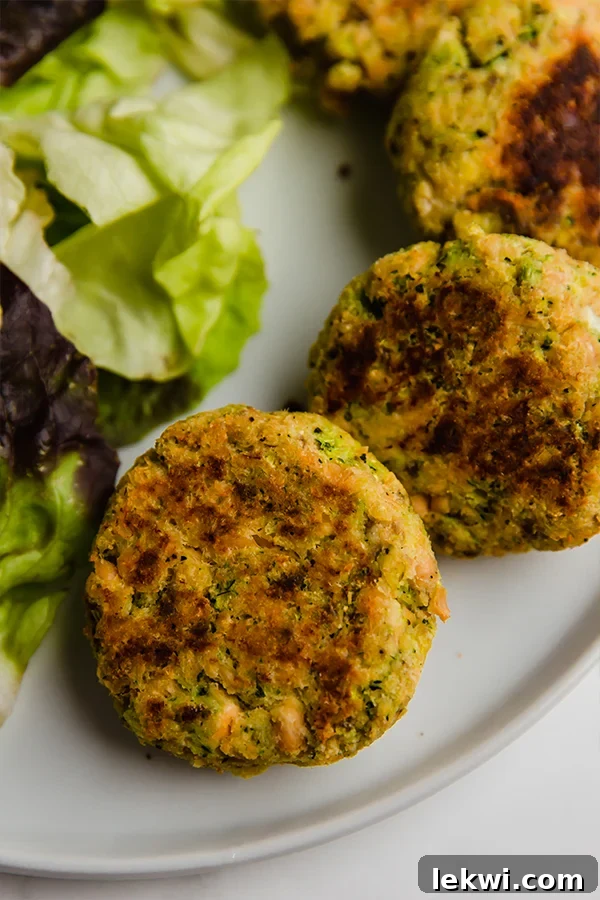
Take portions of the salmon mixture and form them into patties, approximately 3 inches in diameter and slightly flattened. The consistency should be easy to work with. Arrange the patties evenly spaced on your prepared baking sheet, ensuring they don’t touch, which allows for even baking and crisping.
5. Bake to Golden Perfection
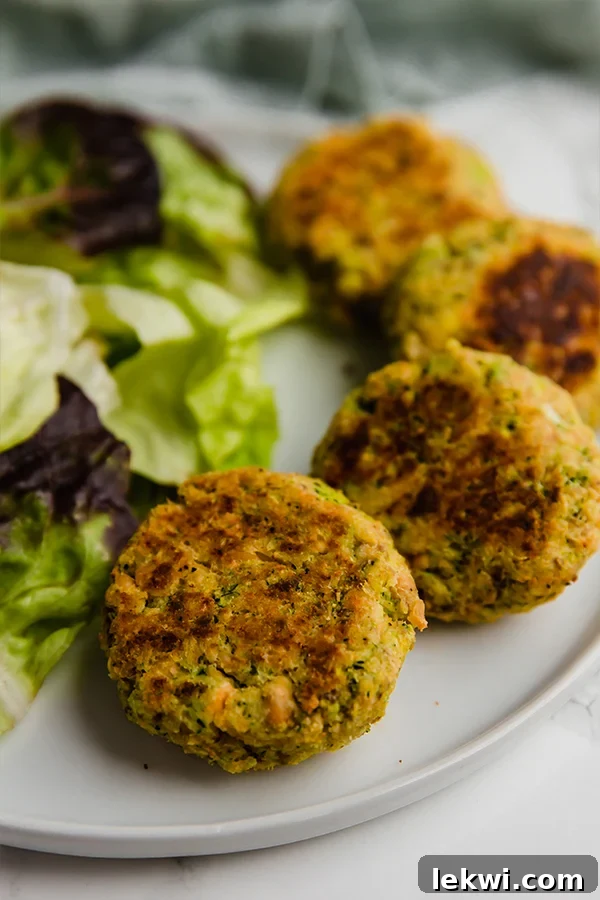
Place the baking sheet in your preheated oven and bake for 15 minutes. After this initial baking period, very carefully flip each salmon cake using a thin spatula. Return them to the oven and bake for another 12-15 minutes, or until they are golden brown and crisp on both sides. Allow the salmon cakes to cool for a few minutes before serving. This helps them firm up and makes them easier to handle.
Serving Suggestions and Storage Tips
These salmon cakes are incredibly versatile and can be paired with a variety of sides. Here are some popular ideas:
- Side Salad: A fresh, crisp green salad with a light vinaigrette makes for a balanced and refreshing meal.
- Sweet Potato Fries: For a heartier side, homemade sweet potato fries offer a delicious and compliant option.
- Creamy Sauces: Elevate the flavor with a delectable dipping sauce. A cilantro avocado sauce or a simple lemon-dill aioli (AIP-friendly mayo base) would be fantastic.
- Roasted Vegetables: Pair with roasted asparagus, broccoli, or bell peppers for an extra dose of nutrients.
- In Lettuce Wraps: For a light lunch, serve them in large lettuce cups with some shredded carrots and a drizzle of sauce.
How to Store Your Salmon Cakes
Store any leftover salmon cakes in an airtight container, such as glass Tupperware, in the refrigerator. They will stay fresh for 3-4 days. While they last that long, in our experience, they’re usually devoured much sooner!
Pro Tips for Salmon Cake Success
Achieving the perfect texture and flavor for your salmon cakes is all about a few key techniques:
- Squeeze All the Water Out! This cannot be stressed enough. Both from the zucchini/leek mixture and the canned salmon. Excess moisture is the enemy of crispy, well-formed patties. A nut-milk bag or a clean, strong kitchen towel works best for the vegetables. For the salmon, press it firmly in a fine-mesh strainer or between paper towels.
- Don’t Overmix: Once all ingredients are in the bowl, mix only until just combined. Overmixing can develop the gluten in flours (even coconut flour has some binding properties) and lead to a tougher texture.
- Even Patties, Even Cook: Try to make your patties uniform in size and thickness. This ensures they cook evenly and prevents some from being undercooked while others are overcooked.
- Preheat Your Oven Properly: A hot oven is crucial for achieving that desirable golden-brown crust and cooking the cakes through efficiently.
- Consider Batch Cooking: These salmon cakes are excellent for meal prep. Make a larger batch and store them in the fridge for quick lunches or dinners throughout the week. They reheat well in an oven or air fryer for crispness.
Frequently Asked Questions (FAQ)
Can I use fresh salmon instead of canned?
Yes, absolutely! If using fresh salmon, you’ll need to cook it first. Bake or pan-sear about 12 oz of salmon fillet until cooked through, then flake it with a fork and allow it to cool before mixing with the other ingredients. Ensure it’s well-drained of any liquids from cooking.
What if I don’t have a food processor?
No problem! You can finely grate the zucchini using a box grater. For the leek, chop it as finely as possible with a sharp knife. Just be extra diligent about squeezing out the water from both.
Can I pan-fry these salmon cakes?
While this recipe is optimized for baking, you can certainly pan-fry them. Heat a few tablespoons of avocado oil in a large skillet over medium heat. Cook the patties for 3-5 minutes per side, or until golden brown and cooked through. Be gentle when flipping.
How can I make these spicier?
For a bit of a kick (and if your dietary protocol allows), you can add a pinch of cayenne pepper or a dash of AIP-compliant hot sauce to the mixture. If not on AIP, red pepper flakes or a touch of sriracha would work well.
Can I freeze these salmon cakes?
Yes, these salmon cakes freeze beautifully! After baking and allowing them to cool completely, arrange them in a single layer on a baking sheet and flash-freeze until solid. Then, transfer them to a freezer-safe bag or container, separating layers with parchment paper. They can be stored for up to 2-3 months. Reheat from frozen in the oven or air fryer until warmed through and crispy.
Complete Recipe: Paleo Salmon Cakes
Salmon Cakes
3 servings
15 mins
30 mins
Michelle
These salmon cakes are the perfect veggie dense meal made with simple canned salmon! They’re paleo, AIP, and whole30 compliant.
Leave a Review
Pin Recipe
Ingredients
- 12 oz zucchini, about 2.5 cups, chopped
- ½ cup leek, white part only, chopped
- 2 (6 oz) cans of salmon, wild-caught recommended
- 3 tbsp avocado oil
- 1 egg (see notes for gelatin egg substitute for AIP)
- 3 tbsp coconut flour
- 2 tsp dill, dried or fresh chopped
- 3 cloves garlic, minced
- 1 tsp sea salt
- ¼ tsp black pepper (omit for strict AIP)
- For the gelatin egg substitute:
- ¼ cup water
- 1 tbsp gelatin
Instructions
- Preheat the oven to 400°F (200°C) and line a baking sheet with parchment paper that is lightly greased with avocado oil.
- Add the chopped zucchini and leek to a food processor and chop until fine. Using a nut milk bag or a clean dish towel, strain all of the excess water from the zucchini and leek. Transfer the thoroughly drained vegetables to a mixing bowl.
- Drain the canned salmon well, pressing out any excess water. Add the salmon to the zucchini and leek mixture along with the avocado oil, coconut flour, egg (or prepared gelatin egg substitute), dill, minced garlic, sea salt, and black pepper (if using). Mix well to combine all ingredients evenly.
- Form the salmon mixture into patties about 3″ in diameter and slightly flatten. Arrange them evenly spaced on the prepared baking sheet.
- Bake in the preheated oven for 15 minutes. Very carefully flip each patty and bake for another 12-15 minutes, or until they are crisp and golden brown on both sides.
- Allow to cool slightly before serving. Serve with a side of your choice and an optional creamy sauce like this creamy avocado sauce.
Notes
For the gelatin egg substitute: Add ¼ cup water to a small saucepan. Slowly sprinkle 1 tbsp gelatin over the water. Allow the mixture to rest for 2-3 minutes until the gelatin has “bloomed” and hardened. Place the pot on the stove over low heat. Remove from heat once the mixture turns completely liquid. Vigorously whisk the gelatin egg until it becomes frothy. Add this frothy gelatin egg to your salmon cake mixture immediately and mix to combine. Work quickly as it will begin to set.
All nutritional information is an estimation and will vary based on exact ingredients and brands used. Estimations provided do not include optional ingredients or serving sauces.
Serving: 1 serving, Calories: 365kcal, Carbohydrates: 11.6g, Protein: 32.5g, Fat: 22.2g, Fiber: 4.2g
All nutrition facts are estimated and will vary.
More Healthy & Delicious Recipes You’ll Love
If you enjoyed these Paleo Salmon Cakes, you might also like to explore these other wholesome and flavorful recipes:
- Sweet Potato Crab Cakes
- Bang Bang Salmon Bowls
- Creamy Salmon Florentine
This post first appeared on Unbound Wellness in January of 2017 and was updated in March 2020.