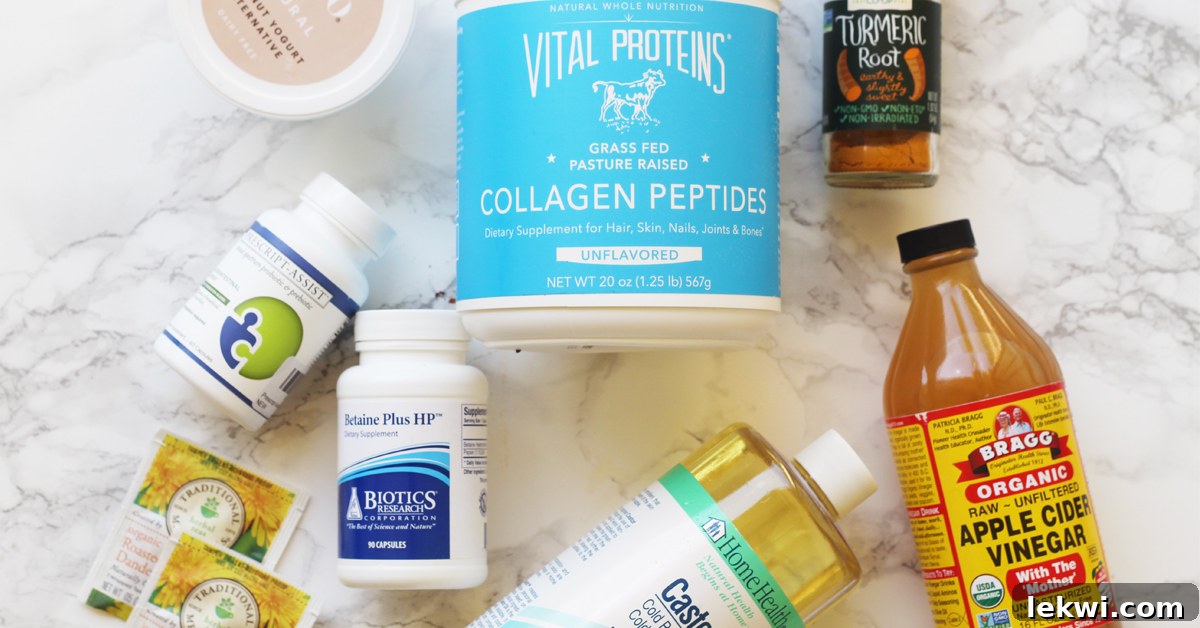
The Ultimate Gut Healing Toolkit: Your Comprehensive Guide to Restoring Digestive Wellness
Embarking on a journey to heal your gut can feel overwhelming, especially when faced with conditions like Hashimoto’s disease, IBS, or persistent digestive discomfort. My own experience with Hashimoto’s disease highlighted the profound connection between gut health and overall well-being. Initially, my doctor provided a protocol of supplements and instructions that offered a good start. However, I soon realized that true, long-term gut health required more than just a quick fix; it demanded a holistic approach and a broader arsenal of tools and resources. I needed a comprehensive gut healing toolkit to sustain my progress and navigate the complexities of digestive wellness.
Every individual’s journey to optimal gut health is unique, influenced by their specific gut microbiome, existing autoimmune conditions, and numerous other factors. While no single protocol fits everyone, there are universal tools and resources that can significantly benefit most people striving for a healthy gut lifestyle. Unfortunately, these aren’t always comprehensively shared during a typical doctor’s visit. That’s why I’ve curated **The Ultimate List of Tools & Resources For Healing Your Gut and Maintaining Your Gut Health**.
It’s important to remember that this extensive list is not meant to be implemented all at once. Think of it as a personalized menu from which you can select items at your own pace. Overwhelm is counterproductive to healing. Integrate these resources slowly, thoughtfully, and in a way that feels sustainable for you. Prioritize what resonates most with your current needs and gradually build your personalized gut healing strategy.
1. A Holistic and Integrative Medical Team
Whether you’re contending with the chronic inflammation of Hashimoto’s, the unpredictable symptoms of IBS, or simply persistent stomach cramping, the most effective path to resolution begins with identifying the root cause of your issues. Symptom management, while offering temporary relief, fails to address the underlying mechanisms driving your discomfort. If the root cause remains unaddressed, deeper and more complex health problems are likely to emerge over time.
Root causes are often intricate and multi-faceted, extending beyond simple dietary triggers like gluten. They can involve a complex interplay of genetic predispositions, environmental toxins, chronic infections, stress, and nutrient deficiencies. Pinpointing these deep-seated issues requires a specialized approach. This is precisely why partnering with a functional or holistic doctor, or a multidisciplinary health team, is paramount. These practitioners are trained to look beyond superficial symptoms, utilizing advanced diagnostic testing and a comprehensive understanding of bodily systems to uncover the true origins of your health challenges. They can guide you through personalized protocols that address your unique biochemistry and lifestyle.
To delve deeper into selecting the right medical professional or assembling an effective health team, you can explore this insightful blog post on finding a functional doctor.
2. Targeted Digestive Aids for Optimal Function
Effective digestion is a cornerstone of gut healing. Without proper breakdown and absorption of nutrients, your body struggles to repair itself and maintain optimal function. The precise digestive aids you need will be tailored to your individual imbalances, but the fundamental importance of robust digestion remains universal. Here’s a brief overview of common digestive aids you might discuss with your healthcare provider:
Stomach Acid Support: Adequate stomach acid (hydrochloric acid) is vital for breaking down proteins, sterilizing food, and signaling the pancreas and gallbladder to release digestive enzymes and bile. Low stomach acid is a surprisingly common issue that can lead to bacterial overgrowth and nutrient deficiencies. Options include:
- Digestive Bitters: These traditional remedies stimulate digestive juices and enzyme production, preparing your gut for optimal digestion.
- Betaine HCl: A supplement that directly provides hydrochloric acid.
Digestive Enzymes: These enzymes (e.g., amylase, lipase, protease) are crucial for breaking down carbohydrates, fats, and proteins into smaller molecules that the body can absorb. Supplementing with broad-spectrum digestive enzymes can support this process, especially if your body isn’t producing enough.
Bile Support: Bile, produced by the liver and stored in the gallbladder, is essential for emulsifying fats and absorbing fat-soluble vitamins (A, D, E, K). Issues with bile flow can lead to fat malabsorption and discomfort.
- Ox Bile: A supplemental form of bile that aids in fat digestion, particularly beneficial for those without a gallbladder or with impaired bile production.
3. Essential Gut Health Supplements
Just as with digestive aids, the specific supplements and their sequencing should be determined in consultation with your doctor or a qualified health practitioner. However, certain supplements are frequently recommended for their direct benefits to gut integrity and function.
- L-Glutamine: An amino acid critical for gut lining repair. It fuels intestinal cells, helps maintain the gut barrier, and can reduce intestinal permeability (leaky gut).
- Colostrum: Often called “nature’s first food,” bovine colostrum contains growth factors, immunoglobulins, and other compounds that support gut healing, reduce inflammation, and enhance immune function within the gut.
- Probiotics: Beneficial bacteria that help restore balance to the gut microbiome. They can aid digestion, produce short-chain fatty acids (SCFAs), and compete with pathogenic organisms. The specific strains and dosages vary widely, making personalized recommendations important.
- Restore: A unique supplement designed to strengthen tight junctions in the gut lining, protecting against environmental toxins and promoting overall gut integrity.
4. Nutrient-Dense, High-Quality Food & Healing Recipes
Beyond simply eliminating problematic foods, the foundation of gut healing is built upon consuming nutrient-dense, high-quality ingredients. These foods provide the essential vitamins, minerals, and phytonutrients necessary for cellular repair, inflammation reduction, and overall bodily function. Prioritizing quality ensures you’re feeding your body what it truly needs to thrive. Here’s what to look for:
- Local, Organic Vegetables: Rich in fiber, vitamins, minerals, and antioxidants, vegetables are vital for gut health. Choosing local and organic options minimizes exposure to pesticides and herbicides that can disrupt the gut microbiome, while also ensuring peak freshness and nutrient content. Read this post for guidance on finding local produce.
- Grass-Fed and Pasture-Raised Meats: These meats offer a superior nutritional profile compared to conventionally raised options, with higher levels of omega-3 fatty acids, conjugated linoleic acid (CLA), and essential vitamins. They come from animals raised on their natural diet, free from antibiotics and hormones that can negatively impact human health. I highly recommend sources like US Wellness Meats.
- Wild-Caught Fish: A fantastic source of anti-inflammatory omega-3 fatty acids, high-quality protein, and essential minerals like selenium and iodine. Opt for wild-caught to avoid the lower nutritional value and potential contaminants found in farmed fish.
Integrating these quality ingredients into delicious meals is key to making your gut healing journey enjoyable and sustainable. Here are some staple gut-healing recipes that are both nutritious and satisfying:
- Bone Broth: A foundational gut-healing food, rich in collagen, gelatin, and amino acids that help repair the gut lining, reduce inflammation, and support joint health.
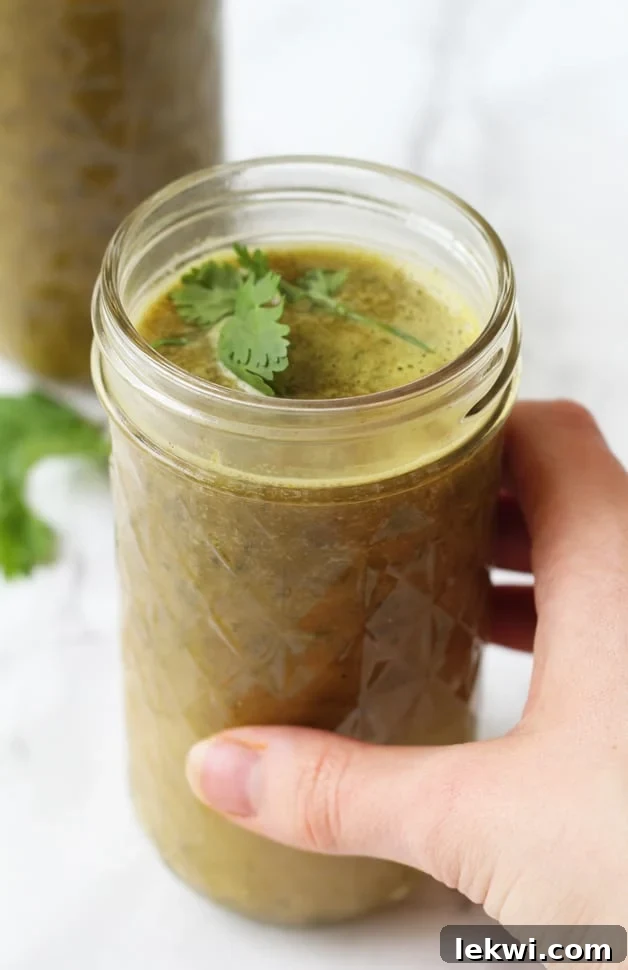
- Bone Broth Green Drink: A creative way to incorporate the benefits of bone broth with nutrient-packed greens.
- Beet Kvass: A fermented beverage known for its liver-supporting properties and beneficial probiotics.
- Turmeric Bites: Delicious and anti-inflammatory, harnessing the power of turmeric for overall wellness.
- Salmon Cakes: A versatile and nutrient-rich meal, packed with omega-3s and protein.
5. Harnessing the Power of Probiotic Foods
While probiotic supplements have their place, incorporating probiotic-rich foods into your diet is an incredibly effective and natural way to nourish your gut microbiome with beneficial bacteria. These fermented foods not only introduce diverse strains of probiotics but also often come with prebiotics and other nutrients that support overall gut health. However, it’s crucial to proceed with caution if you have specific conditions such as SIBO (Small Intestinal Bacterial Overgrowth), candida overgrowth, or histamine intolerance, as these conditions may require preliminary healing before fermented foods can be safely introduced.
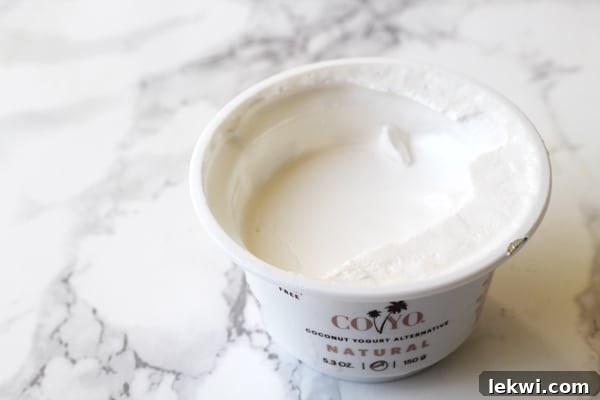
For most individuals, probiotic foods can be consumed in small amounts daily, yielding powerful, cumulative benefits. My personal favorites include sauerkraut, a fantastic source of various lactic acid bacteria, and probiotic drinks like beet kvass and water kefir. I also highly recommend coconut yogurt, a dairy-free alternative that can be teeming with beneficial cultures. Brands like Coyo are excellent choices, and I’m always eager to explore new options like The Coconut Cult. While making your own fermented foods can be incredibly rewarding, having high-quality, pre-made options available offers a convenient shortcut when time is limited.
6. Gut-Loving Pantry Staples for Everyday Wellness
Stocking your pantry with strategic staples can make your gut healing journey significantly easier and more enjoyable. These ingredients are not only versatile for cooking but also offer direct benefits for digestive health and overall well-being.
- Vital Proteins Collagen: A powerful protein source for gut healing. Collagen provides amino acids like glycine and proline, which are essential for repairing the intestinal lining, reducing inflammation, and strengthening connective tissues throughout the body. It blends seamlessly into smoothies, coffee, or even soups.
- Vital Proteins Gelatin: Similar to collagen, gelatin also contains gut-healing amino acids and is excellent for making thicker broths, jello, or gummy treats. It contributes to gut lining integrity and can improve digestive function.
- Apple Cider Vinegar (ACV): An indispensable staple for gut health. ACV, particularly raw and unfiltered with “the mother,” helps stimulate stomach acid production, which is crucial for proper digestion and nutrient absorption. It’s also a key ingredient for making bone broth and can be used in salad dressings.
- Ginger, Dandelion, and Peppermint Tea: These herbal teas are renowned for their digestive benefits. Ginger aids digestion and reduces nausea, dandelion supports liver detoxification and bile flow, and peppermint helps relax the digestive tract, alleviating gas and bloating.
- Quality Spices (Turmeric, Dried Herbs, etc.): Beyond adding flavor, many spices possess potent anti-inflammatory and antioxidant properties. Turmeric, for instance, contains curcumin, a powerful anti-inflammatory compound. Dried herbs like oregano, basil, and thyme also contribute to nutrient intake and gut health.
- Coconut Oil: A healthy fat rich in medium-chain triglycerides (MCTs), which are easily digestible and can have antimicrobial properties. It’s excellent for cooking and baking.
- Ghee (if tolerated): Clarified butter, often tolerated by those sensitive to dairy, offers beneficial fats and a rich, buttery flavor.
For convenient access to these and many other gut-friendly staples, explore Thrive Market! Using that link also grants you 15% off your first order, making it easier to stock up on healthy provisions.
7. Essential Kitchen Appliances: Instant Pot, Slow Cooker, and High-Speed Blender
These three kitchen powerhouses have revolutionized my approach to healthy cooking, making it simpler, faster, and more accessible to prepare gut-healing meals. I rely on them multiple times a week and consider them indispensable tools in my culinary repertoire.
Instant Pot: This versatile multi-cooker can often replace a slow cooker, but I find immense value in having both for simultaneous meal preparation. Its pressure-cooking function drastically reduces cooking times, making nutrient-dense meals a reality even on busy days.
- Soups: Quickly prepare nourishing soups like this Carrot Leek Spring Soup and this Basil Zucchini Summer Soup.
- Stews: Tenderize meats and vegetables for hearty stews in a fraction of the time.
- Roasts: Achieve perfectly tender roasts with minimal effort.
Slow Cooker: Ideal for hands-off cooking, the slow cooker excels at drawing out flavors and creating incredibly tender dishes. It’s perfect for preparing meals that benefit from long, low-temperature cooking, especially when you need to “set it and forget it.”
- Bone Broth: The slow cooker is a classic method for extracting maximum nutrients from bones over 12-24 hours.
- Stews: Develop rich, complex flavors in stews like this Paleo Slow Cooker Beef Stew.
- Roasts: Create succulent, fall-apart roasts such as Slow Cooker Carnitas.
High-Speed Blender (e.g., Vitamix): A powerful blender is essential for achieving silky smooth textures and effortlessly incorporating nutrient-dense ingredients.
- Smoothies: Perfect for crafting gut-healing smoothies, including delicious options like this Gut Healing Acai Bowl.
- Pureed Soups: Transform cooked vegetables into creamy, comforting pureed soups without any dairy.
8. Inspiring and Practical Cookbooks
Transitioning to a healing diet, especially one that eliminates common irritants like grains and dairy, can feel daunting. Cookbooks offer invaluable guidance, inspiration, and practical recipes to help you navigate this new culinary landscape with confidence and creativity. They provide tested recipes and strategies that ensure your healing journey is both nourishing and delicious.
- The Healing Kitchen: A fantastic resource for those following specific healing protocols, offering a wealth of recipes designed to support gut health and reduce inflammation.
- Nourishing Traditions: A classic text that delves into traditional food preparation methods, emphasizing fermentation, bone broths, and nutrient-dense cooking techniques that are highly beneficial for gut health.
- He Won’t Know It’s Paleo: This book makes healthy eating accessible and enjoyable, proving that healing foods can be so delicious even the pickiest eaters won’t suspect they’re “healthy.”
9. Empowering Gut Health Focused Books
Knowledge is power, especially when it comes to understanding and healing your gut. Empowering yourself with foundational information about gut health enables you to make informed decisions, advocate for yourself, and better comprehend the processes happening within your body. These books offer deep dives into the science and practicalities of gut wellness, helping you stay informed and motivated throughout your healing journey.
- Eat Dirt: Explores the importance of microbial diversity and the role of soil-based organisms in human health, challenging conventional views on hygiene and gut health.
- Gut and Psychology Syndrome (GAPS): A groundbreaking book that details the profound connection between gut health and neurological, psychological, and autoimmune conditions, offering a comprehensive dietary protocol for healing.
- The Paleo Approach: An indispensable guide for those with autoimmune conditions, providing scientific explanations and a practical framework for using the Autoimmune Protocol (AIP) to reverse disease and restore health.
10. Castor Oil Pack Supplies for Detoxification Support
Castor oil packs are one of my most cherished and frequently recommended gut-healing tools. This traditional remedy offers a simple yet profound way to support liver detoxification, improve digestion, and reduce inflammation. Applied topically, castor oil is believed to enhance blood circulation to the area, stimulate lymphatic flow, and promote bile production and release, which are crucial for the elimination of toxins and efficient fat digestion. They are particularly beneficial for individuals experiencing liver or gallbladder issues, chronic constipation, or general digestive sluggishness.
Here’s what you’ll need to create your own castor oil pack:
- Castor Oil: Opt for organic, cold-pressed, and hexane-free castor oil for the purest application.
- Flannel Cloth: A soft, thick flannel cloth (preferably organic cotton or wool) is used to absorb the oil and apply it to the skin.
- Heating Pad: A heating pad or hot water bottle helps the oil penetrate deeper and enhances its therapeutic effects.
For detailed instructions on how to properly prepare and apply a castor oil pack, refer to this helpful guide.
11. Invaluable Social Support & Community Connection
Adopting an alternative health lifestyle, especially one centered around a restrictive healing diet, can often feel isolating in a world where convenience foods and mainstream dining experiences dominate. Navigating dietary changes while friends and family enjoy pizza, beer, and comfort foods can be emotionally challenging. Trust me, I understand this sentiment deeply.
Having robust social support from understanding family, empathetic friends, and like-minded individuals is absolutely critical for long-term success. This network can provide encouragement during difficult days, offer fresh perspectives, and share practical ideas for strengthening your journey. The emotional validation and shared experiences gained from a supportive community can be as potent as any dietary intervention.
In the realm of online support, I’ve actively fostered communities to bridge this gap. I created the Facebook group Gut Healing Support, and I also host a group for my podcast, the Unbound Healing Community. Additionally, I highly recommend the AIP Support group for those following the Autoimmune Protocol, as it offers a wealth of shared knowledge and encouragement.
12. Go-To Relaxation Methods for Stress Management
It is a fundamental physiological truth that true healing cannot occur in a constant state of stress. Chronic stress triggers the release of excess cortisol, a hormone that can directly damage the delicate gut lining and increase intestinal permeability (leaky gut). Furthermore, stress significantly inhibits the production of stomach acid, which critically impairs digestion and blocks the absorption of essential minerals like Zinc, vital for immune function and gut repair. To digest properly and to heal effectively, our bodies must be in a parasympathetic, relaxed state.
If you’re grappling with more severe issues like adrenal dysregulation, working closely with your doctor to address the root causes of chronic stress is paramount. However, for everyday stress management, incorporating small, consistent relaxation methods can yield significant benefits. These practices help downregulate your nervous system, creating an environment conducive to gut repair and overall well-being.
Here’s a short list of my favorite and most recommended relaxation techniques:
- Short Walks Outside: Nature provides a calming effect, reducing cortisol and improving mood.
- Yoga Class: Combines physical movement, breathwork, and mindfulness to reduce tension and promote relaxation.
- Guided Meditation: Simple audio sessions can help calm the mind, reduce anxiety, and foster a sense of peace.
- Devotionals: Engaging with spiritual texts or practices, such as those found on the Bible App, can provide comfort and perspective.
- Gratitude Journaling: Focusing on what you’re grateful for can shift your mindset from stress to appreciation, positively impacting emotional and physical health.
- Engaging Hobbies: Activities like sewing, reading, cooking (when not stressful!), or gardening can be incredibly meditative and stress-relieving.
- Tea with Friends: Social connection and warm beverages can create a soothing, comforting experience.
- Walking Around Target: Sometimes, a simple, low-pressure retail therapy excursion can offer a surprising sense of relaxation and distraction.
As is the overarching theme of this guide, not every relaxation method will resonate with everyone. What one person finds calming, another might find boring or even irritating. The most crucial piece of advice is to integrate relaxation into your daily routine regularly. Even just 10-15 minutes a day dedicated to stress reduction can make a profound difference in your gut health and overall quality of life.
13. Educational Blogs, Podcasts, and Media Resources
Staying informed and continually learning about gut health is an empowering aspect of your healing journey. The digital age offers an abundance of high-quality, accessible resources that can provide insights, recipes, expert interviews, and practical tips. These platforms allow you to deepen your understanding, discover new strategies, and stay motivated by connecting with thought leaders in the field.
Here are some of my favorite blogs that offer valuable information and support:
- Unbound Wellness: Of course, my own platform dedicated to holistic health and gut healing!
- The Paleo Mom: A fantastic resource for science-backed information on the Paleo diet, autoimmune conditions, and gut health.
- Chris Kresser: A leading expert in functional medicine, offering in-depth articles and research on a wide range of health topics, including gut health.
- Phoenix Helix: Dedicated to the Autoimmune Protocol (AIP), providing comprehensive resources, recipes, and support for managing autoimmune conditions.
- Dr. Axe: Offers a wealth of natural health information, including extensive content on gut health remedies, diet, and supplements.
- Autoimmune Wellness: A collaborative platform providing practical tools, guidance, and community for living well with autoimmune disease.
And for those who prefer listening on the go, here are some podcasts worth exploring:
- Unbound Healing Podcast: My own podcast, where I share insights, interviews, and practical advice on healing and thriving.
- Balanced Bites: Offers practical tips and expert advice on Paleo living, nutrition, and lifestyle for overall wellness.
- Paleo Women: Focuses on women’s health within a Paleo framework, including discussions on hormones, gut health, and lifestyle.
- Revolution Health Radio: Chris Kresser’s podcast, diving deep into functional medicine, chronic disease, and optimizing health.
I genuinely hope this comprehensive list empowers you to build your ultimate gut healing toolkit. Remember, consistency and patience are key on this journey. Embrace the process, celebrate small victories, and know that every step you take brings you closer to optimal health and well-being. Enjoy, and happy healing! <3