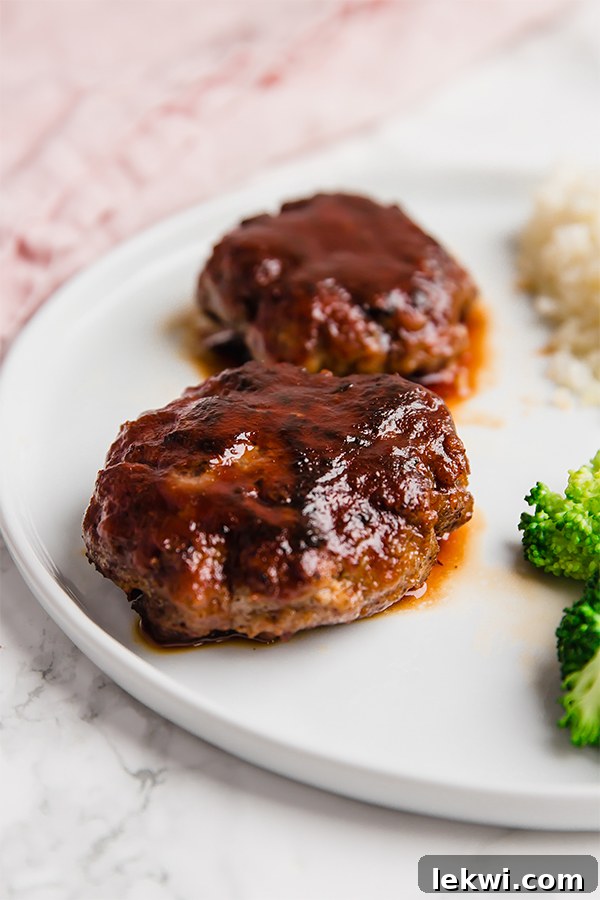
Japanese Hamburger Steak: A Wholesome & Flavorful One-Pan Meal
Discover the irresistible taste of Japanese Hamburger Steak, known as Hanbagu, a delightful one-pan meal that perfectly balances sweet and savory flavors. This beloved dish offers a comforting experience, making it an ideal choice for a satisfying weeknight dinner. Our recipe is not only incredibly simple to prepare but is also meticulously crafted to be Paleo-friendly, with easy modifications to fit Whole30 and AIP (Autoimmune Protocol) dietary guidelines. Get ready to enjoy a healthy, delicious, and adaptable meal that brings a touch of Japanese culinary charm right to your kitchen.
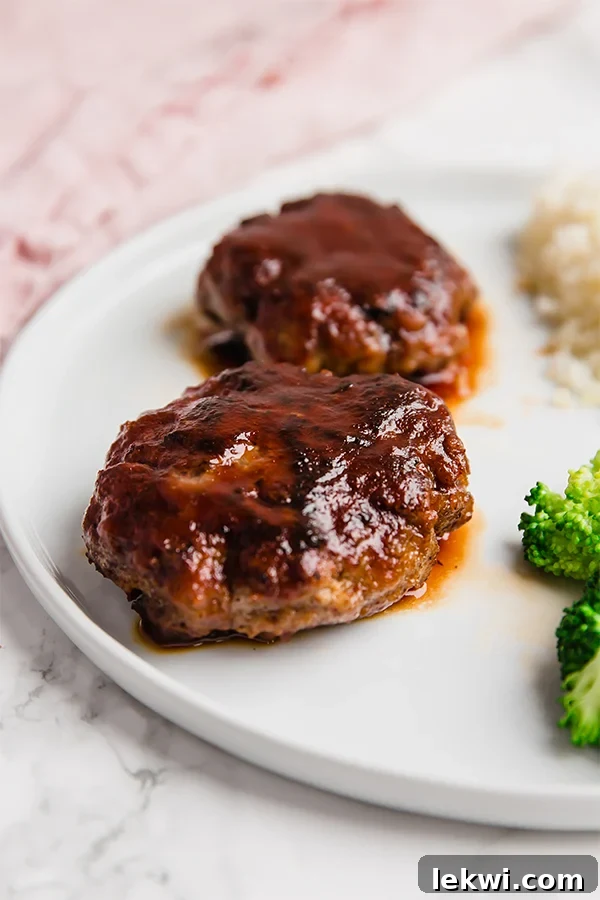
What Exactly is Japanese Hamburger Steak (Hanbagu)?
Japanese Hamburger Steak, or “Hanbagu” (ハンバーグ) as it’s known in Japan, is a popular dish that emerged from Japan’s “Yōshoku” cuisine – Western-inspired dishes adapted to Japanese tastes. While it shares some similarities with the American Salisbury steak or the Southern classic Hamburger Steak, Hanbagu distinguishes itself with its uniquely sweet and tangy sauce and often a softer, juicier patty texture. Unlike its Western counterparts that typically feature a rich brown gravy, Japanese Hanbagu is usually bathed in a glaze-like sauce crafted from ingredients such as ketchup, soy sauce (or a compliant alternative like coconut aminos), and a touch of sake or rice vinegar. This creates a distinct umami-rich flavor profile that is both comforting and deeply satisfying.
Hanbagu is a staple in Japanese home cooking and can be found in casual restaurants across the country. It’s cherished for its simplicity, affordability, and the ability to pair wonderfully with various side dishes. This particular recipe embraces the traditional flavors while adapting them to meet specific dietary needs, ensuring that everyone can enjoy this flavorful dish without compromise.
Why You’ll Love This Recipe: Paleo, Whole30 & AIP Friendly
In today’s health-conscious world, finding delicious meals that align with specific dietary protocols can be a challenge. This Japanese Hamburger Steak recipe shines by effortlessly fitting into several popular dietary frameworks, making it a fantastic choice for a wide range of eaters:
- Paleo-Friendly: This recipe is naturally grain-free, dairy-free, and relies on wholesome, unprocessed ingredients. By using coconut flour as a binder and coconut aminos instead of soy sauce, it adheres perfectly to Paleo principles, providing a nutrient-dense meal without inflammatory ingredients.
- Whole30 Compliant: For those following the Whole30 program, this Hanbagu is an excellent option. The key is to select a compliant ketchup that contains no added sugar or artificial ingredients. With its emphasis on whole foods and clean ingredients, this dish supports your Whole30 journey, offering a flavorful and satisfying meal that keeps you on track.
- AIP (Autoimmune Protocol) Friendly: We’ve made sure this recipe can be easily adapted for the Autoimmune Protocol. The primary adjustments involve omitting black pepper (a nightshade) and ensuring your chosen ketchup is AIP-compliant, meaning it’s free from nightshades, gluten, and other common allergens. By following these simple modifications, you can enjoy a comforting and delicious meal that supports your gut health and reduces potential triggers.
This commitment to dietary compliance ensures that you don’t have to sacrifice flavor or satisfaction when prioritizing your health. It’s a testament to how traditional flavors can be beautifully reimagined for modern dietary needs.
Essential Ingredients for Your Delicious Hanbagu
Creating this flavorful Japanese Hamburger Steak requires a thoughtful selection of ingredients, each playing a crucial role in achieving the perfect taste and texture. Here’s a detailed look at what you’ll need:
For the Patties:
- Ground Beef and Ground Pork: A harmonious blend of equal parts ground beef and ground pork is highly recommended. The ground beef provides a robust, savory foundation, while the ground pork introduces a wonderful richness and ensures the patties remain incredibly juicy and tender. This combination yields a superior flavor profile and texture compared to using just one type of meat. If pork is not an option, you can certainly use all ground beef, or even experiment with ground turkey or chicken for a lighter alternative.
- Coconut Flour: This gluten-free flour acts as an excellent binder, helping the patties hold their shape during cooking while keeping them moist. It’s a fantastic Paleo and AIP-friendly alternative to traditional breadcrumbs.
- Seasonings (Sea Salt, Onion Powder, Garlic, Black Pepper): These fundamental spices enhance the savory depth of the meat. Sea salt is essential for flavor, onion powder and minced garlic contribute aromatic complexity. Note: If following AIP, please omit black pepper, as it is a nightshade.
For Cooking:
- Avocado Oil: Chosen for its high smoke point and neutral flavor, avocado oil is perfect for pan-frying the patties, ensuring a beautiful sear without imparting unwanted tastes. It’s also a healthy fat, aligning with Paleo and Whole30 guidelines.
For the Signature Sweet & Tangy Sauce:
- Coconut Aminos: This is a cornerstone of our compliant sauce, serving as a fantastic soy-free and gluten-free alternative to traditional soy sauce. It offers a rich, umami flavor with a hint of sweetness, but with significantly less sodium. You can easily find coconut aminos online or in the health food aisle of most grocery stores.
- Compliant Ketchup: The ketchup adds a crucial sweet and tangy element to the sauce. It’s vital to choose a brand that aligns with your dietary needs.
- For Whole30: Opt for an unsweetened, sugar-free ketchup, ensuring it has no added sugars or artificial sweeteners. Brands like Primal Kitchen offer excellent Whole30-compliant options. You can also explore homemade Whole30 ketchup recipes.
- For AIP: Selecting an AIP-compliant ketchup is crucial, as many ketchups contain nightshades (like tomatoes) and sugar. Look for beet-based ketchups or recipes for AIP ketchup that use alternative vegetables. My cookbook, the Autoimmune Protocol Comfort Food Cookbook, also includes an AIP ketchup recipe. Alternatively, KC Naturals Ketchup is often recommended for AIP.
- Rice Wine Vinegar (or Apple Cider Vinegar): This provides the necessary tanginess to balance the sweetness of the coconut aminos and ketchup. Rice wine vinegar offers a mild, slightly sweet acidity. If you don’t have it on hand, apple cider vinegar makes an excellent substitute, using slightly less due to its stronger flavor (e.g., 2 teaspoons of apple cider vinegar for 1 tablespoon of rice wine vinegar).
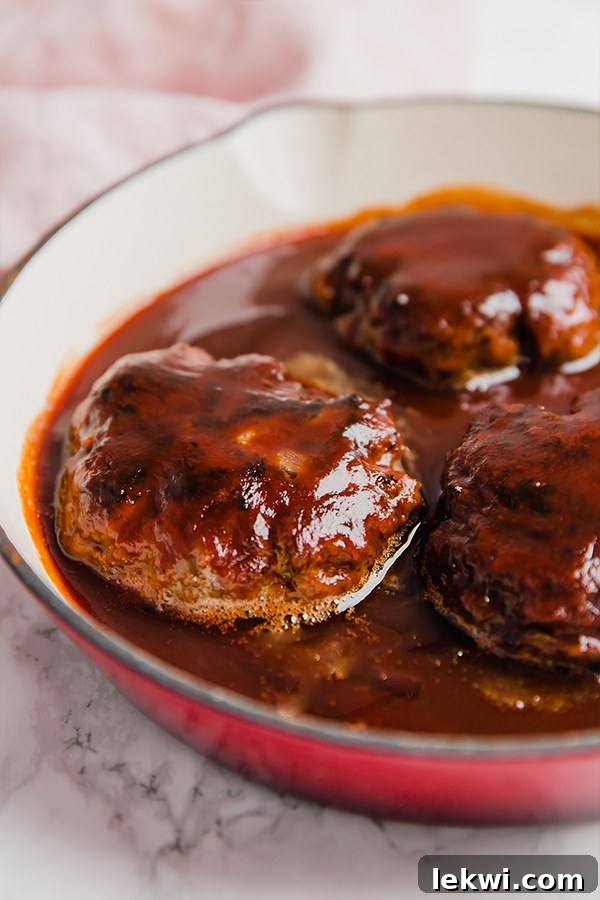
Step-by-Step Guide to Crafting Japanese Hamburger Steak (Hanbagu)
Making this Japanese Hamburger Steak is a straightforward process, designed for efficiency and maximum flavor. Follow these detailed steps to create a perfect meal:
- Prepare the Hanbagu Patties: In a medium-sized mixing bowl, combine the ground beef, ground pork, coconut flour, sea salt, onion powder, minced garlic, and black pepper (remember to omit black pepper if strictly adhering to AIP). Using your hands, gently mix all the ingredients until just combined. Be careful not to overmix, as this can lead to tough patties. Divide the mixture into four equal portions and form them into thick, round patties. To prevent them from bulging in the center during cooking, press a small indentation into the middle of each patty with your thumb. Set the formed patties aside.
- Sear the Patties to Perfection: Heat the avocado oil in a large, heavy-bottomed pan or skillet over medium-high heat. Once the oil is shimmering, carefully add the hamburger patties to the pan. Ensure not to overcrowd the pan; cook in batches if necessary to allow for proper searing. Cook for 3-4 minutes on each side, flipping them periodically to ensure even browning and thorough cooking. The patties should be nicely browned on the exterior and cooked through to your desired doneness internally. Once cooked, remove the patties from the pan and set them aside on a plate. Carefully drain any excess fat from the pan, leaving just a thin layer if needed for flavor, but mostly cleaning it out for the sauce.
- Craft the Sweet & Tangy Sauce: In a small separate bowl, combine the coconut aminos, compliant ketchup, and rice wine vinegar (or apple cider vinegar). Whisk these ingredients together until they are well combined and the sauce is smooth. This mixture forms the heart of the Japanese Hanbagu flavor.
- Glaze and Finish: Return the cooked hamburger patties to the pan. Pour the prepared sauce mixture directly over the patties. Reduce the heat to medium-low and allow the sauce to simmer gently. Spoon the sauce over the burgers, ensuring they are thoroughly coated. Continue to cook for another minute or so, allowing the sauce to slightly thicken and create a beautiful, glossy glaze on the Hanbagu patties. This step infuses the patties with the irresistible sweet and tangy flavors.
- Serve Immediately: Your Japanese Hamburger Steaks are now ready to be enjoyed! Serve them hot with your favorite side dishes.
Delicious Serving Suggestions & Pairings
Japanese Hamburger Steak is incredibly versatile and pairs wonderfully with a variety of sides, making it easy to create a complete and satisfying meal. Here are some delicious ideas to complement your Hanbagu:
- Cauliflower Rice: For a Paleo, Whole30, and AIP-friendly option, cauliflower rice is an excellent choice. Its neutral flavor absorbs the Hanbagu sauce beautifully, and its light texture provides a perfect contrast to the rich patties.
- Steamed or Roasted Vegetables: Simple steamed or roasted vegetables are always a healthy and delightful accompaniment.
- Roasted Bok Choy: Its mild, slightly bitter notes and tender-crisp texture make it an authentic and refreshing side.
- Broccoli or Asparagus: Quick to prepare and packed with nutrients, these vegetables offer a vibrant green color and a pleasing crunch.
- Sautéed Green Beans or Carrots: A simple sauté with a hint of garlic can elevate these common vegetables.
- Stir-Fried Vegetables: A medley of stir-fried vegetables of your choice (e.g., bell peppers, onions, snow peas, mushrooms, zucchini) can add both color and flavor, especially if tossed in a light, compliant dressing.
- Japanese Sweet Potato Fries: For a touch of sweetness and a comforting texture, serve your Hanbagu with baked or air-fried Japanese sweet potato fries. Their natural sweetness perfectly complements the savory and tangy flavors of the hamburger steak.
- Simple Green Salad: A fresh, crisp green salad with a light, compliant vinaigrette can provide a refreshing counterpoint to the rich main dish. Consider a homemade Japanese Ginger Dressing for an authentic touch.
- Pickled Ginger or Kimchi: For those who tolerate them and are not strictly AIP, a small side of pickled ginger or even compliant kimchi can add a fantastic zing and aid digestion.
Mixing and matching these suggestions allows you to create diverse and exciting meals throughout the week!
Tips for Success & Recipe Variations
To ensure your Japanese Hamburger Steak turns out perfectly every time, keep these tips in mind, and don’t hesitate to explore delicious variations:
Tips for Success:
- Don’t Overmix the Meat: Overmixing the ground meat mixture can lead to dense, tough patties. Mix just enough to combine the ingredients.
- Create a Thumbprint: Pressing a shallow indentation into the center of each patty before cooking helps prevent them from bulging in the middle, ensuring they cook evenly and remain flat.
- Avoid Overcrowding the Pan: Cook the patties in batches if your pan isn’t large enough to accommodate all four with adequate space. Overcrowding lowers the pan’s temperature, leading to steaming rather than searing, which prevents a nice crust from forming.
- Taste and Adjust the Sauce: Before pouring the sauce over the patties, give it a taste. You can adjust the sweetness, tanginess, or umami by adding a little more compliant ketchup, rice wine vinegar, or coconut aminos to suit your preference.
- Use Quality Ingredients: Since the ingredient list is relatively short, the quality of each component, especially the ground meat and compliant ketchup, will significantly impact the final flavor.
Recipe Variations:
- Add Grated Ginger: For an extra layer of authentic Japanese flavor, grate about 1 teaspoon of fresh ginger into the meat mixture when preparing the patties.
- Sesame Oil Kick: A tiny dash of toasted sesame oil (if compliant with your diet) can be added to the sauce for a deeper, nuttier aroma.
- Mushroom Medley: Sauté sliced mushrooms in the pan after cooking the patties and before adding the sauce. This adds an extra layer of umami and texture.
- Spicy Twist: If you’re not following AIP and enjoy a bit of heat, add a pinch of red pepper flakes to the sauce.
- Cheese Topping (Non-Paleo/Whole30/AIP): For those who don’t have dietary restrictions, a slice of cheese melted over the patties during the last minute of cooking is a popular Japanese hanbagu variation.
Frequently Asked Questions (FAQs)
Here are answers to some common questions about Japanese Hamburger Steak:
Q: Can I use just one type of ground meat for this recipe?
A: Yes, you can use all ground beef, but a mixture of ground beef and pork is highly recommended. The pork adds moisture and flavor, resulting in a juicier, more tender patty. If you use all beef, opt for a slightly higher fat content (e.g., 80/20) to prevent dryness.
Q: How is Japanese Hamburger Steak different from American Salisbury steak?
A: While both involve ground meat patties and a sauce, Japanese Hanbagu typically has a softer, finer textured patty and a distinct sweet and tangy sauce made with ketchup, coconut aminos (or soy sauce), and rice vinegar/sake. Salisbury steak often features a coarser patty texture and is served with a richer, often mushroom-based, brown gravy.
Q: Can I prepare this meal in advance?
A: Absolutely! This recipe is great for meal prepping. You can form the hamburger patties a day in advance and store them in the refrigerator until ready to cook. The sauce can also be made ahead of time and stored in an airtight container in the fridge. Cooked Hanbagu leftovers also reheat well.
Q: How long do leftovers last?
A: Leftover Japanese Hamburger Steak can be stored in an airtight container in the refrigerator for up to 3-4 days. Reheat gently on the stovetop or in the microwave.
Q: Can I freeze Japanese Hamburger Steak?
A: Yes, you can freeze both cooked and uncooked patties.
- Uncooked: Form the patties, then place them on a baking sheet lined with parchment paper and freeze until solid. Once frozen, transfer to a freezer-safe bag or container, separating with parchment paper. They can be stored for up to 2-3 months. Thaw in the refrigerator before cooking.
- Cooked: Allow cooked patties with sauce to cool completely. Store them in a freezer-safe container or individual freezer bags. They can be frozen for up to 2-3 months. Thaw overnight in the refrigerator and reheat.
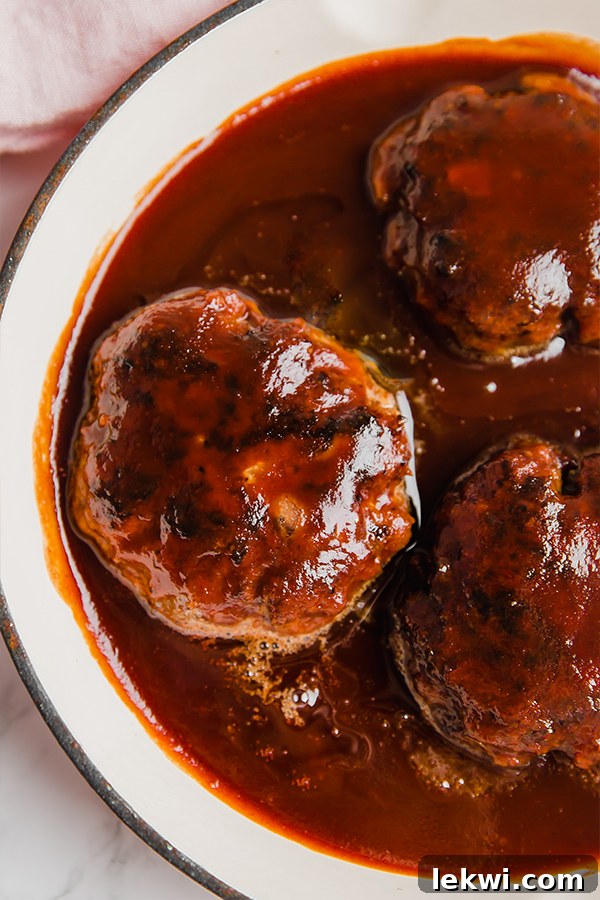
Recipe: Japanese Hamburger Steak
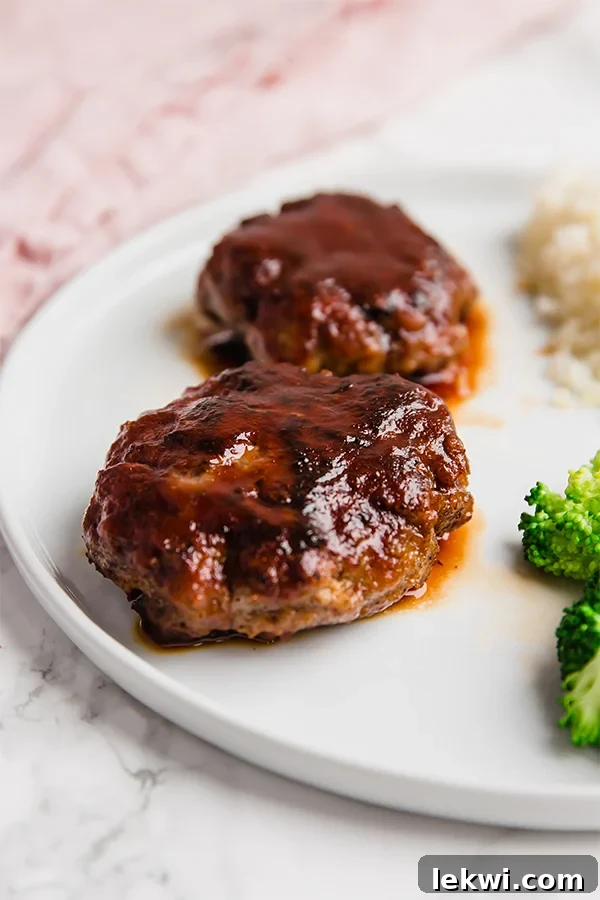
Japanese Hamburger Steak
This Japanese Hamburger Steak is a sweet, savory, and simple one-pan meal. It’s paleo and can be made Whole30 and AIP-friendly.
Yield: 4 servings
Author: Michelle
Ingredients
- ½ lb ground beef
- ½ lb ground pork (substitute all ground beef if preferred)
- 2 tbsp coconut flour
- 1 tbsp coconut aminos (for patties)
- ¾ tsp sea salt
- ¼ tsp black pepper (omit for AIP)
- 1 tbsp onion powder
- 3 cloves garlic, minced
- 2 tbsp avocado oil
- ¼ cup coconut aminos (for sauce)
- ¼ cup compliant ketchup (use sugar-free for Whole30; for AIP, look for beet-based or specialized AIP ketchups like this one. See blog post above for more options)
- 1 tbsp rice wine vinegar (substitute 2 tsp apple cider vinegar)
Instructions
- Using a medium bowl, combine the ground meat, coconut flour, 1 tbsp coconut aminos, sea salt, black pepper (if using), onion powder, and minced garlic. Mix well until just combined. Form into 4 uniform patties and set aside.
- Heat the avocado oil in a large pan over medium-high heat. Add the burgers, being careful not to overcrowd the pan. Cook for 3-4 minutes on each side, flipping often, until fully cooked through and browned. Set the cooked patties aside and drain any excess fat from the pan.
- In a small bowl, combine ¼ cup coconut aminos, compliant ketchup, and rice wine vinegar. Mix well to create the sauce.
- Pour the sauce mixture into the pan. Return the burgers to the pan. Coat the burgers thoroughly in the sauce and cook for another minute, allowing the sauce to thicken slightly and glaze the patties.
- Serve immediately with your favorite side of vegetables, such as cauliflower rice and steamed broccoli.
Notes
All nutritional information provided is an estimation and will vary based on specific ingredients and brands used. Estimations do not include optional ingredients or variations.
Nutrition Facts
Serving: 1 serving, Calories: 351 kcal, Carbohydrates: 15.7g, Protein: 23.1g, Fat: 21.1g, Fiber: 1.6g
Did you make this recipe? We’d love to see it! Tag @unboundwellness on Instagram and use the hashtag #unboundwellness!
More Wholesome & Flavorful Recipes You’ll Love
If you enjoyed this Japanese Hamburger Steak, be sure to explore these other delicious and healthy recipes:
- Classic Hamburger Steak (Paleo)
- Asian Sloppy Joe Skillet
- Homemade Japanese Ginger Dressing