Living with an autoimmune condition can often feel like navigating a complex maze of symptoms, flare-ups, and dietary restrictions. Many individuals seek effective strategies to manage their conditions, reduce inflammation, and support their body’s natural healing processes. One such powerful approach gaining significant traction is the Autoimmune Protocol (AIP) diet.
The AIP diet is far more than just a temporary eating plan; it’s a comprehensive nutritional and lifestyle protocol designed to identify and eliminate potential food triggers, heal the gut, calm the immune system, and ultimately, foster long-term wellness. But what exactly does this protocol entail? What foods are embraced, and which are strictly avoided? And how do you successfully navigate its phases to reclaim your health?
What is the AIP Diet (Autoimmune Protocol)?
The Autoimmune Protocol, or AIP diet, is a specialized elimination and reintroduction diet specifically tailored for individuals grappling with autoimmune diseases. Its fundamental goal is to reduce systemic inflammation, promote gut healing, and modulate immune system activity, thereby offering the body a crucial opportunity to recover and restore balance.
At its core, the AIP diet focuses on removing a wide range of foods known to commonly trigger inflammation, irritate the gut lining, or stimulate the immune system. This elimination phase typically lasts for a minimum of 30 days, though for some, it may extend for several months until significant symptom improvement is observed. Following this strict elimination period, foods are systematically reintroduced one by one. This careful, measured approach allows individuals to identify specific trigger foods, understand their body’s unique sensitivities, and build a personalized, sustainable diet.
Many individuals, even after successfully reintroducing foods and experiencing a reduction in their autoimmune symptoms, choose to continue following an AIP template. This often means maintaining a diet rich in AIP-compliant foods while enjoying previously reintroduced items that their body tolerates well. This adaptive approach serves as a proactive measure, helping to prevent symptoms from flaring up again and maintaining overall well-being.
It’s crucial to understand that AIP is generally intended as a short-to-medium-term therapeutic intervention, not a permanent, restrictive lifestyle. The ultimate aim is to heal enough to broaden your dietary scope, while still being mindful of your body’s needs.
AIP Diet Food List: What You CAN Eat
The AIP diet emphasizes nutrient-dense, whole foods that support healing and reduce inflammation. Far from being restrictive, it encourages a diverse intake of wholesome ingredients. Here’s a comprehensive look at the foods that form the foundation of the AIP protocol:
- All Animal Proteins (excluding eggs): Prioritize high-quality, pasture-raised, or wild-caught meats, poultry, and fish. This includes beef, lamb, pork, chicken, turkey, salmon, cod, and shellfish. These provide essential amino acids and vital nutrients.
- All Vegetables (excluding nightshades): Embrace a vibrant array of vegetables, especially leafy greens (spinach, kale, collards), cruciferous vegetables (broccoli, cauliflower, Brussels sprouts), root vegetables (sweet potatoes, carrots, parsnips), and sea vegetables. These are packed with vitamins, minerals, and antioxidants crucial for healing.
- Fruits in Moderation: Enjoy a variety of fruits, but keep intake moderate due to their sugar content. Berries, apples, bananas, and melons are excellent choices, providing antioxidants and fiber.
- Healthy Fats: Incorporate beneficial fats from sources like avocados, avocado oil, olive oil (extra virgin, cold-pressed), coconut oil, and animal fats (tallow, lard from grass-fed animals). These fats are essential for hormone production, nutrient absorption, and reducing inflammation.
- Bone Broth and Organ Meats: These are powerhouses of nutrition. Bone broth provides collagen, gelatin, and amino acids vital for gut healing, while organ meats (like liver, heart, and kidney) are incredibly rich in vitamins and minerals.
- Grain-Free Baking Flours: For occasional treats or baking, use flours derived from compliant sources such as cassava flour, tigernut flour, tapioca starch, and coconut flour.
- Fermented Foods: Small amounts of fermented foods like kombucha, sauerkraut, and kimchi (ensure ingredients are AIP-compliant) can help support a healthy gut microbiome.
- Herbs and Spices (non-seed based): Utilize a vast array of fresh and dried herbs like basil, oregano, rosemary, thyme, ginger, and turmeric to flavor your meals.
For a more detailed and extensive AIP food list, including printable PDF downloads, click here!
Foods to Strictly AVOID on the AIP Diet
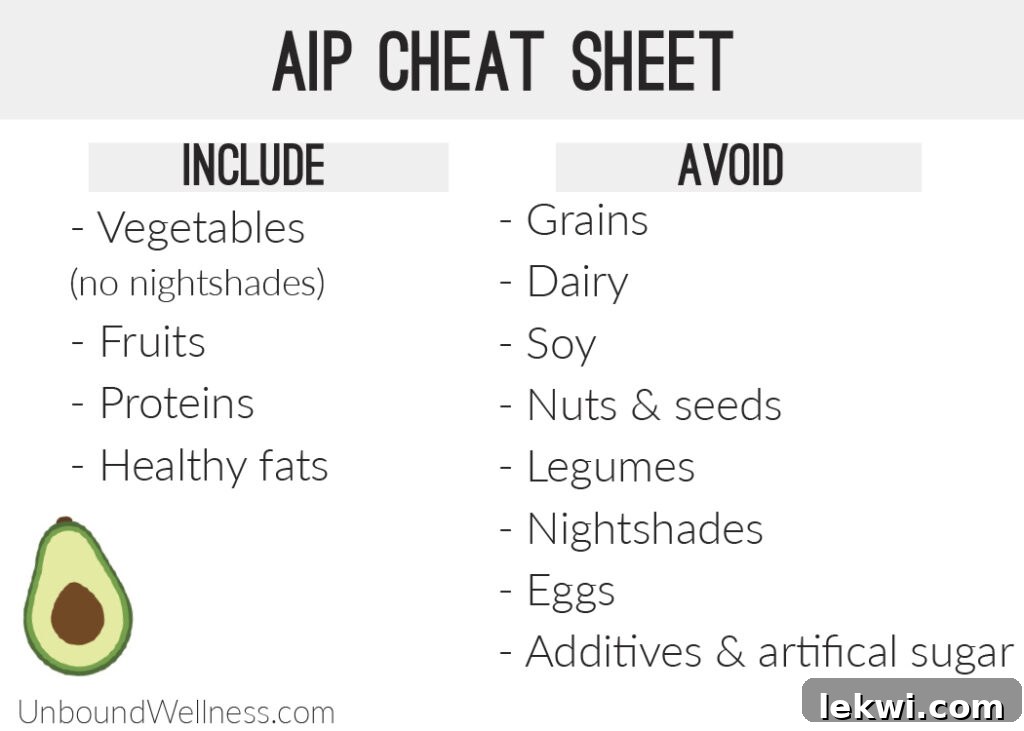
The elimination phase of the AIP diet involves temporarily removing foods that are commonly associated with inflammation, gut irritation, or immune responses. Understanding these restrictions is key to the protocol’s effectiveness:
- All Grains: This includes wheat, corn, rice, oats, barley, rye, quinoa, and pseudo-grains. Grains contain compounds like gluten, lectins, and phytates that can irritate the gut lining and trigger immune reactions in sensitive individuals.
- All Dairy: Absolutely all forms of dairy, including milk, cheese, yogurt, butter, and ghee, from any animal source. Dairy contains casein and lactose, which can be highly inflammatory and difficult to digest for many people, especially those with autoimmune conditions.
- All Legumes: This category includes all beans (black beans, lentils, chickpeas, kidney beans), peas, and peanuts. Legumes contain lectins and saponins that can contribute to gut permeability (“leaky gut”) and immune activation. Green beans are also generally avoided in the initial phase.
- Nightshade Vegetables and Spices: Avoid tomatoes, potatoes (white potatoes), eggplant, all peppers (bell peppers, chili peppers), and spices derived from peppers (paprika, cayenne pepper, chili powder). Nightshades contain solanine and capsaicin, which can exacerbate inflammation and digestive issues for some individuals.
- All Nuts and Seeds: This includes tree nuts (almonds, walnuts, cashews) and all seeds (chia seeds, flax seeds, sesame seeds, sunflower seeds). Nuts and seeds contain lectins and phytic acid, which can be difficult to digest and may contribute to gut irritation.
- Seed-Based Spices: Spices like mustard, cumin, coriander, and sesame seeds are also excluded during the elimination phase.
- Eggs: Eggs are a common allergen and can be problematic for individuals with autoimmune conditions, particularly the egg whites.
- Soy: All soy products (tofu, tempeh, soy milk, edamame) are eliminated due to potential hormonal disruption and inflammatory compounds.
- Thickeners, Gums, and Food Additives: Processed foods containing emulsifiers, gums (like guar gum, xanthan gum), artificial sweeteners, and other chemical additives are strictly avoided as they can disrupt gut health.
- Poor Quality Seed Oils: Highly processed industrial seed oils such as sunflower oil, canola oil, soybean oil, corn oil, and grapeseed oil are inflammatory and should be replaced with healthy fats.
- Refined Sugars and Sweeteners: Processed sugars, high-fructose corn syrup, and artificial sweeteners can fuel inflammation and disrupt the gut microbiome.
- Alcohol and Caffeine: These substances can act as gut irritants and immune stimulants, thus are typically removed during the elimination phase.
Click To Download This Handy AIP Diet Wallet-Sized Cheat Sheet for quick reference!
What Should You Eat for Breakfast on the AIP Diet?
Navigating breakfast without eggs or grains might seem challenging at first, but the AIP diet offers a plethora of delicious and satisfying options. Think outside the traditional breakfast box and embrace savory, nutrient-dense meals to start your day:
- Savory Meat & Vegetable Scrambles: Instead of eggs, use ground turkey or beef with a generous mix of spinach, sweet potatoes, onions, and compliant herbs.
- Breakfast Sausages: Homemade turkey or chicken breakfast sausages seasoned with AIP-friendly spices (like sage, thyme, and ginger) are fantastic. You can find ready-made recipes that simplify this.
- Hearty Skillets: Combine ground meat with a variety of chopped vegetables like parsnips, carrots, and sweet potatoes, cooked down in a skillet with some healthy fat.
- Leftovers: Don’t underestimate the power of dinner leftovers for a quick, compliant breakfast. Chicken and vegetable stir-fry or a hearty stew can be perfectly acceptable.
Here are some specific recipe ideas to get you started:
- Delicious Turkey Maple Breakfast Sausages
- Flavorful Breakfast Sausage Chicken Poppers
- A Satisfying Mexican Breakfast Skillet
What Can You Eat for Lunch and Dinner?
Lunch and dinner on the AIP diet revolve around combining high-quality protein, an abundance of vegetables, and healthy fats. The culinary possibilities are truly endless once you understand the core principles. Focus on creating balanced plates that are both nourishing and flavorful:
- Roasted Meats & Veggies: Sheet pan meals with roasted chicken, fish, or beef alongside broccoli, carrots, and sweet potatoes are simple and delicious.
- Stir-Fries: Use compliant meats and a medley of colorful vegetables, stir-fried in coconut oil with ginger and garlic.
- Soups and Stews: Hearty bone broth-based soups packed with shredded chicken or beef and plenty of root vegetables and greens.
- Salads: Large salads with a base of mixed greens, topped with grilled protein, avocado, and a simple olive oil and lemon dressing.
Here are some favorite AIP-friendly recipes to inspire your meal planning:
- AIP & Paleo Chicken Marsala
- Sweet Potato Chicken Poppers (Paleo, AIP, Whole30 Compliant)
- Comforting Paleo Beef Stroganoff (Whole30, AIP Friendly)
“What if I don’t have issues with ‘X’ food?” Understanding Hidden Sensitivities
A common misconception about the AIP diet is that if you don’t experience an immediate or noticeable reaction to a certain food, you don’t need to avoid it. However, this perspective often overlooks the insidious nature of chronic inflammation and delayed food sensitivities. Our bodies can become so inflamed over time that they are in a constant state of reactivity, making it difficult to discern specific triggers.
Consider the example of someone consuming tomatoes daily for years. Their body might be perpetually reactive, masking any specific inflammatory response to tomatoes. Only by completely eliminating such foods and then carefully reintroducing them can the body “calm down” enough for clearer reactions to emerge. This process can be incredibly eye-opening, revealing sensitivities you never knew you had.
The 30-day minimum elimination period is crucial for giving your immune system a much-needed break and allowing your gut lining to heal. This “reset” period establishes a baseline, enabling you to accurately gauge your body’s response when foods are reintroduced. While some foods on the restricted list might eventually prove benign for you, a dedicated elimination phase is necessary to gain that clarity and truly understand what your body can and cannot tolerate without triggering an autoimmune flare.
How Long Do You Follow the AIP Diet?
Let’s be clear: You do not have to follow the strict AIP elimination diet forever! The autoimmune protocol is specifically designed as a therapeutic tool with a defined endpoint. Its primary purpose is to provide your body with a window of opportunity to heal, reduce inflammation, and then systematically reintroduce foods to discover your personal trigger foods and build a sustainable, less restrictive diet.
It can sometimes be confusing to see bloggers and influencers who seem to perpetually follow the autoimmune protocol. In reality, many of them, like myself, have successfully completed the elimination phase and reintroduced numerous foods. While we may continue to operate from an AIP template—meaning our core diet remains centered on anti-inflammatory, nutrient-dense foods—we enjoy a broader range of foods that we’ve identified as safe for our bodies. For instance, I have successfully reintroduced items like white rice, almonds, coffee, and even chocolate.
The typical duration for the elimination phase varies, but most individuals adhere to it for 30 days to a few months. The key indicator for moving to the reintroduction phase is a noticeable and significant reduction in your autoimmune symptoms and an overall improvement in your well-being.
How Do AIP Food Reintroductions Work?
The reintroduction phase is arguably the most critical part of the AIP journey. This systematic process helps you identify your personal food triggers in a controlled manner. Rushing this stage or reintroducing multiple foods at once can obscure your body’s reactions and negate the hard work of the elimination phase. Patience, mindfulness, and careful observation are paramount.
Here is a step-by-step process for successfully reintroducing foods:
- Complete the Elimination Phase: Commit to the protocol for a minimum of 30 days, or until you reach a point where you’ve experienced significant symptom improvement and feel a substantial sense of healing. This is your baseline.
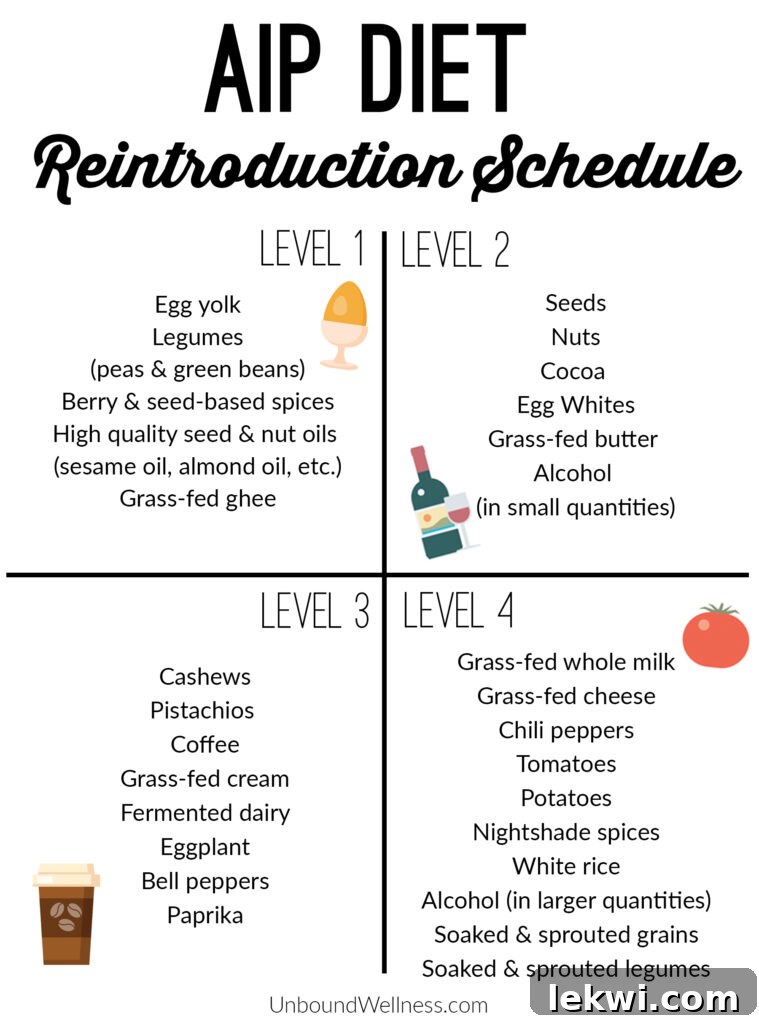
- Choose Your First Reintroduction: Start with a “Level 1” reintroduction food, which are typically less likely to cause a reaction (e.g., egg yolks, specific non-seed spices).
- Isolate and Observe: Eat a small amount of the chosen food in isolation (e.g., a teaspoon). Wait 15-20 minutes and observe for any immediate reactions. If no reaction, eat a slightly larger portion (e.g., a tablespoon) and wait another 2-3 hours. If still no reaction, eat a regular portion later that day.
- Wait and Track: After your trial, completely avoid the reintroduced food for 3-5 days. During this time, continue to eat strictly AIP compliant foods. Meticulously track your reactions in a food journal. You’re looking for both immediate and delayed symptoms, such as headaches, mood swings, changes in skin (rashes, acne), fatigue, joint pain, digestive upset (bloating, gas, diarrhea, constipation), sleep disturbances, or brain fog.
- Evaluate and Decide: If you experience any negative symptoms, the food is likely a trigger for you currently. Table it and try again in a few months, or consider it a long-term avoidance food. If you experience no negative symptoms, the food is likely well-tolerated and can be added back into your regular rotation.
- Repeat the Process: Once a food is successfully reintroduced and integrated, move on to the next reintroduction, following the same careful steps. Always reintroduce one food at a time.
The AIP reintroduction schedule is typically phased, starting with less reactive foods and gradually moving towards more common allergens. Click here to download a PDF outline of how the levels of reintroduction are phased.
For more in-depth resources and guidance on successful food reintroductions, explore this recommended e-book and this comprehensive blog post.
How Do You Know You’re Healing and Ready for Reintroductions?
Determining readiness for reintroductions is a highly personal process, as each individual’s healing journey is unique. However, there are general indicators that can help gauge your progress:
- Changes in Lab Work/Blood Tests: Your healthcare practitioner can monitor inflammatory markers, antibody levels, and other relevant blood work that may show improvement as your body heals. Regular communication with your doctor about these changes is vital.
- Noticeable Reduction in Symptoms: This is often the most tangible sign for individuals. You might experience increased energy levels, reduced pain, improved digestion, clearer skin, diminished brain fog, better sleep quality, or a significant decrease in the frequency or intensity of your autoimmune flare-ups. You should feel a general sense of well-being and stability.
The specifics of what “healing” looks like will differ greatly from person to person. It is paramount to engage in open and ongoing dialogue with your own doctor, functional medicine practitioner, or nutritionist. They can help interpret your individual health markers and guide you on when it’s appropriate and safe to begin the reintroduction phase, ensuring a personalized and effective approach.
Does the AIP Diet Really Work? Scientific Evidence and Anecdotal Success
The effectiveness of the AIP diet is a topic of growing interest within the medical and wellness communities. While individual results can vary—some find profound success, while others may not experience the same degree of improvement—the protocol has garnered significant support from both anecdotal accounts and emerging scientific research.
Numerous individuals living with various autoimmune conditions, from Hashimoto’s thyroiditis to Crohn’s disease and rheumatoid arthritis, have reported remarkable improvements in their symptoms and overall quality of life after adopting the AIP diet. These personal stories offer powerful encouragement and insight into the potential of dietary interventions.
- Read Angie Alt’s inspiring healing journey with AIP.
- Discover Sophie’s powerful story of healing through the AIP diet.
For those seeking scientific validation beyond personal anecdotes, the research is also beginning to catch up. A landmark medical study published in Inflammatory Bowel Diseases journal in 2017 investigated the impact of the Autoimmune Protocol on individuals with inflammatory bowel disease (Crohn’s disease and ulcerative colitis). The results were astounding and incredibly encouraging, demonstrating significant improvements in disease activity and quality of life for participants. You can find this pivotal study here. This study, among others, provides a strong scientific basis for the efficacy of the AIP approach in managing autoimmune conditions.
Beyond Diet: Holistic Healing for Autoimmunity
While diet forms the cornerstone of the Autoimmune Protocol, true healing from autoimmune disease is a holistic endeavor that extends far beyond the plate. Addressing other crucial lifestyle factors is essential for comprehensive and sustainable wellness. Neglecting these areas can often undermine even the most diligent dietary efforts.
Here are key elements to integrate into your healing journey, alongside your AIP diet:
- Stress Reduction: Chronic stress is a powerful trigger for inflammation and immune dysregulation. Incorporate stress-reducing practices like meditation, yoga, deep breathing exercises, spending time in nature, or engaging in hobbies you enjoy.
- Quality Sleep: Adequate, restorative sleep is non-negotiable for immune function, hormone balance, and cellular repair. Aim for 7-9 hours of quality sleep per night and establish a consistent sleep schedule.
- Home and Body Care Products: Many conventional products contain endocrine-disrupting chemicals and toxins that can burden the immune system. Opt for natural, non-toxic alternatives for cleaning supplies, cosmetics, and personal care products.
- Mindful Movement: Regular, gentle exercise supports circulation, reduces inflammation, and improves mood. Focus on activities like walking, swimming, stretching, or gentle strength training, rather than high-intensity workouts that might overstress your system.
- Community Support: Connecting with others who understand your journey can provide invaluable emotional support and reduce feelings of isolation. Seek out online forums, local support groups, or trusted friends and family.
- Addressing Underlying Infections: Chronic infections (viral, bacterial, parasitic) can often be significant triggers for autoimmune flares. Working with a practitioner to identify and address these is crucial.
- Working with a Functional Doctor: A knowledgeable healthcare practitioner, especially one skilled in functional or integrative medicine, can provide personalized guidance, interpret lab results, and help you navigate the complexities of autoimmune disease. Check out this post on how to find a good functional doctor.
By adopting a multi-faceted approach that considers diet, lifestyle, and professional medical guidance, you create the most conducive environment for your body to heal and thrive.
AIP Diet & Lifestyle Resources
The AIP community is a vibrant and ever-growing source of information, support, and inspiration. Whether you’re just starting out or looking to deepen your understanding, there are countless amazing blogs, books, and influencers dedicated to helping you on your healing journey. Here are some of my top recommendations:
Recommended Books:
- The Paleo Approachby Dr. Sarah Ballantyne: Often considered the “AIP Bible,” this comprehensive guide delves into the science behind the protocol.
- A Simple Guide to the AIPby Eileen Laird: A fantastic, easy-to-understand resource for beginners looking to grasp the basics.
- The Autoimmune Paleo Cookbookby Mickey Trescott: Filled with delicious, compliant recipes to make AIP enjoyable.
- The Healing Kitchenby Alaena Haber & Sarah Ballantyne: Offers a wealth of creative and satisfying AIP recipes.
Recommended Blogs:
- UnboundWellness.com: That’s me! Your host on this healing journey, offering personal insights, recipes, and resources.
- ThePaleoMom.com: Dr. Sarah Ballantyne’s site, a science-backed powerhouse of AIP information.
- PhoenixHelix.com: Eileen Laird provides extensive resources, including podcasts, reintroduction guides, and success stories.
- AutoimmuneWellness.com: Founded by Mickey Trescott and Angie Alt, offering a holistic approach to AIP and autoimmune health.
- GrazedandEnthused.com: A great source for delicious AIP recipes and meal ideas.
- ASquirrelinthekitchen.com: Another wonderful blog focusing on AIP-compliant recipes and lifestyle tips.
- …and many more inspiring voices within the AIP community!
Embarking on Your AIP Diet Plan
Taking the first step towards an AIP diet can feel overwhelming, but it’s a profound investment in your health. Where do you begin? The initial phase involves research and a deep dive into self-reflection. It’s crucial to ensure that embarking on the AIP journey is the right decision for you, at this specific point in your life. Even if a full protocol isn’t feasible today, remember that you can still integrate elements of the AIP diet into your routine, gradually building towards a more comprehensive approach when you’re ready.
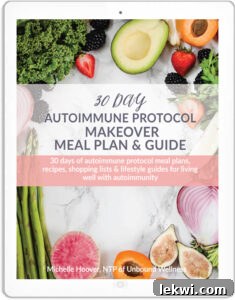
The resources listed above are exceptional starting points for further research. Additionally, consider exploring structured guides designed to simplify the process. My e-book, the 30 Day Autoimmune Protocol Makeover, offers a complete, step-by-step guide to navigating the AIP diet. It includes comprehensive lifestyle plans, detailed meal plans, convenient shopping lists, delicious recipes, and much more, all designed to support you through your first 30 days and beyond. You can learn more and check it out here!
Regardless of the path you choose after reading this guide, my sincere hope is that it has provided clarity, answered your pressing questions, and empowered you with the knowledge and confidence to take your next steps towards a healthier, more vibrant life with autoimmune disease.