This recipe contains affiliate links.
Wholesome Homemade Cup of Noodles: Your Ultimate Gluten-Free & Soy-Free Meal Prep Solution
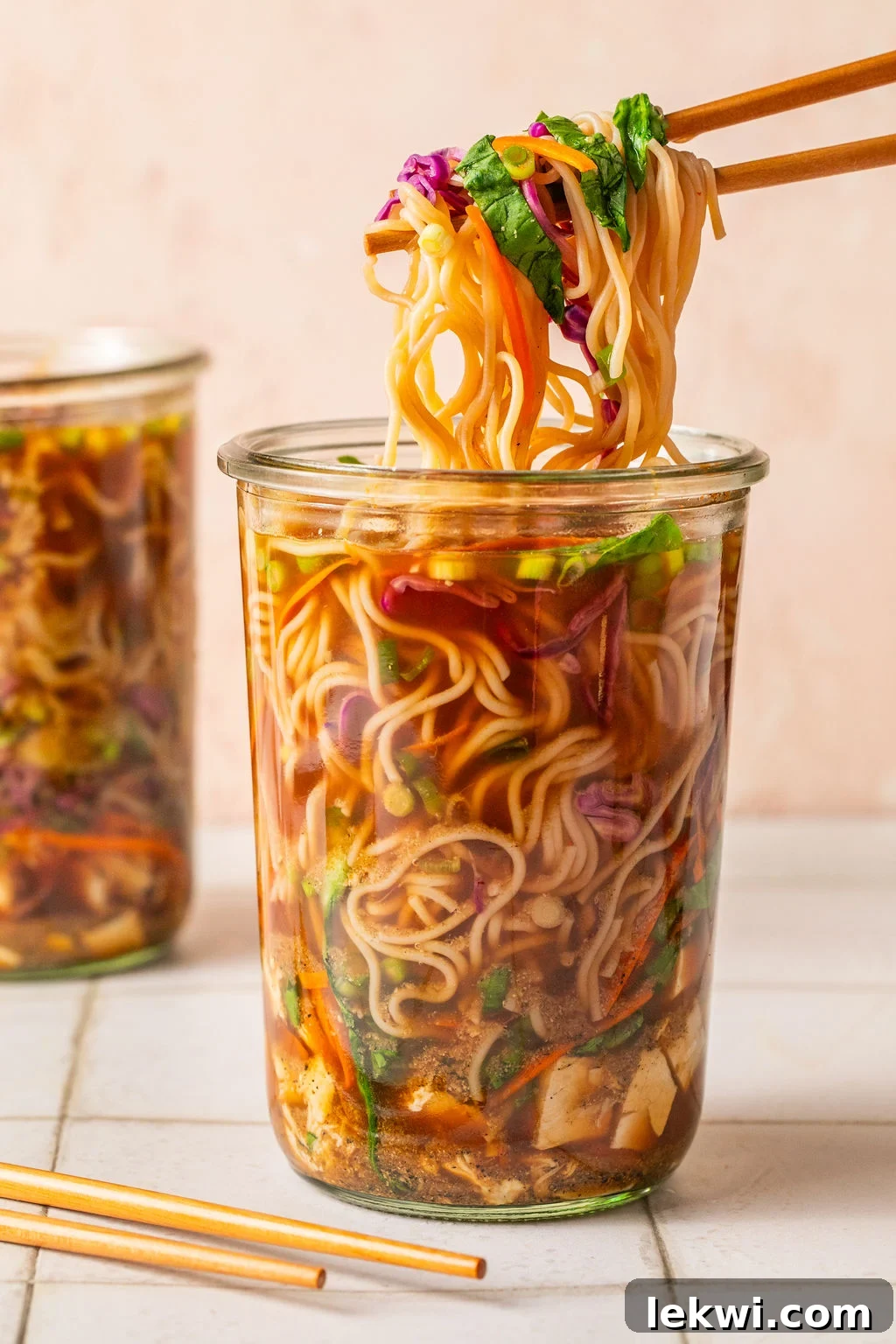
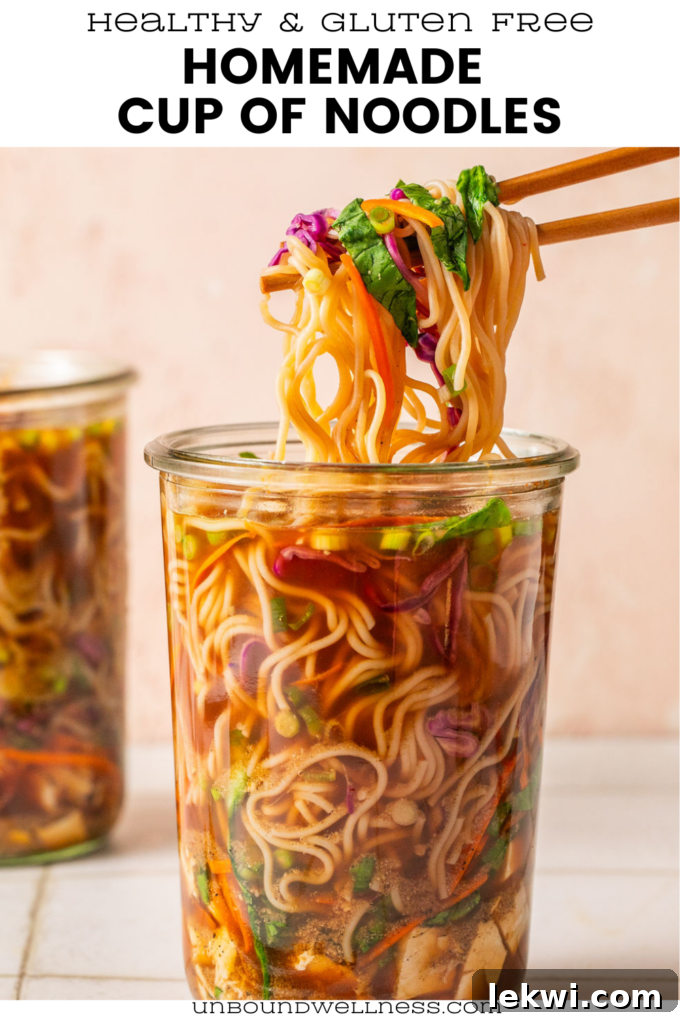
Craving the comforting warmth of a cup of noodles without the gluten, soy, or artificial ingredients? You’re in luck! This revolutionary recipe for healthy homemade cup of noodles is the perfect alternative to the classic convenience meal. Packed with vibrant vegetables, lean protein, and a rich, savory homemade soup base, these customizable noodle jars are not only gluten-free and soy-free but also incredibly satisfying and easy to prepare. Say goodbye to dietary restrictions and hello to delicious, wholesome instant noodles anytime, anywhere!
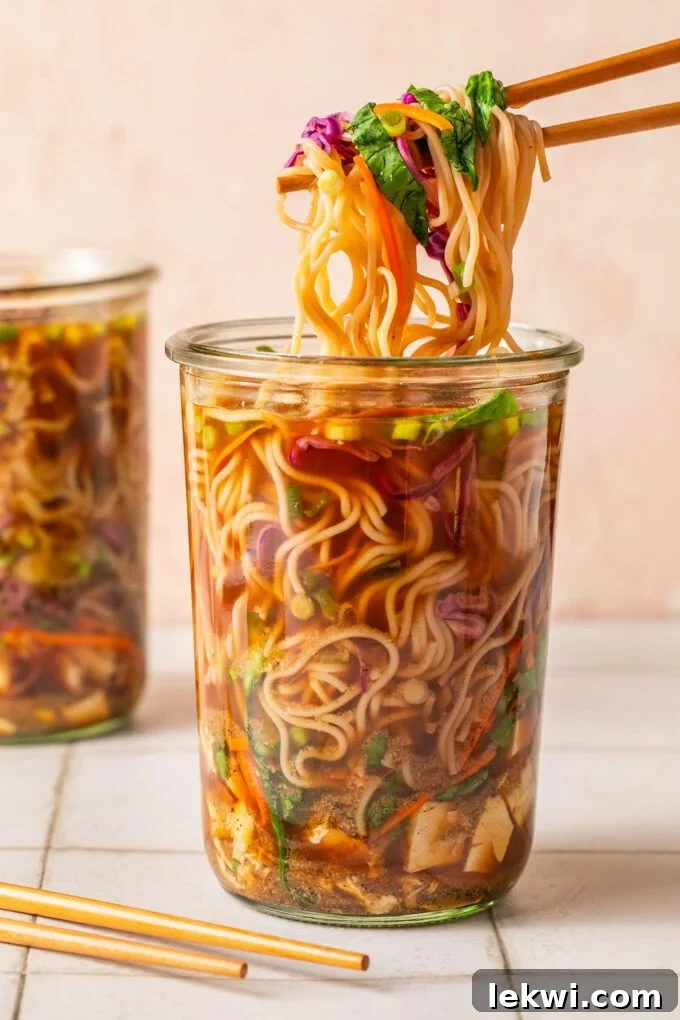
For many, the instant cup of noodles is a nostalgic staple, a quick and easy meal that evokes memories of college dorms, late-night study sessions, or simply a comforting snack on a chilly day. Its undeniable convenience made it a go-to for generations. However, for those navigating dietary restrictions like gluten and soy sensitivities, that familiar comfort often feels like a distant memory. Traditional instant noodles are typically loaded with gluten-containing wheat noodles, soy-based seasonings, and often a long list of additives. It can be disheartening to feel excluded from such a simple pleasure.
But what if you could recreate that comforting experience at home, tailored to your dietary needs, and elevate it with fresh, nutritious ingredients? This healthier homemade version of cup of noodles is precisely what you’ve been searching for. It’s designed to be completely gluten-free, soy-free, and incredibly simple to assemble for meal prep. Imagine a week of satisfying, flavor-packed lunches that you can simply “cook” by adding hot water – your colleagues will be envious of your delicious and wholesome office meal! This recipe brings back the joy of instant noodles, but in a way that truly nourishes your body.
Why You’ll Absolutely Love These Healthy Homemade Cup of Noodles
These aren’t just any ordinary instant noodles; they are a thoughtfully crafted meal designed for convenience, nutrition, and pure enjoyment. Here’s why these healthy homemade cup of noodles will quickly become a favorite in your kitchen:
- Effortless & Fast Meal Prep: This recipe is a game-changer for anyone looking to streamline their meal preparation. You can assemble multiple jars in under an hour on the weekend, providing you with grab-and-go lunches or dinners throughout the week. Each jar is a self-contained, no-cook solution – simply add hot water when you’re ready to eat! While this recipe is scaled for one jar, it’s incredibly easy to multiply the ingredients to prepare as many as you need, making it ideal for busy individuals or families.
- Nostalgic Comfort with a Healthy Twist: There’s something uniquely comforting about a warm bowl of noodles, especially when it reminds you of simpler times. This recipe captures all the cozy, nostalgic vibes of classic instant noodles but without any of the guilt. It’s a warm hug in a jar, made with wholesome ingredients you can feel good about. It delivers that familiar savory broth and tender noodles, but with a freshness that elevates the entire experience.
- High in Protein & Veggie-Forward: Unlike many instant noodle options that leave you feeling hungry shortly after, these homemade cups are designed for sustained energy and satiety. Each serving is packed with lean protein from chicken and an abundance of fresh, colorful vegetables. This ensures you’re getting a balanced meal that will actually keep you full and satisfied until your next meal, contributing to better energy levels and overall well-being.
- Customizable to Your Taste: One of the greatest advantages of making your own cup of noodles is the freedom to customize! Whether you want to switch up the protein, add different veggies, or adjust the spice level of your broth, this recipe provides a fantastic base for endless variations. It’s a versatile canvas for culinary creativity, ensuring you never get bored.
- Dietary Restriction Friendly: Specifically crafted to be gluten-free and soy-free, this recipe opens up the world of instant noodles to those with common food sensitivities. Using gluten-free ramen noodles and coconut aminos ensures that the flavor profile remains authentic while adhering to strict dietary needs. This means no more missing out on your favorite quick meals!
Essential Ingredients for Your Healthy Homemade Noodle Cups
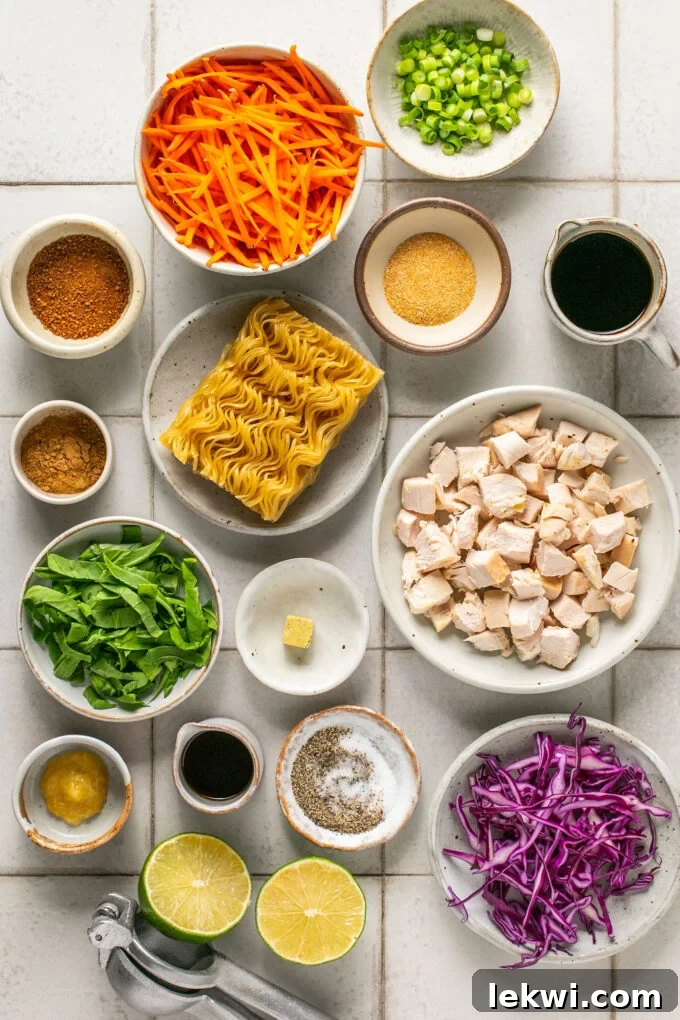
The beauty of this recipe lies in its balanced blend of simple, wholesome ingredients that come together to create a complex and satisfying flavor profile. Here’s a closer look at what you’ll need:
For the Nourishing Soup Base:
The soup base is the heart of your noodle cup, providing all the rich, umami depth and savory notes that make this meal so addictive. Each ingredient plays a crucial role:
- Chicken Bouillon Cube: This forms the foundational savory flavor, creating a robust broth when rehydrated. You can opt for store-bought low-sodium varieties or even homemade bouillon for ultimate control over ingredients.
- Coconut Aminos: A fantastic soy-free alternative to soy sauce, coconut aminos lend a subtly sweet and salty umami flavor. It’s perfect for adding depth without the soy.
- Coconut Sugar: Just a touch of coconut sugar helps to balance the savory and acidic elements in the broth, adding a slight sweetness that rounds out the flavor profile.
- Fish Sauce: Don’t skip this! A small amount of fish sauce (nam pla) adds an incredible layer of umami and complexity, enhancing the overall savory taste without making the soup taste “fishy.”
- Fresh Lime Juice: Bright, zesty lime juice is essential for cutting through the richness of the broth, adding a vibrant tang that awakens the palate.
- Ginger Paste: This provides a wonderful aromatic warmth and a slight spicy kick. You can adjust the amount to your personal preference for ginger intensity. Freshly grated ginger can also be used.
- Garlic Powder: For an additional layer of aromatic flavor that complements the ginger and other seasonings.
- Mushroom Powder: A secret weapon for umami! Mushroom powder (often made from dried shiitake or porcini mushrooms) intensifies the savory notes of the broth, adding depth without heavy ingredients.
- Salt and Pepper: Essential for seasoning and bringing all the flavors into harmony. Always adjust to your taste.
For the Flavorful Noodle Cups:
These ingredients are layered directly into your jar, ready to absorb the delicious broth and cook to perfection:
- Cooked Chicken: I typically use cooked and cubed chicken breast for convenience, but shredded rotisserie chicken works beautifully and saves even more prep time. Ensure it’s fully cooked as it will only be reheating in the jar.
- Gluten-Free Ramen Noodles: The star of the show! Look for brands that explicitly state “gluten-free” and ensure they are made from rice, millet, or other gluten-free grains. This particular gluten-free ramen is a great option.
- Bok Choy: This crisp, mild-flavored leafy green adds both texture and nutrients. It wilts perfectly in the hot broth.
- Carrots: Shredded carrots provide a hint of sweetness, vibrant color, and a satisfying crunch.
- Cabbage (Purple or Green): Finely shredded cabbage adds a lovely texture and a slightly peppery flavor. Purple cabbage also boosts the visual appeal with its striking color.
- Green Onion: Sliced green onions (scallions) are crucial for that fresh, pungent onion flavor and a pop of color, added right before serving.
Step-by-Step Guide: How to Assemble Your Homemade Cup of Noodles
Preparing these healthy noodle cups is incredibly straightforward, making it an ideal recipe for beginners and seasoned meal preppers alike. Follow these simple steps for perfectly layered and delicious results every time:
-
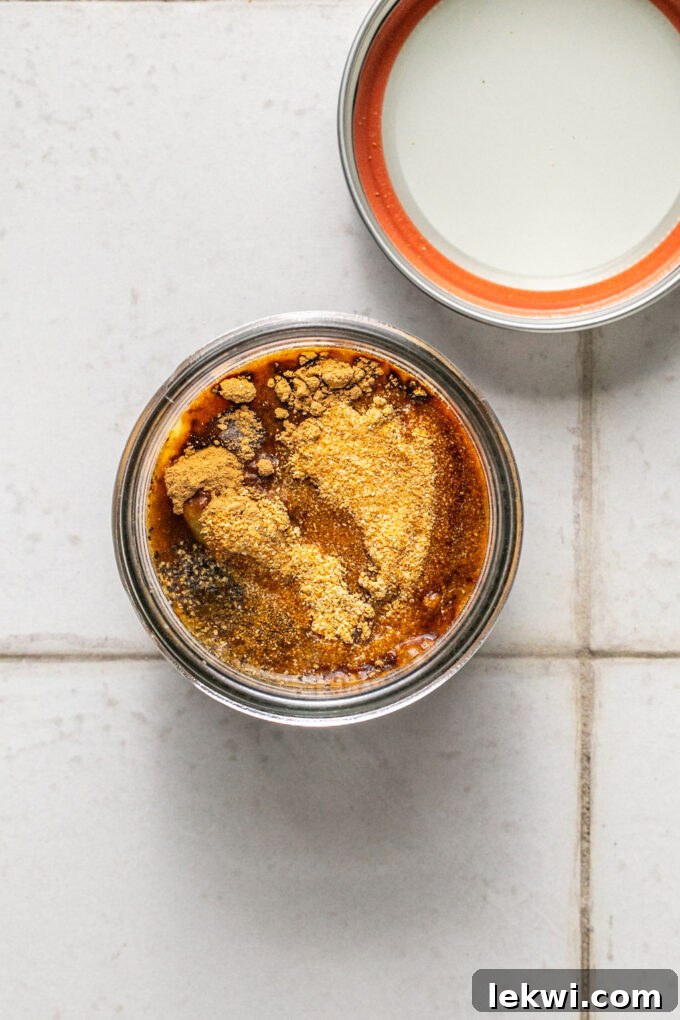
Step One: Prepare the Soup Base.
Begin by gathering all the ingredients for your soup base: chicken bouillon cube, coconut aminos, coconut sugar, fish sauce, lime juice, ginger paste, garlic powder, mushroom powder, and a pinch of salt and pepper. Place these ingredients into small, individual jars or airtight containers. These small jars will allow you to store the concentrated flavor base separately from your noodle cups until you’re ready to serve, ensuring optimal freshness and flavor. Store these soup base jars in the fridge.
-
Step Two: Assemble the Noodle Cups.
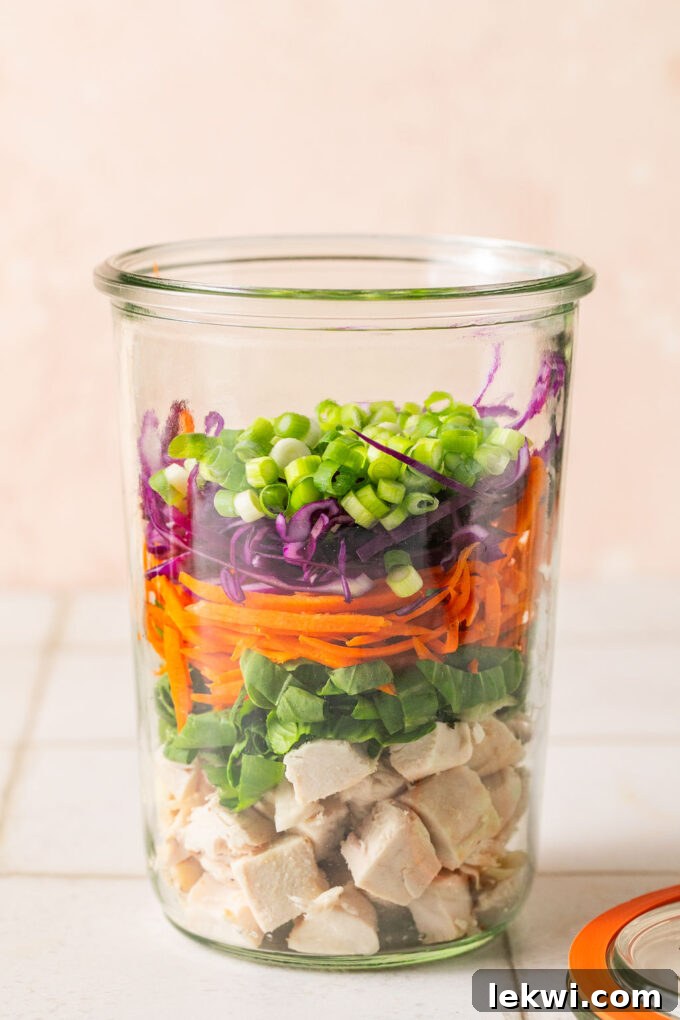
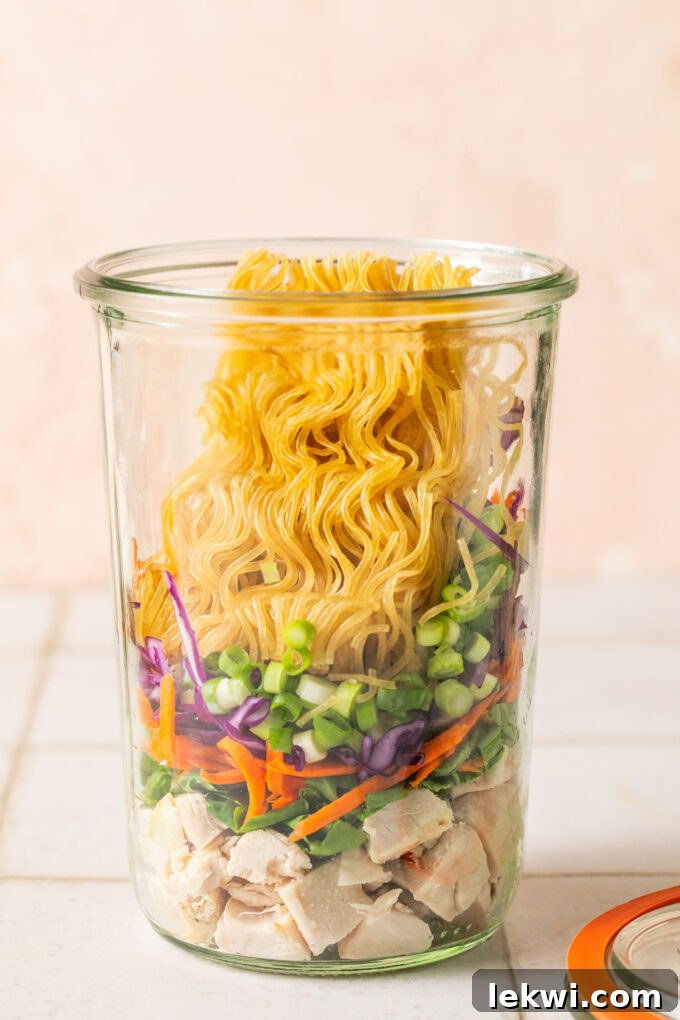
Now, it’s time to layer your main ingredients into larger jars. Choose wide-mouth, heat-safe glass jars for best results (such as these canning jars). Start by placing the cooked, cubed or shredded chicken at the very bottom of the jar. This helps to insulate the chicken and allows it to heat thoroughly when hot water is added. Next, layer your prepared vegetables: shredded bok choy, carrots, and purple cabbage. Pile them nicely on top of the chicken. Finally, place a brick of gluten-free ramen noodles on top of the vegetables. If the ramen brick is too large for your jar, you can carefully break it in half. Gently press down the noodles to ensure they fit snugly. Seal the jar with a lid and place it in the fridge. These noodle jars can be stored for up to 3 days, making them excellent for meal prepping.
-
Step Three: Prepare for Serving.
When you’re ready to enjoy your homemade cup of noodles, remove both the soup base jar and the noodle jar from the refrigerator about 20-30 minutes before serving. This crucial step allows the jars to come closer to room temperature, preventing thermal shock to the glass and ensuring that the hot water doesn’t cool down too rapidly when added, which could prevent the noodles and vegetables from cooking properly.
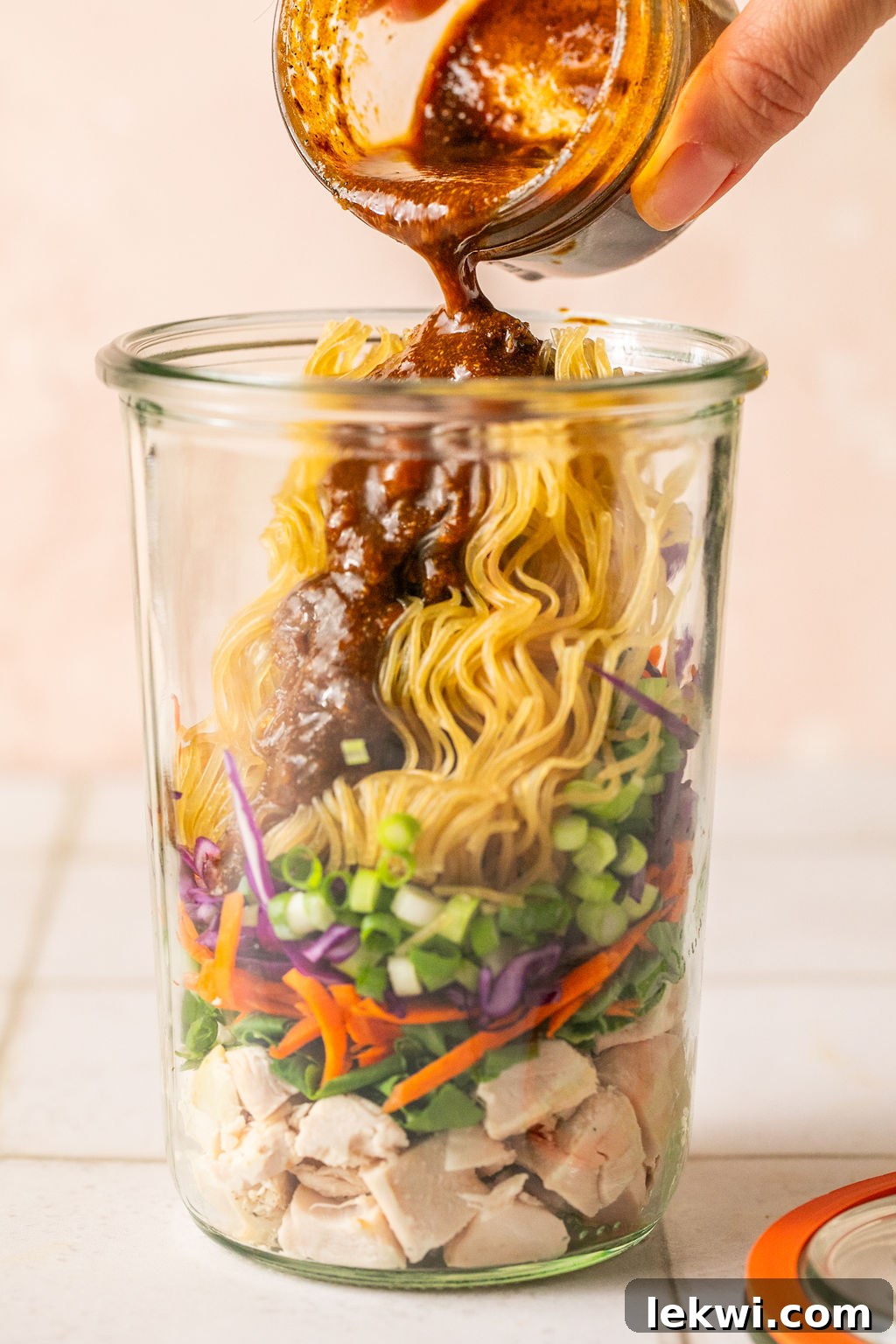
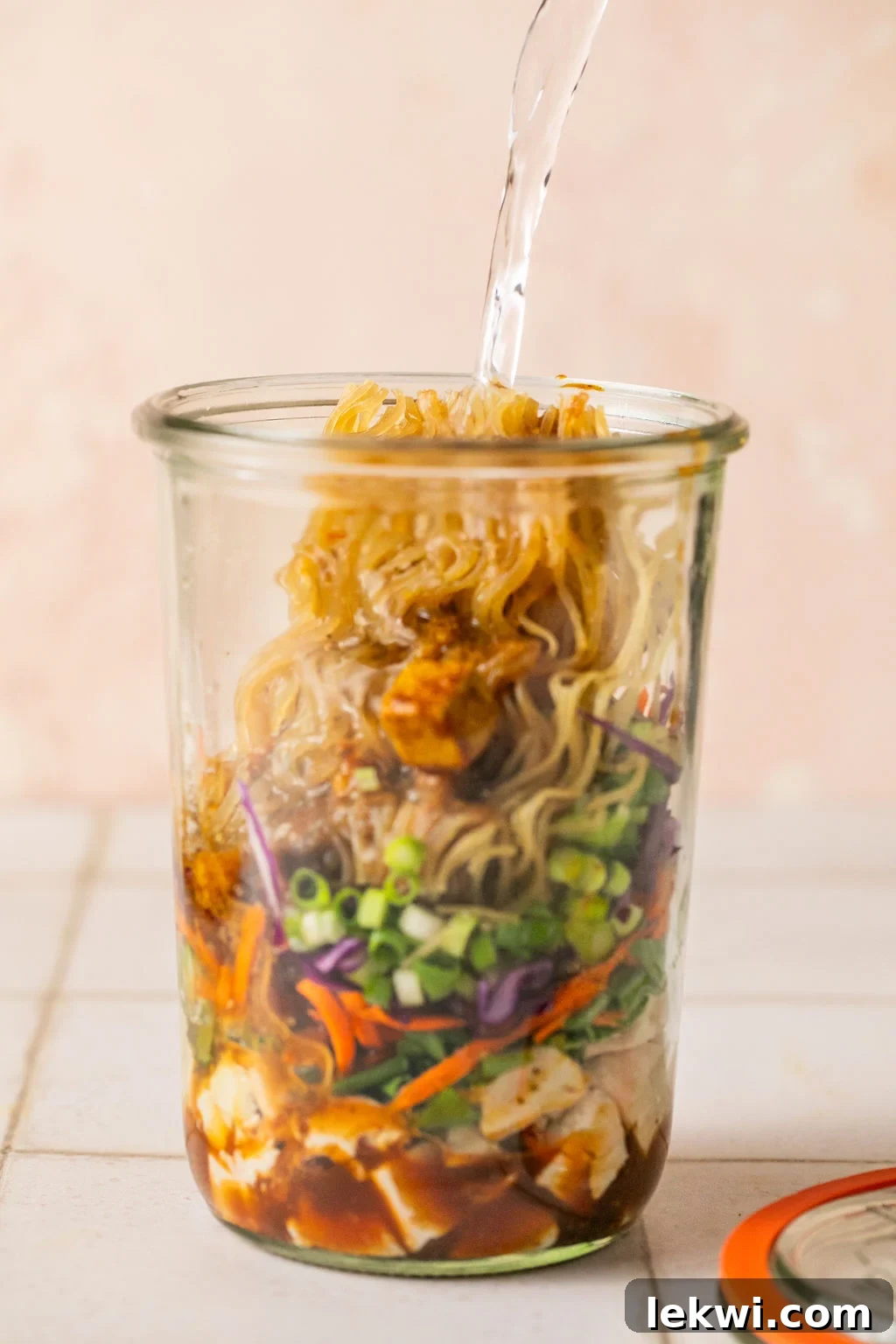
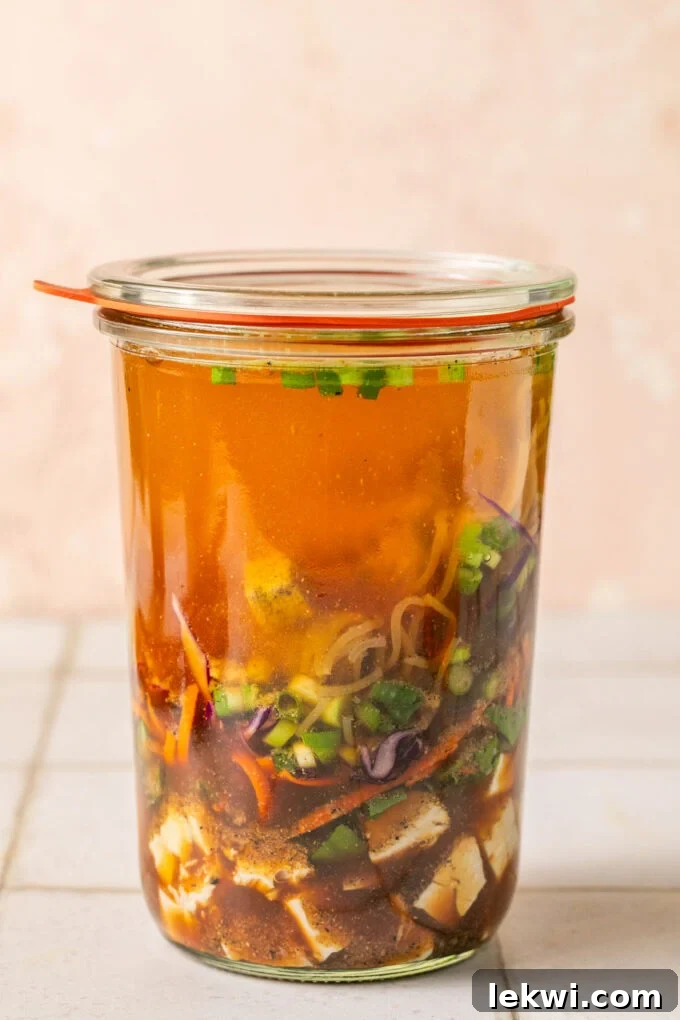
Add the concentrated soup base from its small jar directly into the larger jar containing the noodles, chicken, and veggies. Heat water to a low boil in a kettle or on the stovetop. Carefully pour the very hot water into the noodle jar, filling it almost to the top, leaving a small space. Use a chopstick or fork to gently stir the contents, making sure the soup base dissolves and begins to combine with the hot water.
-
Step Four: Let it Cook and Enjoy!
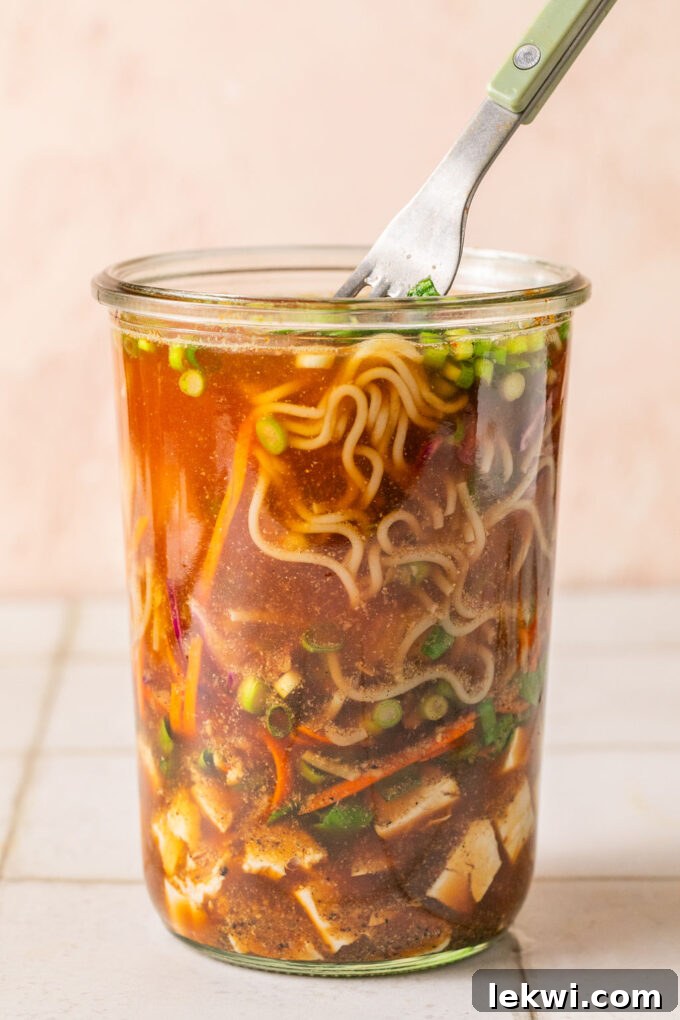
Place the lid back on the jar immediately after adding the hot water and stirring. This traps the heat, allowing the noodles to soften and the vegetables to cook. Let it sit undisturbed for about 4-5 minutes. After this initial resting period, carefully remove the lid and use a fork to gently separate the ramen noodles, which tend to stick together. Stir again to ensure everything is evenly heated and combined. Return the lid to the jar for another 5 minutes to complete the cooking process. This ensures your noodles reach the perfect al dente texture and your vegetables are tender-crisp.
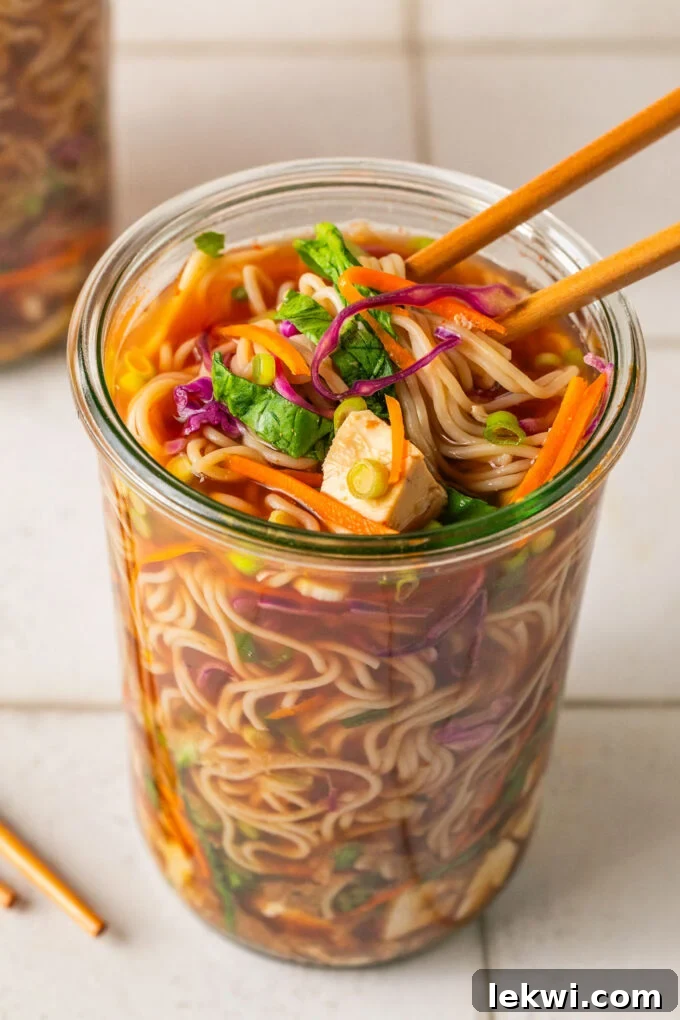
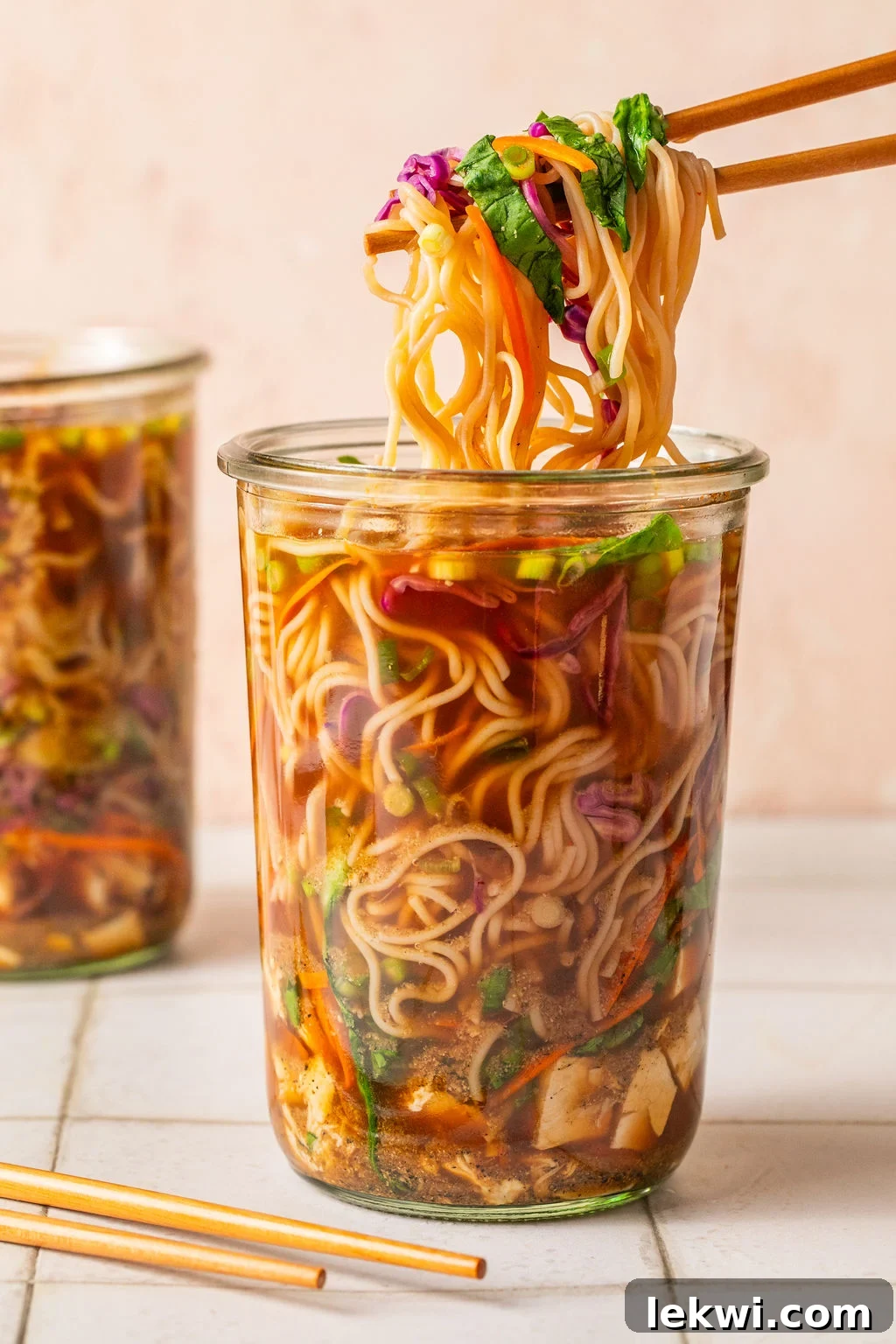
Once the noodles are perfectly cooked, carefully remove the lid. You can either use an oven mitt or hot pad to protect your hands and pour the delicious contents into a bowl for easier eating, or you can carefully enjoy the noodles directly from the jar. Be cautious as the jar will be hot! Garnish with fresh green onions if desired, and savor your wholesome, homemade instant noodle creation.
Pro Tips & Clever Tricks for Perfect Noodle Cups
Achieving the perfect homemade cup of noodles is simple, but a few expert tips can make all the difference in taste and convenience:
- Allow Sufficient Softening Time: Gluten-free ramen noodles, especially thicker varieties, require adequate time to rehydrate and soften in hot water. Don’t rush the process! While 5 minutes might seem like enough, typically 8-10 minutes (with a stir halfway) ensures the noodles are tender and not chewy. The noodles will most definitely need to be separated halfway through, so grab a fork and gently loosen them from each other to ensure even cooking.
- Temperature Acclimation is Key: This is a critical step for both safety and optimal cooking. Always let your noodle jars sit outside the fridge for 20-30 minutes before adding hot water. Pouring very hot water directly into a cold glass jar can cause thermal shock, potentially cracking or breaking the glass. Moreover, cold chicken and vegetables will rapidly cool down the hot water, significantly extending the time needed for the noodles to cook and the meal to heat through. Room temperature ingredients allow the hot water to work its magic more efficiently.
- Choose the Right Jar: Opt for wide-mouth, heat-safe glass jars (like Ball or Mason jars). Wide mouths make layering ingredients and stirring much easier. Ensure the jars are made for canning or hot liquids to withstand the temperature change.
- Garnish for Extra Flavor: While the recipe provides a complete flavor profile, consider adding extra garnishes just before eating for a fresh burst of flavor and texture. A sprinkle of toasted sesame seeds, a dash of sriracha, a few cilantro leaves, or an extra squeeze of lime can elevate your noodle cup even further.
- Pre-Cooked Protein is a Must: Always use fully cooked protein. This recipe is designed for reheating, not cooking raw ingredients. Cubed chicken, shredded pork, or cooked shrimp are all excellent choices.
Storage Instructions for Meal Prep Success
These homemade noodle cups are champions of meal prep! Here’s how to store them safely and effectively:
- Refrigerator Storage: Store both the small jars of soup base and the large noodle jars (with chicken, veggies, and ramen) in the fridge for up to 3 days. This duration ensures the vegetables remain crisp and fresh, and the flavors of the soup base stay vibrant.
- Ingredient Freshness: The vegetables chosen for this recipe – bok choy, carrots, and cabbage – are relatively hearty and hold up well in the refrigerator without getting soggy. Avoid adding very delicate greens like spinach or herbs too early, as they might wilt before you’re ready to eat. If you wish to use them, add them just before pouring in the hot water.
- Separation is Key: Storing the dry ingredients (noodles, protein, veggies) separately from the concentrated wet soup base is essential. This prevents the noodles from getting soggy and ensures maximum freshness and flavor when it’s time to rehydrate.
Creative Substitutions to Customize Your Noodle Cups
This recipe is incredibly versatile, allowing for numerous substitutions to suit your preferences or what you have on hand. Feel free to experiment!
-
Noodle Alternatives:
- Vermicelli Noodles: I’ve made this recipe with vermicelli noodles, and they work beautifully. The significant advantage of vermicelli (often made from rice) is that they cook much faster – typically requiring only about 3-4 minutes in hot water. This can be a great option if you’re truly short on time.
- Rice Noodles: Wider flat rice noodles can also be used, though they might require a bit longer to soften.
- Zucchini Noodles or Shirataki Noodles: For a low-carb option, these can be added, but they don’t require “cooking” in the same way ramen does, just heating through.
-
Vegetable Switch-Ups: The beauty of these cups is how easy it is to incorporate more veggies. Try adding:
- Mushrooms: Sliced fresh mushrooms (shiitake, cremini) add an earthy depth.
- Bell Peppers: Thinly sliced bell peppers (any color) for sweetness and crunch.
- Spinach or Kale: Add a handful of baby spinach or finely chopped kale just before pouring hot water; they’ll wilt perfectly.
- Peas or Corn: Frozen peas or corn can be added directly to the jar.
- Broccoli Slaw: A pre-packaged mix of shredded broccoli stems and carrots works wonderfully.
- Bean Sprouts: For added crunch and freshness, add a handful just before serving.
-
Protein Swaps: Any cooked protein will work wonderfully in these noodle cups. Consider:
- Shrimp: Cooked shrimp heats up quickly and pairs excellently with the Asian-inspired flavors.
- Ground Meat: Cooked ground pork, beef, or turkey seasoned with ginger and garlic.
- Pork: Leftover cooked pork loin or shredded pork.
- Tofu/Tempeh: Pan-fried or baked tofu/tempeh for a plant-based option.
- Eggs: A jammy soft-boiled egg can be added right before eating for extra protein and creaminess.
-
Broth Flavor Enhancements:
- Sriracha or Chili Garlic Sauce: For those who love a spicy kick.
- Sesame Oil: A tiny drizzle of toasted sesame oil adds a nutty aroma.
- Rice Vinegar: A splash can provide an extra layer of tanginess.
- Tamari: If you’re soy-free but not sensitive to fermented soy products, gluten-free tamari can be used in place of some coconut aminos for a slightly different flavor.
Frequently Asked Questions About Homemade Cup of Noodles
Here are answers to some common questions you might have when making your own healthy instant noodle cups:
-
Can I make these vegan?
Absolutely! To make this recipe vegan, simply swap the cooked chicken for cooked tofu, tempeh, or edamame. Replace the chicken bouillon with a vegetable bouillon cube and omit the fish sauce, or use a vegan “fish sauce” alternative if desired. Mushroom powder already contributes a great umami boost for vegan versions. -
What kind of jars are best?
Wide-mouth glass canning jars (like Mason jars) are ideal. They are heat-safe, durable, and their wide opening makes them easy to fill, stir, and eat from. Ensure they have tight-fitting lids for secure storage. -
Can I use raw chicken or other raw protein?
No, this recipe is designed for reheating pre-cooked protein. The hot water added to the jar will not be hot enough or maintain its temperature long enough to safely cook raw meat. Always use fully cooked chicken, shrimp, or other proteins. -
How can I keep the vegetables from getting soggy?
Choosing hearty vegetables like bok choy, carrots, and cabbage helps. Also, storing the dry ingredients (veggies, noodles, chicken) separately from the liquid soup base until just before serving is key. Avoid adding very delicate herbs or leafy greens until the last minute if you prefer them crisp. -
Can I prepare the soup base in advance?
Yes, the concentrated soup base can be mixed in bulk and stored in small individual containers or one larger airtight container in the fridge for several days, or even frozen for longer storage. This makes the assembly process even faster when you’re ready to prep your noodle jars. -
What if my noodles are still hard after 10 minutes?
The cooking time can vary based on the thickness of your gluten-free ramen and the initial temperature of your ingredients. If noodles are still hard, simply add a splash more very hot water, re-cover, and let sit for an additional 2-3 minutes. Ensure your water is truly hot (low boil) and that you let the jar warm up before adding water.
More Delicious Gluten-Free Noodle Recipes You’ll Love
If you enjoyed this healthy homemade cup of noodles, be sure to explore these other fantastic gluten-free noodle creations:
- Gluten-Free Ramen Noodle Bake
- Baked Honey Garlic Chicken Noodles {Gluten-Free}
Healthy Homemade Cup of Noodles {Gluten-Free}
Yield: 1 jar
Prep Time: 20 mins
Total Time: 20 mins
Author: Michelle
These healthy homemade cup of noodles are the perfect alternative to the classic! They’re gluten-free, made with tons of veggies, chicken, and a delicious homemade soup base.
Leave a Review
Pin Recipe
Ingredients
- For the soup base:
- 1 chicken bouillon cube
- 2 tbsp coconut aminos
- 1 tsp fish sauce
- 2 tsp lime juice
- ½-1 tsp ginger paste (adjust to taste)
- 2 tsp coconut sugar
- Salt and pepper to taste
- 2 tsp garlic powder
- 1 tsp mushroom powder
- For the noodle cups:
- 4 oz chicken, cooked (cubed or shredded)
- ½ head baby bok choy, shredded
- 1 medium carrot, shredded
- ¼ cup purple cabbage, shredded
- 2 tbsp green onion, chopped
- 1 brick gluten-free ramen
- Hot water to serve
Instructions
- Using small jars (like these) or containers, add all the soup base ingredients and store them in the fridge.
- Using a large, heat-safe jar (like these), layer the ingredients for the noodle cups. Start with the cooked chicken on the bottom, followed by the shredded vegetables (bok choy, carrots, cabbage). Place the brick of gluten-free ramen on top, breaking it in half if needed to fit. Gently press down the noodles and secure the lid. Store these jars in the fridge for up to 3 days.
- When you are ready to serve, remove both the soup base jar and the noodle jar from the fridge about 30 minutes beforehand. This helps them come to room temperature, ensuring easier reheating and preventing thermal shock to the glass.
- Add the concentrated soup base from its small jar into the large jar with the noodles, chicken, and veggies. Carefully pour very hot (low boiling) water into the noodle jar, filling it almost to the top. Carefully stir with a chopstick or fork to combine the soup base. Place the lid back on the jar and allow it to sit for about 4-5 minutes, letting the heat work its magic and the noodles begin to soften.
- Remove the lid and use a fork to gently separate the ramen noodles. Stir again to ensure all ingredients are well combined and heated through. Return the lid to the jar for another 5 minutes to complete the cooking and softening process.
- Carefully remove the lid. Using an oven mitt or hot pad, either pour the contents into a bowl to enjoy, or carefully eat the noodles directly from the hot jar!
Nutrition Facts (Estimated)
Serving: 1g, Calories: 561kcal, Carbohydrates: 85.5g, Protein: 40.9g, Fat: 7.8g, Fiber: 8.5g
All nutrition facts are estimated and will vary based on exact ingredients and portions used.
Did you Make this Recipe?
Tag @unboundwellness on Instagram and hashtag #unboundwellness!
Images by: Sierra Ashleigh