For many, health is a paramount focus, and rightly so. For me, this emphasis became incredibly profound the moment I received an autoimmune disease diagnosis. This journey taught me that managing my condition was intricately tied to lifestyle and diet, deepening my commitment to wellness. While striving for good health is a universal and commendable goal, there’s a delicate yet crucial distinction between diligently prioritizing your well-being and allowing it to consume and dictate every aspect of your life. So, how do we navigate this path without letting our pursuit of health become an overwhelming burden?
Before diving deeper, it’s vital to clarify the spectrum of what might be termed “obsession.” There’s a significant difference between excessively researching health topics online and developing a genuine disorder that profoundly impacts your daily functioning. If your concern about health is truly dominating your existence, causing distress, or creating disarray, I strongly advocate for seeking professional guidance. Engaging with a qualified counselor or therapist can provide tailored support for your unique situation. Please understand that I am not a medical professional or therapist; my insights here are purely based on my personal experiences and should not be considered a substitute for professional medical or psychological treatment. I often recommend therapy to my clients, and having personally benefited from it, I can attest to its transformative power.
Finding the Sweet Spot: Being Your Own Health Advocate vs. Health Controlling Your Life
In today’s information-saturated world, where health advice can be conflicting and sometimes questionable, empowering yourself through knowledge is absolutely essential. Becoming your own health advocate means being proactive, informed, and engaged in your wellness journey. This necessitates a certain level of research and staying current with health news. We must be willing to Google, delve into reputable books, listen to insightful podcasts, and keep abreast of emerging scientific research. For instance, I would never have discovered the Autoimmune Protocol (AIP) and its profound, life-altering impact without dedicated personal research.
However, there’s a clear tipping point where this commendable self-education can morph into an unhealthy obsession. Let’s loosely define these two states to better understand the distinction:
- Being your own health advocate: This involves being proactive, curious, and dedicated to adopting and maintaining a healthy lifestyle, driven by a desire for well-being and empowerment.
- Obsessing over your health: This manifests as a constant, intrusive preoccupation with health, leading to mental exhaustion, anxiety, and a profound desire for a break from the relentless cycle of thoughts and decisions.
Identifying the Telltale Signs: When Health Starts to Overpower Your Life
Distinguishing subtle nuances can often be challenging, but deep down, most of us recognize when something has shifted from being a healthy focus to an all-consuming force. Throughout my own health journey, I’ve had numerous moments of clarity where I realized my pursuit of health had crossed that fine line.
Here are some of the key indicators I’ve observed in myself:
- Constant Food Preoccupation: My mind was perpetually consumed with planning what I would eat for the current day, and even the next. This wasn’t healthy meal planning; it was an anxious mental loop, calculating every ingredient, every possible impact.
- Unnecessary Health-Related Purchases: I found myself buying a multitude of supplements, “superfoods,” or new kitchen gadgets, driven by the belief that each new item would be the magic bullet, leading to cluttered cupboards and empty pockets.
- Judgment Towards Others’ Eating Habits: I started inadvertently (or sometimes consciously) scrutinizing what friends, family, or even strangers were eating, often comparing it to my own strict regimen and feeling a sense of superiority or frustration. This subtly eroded my social connections.
- Endless Online Research: I spent countless hours endlessly Googling my conditions (such as Hashimoto’s and leaky gut), seeking more information, different opinions, or potential new symptoms. While initial research is good, this became a rabbit hole of anxiety-inducing, often contradictory, information.
- Chasing New Regimens: I found myself constantly starting a new diet, detox, or exercise program every single week or month, desperately hoping to find elusive relief. This created a cycle of fleeting hope followed by renewed disappointment and exhaustion.
- Profound Mental Exhaustion: The sheer volume of health news, conflicting advice, and the constant mental load of managing my conditions led to an overwhelming sense of fatigue and burnout.
Does any of this resonate with you? If so, know that you’re not alone. Here’s how I learned to regain control and find balance:
Practical Strategies to Reclaim Your Life from Health Obsession
1. Make Finding and Addressing the Root Cause Your Foremost Priority
The allure of quick fixes in the health world is undeniable. Brief detoxes, rapid weight-loss plans, or intense workout challenges promise fast results, making them incredibly popular. However, when dealing with complex, chronic health challenges—like autoimmune diseases, persistent gut issues, or other long-term conditions—relying on a continuous string of temporary solutions often proves counterproductive. The cycle of trying “this one 30-day diet,” then “that new program,” and then “the next trendy cleanse” creates an illusion of progress but rarely delivers sustained relief. This constant shifting of routines and beliefs about what “works” significantly contributes to the feeling that your health is spiraling out of your control and demanding all your mental energy.
Instead, the most impactful approach to any health challenge is to invest your time and energy in uncovering and addressing its fundamental root cause. Ask yourself: Why am I experiencing these gut issues? What specific triggers led to the onset of my autoimmunity? By dedicating yourself to thoroughly investigating and then methodically addressing what truly lies at the heart of your health problems, you shift from a reactive, symptom-chasing mindset to a proactive, problem-solving one. This deeper understanding and targeted action not only provides more meaningful and lasting relief but also significantly reduces the compulsive need to obsess over every new health trend or fleeting “cure.” Focusing on the root cause empowers you, giving you a clear direction and reducing the mental clutter of endless options.
2. Cultivate Hobbies and Entertainment Entirely Unrelated to Health
If you’re anything like my past self, your Netflix recommendations might be dominated by documentaries on nutrition, and your Amazon wishlist might consist solely of health books and dietary supplements. I’ve certainly experienced phases where my entire existence revolved around health-related consumption. Everything I purchased, every activity I engaged in, and every piece of content I absorbed was centered on optimizing my health. While it’s crucial to continuously learn and advocate for your well-being, this singular focus can quickly become suffocating and lead to health truly controlling your life.
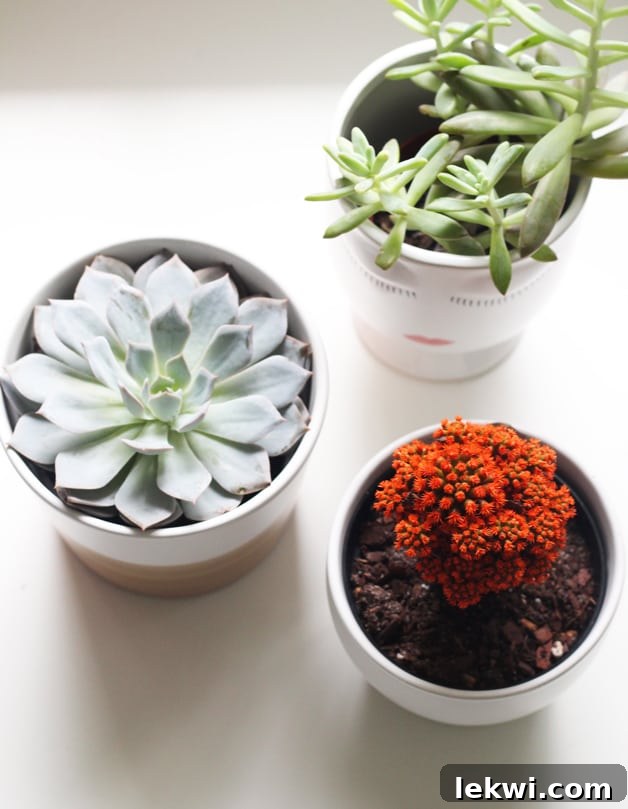
A powerful antidote is to deliberately seek out and wholeheartedly embrace hobbies and forms of entertainment that have absolutely no connection to health. Dive into something completely different! Perhaps it’s exploring art, mastering a musical instrument, joining a non-competitive sport, engaging in creative writing, or delving into a completely novel interest. For instance, I’ve recently found immense joy in collecting plants. Yes, plants! My husband shares this enthusiasm, and together, we’ve been gradually expanding our collection, envisioning a custom succulent wall and other green projects. These little living things require care and attention, but critically, they offer a mental escape entirely separate from health concerns, proving to be incredibly refreshing and grounding.
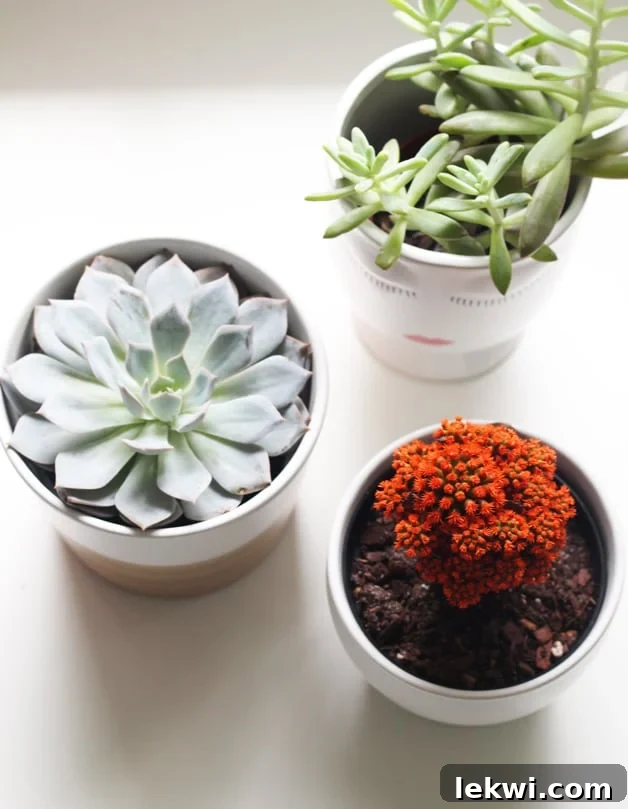
Indeed, these lovely plants have nothing to do with health, and that’s precisely why I cherish this pastime so much.
3. Embrace the Reality: Health Struggles Are an Inevitable Part of Life
Within certain segments of the health and healing community, there’s a pervasive, yet often unspoken, misconception: that if we just adhere strictly enough to a specific diet like Paleo, research exhaustively enough, consume sufficient quantities of superfoods, engage in enough intense exercise, or meditate with enough discipline, we can achieve a state of perpetual healing and immunity from all ailments. This ideal, while comforting, is fundamentally flawed and unrealistic.
The truth is, sometimes health challenges are simply beyond our direct control. We may encounter incredibly stressful life events that are unavoidable, or our bodies may undergo natural changes due to aging, shifts in our environment, or inherent physiological processes. Accepting this reality is not a surrender; it’s a vital step towards finding peace and preventing health from becoming an all-consuming battle.
Of course, a critical balance must be maintained here. If you find yourself genuinely unable to thrive, experiencing persistent symptoms that significantly impair your quality of life, then there is undoubtedly a real issue that warrants investigation and intervention. However, if we allow every minor sniffle, every slightly “off” day, or every natural yawn to trigger anxiety and dictate our entire existence, we are essentially denying the fundamental experience of being human. Humans are not designed for perpetual perfection; we are resilient, but also inherently vulnerable to life’s ebbs and flows. No amount of obsessive vigilance or rigorous adherence to protocols will alter this fundamental truth.
4. Establish a Consistent and Empowering Routine
Embarking on a new health journey, especially one involving chronic conditions, can initially feel overwhelming and lead to what might seem like obsession. The sheer volume of decisions, the myriad of differing opinions, and the constant influx of new information to learn can be daunting. It’s important to understand that this initial intensity is often a normal and even necessary phase as you work to establish new habits and integrate significant lifestyle changes. Forming profound new habits and creating an entirely new lifestyle takes considerable time and deliberate effort.
In my experience, establishing a consistent routine has consistently proven to be an invaluable tool. Even a relatively basic routine can create dedicated space for healthy habits each week without demanding constant, exhaustive mental energy. It allows these actions to become automatic rather than a subject of daily deliberation.
Consider my early days with AIP: I would obsess daily over every meal, spending my commute mentally inventorying my fridge and pantry, and often making impulsive, daily trips to the grocery store. This was not only obsessive but utterly exhausting.
Eventually, I reached my breaking point. I adopted a simple, yet profoundly effective routine: every Saturday, I would dedicate time to planning a rough outline of my meals for the upcoming week. Then, on Sunday, I would commit to prepping 75-80% of those planned meals. I have maintained this routine for years, and it has been revolutionary. It liberates me from the daily mental burden of deciding what to eat, transforming meal management from an obsession into a smooth, integrated part of my week.
I apply a similar strategy to my exercise. Previously, I would overschedule myself, leaving no dedicated time for workouts, which often led to guilt and inconsistency. Now, each week, I schedule my workouts in my phone as non-negotiable appointments with myself. This proactive scheduling ensures I allocate the necessary time and plan other activities around them. If I occasionally miss a workout, it’s not a catastrophic event; the routine simply helps me stay consistently active without having to obsess over whether I’ve moved “enough” that week.
5. Cultivate Diverse Friendships and Family Connections Beyond the “Health Sphere”
This particular piece of advice might seem to run counter to conventional self-help wisdom, which often suggests, “If you want to be successful, surround yourself with successful people.” While I don’t entirely dispute this principle, I believe that in the context of health, an exclusive circle of “health-focused” individuals can sometimes become counterproductive. Constantly being surrounded by people who adhere to very specific health lifestyles can inadvertently foster judgment towards those who don’t, or even create an echo chamber that limits your perspective and social experiences.
Let me be clear: having a strong support system of friends and family who understand and support your health journey is incredibly important. However, it’s equally vital not to dismiss or undervalue friendships simply because others aren’t as intensely focused on health. Embrace social relationships with individuals who possess a wide array of interests and enjoy a variety of activities that extend beyond solely health-related pursuits like yoga classes and green juice meetups. It can be incredibly refreshing and mentally freeing to simply gather with friends to watch a movie, play a board game, or explore an entirely new topic, without any underlying health agenda.
Cultivating diverse relationships doesn’t mean you have to abandon your healthy habits or adopt theirs. It simply means recognizing that human connections offer far more richness and value than merely reinforcing your existing interests or lifestyle choices. These broader connections contribute significantly to your overall well-being, providing different perspectives, emotional support, and opportunities for joy and relaxation that are disconnected from your health journey.
Living with chronic health challenges is undeniably complex and demanding. It requires consistent effort and significant energy to ensure continuous progress and maintain well-being. However, by consciously integrating these strategies into your life – prioritizing root cause resolution, engaging in non-health hobbies, accepting life’s inherent imperfections, establishing robust routines, and nurturing diverse relationships – you can transform your health journey. It moves from being an exhausting, controlling burden to an empowering, sustainable lifestyle that supports your entire being, allowing you to live a fuller, more balanced life.