This post contains affiliate links. Learn what that means here. I am not a doctor and this is not medical advice.
When embarking on a journey towards optimal long-term gut health, many individuals instinctively turn to dietary adjustments, bone broth, specific supplements like glutamine, and the elimination of gluten. While these are undoubtedly valuable steps that can significantly contribute to improved digestive wellness, they represent only one facet of a truly holistic approach. The intricate ecosystem of our gut is influenced by a myriad of factors extending far beyond what we consume. In fact, there are numerous powerful practices and time-tested home remedies that you can integrate into your daily routine starting today, all of which have profound impacts on your gut’s ability to heal and thrive, yet have absolutely nothing to do with food or dietary supplements.
Through personal experience and extensive research, it has become clear that some of these non-food-related practices have yielded equally dramatic improvements in gut health as traditional food and supplement interventions. The best part? Most of them are remarkably inexpensive, accessible, and straightforward to implement. As with any new health regimen, always remember to consult with your healthcare provider or doctor beforehand to ensure these remedies are suitable for your individual needs and current health status. However, they represent an excellent starting point for a conversation with your physician about enhancing your digestive well-being.
Holistic Gut Health: Empowering Practices Beyond Diet and Supplements
Discover Natural Remedies for Digestive Wellness
1. Castor Oil Packs for Digestive Support
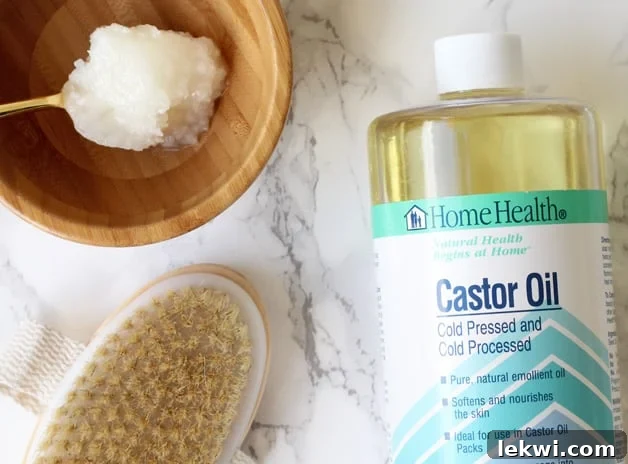
Among the various complementary therapies available, castor oil packs stand out as a highly effective practice for supporting digestive health and detoxification. While this method might initially seem to require a few specific tools, these items are generally inexpensive and readily available, making it an accessible option for many seeking natural gut support.
So, why is this an exceptional tool for gut healing? Our digestive system relies on the smooth flow of various bodily fluids, including bile and gastric juices, to efficiently break down food and absorb nutrients. When we experience impaired gallbladder function, stagnant bile flow, or generally compromised digestion, the entire process of gut healing can become sluggish. Castor oil, derived from the castor bean, has been revered for generations as a topical remedy known to enhance circulation and stimulate the flow of blood, bile, gastric juices, and other vital liquids within the body. Beyond digestive benefits, it has also historically been recognized for its potential therapeutic effects on conditions such as ovarian cysts.
Strategically applying a castor oil pack can offer targeted relief and support. If you frequently struggle with issues such as difficulty digesting fats, liver congestion, or gallbladder dysfunction, placing the pack over your right rib area can be remarkably beneficial. This placement helps to encourage the movement of stagnant bile, thereby aiding in fat digestion and supporting liver function. Have you ever experienced a wave of nausea or discomfort after consuming a particularly rich or greasy meal? This specific application of a castor oil pack can be an amazing natural remedy to alleviate such symptoms. Furthermore, applying a pack directly over your stomach area can be helpful for general stomach aches or discomfort, promoting the healthy flow of gastric juices and supporting overall digestive ease.
To maximize the benefits of this ancient remedy, understanding the proper application is key. Here’s what you’ll need and how to effectively prepare and apply a castor oil pack:
What you need:
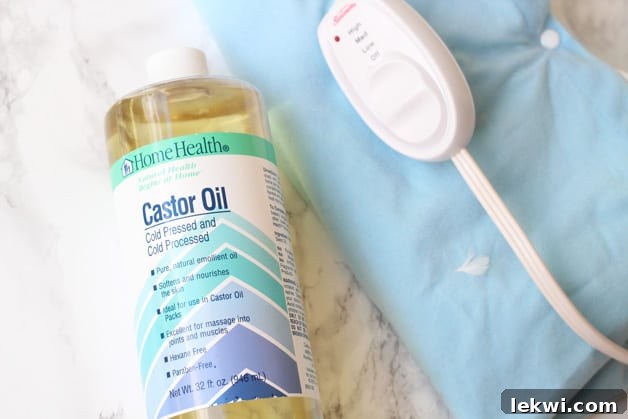
- High-quality, organic castor oil (hexane-free is often preferred)
- A piece of wool flannel or cotton fabric, ideally unbleached, large enough to cover the desired area
- A heating pad or hot water bottle
- A large glass container (like a mason jar or glass Tupperware) for storing the oil-soaked flannel
- At least 2-3 old towels or articles of clothing that you don’t mind getting stained, as castor oil can be quite messy
- Plastic wrap or an additional old towel (optional, to help hold the pack in place and prevent leakage)
How to do it:
- Begin by cutting your wool flannel or cotton fabric to a size that adequately covers the specific area of your body you intend to treat (e.g., your liver/gallbladder area or stomach).
- Place the cut flannel into your large glass container. Liberally saturate the fabric with castor oil, ensuring it is thoroughly soaked but not dripping excessively.
- Carefully apply the oil-soaked flannel directly onto your skin over the desired area. For optimal contact and to minimize mess, you can wrap the area with plastic wrap or secure it with an old towel.
- Position a heating pad or hot water bottle on top of the secured flannel pack. Wrap yourself warmly in another old towel or blanket. Lie down comfortably on a surface protected by an old towel (to catch any potential drips) and relax for 30-60 minutes while the heating pad gently warms the area. It’s not uncommon to hear or feel internal gurgling or the movement of fluids – this is often a sign that the pack is stimulating circulation and lymphatic flow!
- After your session, remove the pack. To clean your skin, you can use a bit of baking soda dissolved in water or a small amount of baby powder to absorb residual oil. Store the used flannel in its sealed glass container in the refrigerator; it can typically be reused several times before needing to be washed or replaced.
The frequency and duration of castor oil pack application can vary significantly based on your personal health goals and specific conditions. It is always best to discuss this one-on-one with a healthcare professional for personalized insight. However, a common starting point for general digestive support is 30 minutes, 1-2 times per week. Personally, I find it beneficial to use it over my liver/gallbladder area about once a month, given my historical tendencies towards issues in that region. My aim is to gradually incorporate it more regularly into my wellness routine to maintain optimal flow and function.
2. Oil Pulling: An Ancient Oral Detox Practice
This next practice is remarkably simple to adopt, requiring minimal effort and often utilizing items you already have at home. Oil pulling, at its core, involves swishing or “gargling” oil around in your mouth. While it may sound unusual, this ancient Ayurvedic technique holds significant implications for both oral and systemic health, directly influencing the balance of your gut microbiome.
Just as our gut harbors a complex and vital ecosystem of bacteria, our mouth also hosts its own unique flora. This oral microbiome is intimately connected to our overall health, with studies increasingly demonstrating its direct impact on gut health and beyond. Oil pulling works by “pulling” harmful bacteria, toxins, and debris from the mouth. As the oil is swished, it binds to these fat-soluble toxins, effectively removing them from your oral cavity before they can be absorbed into the bloodstream or swallowed, potentially disrupting your gut’s delicate balance.
Beyond its detoxifying properties, regular oil pulling can contribute to fresher breath, healthier gums, and even whiter teeth by reducing plaque buildup and combating bacterial overgrowth.
What you need:
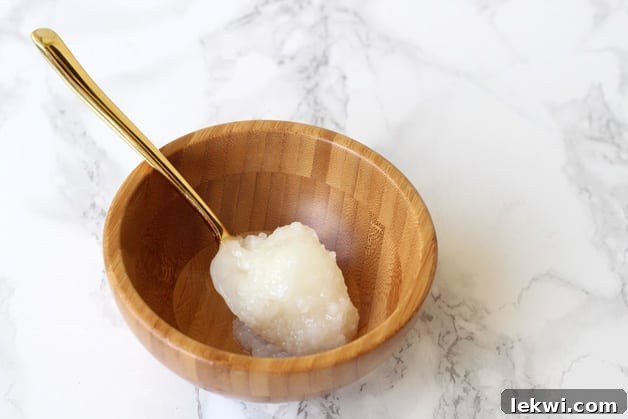
- A high-quality, organic oil such as virgin coconut oil or sesame oil (ensure you tolerate the oil well, especially if you have sensitivities). Coconut oil is often favored for its pleasant taste and antimicrobial properties.
How to do it:
- First thing in the morning, before eating or drinking anything (and ideally before brushing your teeth), place 1-2 tablespoons of your chosen oil into your mouth. If using coconut oil, it may be solid at room temperature; simply let it melt in your mouth.
- Gently swish the oil around your mouth, pushing and pulling it through your teeth for an extended period. Imagine you are rinsing your mouth vigorously, but without the aggressive force. Avoid gargling or swallowing the oil, as it contains the toxins you are trying to remove.
- Start slowly, aiming for 5-10 minutes in your initial sessions. Gradually work your way up to 15-20 minutes as you become more comfortable with the practice. The longer duration allows for more effective “pulling” of toxins.
- Once done, spit the oil into a trash can (not down the sink, as it can clog pipes, especially coconut oil). Rinse your mouth thoroughly with warm water, and then proceed with your regular oral hygiene routine, including brushing and flossing.
You can perform oil pulling daily for maximum benefit, or integrate it a few times a week into your routine. While making it a daily habit can be challenging for some, even intermittent practice can yield noticeable improvements in oral health and contribute positively to your overall well-being, including gut health.
3. Dry Brushing: Invigorating Lymphatic Flow and Detoxification
Dry brushing is another remarkably affordable and simple method that requires only one essential tool: a natural bristle brush. This ancient practice, known for its invigorating effects, plays a crucial role in enhancing lymphatic flow, supporting digestion, and boosting the body’s natural detoxification processes through the skin, our largest organ.
The lymphatic system, often referred to as the body’s “drainage system,” is vital for immune function and waste removal. Unlike the circulatory system, which has the heart to pump blood, the lymphatic system relies on bodily movement and external stimulation to circulate lymph fluid. Dry brushing provides this stimulation, gently encouraging lymph flow, which helps in the removal of metabolic waste, toxins, and pathogens from tissues. This improved detoxification burden can indirectly alleviate stress on the gut, as fewer toxins circulate throughout the system.
Furthermore, by stimulating nerve endings in the skin, dry brushing can have a positive ripple effect on the digestive system. Many report improved regularity and reduced bloating after incorporating this practice. Beyond internal benefits, dry brushing also exfoliates the skin, removing dead skin cells, promoting cell regeneration, and leaving your skin feeling smoother, softer, and more radiant.
What you need:
- A natural bristle dry brush with a long handle (for reaching all areas of your body). Choose one with firm but not overly harsh bristles.

How to do it:
- Perform dry brushing on dry skin, ideally before showering. Start at your feet and work your way up towards your heart. Use long, sweeping strokes, always brushing in the direction of your heart.
- For your limbs, brush upwards. On your stomach and joints (knees, elbows), use gentle circular motions before continuing with upward strokes. Pay particular attention to areas where lymph nodes are concentrated, such as the armpits and groin.
- Apply firm but gentle pressure – the goal is to stimulate, not irritate, your skin. The skin might appear slightly pink afterwards, which indicates increased circulation, but it should not be red or scratched.
- After brushing your entire body, hop into the shower to wash away the exfoliated dead skin cells and any toxins brought to the surface. Follow with a nourishing moisturizer to hydrate your skin.
Dry brushing can easily be incorporated into your daily routine, taking only 5-10 minutes. While consistency is key to reaping its full benefits, even a few times a week can make a noticeable difference in lymphatic function, skin health, and overall detoxification, thereby indirectly supporting your gut.
4. Infrared Sauna Therapy: Deep Cellular Detoxification
Infrared sauna therapy utilizes infrared light to heat the body directly, rather than heating the air around you, as conventional saunas do. This unique mechanism allows for a deeper penetration of heat into the body’s tissues, claiming to be significantly more effective than traditional saunas for cellular detoxification. From what I’ve extensively researched and learned from my own medical professionals, infrared saunas facilitate detox at a profound cellular level, moving beyond simply sweating out excess water. This deep cellular action is incredibly beneficial for eliminating stubborn toxins, including heavy metals, which are often implicated as root causes for numerous chronic gut issues and systemic inflammation.
My personal journey with infrared sauna therapy had a somewhat challenging beginning. I initially incorporated it as a critical component of my mercury detox protocol, which I started in the oppressive heat of a Texas summer. The combination of a 140°F sauna session followed by stepping into a 102°F car proved to be too much; I found myself constantly heat-exhausted and unable to maintain the rigorous schedule. However, I remain convinced of its benefits and plan to resume my sessions regularly once the cooler autumn weather arrives, ensuring my body can better handle the heat load.
Where can you do it? The accessibility of infrared sauna therapy has expanded considerably. Many individuals choose to invest in a personal infrared sauna for their home, which offers unparalleled convenience and long-term cost-effectiveness if used frequently. Alternatively, you can typically find infrared saunas at various wellness centers, yoga studios, gyms, or spas. The choice between a home unit and commercial access often depends on your usage frequency and budget, weighing the upfront cost of a home unit against per-session fees.
How much you do it will largely depend on your individual health goals, tolerance, and whether you are following a specific detoxification protocol. For general wellness, it’s generally not recommended to use an infrared sauna daily, as it can lead to excessive fluid and electrolyte loss. A good starting point for most people is 15-30 minutes, 2-3 times per week. Always listen to your body, stay well-hydrated before and after sessions, and consult with your doctor, especially if you have underlying health conditions or are on medication. The gentle, penetrating heat helps to mobilize toxins from fat cells and connective tissues, facilitating their elimination through sweat, thereby lightening the load on your liver and kidneys and profoundly supporting gut health.
5. Colonics or Enemas: Advanced Intestinal Cleansing
It is imperative to preface this section by stating that this is likely the most controversial practice on this list. The safety, appropriateness, and efficacy of colonics and enemas can vary dramatically from person to person. Consequently, it is absolutely essential to consult with a qualified healthcare professional before considering either of these therapies to ensure they align with your current health status and treatment plan.
Despite the controversy, both colonics and enemas are designed with the primary objective of cleansing the colon and assisting the body in expelling accumulated toxins. This targeted detoxification can play a significant role in supporting and accelerating the gut healing process. While these practices are generally considered more “advanced level” with a higher barrier to entry compared to simpler remedies, enemas are sometimes integrated into specific cancer treatment protocols, and colonics are frequently utilized by those seeking to aid in the removal of parasites, candida overgrowth, and other unwelcome inhabitants from the intestinal tract.
So, what’s the fundamental difference between an enema and a colonic?
From a personal perspective, while I understand their potential benefits, enemas are not my preferred method. However, they are certainly worth discussing due to the frequent questions surrounding them. Enemas can be safely performed at home using a readily available enema kit. These involve introducing a solution, typically purified water or specially prepared coffee (not just your standard daily brew—a specific blend such as this type of coffee designed for enemas) into the rectum. The purpose is to stimulate the colon to release waste and provide a localized cleansing effect. Coffee enemas, in particular, are lauded by some for their ability to stimulate the liver’s production of glutathione, a powerful antioxidant crucial for detoxification. You can learn more about how to safely perform a coffee enema here.
A colonic, on the other hand, is a much deeper and more comprehensive cleansing procedure that must be performed by a certified colon hydrotherapist in a clinical setting. Unlike an enema, which is a single-fill process, a colonic involves the continuous, gentle flow of filtered water into the colon. This constant inflow and outflow allow for a more thorough cleansing of the entire large intestine, often reaching areas that an enema might not. The controlled environment and expertise of a specialist ensure the procedure is conducted safely and effectively, targeting deeper accumulations of waste and toxins.
Regardless of which therapy you might consider, I cannot stress enough the importance of discussing both enemas and colonics with your doctor or a trusted holistic healthcare practitioner before trying them. This ensures they are a safe and appropriate adjunct to your current health strategy and takes into account any existing medical conditions or sensitivities.
6. Gentle Exercise: Movement for Digestive Harmony
The human body is intrinsically designed for movement, a concept often overlooked in our increasingly sedentary lifestyles. Regular physical activity, even in its gentlest forms, plays a critical and multifaceted role in maintaining overall health, and especially in fostering optimal gut health. Exercise acts as a powerful catalyst, stimulating the lymphatic system to circulate fluids and clear waste, significantly reducing stress, effectively mitigating systemic inflammation, and enhancing the body’s natural capacity to detoxify from environmental and metabolic toxins. All of these physiological benefits are indispensable components of a successful healing journey, particularly for the gut.
It’s important to recognize that the type and intensity of exercise suitable for each individual will always vary, particularly if you are navigating a healing process from chronic illness or fatigue. The key is to find movement that feels supportive and restorative, rather than depleting. Even a modest commitment of 15-30 minutes a day can yield profound benefits.
Here are just a few gentle exercises that I highly recommend to help kickstart your journey towards improved gut health:
- Daily Walks: Simple yet profoundly effective, walking aids peristalsis (the muscular contractions that move food through the digestive tract), reduces stress, and boosts circulation. Even a brisk 15-minute walk can make a difference.
- Yin Yoga: This slow-paced, meditative form of yoga involves holding poses for longer durations (3-5 minutes or more), targeting the deep connective tissues. It can gently stimulate internal organs, release tension, and calm the nervous system, which directly impacts gut motility and stress-related digestive issues.
- Light Yoga or Stretching: Gentle yoga flows or simple stretching routines can improve flexibility, reduce abdominal tension, and stimulate blood flow to digestive organs. Poses that involve gentle twists or compression can be particularly beneficial for gut massage.
- Slower Weight Lifting (with light weights): Focusing on proper form with lighter weights can build strength without putting excessive stress on the body. Strength training can improve metabolism, reduce insulin resistance (a factor in gut dysbiosis), and enhance overall body composition, all of which indirectly support digestive wellness.
- Rebounding (mini-trampoline jumping): This low-impact exercise is exceptional for stimulating lymphatic flow, gently massaging internal organs, and promoting detoxification. The rhythmic bouncing encourages cellular cleansing and can be surprisingly effective for improving gut motility and regularity.
The consistent integration of gentle movement into your daily life is a powerful, non-invasive way to support your gut, alleviate stress, and enhance your body’s innate healing capabilities. Find what resonates with you, and commit to moving your body with intention and kindness.
7. Prayer and/or Meditation: Cultivating Inner Calm for Gut Healing
When grappling with the complexities of chronic illness, especially those affecting the gut, our minds can often race at an overwhelming pace. We find ourselves constantly scrutinizing food choices, fixating on how we feel, pondering endless “shoulds,” and questioning every aspect of our health journey. This relentless mental chatter is, unfortunately, a perfect recipe for chronic stress – a state that profoundly hinders our body’s capacity to heal.
It is an undeniable physiological truth: Our body simply cannot heal effectively when it is trapped in a perpetual state of stress.
A stressed, burnt-out brain is precisely the opposite of what we need when our primary goal is to create an environment conducive to bodily restoration. This is where the ancient practices of prayer and meditation become invaluable tools. Both offer profound pathways to ease stress dramatically, allowing the nervous system to shift from a “fight or flight” (sympathetic) response to a “rest and digest” (parasympathetic) state, which is essential for proper gut function and healing. As someone who instinctively turns to prayer and seeks divine guidance when overwhelmed by stress, I can personally attest to its immediate calming effect and its power to bring profound peace of mind.
These practices provide a much-needed mental respite, helping to quiet the overactive mind, cultivate emotional resilience, and foster a deeper connection to inner peace. By regularly engaging in prayer or meditation, you actively reduce cortisol levels, lower inflammation, and create the optimal physiological conditions for your body, including your gut, to repair and rejuvenate.
Here are some of my favorite accessible ways to get started and integrate these powerful stress-reducing practices into your daily life:
- Morning Devotionals: Dedicate a few minutes each morning to spiritual reading, reflection, and prayer. Apps like the Bible App offer a wealth of devotional plans, scripture, and guided prayers that can set a peaceful and centered tone for your day.
- Meditation Apps: For those new to meditation or seeking structured guidance, apps such as Headspace and Calm are exceptional resources. They offer a vast library of guided meditations, mindfulness exercises, and sleep stories tailored to various needs, helping you cultivate focus and reduce anxiety.
- Yoga Nidra (Yogic Sleep): This powerful form of guided meditation leads you into a state of deep relaxation, often referred to as “yogic sleep,” while remaining fully conscious. It’s incredibly restorative for both mind and body and can significantly reduce stress and improve sleep quality. I particularly love incorporating this before bed, and this specific video is one of my go-to resources for a deeply relaxing session.
Embracing prayer and/or meditation is not just about mental well-being; it’s a fundamental step towards creating the internal environment necessary for holistic gut healing and sustained health.
8. Gratitude Journaling: Shifting Perspective for Well-being
One of the most effective and accessible strategies to halt stress in its tracks and cultivate a more positive physiological state is the consistent practice of gratitude. Regardless of how challenging or bleak circumstances may appear in life, there is always, without exception, something to be genuinely grateful for. The sooner and more consciously we choose to focus our attention on these positive aspects, the more swiftly and completely negative thoughts and feelings tend to dissipate, melting away to reveal a brighter perspective.
Gratitude journaling is not merely a feel-good exercise; it has been scientifically shown to impact brain chemistry, reduce stress hormones, improve sleep quality, and even strengthen the immune system – all factors that indirectly but powerfully support gut health. By regularly shifting your focus towards appreciation, you train your brain to recognize and amplify positive experiences, thereby reducing the chronic stress response that can wreak havoc on your digestive system.
Starting a gratitude journaling practice is incredibly simple and requires only a few minutes each day. The core idea is to intentionally sit down and reflect on things you appreciate. You can approach this practice in a completely unguided manner, simply writing freely about whatever comes to mind that day. It could be five small, seemingly insignificant things, or one profoundly impactful event. The key is consistency and sincerity in acknowledging the good.
Alternatively, if you prefer a more structured approach, a guided journal can provide prompts and templates to help you get started. A popular and effective example is The Five Minute Journal, which offers a simple, daily framework for reflecting on gratitude, intentions, and positive affirmations. The structure often includes prompts such as “I am grateful for…”, “What would make today great?”, and “Amazing things that happened today…”, guiding you through a quick yet powerful exercise in positive reflection.
Integrating gratitude journaling into your daily routine is a gentle yet potent way to foster resilience, reduce stress, and create an internal environment that supports not only mental and emotional well-being but also the profound healing of your gut.
I sincerely hope this comprehensive exploration of gut health practices extending beyond diet and supplements proves to be helpful and insightful for your wellness journey. Please feel free to share which of these remedies you decide to try, or which ones have already become cherished favorites in your personal health regimen. Your experiences can inspire others on their path to holistic well-being.