Navigating Healing Diets Without the Stress: Finding Balance and Well-being
Embarking on a healing journey often illuminates the profound connection between food and our overall well-being. We are constantly reminded of the power of nutrition: “Food can heal,” “Food can make your illness better, or make it worse,” “Food can make all the difference,” “It all starts with your diet.” These affirmations, while true to an extent, can sometimes culminate in an overwhelming pressure, epitomized by the daunting thought: “You will never heal if you don’t eat perfectly.”
But what if the relentless pursuit of dietary perfection inadvertently undermines the very healing we seek? My belief is that true healing blossoms from a place of self-love and a life rich in balance and fulfillment. It’s about thriving, not stressing. While diet undoubtedly plays a monumental role, allowing it to morph into an obsession can become incredibly detrimental. Any form of obsession, especially concerning food, inflicts undue stress upon both mind and body – a truth that stands undeniable.
Let’s pause and consider this dichotomy. Adhering to a healthy, nourishing diet is undeniably essential for recovery and sustained health. Yet, what transpires when the endeavor to eat “perfectly” becomes so stressful and obsessive that it transforms into another mechanism for self-harm? Ironically, the path of healthy eating and healing diets can, for many, walk hand-in-hand with considerable stress.
The Paradox of Perfection: When Healing Diets Become Stressful
It’s important to clarify that this perspective doesn’t universally apply to everyone on a healing or healthy diet. Many individuals navigate their nutritional choices with grace, experiencing mental and physical well-being without succumbing to stress. If this resonates with you, that’s truly commendable! In fact, I often find myself a little envious, as there are days my diet can be a significant source of stress for me. I know I’m not alone in this sentiment. My intention is not to suggest that healing diets inherently generate stress for everyone; we are all unique. However, there’s a substantial community of people, myself included, who yearn to break free from the ceaseless worrying and overthinking about every single morsel they consume (or consciously choose not to).
Specialized healing protocols like the Autoimmune Protocol (AIP), Paleo diet, Low FODMAP, or GAPS are far from simple. While they offer immense therapeutic potential, they are often demanding, requiring significant mental and physical energy. This complexity can easily become a wellspring of added stress for many. Questions constantly arise: “How will I navigate this restaurant menu or social gathering?” “How can I prepare meals for my family while adhering to my specific diet?” “How can I possibly afford all these specialized ingredients?” These are valid concerns that highlight the practical challenges of such restrictive regimens.
I can unequivocally say, I’ve been there. And frankly, I still find myself in those moments of overwhelm quite often. The journey towards healing is deeply personal and often fraught with unexpected emotional hurdles.
Recognizing “Perfect Healing Diet Burnout”: Are You Experiencing It?
The pursuit of an “ideal” healing diet can sometimes lead to a state of exhaustion, a phenomenon I call “perfect healing diet burnout.” It’s a subtle but pervasive form of fatigue that extends beyond physical tiredness, deeply impacting mental and emotional reserves. You might be suffering from this if you observe any of the following patterns:
- Constant Preoccupation with Food: You find yourself constantly strategizing your next meal, dedicating an inordinate amount of mental energy to what you will eat, when you will eat it, and how it aligns with your diet. This obsessive thinking can overshadow other aspects of your life, making it difficult to fully engage in work, hobbies, or social interactions.
- Seeking External Validation: There’s a persistent urge to seek approval or confirmation from others regarding your food choices. This might manifest as endlessly scrolling through social media for “perfect” diet examples or feeling anxious about others’ opinions on your plate, indicating a deeper struggle with self-trust and confidence in your own journey.
- Rigid Measurement and Tracking: You begin weighing and measuring everything you consume, turning meals into a science experiment rather than an act of nourishment. Similarly, meticulously recording everything you eat, down to the last bite, can strip the joy from eating and foster a transactional relationship with food.
- Pervasive Feelings of Burnout and Disconnect: Beyond the specifics, there’s a general sense of being worn out, overwhelmed, and disconnected from your authentic self. You just feel “off,” knowing deep down that while your intentions are good, the current approach is not serving your holistic well-being. You know your habits and your internal state better than anyone else.
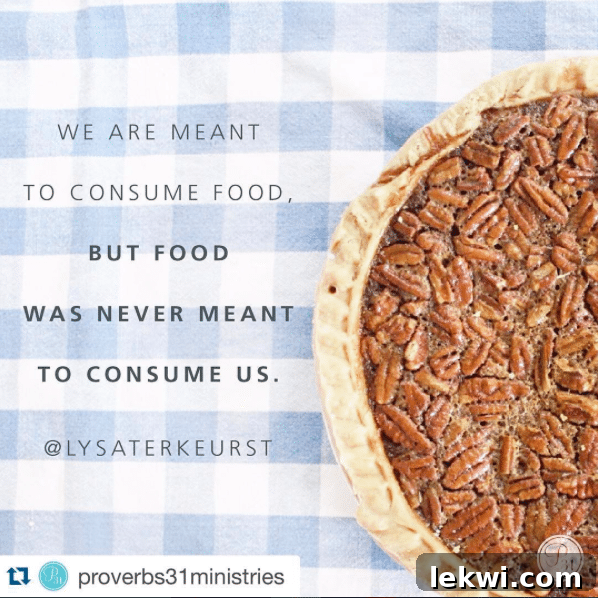
If any of these resonate with your experience, please, do not succumb to guilt! These complex healing diets are indeed mentally demanding. Healing itself is a profound undertaking that requires immense effort and dedication. However, when the kitchen becomes a place of stress rather than creativity, and meal preparation consumes an overwhelming portion of your time and mental space, it’s a clear signal to re-evaluate. I believe a profound quote from Proverbs 31 Ministries beautifully encapsulates this sentiment:
This raises a crucial question: How can we strike a harmonious balance? How do we embrace the benefits of amazing, healing foods without allowing the process to become a source of debilitating stress or a negative force that dictates our entire lives?
Cultivating Serenity: 5 Strategies for a Stress-Free Healing Journey
Finding peace around food while on a healing diet is not only possible but essential for true well-being. Here are five practical tips to guide you:
1. Shift Your Focus: Life Beyond the Plate
Food, undeniably, can be a source of immense pleasure and creativity. I personally love to cook. However, when my thoughts ceaselessly revolve around my next meal, monopolizing every waking hour, it’s a clear indicator that my focus needs redirection. The world offers an abundance of engaging distractions and enriching activities. I find solace in listening to intellectually stimulating podcasts, delving into fashion blogs for creative inspiration, or engaging in physical activities like yoga or a gym workout. These activities serve as powerful reminders: there is so much more to life, to healing, and to thriving than the singular pursuit of consuming nutrient-dense foods. We often get entirely engrossed in our personal lives, problems, and daily frustrations. Yet, beyond our dinner plates and meticulous meal preps, lies a vast, diverse world waiting to be explored. It might not always feel that way, but it’s a profound truth. Always anchor yourself to the understanding that your life, in its entirety, is infinitely bigger than just your diet.
2. Embrace Your Unique Path: The Peril of Comparison
Seeking inspiration from others can be immensely beneficial, offering new ideas and perspectives. However, it’s crucial to remember that your healing journey is uniquely yours. Your preferences, your body’s specific needs, and the choices you make regarding what to consume are deeply personal. Perhaps you tolerate chocolate perfectly well, while cauliflower, a seemingly “healthy” food, consistently leaves you feeling unwell. It’s vital to internalize that a food celebrated as universally “healing” doesn’t automatically confer healing benefits upon your individual body. This journey demands self-awareness and an unwavering commitment to what genuinely serves you. Conforming to rigid dietary dogmas purely for the sake of adherence, when it doesn’t align with your body’s therapeutic needs, will ultimately prove counterproductive to your healing.
3. Reframe Restrictions: Choice Over Deprivation
The language we use about food profoundly shapes our relationship with it. Instead of categorizing foods as “off-limits” or “forbidden,” adopt a mindset of conscious choice. For instance, bell peppers consistently cause me discomfort. In the past, I might have said, “I can’t eat peppers.” However, a powerful shift in thinking has transformed this into: “It’s not that I can’t have peppers; I absolutely could pick one up and eat it if I truly wanted to. But right now, I am making the healthier choice for my body by opting not to.” This simple rephrasing moves from a feeling of deprivation to one of empowerment and agency. It acknowledges your freedom while consciously prioritizing your well-being. Perhaps one day my body will tolerate peppers again, but for now, it’s a mindful choice, not a punishment.
4. Simplify Your Plate: Efficiency for Well-being
Investing an excessive amount of mental energy into devising elaborate, perfectly compliant meals can quickly become overwhelming. If I spend hours conceptualizing nightshade-free, gluten-free, dairy-free enchiladas, my eating habits are consuming far too much of my precious mental bandwidth. The key is to keep things simple and straightforward. Embrace the beauty of uncomplicated, nourishing meals. My go-to often involves vibrant leafy greens, a can of wild-caught fish, a healthy fat source, and perhaps a side of starch or another vegetable if my body craves extra carbohydrates. Simple doesn’t mean boring or less nutritious; it means sustainable. For practical examples, consider my Easy AIP Salad or Easy Butternut Squash Soup recipes – they’re designed for efficiency without compromising taste or health benefits.
Furthermore, leverage modern kitchen tools to your advantage. Appliances like a slow cooker or an Instant Pot can be absolute game-changers, drastically simplifying meal preparation. Spending countless hours chopping, stirring, and watching food on the stovetop is draining and often unnecessary. Strive to keep your meal prep as simple as possible at least 90% of the time, reserving a mere 10% for more intricate, fun culinary experiments or special treats. This strategy frees up valuable time and mental space for other fulfilling aspects of life.
5. Embrace Imperfection: The Power of Self-Compassion
The relentless pursuit of perfection is, by its very definition, a significant source of stress. This can be an incredibly difficult truth to accept, especially for those of us who inherently strive to “do it all.” I, for one, often fall into the trap of believing I can juggle a full-time job, consulting work, maintaining a blog, pursuing education, and prepping perfectly healthy meals every single week. The reality, however, is that I cannot. Sometimes I fall short, and these perceived failures only amplify stress, creating a vicious, self-defeating cycle.
The profound realization I’ve had to embrace is that I am not perfect. And neither are you, nor anyone else. We will inevitably encounter moments where we deviate from our dietary plans, just as we face challenges and setbacks in life. Being kind and compassionate to yourself in these moments is arguably one of the most powerful healing actions you can take – potentially even more therapeutic than the most nutrient-dense superfood. It builds resilience and fosters a sustainable approach to your well-being journey.
This principle often connects deeply with my spiritual beliefs. One of my favorite verses serves as a beautiful reminder regarding my own limitations and the broader context of perfection:
“It is God who arms me with strength and makes my way perfect” (Psalm 18:32).
It underscores that while our human efforts are imperfect, there is a larger, guiding perfection that provides strength and direction.
Your Journey to Balance: Taking the First Steps
Ultimately, the journey to a balanced relationship with food and a stress-free healing diet is a process of small, consistent steps, taken day by day. Even these five strategies might feel overwhelming to implement all at once. Grant yourself the grace to take it slowly, explore what resonates most with you, and never hesitate to ask for support when needed. Prioritize what feels right for you and your unique path to healing.
Resources and Reflection for a Healthier Mindset
If any of these insights have resonated with your personal experience, I highly recommend exploring the work of Maddy Moon. She is an exceptional resource, dedicated to fostering a healthy, balanced relationship with food and body image. Maddy offers an incredible devotional program specifically designed for individuals struggling with disordered eating patterns. Her work is truly transformative, providing invaluable tools and perspectives. Even if you don’t grapple with a full-fledged eating disorder, you will undoubtedly discover profound tips and strategies for managing the stress and obsession frequently associated with striving for healthy eating.
How do you manage stress around food in your own life? What strategies have you found most effective on your healing journey? Share your insights and experiences below.