This post contains affiliate links. Learn what that means, here.
Discover the Power of Plantains: Your Ultimate Guide to a Versatile, Healthy Carb
In the realm of whole foods, plantains often spark curiosity. Are they just oversized bananas? How exactly do you prepare them? And why are so many health-conscious individuals, especially those following specific dietary paths like Paleo or the Autoimmune Protocol (AIP), singing their praises? If you’ve ever found yourself asking these questions, you’re in the right place. Plantains have become a cornerstone in my kitchen – a delicious, satisfying, and incredibly versatile starch that I simply can’t get enough of. It’s high time to unveil all the “deets” on why these tropical treasures are more than just a passing food trend, and to share my absolute favorite, foolproof recipe for incorporating them into your daily meals.
Often mistaken for their sweeter, softer cousin, the banana, plantains are a distinct fruit (yes, botanically a fruit!) that are typically cooked before eating. Their unique texture and flavor profile shift dramatically with ripeness, offering a spectrum of culinary possibilities from savory to subtly sweet. From supporting hormone health to providing a gut-friendly dose of resistant starch, the benefits of plantains extend far beyond their delicious taste. Let’s delve into why these humble starchy carbs deserve a prime spot on your plate.
Why Plantains Deserve a Spot in Your Healthy Kitchen
1. A Nutrient-Dense Starchy Carb Essential for Optimal Health
Carbohydrates have unfairly earned a mixed reputation in the wellness world, especially within communities focused on ancestral or low-carb eating. However, it’s crucial to remember that not all carbs are created equal, and healthy, starchy carbohydrates play a vital role in our overall well-being. Plantains are a fantastic example of a wholesome starchy carb, providing sustained energy without the blood sugar spikes associated with refined grains.
For women, in particular, maintaining hormonal balance and supporting thyroid function often hinges on adequate glucose intake. Our bodies literally require glucose to facilitate the crucial conversion of inactive thyroid hormone (T4) into its active form (T3), a process paramount for metabolism, energy, and myriad bodily functions. Depriving your body of healthy carbohydrates can inadvertently stress the adrenal glands and disrupt this delicate hormonal ecosystem. Plantains offer a balanced and nourishing source of glucose, helping to fuel your body and support intricate biological processes, all while keeping you satiated and energized. They demonstrate that starchy carbs, when chosen wisely, are indispensable in a truly healing and balanced diet.
2. The Superior Grain-Free Alternative for Real Food Diets
For many embarking on a real food, Paleo, or Autoimmune Protocol (AIP) journey, the initial transition often involves removing grains, especially gluten. My own experience saw me replace gluten-containing bread with its gluten-free counterpart, a seemingly logical step at the time. Yet, I quickly learned a valuable lesson: “gluten-free” does not automatically equate to “healthy.” Many processed gluten-free products are laden with refined starches, sugars, and artificial additives, offering little in the way of nutrient density and often leading to similar blood sugar rollercoasters and inflammatory responses as their glutenous predecessors.
This is where plantains truly shine as a game-changer. They provide a nutrient-rich, naturally gluten-free and grain-free alternative to traditional starches like potatoes or even sweet potatoes, offering a refreshing variety for those adhering to strict elimination diets or simply seeking whole, unprocessed carbohydrate sources. Unlike highly processed substitutes, plantains are a whole, natural food that supports gut health, provides essential vitamins and minerals, and helps you feel truly nourished, without compromising your dietary goals.
3. Budget-Friendly and Effortlessly Prepared
Eating healthily doesn’t have to break the bank, and plantains are a prime example of an affordable superfood. Priced often as low as $.99 per pound, they offer exceptional value compared to the often-exorbitant cost of specialty gluten-free breads or other processed alternatives. This affordability makes them an accessible staple for families and individuals committed to a real food lifestyle.
Beyond their cost-effectiveness, plantains are also incredibly simple to prepare. With minimal effort, you can transform them into a delicious and satisfying component of any meal. Whether baked, fried, or mashed, their versatility in the kitchen makes healthy eating both practical and enjoyable, fitting seamlessly into even the busiest schedules.
4. A Traditional, Wholesome Food with Deep Cultural Roots
In a world increasingly dominated by ultra-processed, “man-made” foods, plantains stand out as a genuine, traditional food source with a rich history. They hold a deeply ingrained and prominent place in Latin American, Caribbean, and African cuisines, where they have been cherished and consumed for centuries. Embracing plantains means tapping into ancestral wisdom and connecting with culinary traditions that prioritize whole, unadulterated ingredients.
By choosing plantains, you’re not just selecting a healthy carb; you’re opting for a food that has nourished generations, free from the industrial processing and artificial ingredients that define so much of the modern food supply. This commitment to real, traditional foods is a cornerstone of sustainable health and well-being.
The Nutritional Powerhouse: What Do Plantains Offer?
Beyond their role as a delicious carbohydrate, plantains boast an impressive nutritional profile that contributes significantly to overall health. They are packed with essential vitamins, minerals, and dietary fiber, making them a truly beneficial addition to any diet:
- High in Potassium: Plantains are an excellent source of potassium, a crucial electrolyte vital for maintaining healthy blood pressure, nerve function, and muscle contractions. A single plantain can provide a substantial portion of your daily potassium needs.
- Rich in Vitamin C: This powerful antioxidant is essential for immune system support, collagen production (for healthy skin and joints), and protecting cells from oxidative damage.
- Good Source of Vitamin A: Especially in their riper, more yellow state, plantains contain Vitamin A in the form of beta-carotene, important for vision, immune function, and skin health.
- Vitamin B6: Plantains provide Vitamin B6, which plays a key role in numerous metabolic processes, including protein metabolism, red blood cell formation, and neurotransmitter synthesis, contributing to brain health and mood regulation.
- Magnesium: Another vital mineral found in plantains, magnesium is involved in over 300 biochemical reactions in the body, supporting muscle and nerve function, blood glucose control, and energy production.
- Dietary Fiber and Resistant Starch: Particularly in green plantains, a significant amount of resistant starch is present. This type of starch acts as a prebiotic, feeding beneficial gut bacteria and promoting a healthy microbiome. As plantains ripen, some of this resistant starch converts to sugar, but they still retain a good fiber content, aiding digestion, promoting satiety, and helping to regulate blood sugar levels.
Incorporating plantains into your diet is a simple yet effective way to boost your intake of these vital nutrients, supporting everything from your immune system to your digestive health.
Where to Find and How to Choose the Best Plantains
While plantains are a tropical fruit, their growing popularity means they are increasingly accessible in grocery stores across various regions. You might be surprised to find them closer than you think:
- Local Farmers Markets: If you live in a region with a suitable climate for plantain cultivation, check your local farmers markets for fresh, locally grown options. This is often the most sustainable choice.
- Major Grocery Chains: Stores like Whole Foods, Sprouts, Kroger, and Fiesta (and many others) often carry plantains in their produce section. Look for them near the bananas or other tropical fruits.
- Specialty Ethnic Markets: Latin American, Caribbean, or African markets are excellent places to find plantains, often with a wider variety of ripeness levels and at competitive prices.
While I generally advocate for prioritizing locally grown produce for reasons of sustainability, ethical responsibility, and often lower cost, I happily make an exception for plantains. The variety they bring to my diet is invaluable, and in today’s globalized market, enjoying ingredients from different cultures is a delightful aspect of modern culinary exploration.
Decoding Plantain Ripeness: Green, Yellow, and Black
The key to successful plantain cooking lies in understanding their ripeness, as this dramatically impacts their flavor, texture, and culinary applications. Plantains transition through three main stages:
- Green Plantains: The Savory Starch Star. These are firm to the touch, with a green peel that is often difficult to remove. Green plantains are very starchy, much like a potato, and have a neutral, earthy flavor rather than sweetness. They are high in resistant starch, making them excellent for blood sugar management and gut health. Green plantains hold their shape well when cooked and are ideal for savory dishes. Think plantain chips, ‘tostones’ (fried and flattened), or as a hearty side dish to replace grains or potatoes in a meal. These are my top choice when I’m looking for a solid, satisfying starchy component for dinner.
- Yellow Plantains: The Sweet Spot. As plantains ripen, their skin turns yellow and may start to develop black spots, becoming easier to peel. At this stage, some of the starch has converted into natural sugars, giving them a subtly sweet flavor and a softer texture. Yellow plantains are versatile; they can still be used in savory dishes where a hint of sweetness is welcome, or they can transition into slightly sweeter preparations. They become tender and delicious when baked, pan-fried, or even grilled, offering a delightful balance between starchiness and sweetness.
- Black Plantains: The Dessert Delight. When plantains are fully ripe, their skin will be almost entirely black, soft, and very easy to peel. At this stage, nearly all the starch has converted to sugar, resulting in a very sweet, almost caramel-like flavor and a soft, yielding texture. Black plantains are perfect for desserts, sweet side dishes, or anytime you want a naturally sweet treat. They are commonly used to make ‘maduros’ (sweet fried plantains), or incorporated into baked goods and puddings. While I don’t use them as often for main meals, their delicious sweetness is undeniable for a wholesome dessert.
For the oven-baked recipe I’m about to share, I typically opt for green or slightly greenish-yellow plantains to ensure a good balance of starch and minimal sweetness, making them an ideal accompaniment to savory meals.
Mastering Plantain Preparation: Peeling Tips and Tricks
Preparing plantains can seem daunting at first, especially when dealing with firm, green ones. Unlike bananas, plantain peels are much thicker and adhere more tightly to the flesh, requiring a slightly different approach. Here’s a step-by-step guide to peeling them with ease:
- For Green Plantains:
- Step 1: Trim the Ends. Using a sharp knife, carefully slice off both ends of the plantain.
- Step 2: Score the Skin. Make several shallow, lengthwise cuts along the ridges of the plantain peel, from one trimmed end to the other. Do not cut too deep, just enough to break through the skin.
- Step 3: Pry and Peel. Using your thumb or the tip of your knife, gently pry up a section of the peel from one of the scored lines. Once you get an edge, you can often use your fingers or the knife to work it off, sliding the knife under the peel if needed. For very stubborn peels, you might find it easier to make a few more cross-wise scores. Sometimes a quick dip in hot water for a minute or two can also help loosen the peel of a very green plantain.
- Step 4: Remove Any Stringy Bits. After the main peel is off, there might be some fibrous, stringy bits still attached to the plantain flesh. Simply pull or scrape these off with your knife.
- For Yellow/Black Plantains: These are much easier to peel. You can often just break the stem end and peel them like a banana, or use the scoring method described above for green plantains if needed. Their skin will be much more pliable.
Once peeled, your plantain is ready for slicing and cooking! Remember that plantains, especially ripe ones, will oxidize and turn brown quickly once peeled, so it’s best to cook them immediately or place them in a bowl of water with a squeeze of lemon juice if you need to delay cooking.
Choosing Your Cooking Fat: Ghee vs. Coconut Oil
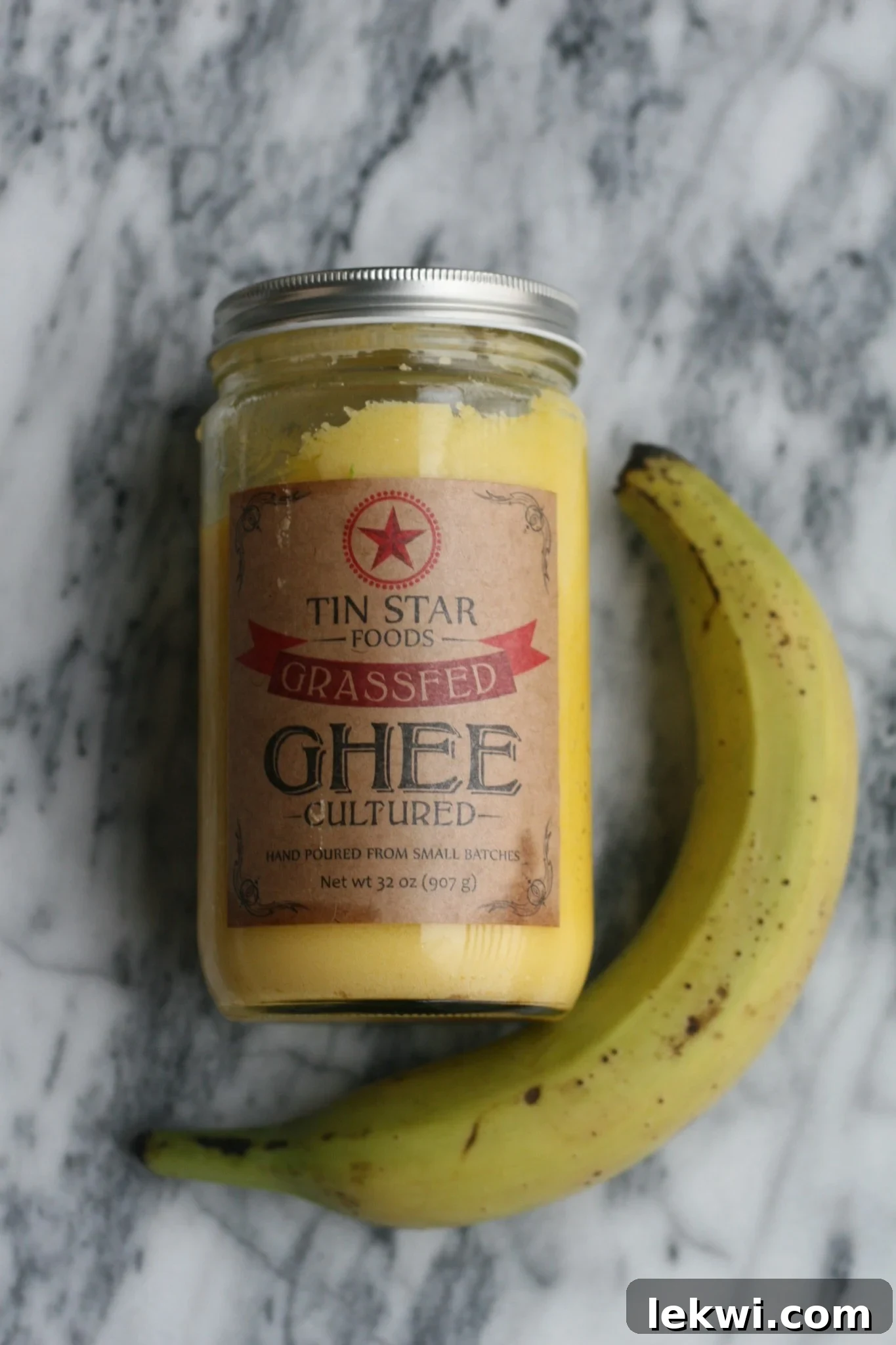
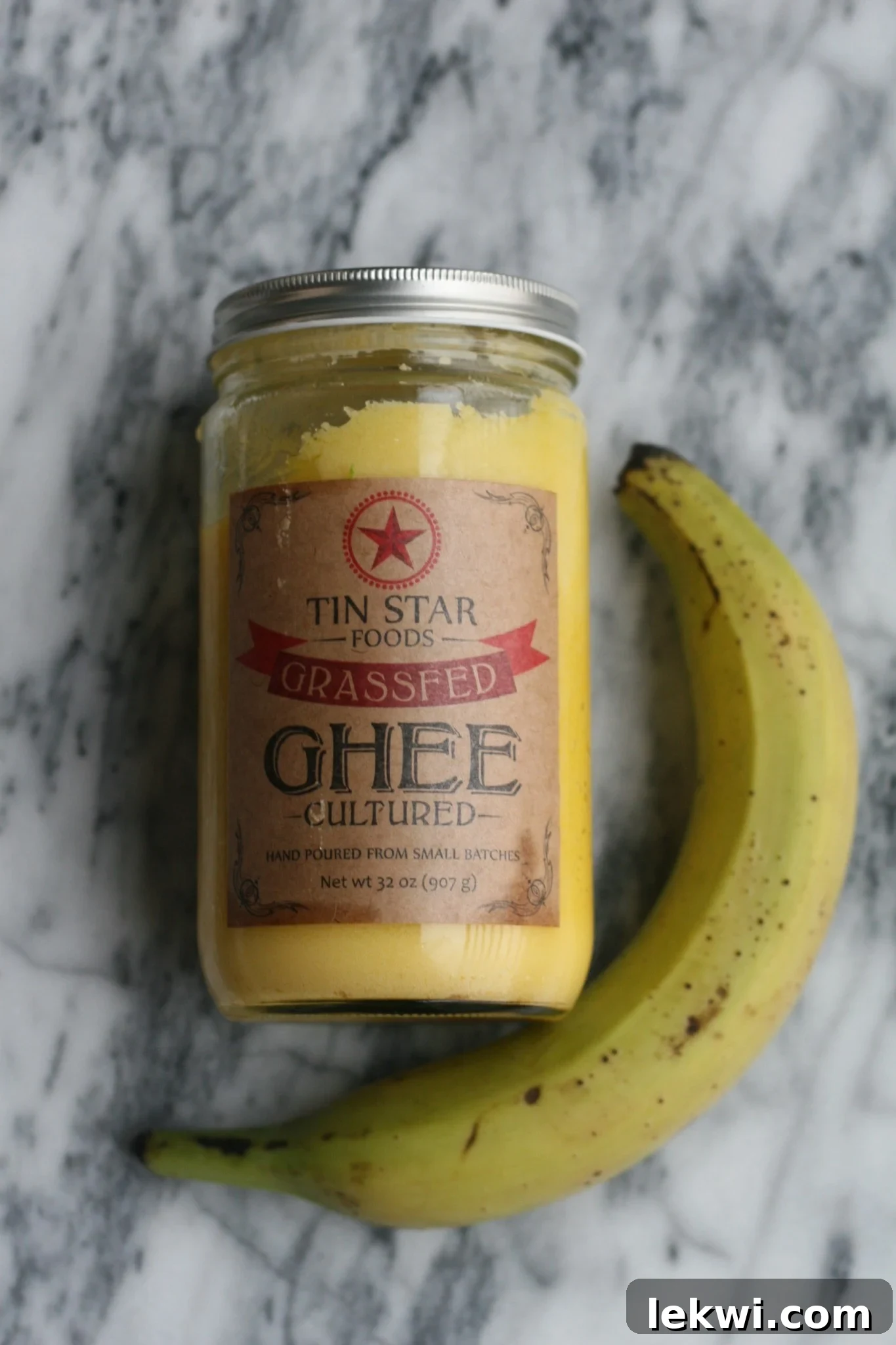
The fat you choose to cook your plantains in can significantly influence the flavor and nutritional profile of your dish. My go-to fat for this recipe, and many others, is high-quality ghee, specifically Tin Star Foods Ghee. While some individuals following the initial stages of the Autoimmune Protocol (AIP) may still be avoiding ghee, I strongly encourage giving this brand a try if you’re looking to reintroduce healthy fats.
Tin Star Foods Ghee is rigorously lab-tested to be casein and lactose-free, making it a suitable option for many who are sensitive to dairy but can tolerate clarified butter. I’ve consistently found that I feel great when incorporating it into my diet, benefiting from its rich, buttery flavor and heat stability. Ghee is also a good source of fat-soluble vitamins and beneficial fatty acids, contributing to overall health.
However, if you are in the strict elimination phase of AIP or have a known sensitivity to even trace amounts of dairy proteins, coconut oil is an excellent and equally delicious alternative. Its subtle tropical flavor complements plantains beautifully, and it offers similar benefits in terms of heat stability and healthy fat content. Whichever fat you choose, the resulting baked plantains will be incredibly satisfying.
Effortless & Delicious: Oven Baked Plantains Recipe
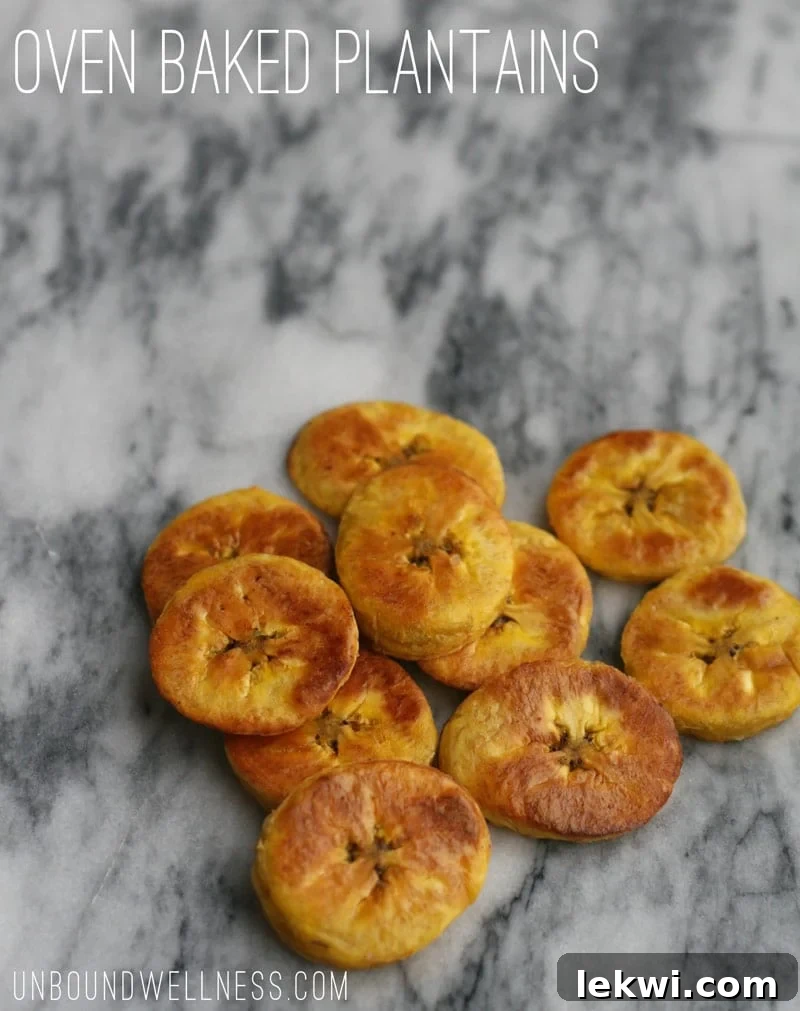
This simple recipe is my go-to for preparing plantains perfectly every time. It’s incredibly versatile and pairs wonderfully with nearly any meal.
Ingredients:
- 2 large green (or slightly green/yellow) plantains
- 1 tablespoon Tin Star Foods Ghee (OR coconut oil for strict AIP)
- 1 teaspoon pink salt (or to taste)
Instructions:
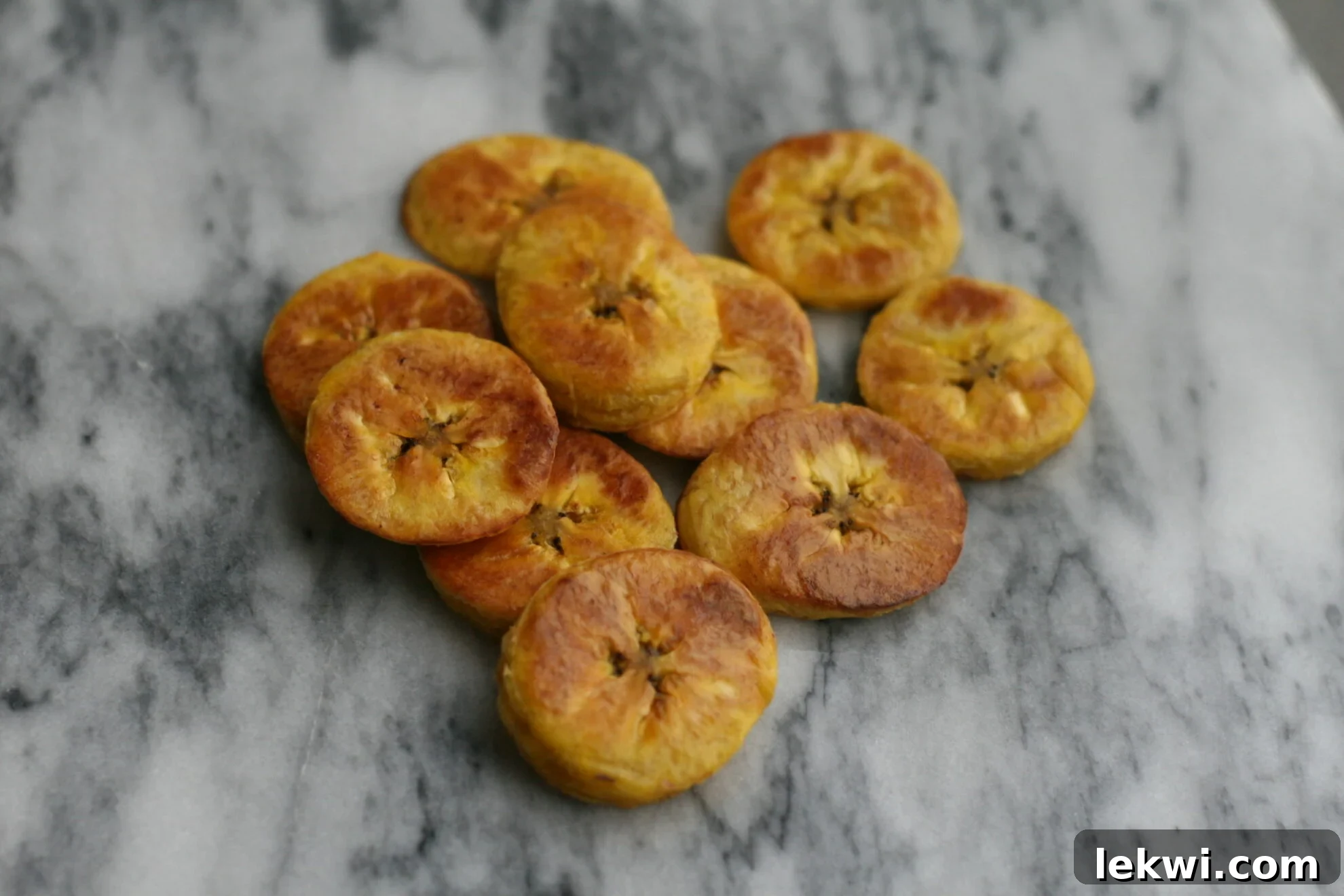
- Preheat Oven: Begin by preheating your oven to a consistent 400°F (200°C). This ensures even baking and a beautiful golden-brown finish.
- Prepare Plantains: Carefully peel your plantains using the method described earlier. Once peeled, slice them into uniform rounds, approximately 0.25 inches (about 0.6 cm) thick. Aim for consistent thickness to ensure they all cook at the same rate. Thicker slices will be softer and more substantial, while thinner slices will crisp up more like chips.
- Season and Coat: Place the sliced plantains onto a large baking sheet. For best results and easy cleanup, I recommend lining your baking sheet with parchment paper. Drizzle the melted ghee or coconut oil evenly over the plantains, then sprinkle generously with pink salt. Use your hands to toss the plantains gently, ensuring each slice is coated with the fat and seasoning.
- Arrange and Bake: Arrange the coated plantain slices in a single layer on the baking sheet, making sure they don’t overlap. This allows for optimal air circulation and even browning. Place the baking sheet in the preheated oven and bake for 25 minutes.
- Flip and Continue Baking: Halfway through the baking time, at about the 12-13 minute mark, carefully flip each plantain slice. This promotes even cooking and browning on both sides. Continue baking for the remaining time.
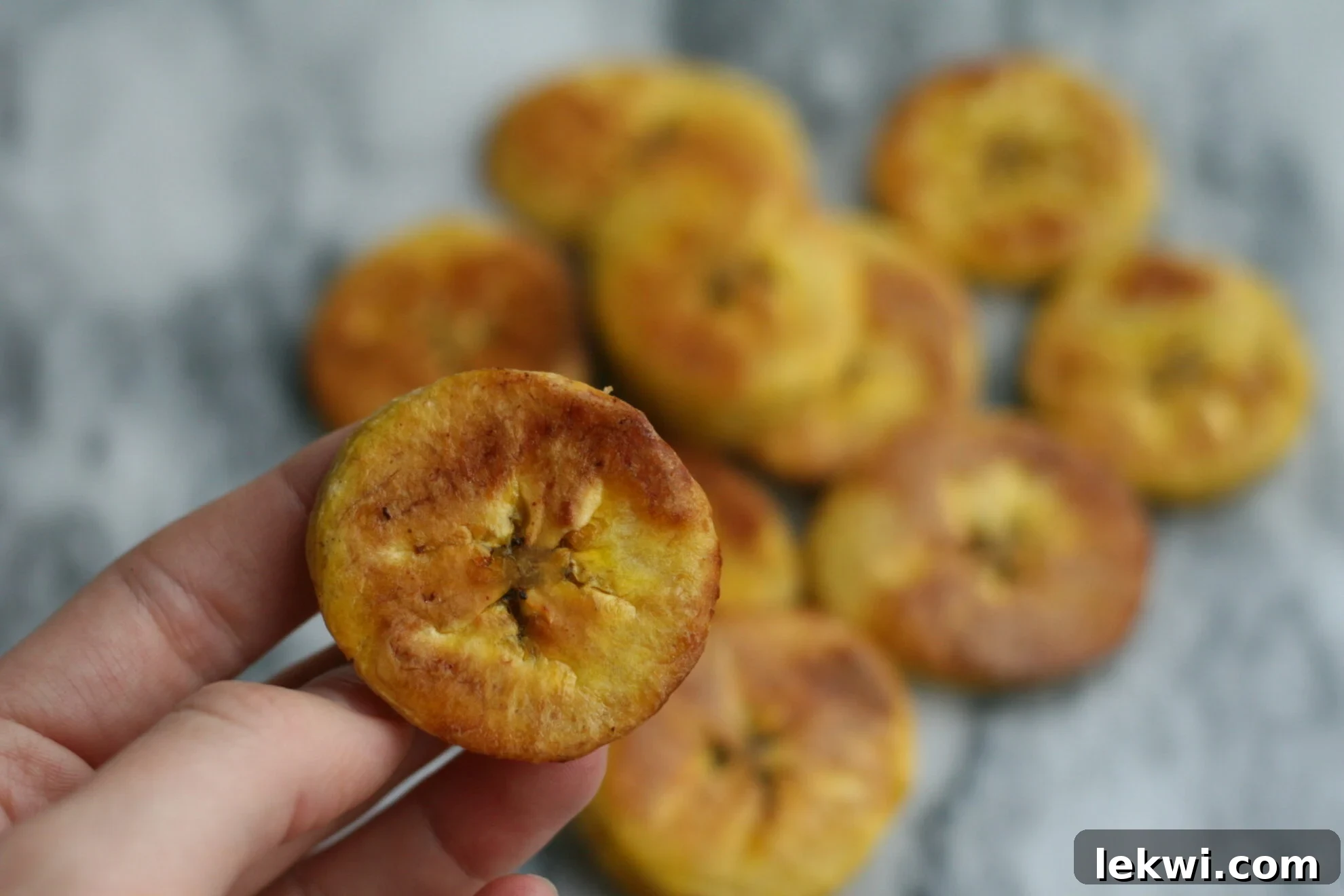
- Check for Doneness: The plantains should be beautifully golden brown and tender when pierced with a fork. If they aren’t quite golden or as tender as you’d like after 25 minutes, feel free to bake them for an additional 5-10 minutes, checking frequently to prevent burning. Oven temperatures can vary, so trust your judgment!
- Serve and Savor: Remove from the oven and serve immediately. These oven-baked plantains are truly versatile and incredibly delicious.
Pro Tips & Variations:
- Spice It Up: For a savory twist, consider adding a pinch of garlic powder, onion powder, or a dash of your favorite herb blend (like oregano or cumin) along with the salt.
- Sweet Treat Option: If using yellow or black plantains for a sweeter side, a sprinkle of cinnamon or a tiny dash of maple syrup (if tolerated) can elevate their natural sweetness.
- Crispier Plantains: For extra crispy edges, ensure your slices are on the thinner side and bake them a bit longer, perhaps at 425°F (220°C) for a shorter duration, keeping a close eye on them.
Beyond the Recipe: Incorporating Plantains into Every Meal
The beauty of these oven-baked plantains lies in their incredible adaptability. They seamlessly integrate into almost any meal, acting as a satisfying and nutrient-rich replacement for traditional starches. Here are just a few ideas to inspire you:
- Breakfast Power-Up: Pair them with scrambled eggs and avocado for a hearty, grain-free start to your day. You can even mash them into a savory “hash” with some cooked bacon or sausage.
- Lunchbox Staple: Pack them alongside a fresh tuna and avocado salad, or with leftover grilled chicken and a vibrant green salad for a balanced and energizing midday meal.
- Dinner Delights: These plantains are the perfect accompaniment to virtually any protein. Serve them alongside grass-fed beef or lamb with roasted vegetables, with baked salmon and asparagus, or as a side to a flavorful stew or curry. They absorb flavors beautifully, making them an excellent complement to rich sauces and spices.
- Healthy Snacking: Enjoy them on their own as a fulfilling snack, or dip them in a homemade guacamole or a creamy, AIP-friendly dip.
Experiment with different spices and pairings to discover your favorite combinations. Once you start incorporating plantains into your diet, you’ll quickly realize how indispensable they become for adding both flavor and substance to your healthy eating routine.
Embrace the Plantain Revolution!
From their vital role in supporting hormone and thyroid health to their status as a superior grain-free alternative, plantains are far more than just a tropical curiosity. They are a true superfood – affordable, easy to prepare, and incredibly versatile, bringing both nourishment and culinary excitement to your table. Embracing these traditional, real food staples is a simple yet profound step towards a more wholesome and vibrant lifestyle.
I hope this comprehensive guide has demystified plantains and inspired you to give them a try. They’ve certainly become an invaluable part of my healing journey and daily meals. What about you? Have you ever had plantains before? Or perhaps you’re a seasoned plantain enthusiast with a favorite recipe to share? I’d love to hear your experiences and tips in the comments below!
This post was shared and featured on the Phoenix Helix AIP Recipe Roundtable.