For too long, breakfast has been confined to a narrow set of conventional choices: eggs, milk, cereal, oatmeal, or a quick coffee. When I tell people I often skip these traditional staples, the most frequent question I encounter is, “What do you eat for breakfast then?” This question resonates deeply with me, as it was one I frequently asked myself just a few years ago. I remember a time when oatmeal and egg whites were my go-to, practically a cornerstone of my daily routine, and cereal served as a convenient meal replacement. Society has subtly, yet effectively, conditioned us to believe there’s an ‘acceptable’ breakfast canon, largely centered around grains and eggs. But here’s the liberating truth: that belief is fundamentally flawed.
While the allure of traditional breakfast foods offers comfort and familiarity, it’s far from a necessity. The truth is, breakfast can, and should, be anything that adequately nourishes your body and sets a positive tone for the day ahead. Rather than merely a morning ritual, breakfast should be a strategically planned, balanced and nutrient-dense meal. Think about it: starting your day with grain-heavy options, often paired with fat-free milk and a jolt of caffeine, can lead to rapid blood sugar spikes. This rollercoaster of energy can leave you feeling sluggish, irritable, and craving more unhealthy foods later on. A truly balanced breakfast, however, provides sustained energy, mental clarity, and supports overall well-being.
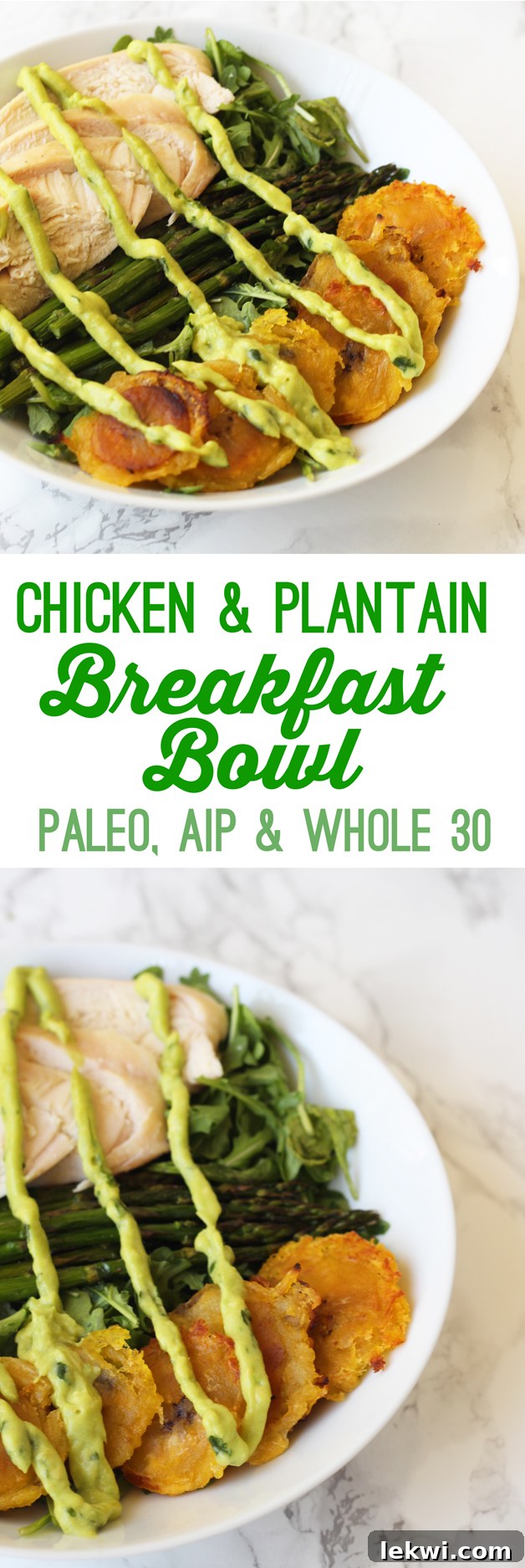
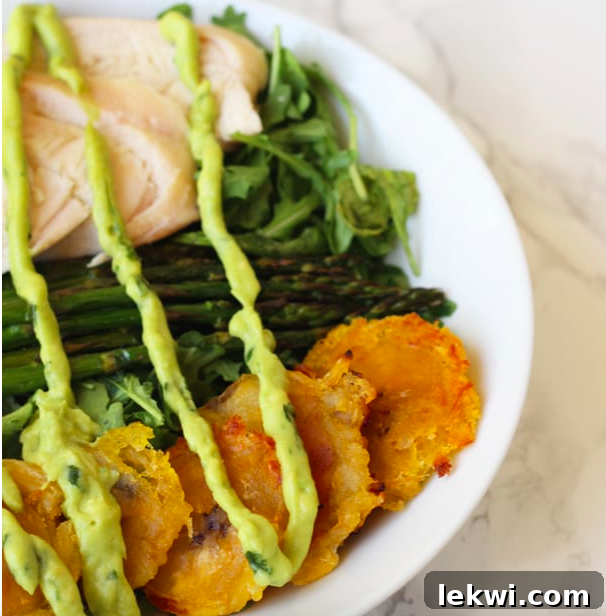
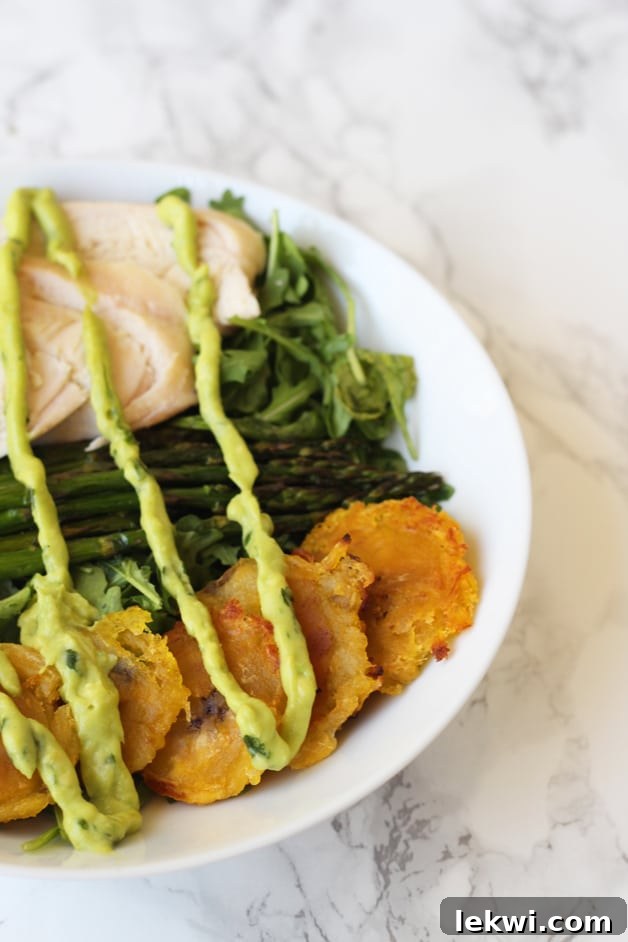
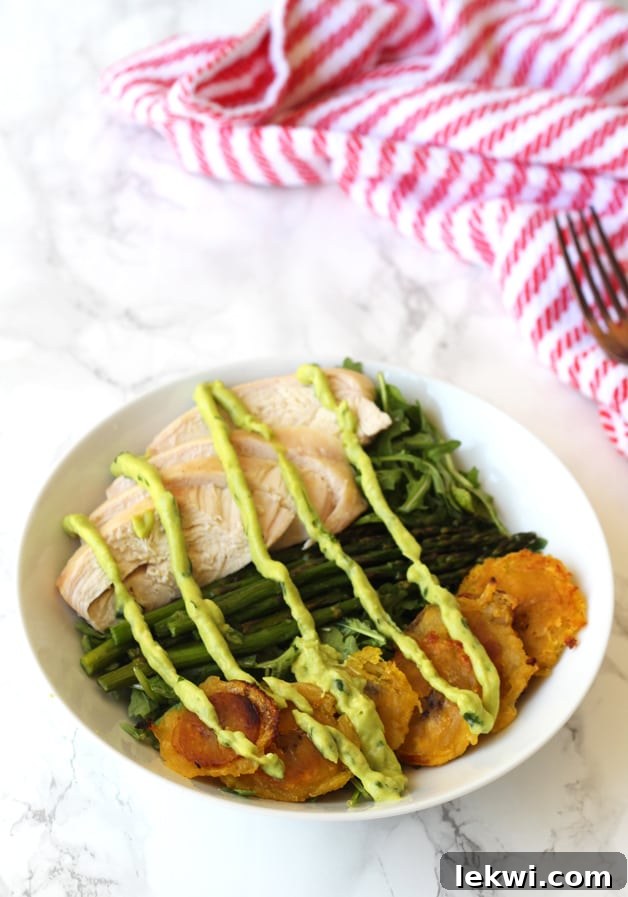
That’s precisely why I’m excited to share a simple, wholesome, and perfectly balanced breakfast bowl recipe today. This particular dish adheres to Paleo, AIP (Autoimmune Protocol), and Whole30 guidelines, making it an excellent choice for a wide range of dietary needs. It features tender chicken, fresh asparagus, vibrant greens, sweet plantains, and is generously drizzled with a creamy avocado sauce. And on a personal note, with my birthday happening this week, I’m enjoying this as my special “birthday breakfast bowl.” It’s a delightful and nourishing way to celebrate!
Crafting the Perfect Grain-Free, Egg-Free, AIP Breakfast: Key Principles
Creating a breakfast that aligns with a grain-free, egg-free, or AIP approach requires a thoughtful combination of ingredients. While individual needs and preferences can certainly vary—some days you might prefer a lighter meal, others a more substantial one, depending on your activity level and current health goals—there are fundamental principles that guide the creation of a truly nourishing morning meal. These guidelines ensure you’re getting a broad spectrum of nutrients to kickstart your day effectively.
The Pillars of a Wholesome Breakfast:
1. High-Quality Protein for Sustained Energy
Starting your day with a substantial source of healthy protein is absolutely paramount. Protein is not merely about building muscle; it plays a critical role in satiety, helping you feel fuller for longer and reducing the likelihood of mid-morning cravings. It also supports stable blood sugar levels, preventing the energy crashes often associated with carb-heavy breakfasts. Furthermore, protein provides the amino acids necessary for hormone production, enzymatic reactions, and overall cellular repair, making it a cornerstone for a vibrant metabolism. Good protein sources contribute to mental clarity and focus, preparing your mind for the day’s demands. While chicken is featured in this recipe, other excellent options include pasture-raised turkey, grass-fed beef, wild-caught fish like salmon, or even compliant protein powders if you prefer a smoothie-style breakfast. Aim for a serving that feels satisfying and energizing, typically around 20-30 grams.
2. Abundant Green and Non-Starchy Vegetables
Incorporating green and non-starchy vegetables into your breakfast is non-negotiable for optimal health. These nutritional powerhouses are brimming with essential vitamins, minerals, antioxidants, and dietary fiber, all vital for a healthy digestive system, immune function, and overall vitality. Beginning your day with a significant portion of vegetables ensures you’re front-loading your nutrient intake, setting a strong foundation for balanced eating throughout the day. This could mean a generous handful of leafy greens like kale, spinach, arugula, or romaine lettuce. Alternatively, consider adding other non-starchy options such as asparagus (as in our featured bowl), broccoli, cauliflower, Brussels sprouts, bell peppers, or zucchini. The key is to make vegetables the bulk of your plate, providing volume, color, and a concentrated dose of health-promoting compounds without excess calories.
3. Thoughtful Inclusion of Starchy Vegetables or Fruit
The role of starchy vegetables or a moderate amount of fruit at breakfast can vary depending on individual health goals, especially if you’re managing gut issues or blood sugar regulation. However, for most people, a strategic inclusion of healthy complex carbohydrates can significantly boost energy levels and provide sustained fuel. These types of carbs offer fiber, vitamins, and minerals, and when paired with protein and healthy fats, they contribute to a more gradual release of glucose into the bloodstream. In this specific breakfast bowl, nutrient-rich plantains are our chosen starch, offering a naturally sweet and satisfying component. Other fantastic starchy vegetable choices include sweet potatoes, butternut squash, carrots, parsnips, or beets. If incorporating fruit, consider options like berries (rich in antioxidants), green apples, or bananas, always mindful of portion sizes to maintain blood sugar balance. This component helps to “bulk up” the meal, making it more substantial and satisfying.
4. Essential Healthy Fats for Brain and Satiety
Healthy fats are an indispensable part of every meal, and breakfast is no exception. Far from being detrimental, healthy fats are crucial for brain health, supporting cognitive function, memory, and mood. They also play a vital role in hormone production and the absorption of fat-soluble vitamins (A, D, E, K). Most importantly, healthy fats significantly enhance satiety, keeping you full and content long after your meal, thus preventing unnecessary snacking. Plus, let’s be honest, they make everything taste incredible! I advocate for including a source of healthy fat in every meal to balance blood sugar and prolong fullness. In our featured bowl, the rich and creamy avocado sauce delivers this essential element. Other excellent sources include extra virgin olive oil, avocado oil, coconut oil, ghee or grass-fed butter (if tolerated), and for those who can include them, nuts and seeds or coconut products like coconut yogurt or butter.
Simplify Your Mornings: Serving & Storing This Breakfast Bowl
I completely understand that preparing a made-from-scratch, sit-down breakfast isn’t always a reality for everyone. Many of us are juggling early client meetings, commuting to work, or diving deep into tasks before the sun fully rises. This is precisely where the magic of meal prepping and strategic freezing comes into play, transforming this delicious breakfast bowl into a convenient, grab-and-go option.
Implementing a simple meal prep strategy for this bowl means you can enjoy a nourishing, balanced breakfast even on your busiest mornings without sacrificing health or flavor. It’s all about doing a little bit of work upfront to save significant time and stress later in the week. The beauty of this approach lies in preparing the core cooked components in advance, allowing you to quickly assemble a fresh and satisfying meal when you need it most.
Here’s how to efficiently assemble, store, and enjoy this wholesome bowl:
To maximize convenience and ensure you always have a healthy option readily available, prepare and freeze the following cooked components:
- Cooked Chicken: Once cooked and cooled, portion your chicken into individual servings.
- Cooked Plantains: After frying or baking, allow the plantains to cool completely before portioning.
- Cooked Asparagus: Cooked asparagus holds up well in the freezer. Let it cool before packaging.
Carefully place these components into freezer-safe containers or bags. Label them with the date for easy tracking. Properly stored, these ingredients can last for several weeks, providing a fantastic foundation for multiple breakfasts.
When you’re ready to enjoy your breakfast bowl, simply take out a portion of the frozen cooked ingredients and defrost them in the refrigerator overnight. This gentle thawing process ensures they maintain their texture and flavor. The next morning, simply heat your defrosted chicken, plantains, and asparagus in a pan, microwave, or oven until warmed through. Then, serve them with these fresh, vibrant additions:
- Fresh Arugula: Arugula adds a peppery kick and a wealth of nutrients. Add it fresh just before serving for optimal texture and flavor.
- Avocado Sauce (or Fresh Avocado): The creamy avocado sauce is best made fresh or can be prepared a day or two in advance and stored in an airtight container in the fridge. Alternatively, a few slices of fresh avocado work beautifully.
This method ensures that you don’t have to compromise on taste or nutrition, even when time is tight. While fresh is always wonderful, having the option to quickly assemble a defrosted base with fresh toppings is a game-changer for maintaining a consistent, nourishing breakfast routine. It’s a smart way to ensure you’re starting each day with a truly balanced meal, fueling your body and mind for whatever lies ahead.

Chicken, Asparagus & Plantain Breakfast Balance Bowl (AIP, Paleo, Whole 30)
Michelle
Leave a Review
Pin Recipe
Ingredients
- 1 pastured chicken breast, or thigh
- 1 medium green plantain, sliced
- 1 bunch of asparagus
- 2 cups fresh arugula
- 3-4 tbsp coconut oil or avocado oil
- 1-2 tsp salt
- 2 serving avocado cilantro lime sauce
Instructions
- Preheat your oven to 375 F (190°C).
- Add the chicken breast to a sheet of parchment paper with 1 tbsp of coconut oil and a pinch of salt.
- Bake in the oven for 30-35 minutes, or until the internal temperature reaches 165 F (74°C) and the chicken is cooked through.
- While the chicken is cooking, add the asparagus to another baking sheet lined with parchment paper, seasoned with salt and 1 tbsp coconut oil.
- Cook the asparagus for 20-25 minutes, or until it becomes tender-crisp and lightly browned.
- During the last 10 minutes of the chicken and asparagus cooking time, heat a pan with 2-3 tbsp coconut oil or avocado oil over medium heat. Add the green plantain slices.
- Cook the plantain slices until they soften and begin to brown on both sides, about 3-4 minutes per side.
- Remove the plantains from the pan and, using the bottom of a glass cup or a meat tenderizer, gently smash them down to flatten them.
- Return the smashed plantains to the pan (adding more oil if needed) and finish crisping them for another 2-3 minutes per side until golden and slightly crunchy.
- Once all components are cooked and ready, arrange the chicken, asparagus, and plantains over a bed of fresh arugula.
- Generously top your breakfast bowl with the avocado cilantro lime sauce.
- Serve immediately for the best experience, or follow the freezing instructions provided above for future quick meals.
Tag @unboundwellness on Instagram and hashtag #unboundwellness!
I genuinely hope you find as much joy and nourishment in this breakfast bowl as I do! It truly is the perfect treat, whether it’s your birthday or just another day you choose to start with intentional, balanced eating. Embrace the flexibility of breakfast and discover how truly delicious and satisfying a departure from the conventional can be. Enjoy!