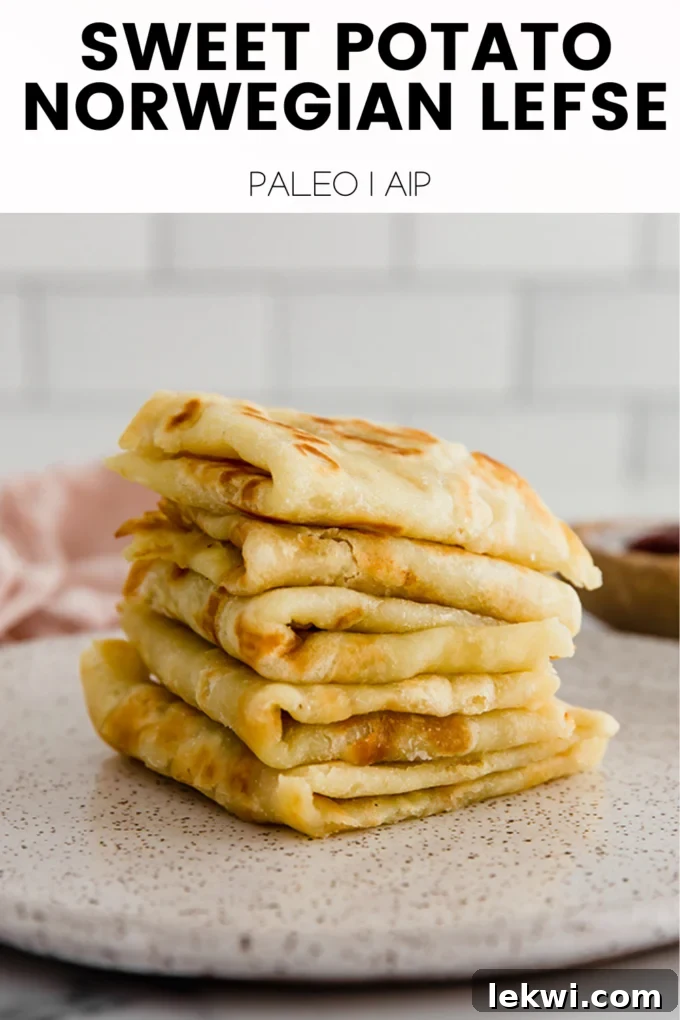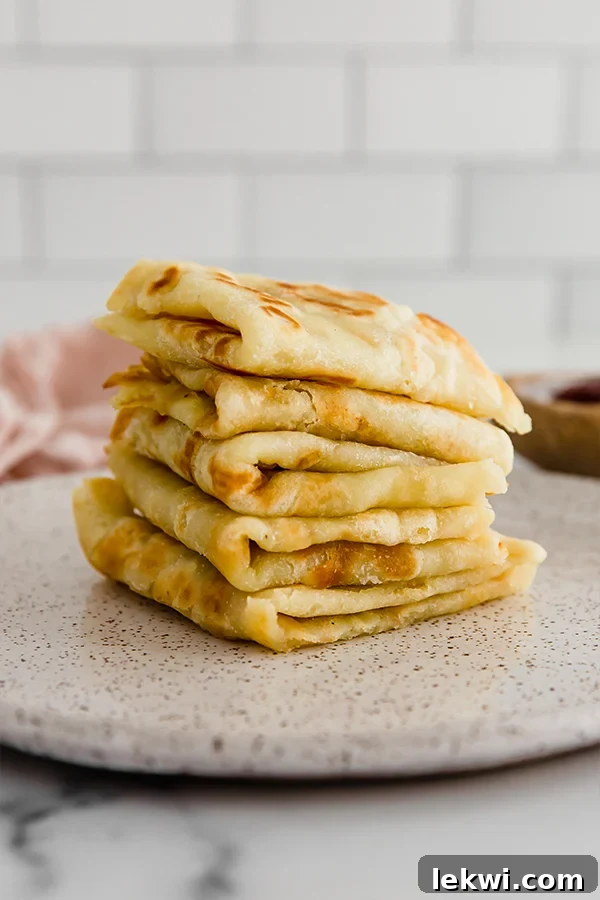
Sweet Potato Norwegian Lefse: A Grain-Free & Dairy-Free Delight (Paleo & AIP Friendly)
This remarkable Norwegian Lefse recipe reimagines a beloved classic, crafting it with the natural sweetness of sweet potato. More than just a delicious treat, this version is entirely grain-free and dairy-free, making it a perfect choice for those following Paleo and AIP (Autoimmune Protocol) dietary guidelines. You no longer have to miss out on cherished traditional flavors due to dietary restrictions!
Understanding Norwegian Lefse: A Culinary Tradition Reimagined
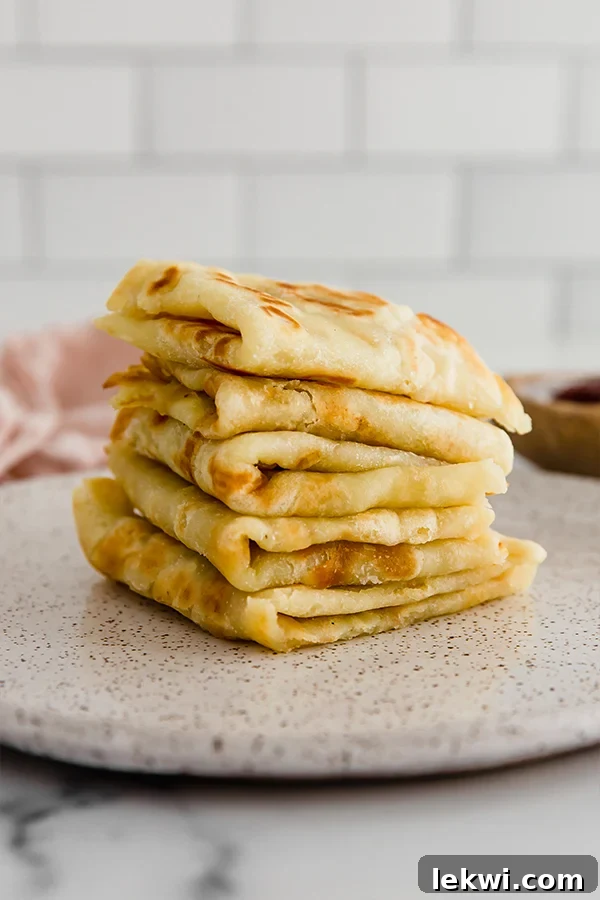
Norwegian Lefse holds a special place in Scandinavian culinary heritage, particularly during festive seasons like Christmas. Traditionally, it’s a soft, potato-based flatbread made from a simple mixture of cooked potatoes, flour, butter, and cream. These delicate rounds are often served with a spread of sugar and cinnamon, or rolled with sweet jams, creating a delightful balance of savory and sweet. Its thin, pliable texture and comforting flavor evoke warmth and celebration, making it a beloved holiday staple that brings families together.
For years, many readers have yearned for an allergy-friendly rendition of this traditional favorite. The challenge has always been to replicate the distinctive texture and subtle flavor of traditional lefse while adhering to strict dietary protocols like Paleo and AIP, which exclude grains and dairy. This recipe rises to that challenge, offering a grain-free and dairy-free sweet potato variation that captures the essence of classic lefse. While I don’t personally have Norwegian heritage, the process and outcome of making these flatbreads remotely remind me of Hungarian palacsinta, a thin pancake I’m very fond of. This sweet potato version tastes exceptionally wonderful when paired with a vibrant berry jam, offering a healthy twist on a timeless treat.
Why Sweet Potatoes for Lefse? The Healthy Twist
Choosing sweet potatoes as the base for this grain-free lefse is a deliberate and delicious decision. Unlike traditional white potatoes, sweet potatoes offer a naturally sweeter profile, reducing the need for added sugars in the dough itself. They are also packed with essential vitamins and minerals, including Vitamin A, Vitamin C, and manganese, providing a nutrient boost to this usually indulgent treat. Furthermore, sweet potatoes are naturally gluten-free and easily digestible for many, making them an excellent choice for those with sensitivities or autoimmune conditions. Their creamy texture, when properly riced, lends itself beautifully to creating a pliable dough that mimics the traditional lefse consistency, ensuring that this healthy alternative doesn’t compromise on the authentic eating experience.
Essential Ingredients for Your Sweet Potato Lefse
Crafting this unique sweet potato lefse requires a thoughtful selection of ingredients, each playing a crucial role in achieving the perfect flavor and texture while adhering to Paleo and AIP standards.
- White Sweet Potato: The star of our recipe! For the best results, varieties like Hannah, Jersey, or Japanese Sweet Potatoes are highly recommended. These types tend to have a drier, starchier flesh compared to orange sweet potatoes, which is ideal for a dough that needs to be rolled thin without becoming too wet or sticky. Their subtle flavor also allows the other ingredients to shine through beautifully.
- Coconut Flour: This remarkable grain-free flour is instrumental in binding the dough and absorbing any excess moisture from the sweet potatoes. Coconut flour is highly absorbent, which is perfect for achieving a workable, non-sticky dough. It provides a light, airy texture and a hint of natural sweetness, making it indispensable for this recipe.
- Avocado Oil: Chosen for its neutral flavor, high smoke point, and healthy fat content. Avocado oil is perfect for both incorporating into the dough to add richness and using for frying, ensuring the lefse cooks evenly and develops a lovely golden hue without burning.
- Salt: A pinch of salt is essential to balance the sweetness of the potato and enhance the overall flavor profile, ensuring each bite is perfectly seasoned.
- Arrowroot Starch: This gluten-free starch acts as a vital binder and provides structure to the dough. It also serves as an excellent flouring agent for your work surface, preventing the delicate lefse from sticking as you roll it out. Arrowroot starch contributes to the smooth, tender texture of the finished flatbread.
The Right Tools for Lefse Success
While the ingredients are key, having the proper tools can significantly streamline the lefse-making process and ensure a professional-quality outcome. These specific tools help manage the delicate dough and achieve the desired thinness and consistency.
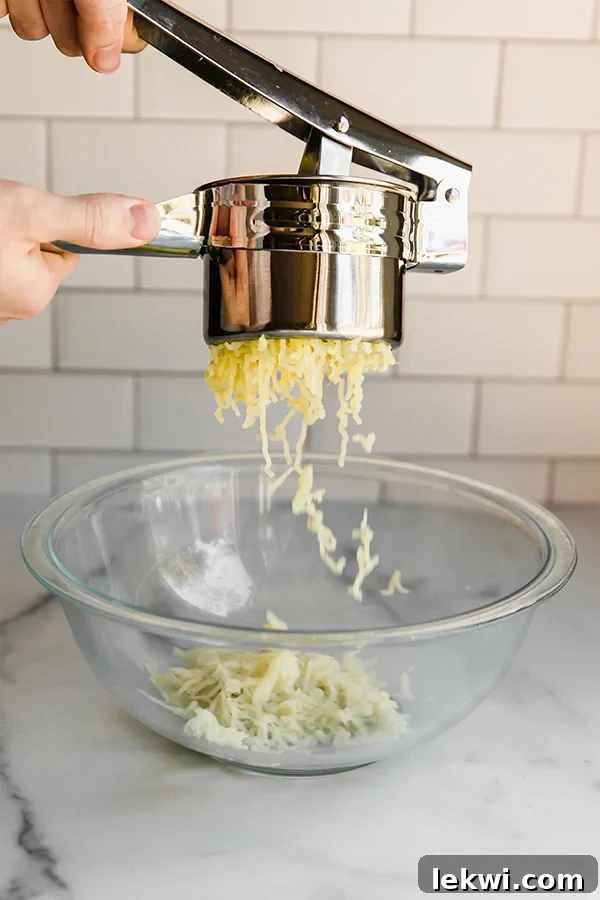
- Potato Ricer: This is a non-negotiable tool for making truly smooth lefse. A potato ricer pushes the cooked sweet potato through small holes, creating a super fine, airy, and lump-free puree. This is crucial for a smooth dough that can be rolled out extremely thin without tearing. A potato masher simply cannot achieve the same delicate consistency, which often leads to a lumpy dough and rougher lefse.
- Rolling Pin: A good quality rolling pin is fundamental for achieving the characteristic thinness of lefse. You’ll want one that allows for even pressure distribution to roll the dough consistently flat.
- Angled Spatula: This tool is surprisingly helpful, especially when dealing with raw, delicate lefse rounds. Its thin, angled blade allows you to gently lift the paper-thin dough from the parchment paper without tearing it, ensuring it safely transfers to the cooking surface. A butter knife can also be used with great care if an angled spatula isn’t available.
Crafting Your Sweet Potato Lefse: A Step-by-Step Guide
Making sweet potato lefse is a rewarding process that combines traditional techniques with modern, health-conscious ingredients. Follow these steps carefully to achieve perfectly delicate and delicious grain-free flatbreads.
1. Prepare the Sweet Potato Foundation
- Boil and Rice the Sweet Potato: Begin by placing your peeled and chopped white sweet potato in a medium pot. Cover it with water and bring it to a rolling boil. Cook for 15-20 minutes, or until the sweet potato pieces are incredibly fork-tender. Once cooked, thoroughly strain the sweet potato, ensuring all excess water is removed. While the sweet potato is still warm, press it through a potato ricer into a large mixing bowl. The warmth helps the ricer work more efficiently, yielding a perfectly smooth puree.
2. Form the Dough
- Combine Initial Ingredients: To the riced sweet potato, add 2 tablespoons of coconut flour, avocado oil, and a pinch of salt. Stir these ingredients thoroughly until well combined. The coconut flour will immediately start to absorb some of the moisture.
- Incorporate Arrowroot Starch: Gradually add the arrowroot starch, about 1/3 cup at a time, stirring well after each addition. Continue this process until all the starch is incorporated and the dough begins to come together. The dough should be soft but manageable.
- Rest the Dough: Allow the dough to sit for 5-10 minutes. This resting period is crucial as it gives the coconut flour time to fully hydrate and the dough to set and cool slightly, making it easier to handle. If, after resting, the dough still feels too sticky or hard to manage, you can add another tablespoon of coconut flour, working it in until you reach the desired consistency. The goal is a pliable dough that doesn’t readily stick to your hands.
3. Roll the Dough
- Portion the Dough: Roll the prepared dough into small, uniform balls, each approximately 2 tablespoons in size. Set these dough balls aside on a plate while you prepare your rolling station.
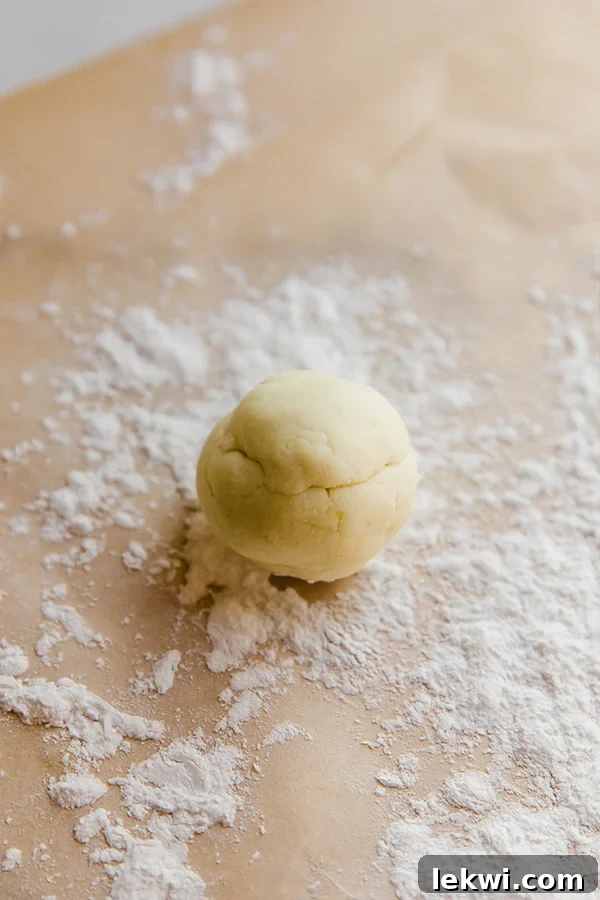
- Prepare Rolling Surface: Lay a piece of parchment paper on a clean, flat surface and generously dust it with arrowroot starch. This non-stick surface is vital.
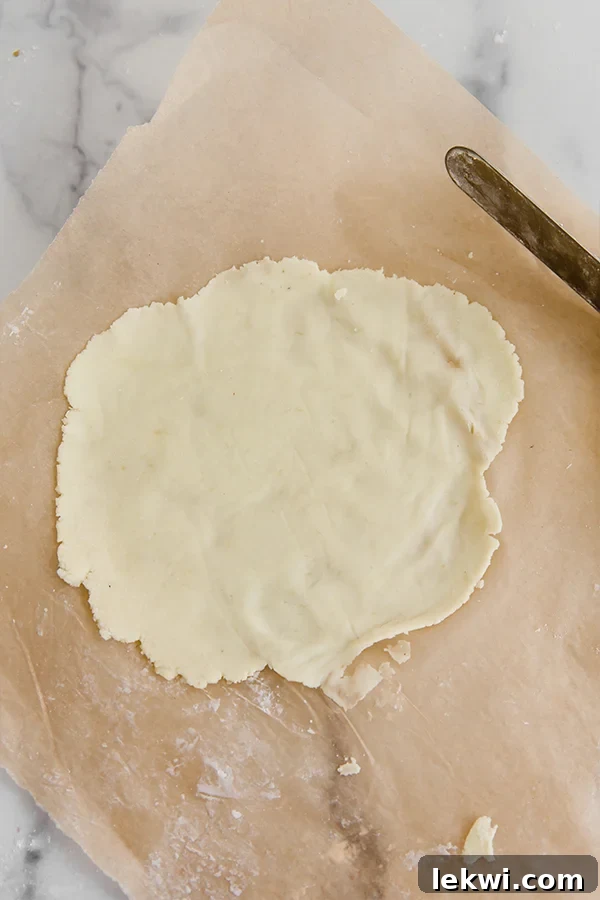
- Roll Flat: Place one dough ball onto the floured parchment paper. Place another piece of parchment paper on top of the dough ball. Using your rolling pin, gently and evenly roll the dough until it is extremely thin – almost translucent, if possible. The thinner you roll it, the more authentic the lefse texture will be.
- Carefully Remove: Once rolled, use a butter knife or an angled spatula to very carefully remove the delicate lefse round from the parchment paper. Work slowly and gently to prevent tearing.
4. Cook the Lefse
- Heat the Pan: In a large, deep pan or griddle, heat 2-3 tablespoons of avocado oil over medium heat. Ensure the oil is hot but not smoking before adding the lefse.
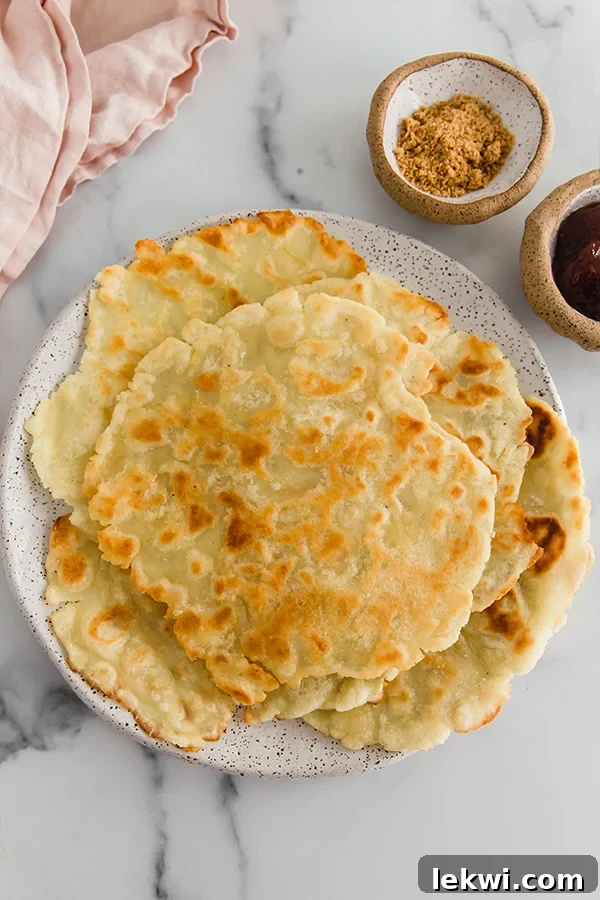
- Cook Each Side: Carefully transfer one rolled lefse round into the hot pan. Cook for 2-3 minutes on each side. As it cooks, gently press down with a spatula to prevent any bubbles from forming, which could lead to uneven cooking or a puffy texture. The lefse should develop light golden-brown spots.
- Repeat: Once cooked, transfer the lefse to a clean plate. Repeat this process with the remaining dough balls, adding more avocado oil to the pan as needed.
5. Serve and Enjoy
- Garnish and Serve: Serve your warm sweet potato lefse topped with a sprinkle of coconut sugar for traditional sweetness, or spread with your favorite berry jam for a fruity twist. You can either roll or fold the lefse before serving, depending on your preference.
Frequently Asked Questions About Sweet Potato Lefse
Here are some common questions and helpful tips for making your sweet potato lefse a resounding success:
Can you make this recipe ahead of time?
Absolutely! Lefse is a great make-ahead option. You can store the cooked lefse in an airtight container in the refrigerator for about a day. For longer storage, it should freeze beautifully. Wrap individual pieces tightly in parchment paper, then place them in a freezer-safe bag or container. When you’re ready to enjoy them, simply thaw and gently warm in a pan or microwave.
Can you use orange sweet potato instead?
While I haven’t specifically tested this recipe with orange sweet potatoes, they tend to be much higher in moisture and significantly sweeter than white varieties. Using them would likely result in a stickier dough that is harder to roll thin, and the final product would have a noticeably different flavor and vibrant orange color. For best results and a texture closer to traditional lefse, stick to Hannah, Jersey, or Japanese sweet potatoes.
Can you make this recipe coconut-free?
Coconut flour plays a critical role in this recipe by effectively binding the excess moisture from the sweet potato and making the dough manageable. While it’s a key ingredient, you could attempt to forgo it and use a larger quantity of arrowroot starch, or even try substituting it with cassava flour. Keep in mind that these substitutions might alter the texture and moisture balance, so you may need to adjust the liquid or starch amounts to achieve the desired consistency. Experimentation is encouraged!
What if my dough is too sticky or dry?
The consistency of the dough is crucial for rolling. If your dough is too sticky, add a little more coconut flour (a tablespoon at a time) until it’s pliable and easy to handle. If it’s too dry and crumbly, you might need to add a very small amount of avocado oil or even a teaspoon of water, mixing until it comes together. Sweet potato moisture can vary, so be prepared to make minor adjustments.
How thin should I roll the lefse?
The hallmark of excellent lefse is its thinness. Aim to roll the dough as thinly as possible, almost to the point of being translucent. This creates a delicate texture that is both soft and slightly chewy. If it’s too thick, the lefse can be heavy and less enjoyable.
Explore More Allergy-Friendly Treats
If you enjoyed this healthy twist on a traditional favorite, you might also like these other grain-free and dairy-free recipes:
- Delicious Paleo Strawberry Plantain Crepes
- Fun & Easy Paleo Pancake Skewers
- Simple 3-Ingredient Banana Pancakes
Sweet Potato Norwegian Lefse (Paleo, AIP) Recipe Card
Yield: 8-10 servings
Prep Time: 30 minutes
Cook Time: 15 minutes
Author: Michelle
Ingredients
- 1 lb white sweet potato, peeled and chopped (Hannah, Jersey, or Japanese Sweet Potato all work)
- 2-3 tbsp coconut flour
- 3 tbsp avocado oil, plus extra for frying
- Pinch of salt
- 1 cup arrowroot starch, plus extra for flouring the surface
Instructions
- Add the sweet potato to a medium pot and cover with water. Bring to a boil for 15-20 minutes or until fork tender. Strain the sweet potato thoroughly.
- While the sweet potato is still warm, run it through a potato ricer into a large mixing bowl to ensure a smooth, lump-free puree.
- Add 2 tbsp of coconut flour, avocado oil, and salt to the riced sweet potato. Stir to combine thoroughly.
- Add the arrowroot starch, 1/3 cup at a time, stirring well after each addition until fully incorporated. Allow the dough to sit for 5-10 minutes to set and cool.
- The dough should now be easy to handle and roll into small balls. If it’s still too sticky, add another tablespoon of coconut flour and mix until the desired consistency is reached.
- Roll the dough into small pieces, with about 2 tbsp worth of dough for each lefse. Set aside.
- Prepare a clean surface of parchment paper and generously flour it with arrowroot starch. Place a dough ball on the floured parchment paper and place another piece of parchment paper on top. Roll flat with a rolling pin until the dough is very thin.
- Using a tool like a butter knife or an angled spatula, very carefully remove the delicate lefse from the surface of the parchment paper.
- Using a large deep pan or griddle, heat 2-3 tbsp of avocado oil over medium heat. Once hot, carefully add a lefse round. Cook for 2-3 minutes on each side, pressing down gently with a spatula to prevent bubbling.
- Transfer the cooked lefse to a clean plate and repeat the cooking process with all remaining lefse rounds, adding more avocado oil as needed.
- Serve the finished lefse topped with coconut sugar or your favorite jam, then roll or fold as desired.
Notes
This recipe was adapted from Sweet Treats.
All nutrition facts provided are estimated and will vary based on ingredients and preparation methods.
Nutrition Information (Estimated per serving)
- Serving: 1g
- Calories: 91kcal
- Carbohydrates: 11.1g
- Protein: 1.1g
- Fat: 4.9g
- Fiber: 2.1g
Did you make this recipe? We’d love to see your creations! Tag @unboundwellness on Instagram and use the hashtag #unboundwellness to share your delicious Sweet Potato Norwegian Lefse with our community!