This post contains affiliate links.
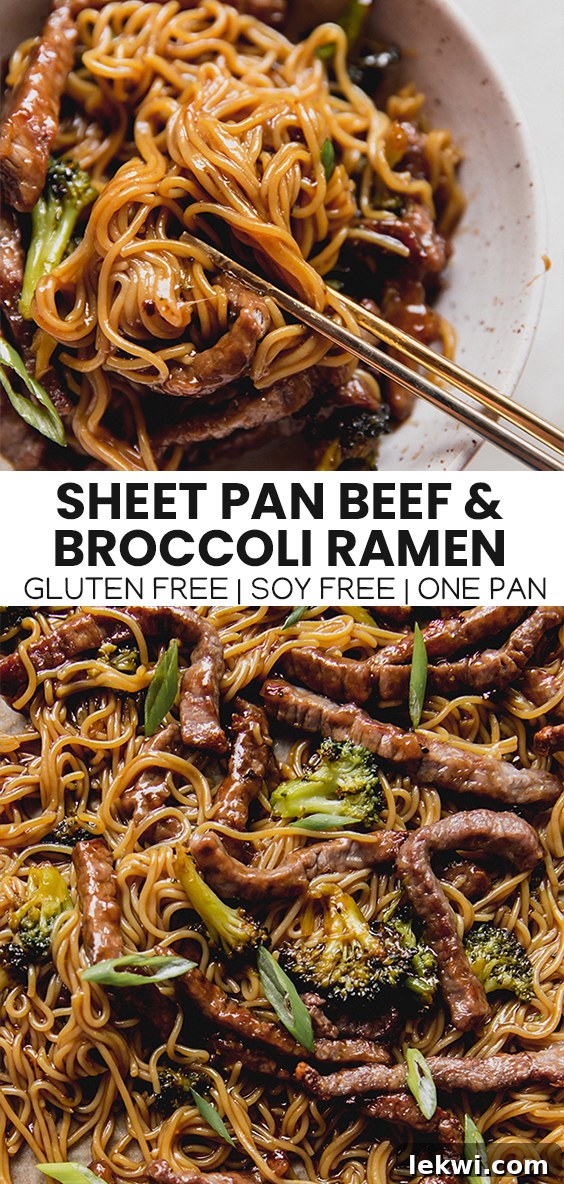
Sheet Pan Beef & Broccoli Ramen: Your Ultimate Easy Weeknight Meal
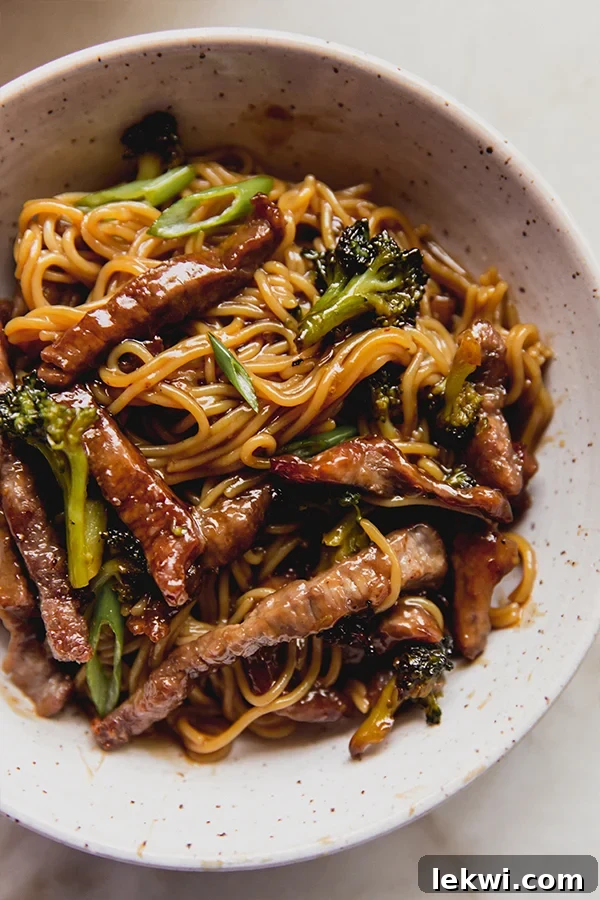
Tired of complicated weeknight dinners that leave you with a mountain of dishes? Discover the magic of sheet pan cooking with this incredibly easy and utterly delicious Sheet Pan Beef & Broccoli Ramen recipe! Imagine tender, savory flank steak, crisp-tender broccoli florets, and springy gluten-free ramen noodles, all coated in a rich, umami-packed sauce, baked to perfection on a single pan. This recipe isn’t just about convenience; it’s a vibrant, flavorful meal that caters to various dietary needs, being naturally gluten-free, soy-free, paleo-friendly, and easily adaptable for AIP (Autoimmune Protocol).
Say goodbye to takeout cravings and hello to a healthy, homemade meal that comes together with minimal fuss. Whether you’re a seasoned chef or a kitchen novice, this sheet pan ramen will become a cherished staple in your dinner rotation, proving that healthy eating can be both simple and incredibly satisfying.
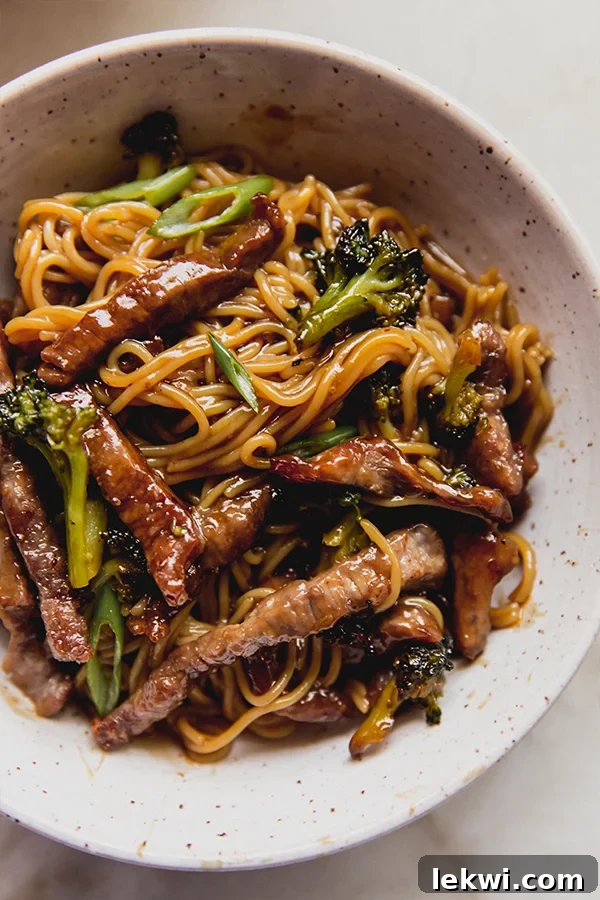
Why This Sheet Pan Beef & Broccoli Ramen Will Become Your New Favorite
This recipe isn’t just another meal; it’s a solution for busy evenings, dietary restrictions, and the desire for delicious, wholesome food without the hassle. Here’s why you’ll absolutely love adding it to your menu:
1. Unbeatable Simplicity and Minimal Cleanup
- One-Pan Wonder: The beauty of a sheet pan meal is its unparalleled ease. Most of the cooking happens on a single baking sheet, significantly reducing the number of pots and pans you’ll need to wash. This means more time enjoying your meal and less time scrubbing dishes.
- Effortless Preparation: With just a few simple steps – chopping, tossing, and baking – you can have a gourmet-tasting meal on the table in under an hour. It’s perfect for those busy weeknights when time is precious but you still crave a hearty, homemade dinner.
- Hands-Off Cooking: Once the ingredients are on the pan and in the oven, your active cooking time is minimal, freeing you up to tackle other tasks or simply relax. The oven does most of the work for you, resulting in perfectly cooked ingredients every time.
2. Dietary-Friendly and Highly Adaptable
- Gluten-Free & Soy-Free: We utilize gluten-free rice ramen and coconut aminos (a fantastic soy sauce alternative) to ensure this dish is safe and delicious for those avoiding gluten and soy, without compromising on flavor or texture.
- Paleo Compliant: This recipe naturally aligns with Paleo principles, focusing on whole, unprocessed ingredients like lean protein from flank steak, fresh vegetables, and natural sweeteners. It’s a clean eating dream!
- Easily AIP Adaptable: For individuals following the Autoimmune Protocol (AIP), simple swaps are provided to make this dish fully compliant, ensuring everyone can enjoy its comforting, savory flavors. (See the dedicated AIP section below for detailed guidance).
- Healthy & Wholesome: Packed with lean protein, essential vitamins, and fiber, and featuring a balanced savory-sweet sauce, this meal is as nutritious as it is tasty. It’s a wholesome choice for any diet.
3. Exploding with Flavor and Texture
- Savory Umami Sauce: The homemade sauce, featuring coconut aminos, fresh ginger, and garlic, delivers a deep, rich umami flavor that perfectly complements the other ingredients. It’s the secret to this dish’s irresistible taste.
- Tender Beef & Crisp Broccoli: The flank steak cooks up tender and juicy with perfectly caramelized edges, while the broccoli florets achieve that delightful crisp-tender texture that only high-heat roasting can provide.
- Satisfying Ramen Noodles: The gluten-free ramen absorbs all the delicious sauce, offering a comforting and chewy base to this flavorful dish, making it a truly complete and satisfying meal.
Essential Ingredients for Your Sheet Pan Beef & Broccoli Ramen
Crafting this incredible dish starts with selecting fresh, high-quality ingredients. Here’s a breakdown of what you’ll need to gather to bring this delicious meal to life:
Main Components:
- Gluten-Free Ramen: Choose good quality rice ramen bricks for their authentic texture and flavor. Brands like Lotus Foods Rice Ramen are highly recommended for their quality. For those following AIP, consider substituting with cauliflower rice for a grain-free option or sweet potato glass noodles for a similar noodle experience.
- Broccoli Florets: Fresh broccoli florets work best for optimal crispness when roasted. You can opt for pre-cut florets for added convenience, or purchase a head of broccoli and chop it into bite-sized pieces yourself.
- Flank Steak: This lean cut of beef is fantastic for sheet pan cooking due to its quick cooking time and ability to absorb flavors beautifully. Look for a piece with good marbling for extra tenderness. Slice it against the grain for the best texture.
- Avocado Oil: With its high smoke point, avocado oil is ideal for roasting at higher temperatures, ensuring your ingredients get beautifully caramelized without burning. It also adds a subtle richness to the dish.
- Salt & Pepper: Basic seasonings are crucial to enhance the natural flavors of the beef and broccoli. A good quality sea salt and freshly ground black pepper make all the difference. (Remember to omit black pepper if strictly following AIP protocols).
- Green Onion: Freshly chopped green onions provide a vibrant garnish, a mild oniony crunch, and a burst of freshness that brightens up the entire dish. They are added at the very end.
- Arrowroot Starch: This gluten-free thickener is used in two ways: it slightly coats the flank steak before baking to help create a lovely, crispy exterior, and it also plays a key role in thickening our delicious sauce to a perfect consistency.
For the Irresistible Sauce:
This savory, sweet, and tangy sauce is the heart of the dish, providing that signature Asian-inspired flavor profile that ties everything together.
- Coconut Aminos: A fantastic soy-free alternative to soy sauce, offering a similar umami depth with a touch of natural sweetness. Ensure you choose a reputable brand for the best flavor and quality.
- Chicken Broth: Adds essential liquid to the sauce, helping it come together and providing a foundational layer of savory richness. Opt for a low-sodium, good-quality chicken broth.
- Coconut Sugar: Provides a natural, caramel-like sweetness that perfectly balances the savory and tangy notes in the sauce, creating a harmonious flavor profile.
- Rice Vinegar: Contributes a bright, acidic tang that cuts through the richness of the beef and complements the sweetness of the sauce. For AIP compliance, apple cider vinegar is an excellent and equally delicious substitute.
- Fresh Garlic & Ginger: These aromatic powerhouses are essential for creating an authentic Asian-inspired flavor. Grating them ensures their pungent, warm flavors are well distributed throughout the sauce.
- Arrowroot Starch: A crucial ingredient for thickening the sauce, giving it a glossy, rich consistency that clings perfectly to the noodles, beef, and broccoli, ensuring every bite is flavorful.
How to Master Your Sheet Pan Beef & Broccoli Ramen: Step-by-Step Guide
Follow these detailed steps to create a show-stopping dinner with minimal effort and maximum flavor. Get ready to impress yourself!
- Prepare the Ramen Noodles: Begin by bringing a large pot of water to a rolling boil. Add your gluten-free ramen bricks and cook them precisely according to the package instructions until they are perfectly tender yet still have a slight bite (al dente). Once cooked, drain the noodles thoroughly in a colander and then gently toss them lightly with about a tablespoon of avocado oil. This simple step prevents the noodles from sticking together while you prepare the other components. Set the oiled noodles aside.
- Preheat Oven & Prep Sheet Pan: Preheat your oven to a robust 425°F (220°C). This high heat is crucial for achieving crispy results. Line a large baking sheet with parchment paper; this simple trick makes cleanup incredibly easy and prevents any sticking.
- Roast the Broccoli: Evenly spread the broccoli florets across one half of the prepared baking sheet. Drizzle them with 1 tablespoon of avocado oil and season generously with salt and a pinch of black pepper (remember to omit black pepper if strictly following AIP). Transfer the sheet pan to the preheated oven and roast for approximately 10 minutes, or until the broccoli begins to become tender-crisp and shows slight charring and vibrant green color at the edges. Remove the pan from the oven.
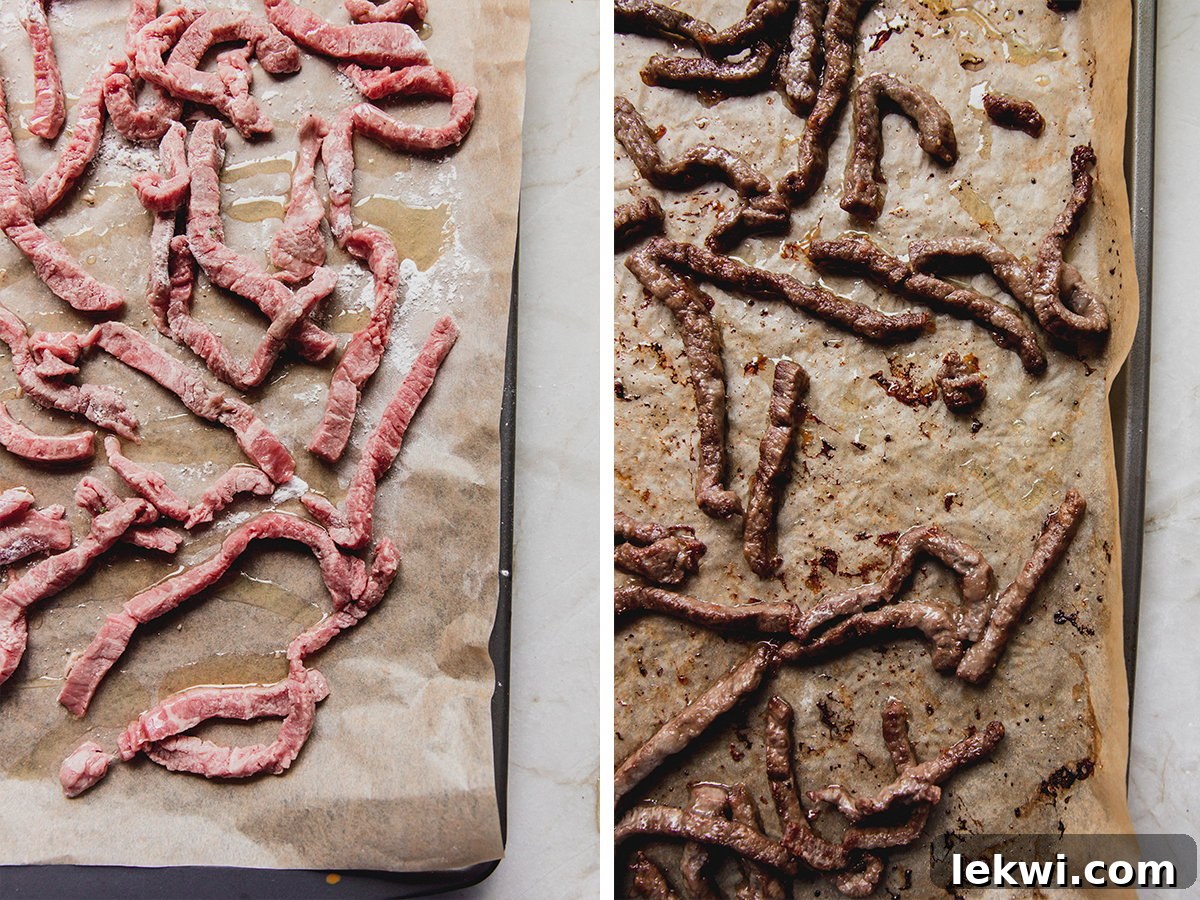
- Prepare the Flank Steak: While the broccoli roasts, turn your attention to the flank steak. Slice the flank steak thinly against the grain; this cutting technique is key to ensuring the beef is incredibly tender after cooking. Season the sliced steak with salt and pepper (again, omit pepper for AIP). In a medium bowl, toss the seasoned steak with 2 tablespoons of arrowroot starch until each piece is lightly and evenly coated. The arrowroot helps create a desirable crispy crust on the beef during roasting.
- Bake the Steak: Carefully move the partially roasted broccoli to one side of the pan, creating a clear space on the other half. Arrange the sliced, arrowroot-coated flank steak in a single layer on the empty half of the pan. It is absolutely crucial that the steak pieces do not overlap or touch each other to ensure they roast and crisp up beautifully rather than steaming. Drizzle the steak with the remaining avocado oil. Return the sheet pan to the oven and bake for another 8-12 minutes, or until the beef is cooked through to your liking and has a lovely crispy exterior. Make sure to flip the steak pieces halfway through cooking for even browning and crispness. (Refer to the notes section below for internal temperature guidelines for flank steak doneness). Remove the pan from the oven once baked.
- Whip Up the Savory Sauce: While the steak is finishing up in the oven, prepare your signature sauce. In a small saucepan, combine the coconut aminos, chicken broth, coconut sugar, rice vinegar (or apple cider vinegar for AIP), grated fresh ginger, grated fresh garlic, and the remaining 1.5 teaspoons of arrowroot starch. Whisk thoroughly until the arrowroot starch is fully dissolved and no lumps remain. Bring the mixture to a low simmer over medium heat, stirring constantly, for 2-3 minutes or until the sauce thickens to your desired glossy, rich consistency. Remove the saucepan from the heat once thickened.
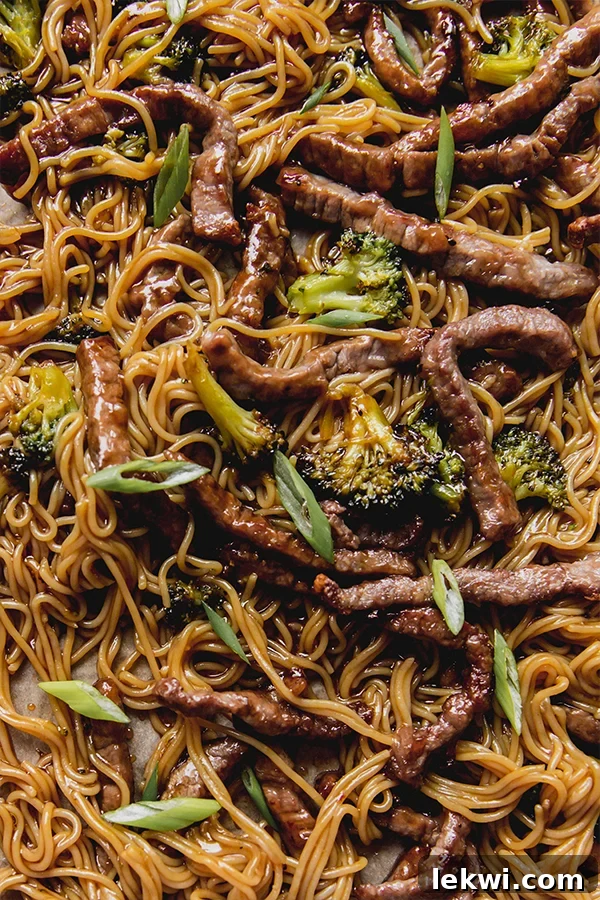
- Combine & Serve: Once the beef and broccoli are out of the oven, add the cooked and oiled ramen noodles directly to the sheet pan alongside the roasted ingredients. Pour the freshly made savory sauce generously over all the ingredients – the tender beef, crisp broccoli, and springy ramen. Gently toss everything together directly on the sheet pan, using tongs or two spatulas, until every component is beautifully coated in the glossy, flavorful sauce. Serve immediately, garnished with a generous sprinkle of fresh chopped green onions for a final touch of freshness and color.
Pro Tips for the Best Sheet Pan Beef & Broccoli Ramen
Achieve restaurant-quality results every time with these expert tips and tricks designed to elevate your sheet pan cooking:
- The Golden Rule: Don’t Overcrowd the Pan! This is perhaps the most critical tip for sheet pan success. When ingredients are packed too closely together, they release moisture and steam instead of roasting, which prevents that desirable crispy, caramelized texture. To avoid this, use a very large sheet pan, or if necessary, divide the ingredients between two smaller sheet pans to ensure everything cooks evenly and gets beautifully golden brown. Air circulation is your friend!
- Achieve Perfectly Crispy Beef:
- Thin Slices: Slice the flank steak against the grain as thinly as possible, ideally about 1/4 inch thick. This not only makes the beef incredibly tender but also allows it to cook quickly and crisp up more effectively.
- Single Layer: Arrange the steak pieces in a complete single layer on the pan, ensuring no pieces are overlapping or touching each other. This maximizes direct contact with the hot baking sheet and the hot oven air, leading to a perfectly seared and crispy exterior.
- Arrowroot Starch Coating: The light coating of arrowroot starch on the beef isn’t just for texture; it acts as a binder that promotes browning and helps create a fantastic, slightly crispy crust during roasting.
- Preheat for Perfection: Always preheat your oven and the sheet pan (if possible, without the parchment paper initially for maximum heat) thoroughly. A screaming hot start is key for quickly searing the ingredients and locking in juices, leading to better flavor and texture.
- Customize Your Veggies: While broccoli is a classic pairing, feel free to add other quick-cooking vegetables to the sheet pan. Sliced bell peppers (red, yellow, or orange), snap peas, or sliced mushrooms can be excellent additions. Just ensure they are cut to a similar size to the broccoli florets for even cooking.
- Meal Prep Friendly: This recipe is fantastic for meal prepping. You can slice your flank steak, chop your broccoli, and even whisk together the sauce ingredients up to a day ahead of time. Store them separately in airtight containers in the fridge. This makes assembly on cooking day even faster and more convenient!
- Serving Suggestions: This dish is a complete meal on its own, but you can elevate it further. Consider a sprinkle of toasted sesame seeds for added crunch and nutty flavor, a dash of sriracha or a drizzle of chili garlic sauce for extra heat (if not AIP), or even a side of fermented vegetables like kimchi for probiotic benefits and a tangy contrast.
Storage and Reheating Instructions
This Sheet Pan Beef & Broccoli Ramen makes fantastic leftovers, perfect for meal prepping your lunches or quick dinners throughout the week.
- Storage: Allow the entire dish to cool completely to room temperature before transferring it to an airtight container. Store it in the refrigerator for up to 3-4 days. Proper cooling and sealing are important for food safety and freshness.
- Reheating: For best results and to maintain some of the crispy texture, reheat individual portions in a skillet over medium heat, stirring occasionally, until thoroughly warmed through. If preferred, you can also microwave it, though the texture of the beef and broccoli might become slightly softer. Adding a splash of chicken broth or water can help rehydrate the noodles and sauce, preventing them from drying out during reheating.
Making This Recipe AIP (Autoimmune Protocol) Compliant
For those following the Autoimmune Protocol, this recipe can be easily tweaked to fit your dietary needs without sacrificing any of its robust flavor or satisfying qualities. Here are the key adjustments to make it fully AIP compliant:
- Omit Black Pepper: Black pepper is typically excluded from the elimination phase of the AIP diet due to it being a seed spice. Simply leave it out of the seasonings for the beef and broccoli. You won’t miss it with all the other amazing flavors!
- Swap Rice Vinegar: Substitute rice vinegar with apple cider vinegar. Apple cider vinegar offers a similar tangy profile and is a widely accepted AIP-compliant ingredient that will keep the sauce bright and flavorful.
- Ramen Alternatives: Instead of gluten-free rice ramen, opt for AIP-friendly noodle alternatives to keep the dish grain-free. Cauliflower rice is a popular and nutritious choice that adds extra vegetables to your meal. Sweet potato glass noodles are another fantastic option for a similar noodle experience, or even zucchini noodles if you prefer a lighter, raw vegetable base.
Frequently Asked Questions (FAQs)
Got more questions about making this delicious sheet pan meal? We’ve got answers to help you perfect this dish and customize it to your liking.
- Can I use a different cut of beef? While flank steak is highly recommended for its quick cooking and excellent flavor absorption, you could certainly try other thinly sliced cuts like sirloin or even skirt steak. Keep in mind that cooking times may vary slightly, and adjust accordingly to ensure they don’t overcook and become tough. For a different protein entirely, thinly sliced chicken breast or shrimp also work wonderfully, but will require shorter cooking times.
- Can I use frozen broccoli? Yes, you can! If opting for frozen broccoli, it’s crucial to thaw it first and pat it very dry with paper towels to remove any excess moisture. This step is important to prevent the broccoli from steaming rather than roasting on the sheet pan, which could make the other ingredients soggy. You might also need to roast frozen broccoli for a few extra minutes to achieve a good crispness.
- What if I don’t have coconut aminos? Coconut aminos are a key ingredient for ensuring this recipe is soy-free and deliver a unique umami sweetness. If soy is not an issue for your diet, you could potentially use gluten-free tamari as a substitute. However, the flavor profile will be slightly different (tamari is generally saltier and less sweet), so you might need to adjust the amount of coconut sugar in the sauce to balance the flavors.
- How can I make this spicier? To add a pleasant kick to your ramen, you have a few options. You can include a pinch of red pepper flakes in the sauce (if your diet allows, as pepper is often excluded from strict AIP). Alternatively, you can drizzle individual servings with sriracha or a chili garlic sauce before serving.
- Can I make this ahead of time? You can definitely do some prep work in advance to make dinner assembly even quicker. Slice the beef, chop the broccoli, and prepare the sauce up to a day ahead and store them separately in airtight containers in the refrigerator. For the freshest and most delicious results, combine and bake everything just before you’re ready to serve.
You’ll Also Love These Easy Sheet Pan Recipes!
If you’re a fan of convenient, flavorful, and healthy sheet pan meals, be sure to check out these other favorites from our collection:
- Sheet Pan Citrus Glazed Chicken
- Italian Style Mini Meatloaf & Vegetable Sheet Pan
- Sheet Pan Breakfast Taco Hash
Nutrition Information
Estimations per serving:
- Serving: 1 serving
- Calories: 389 kcal
- Carbohydrates: 37.3 g
- Protein: 28.6 g
- Fat: 13.6 g
- Fiber: 1.9 g
All nutritional information are estimations and will vary. Estimations do not include optional ingredients.
The flank steak will be at 145℉ for medium-well and 155 F for well-done. The temperature will rise as the beef rests. Always use a meat thermometer for accurate results.