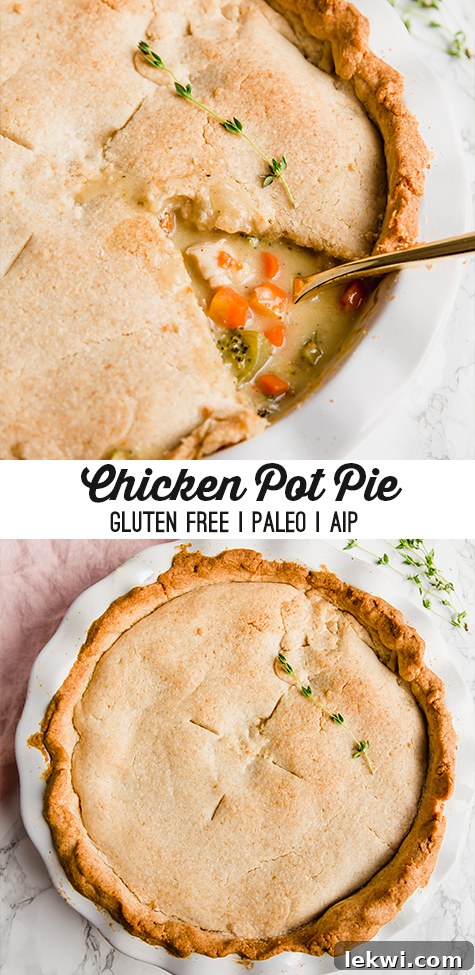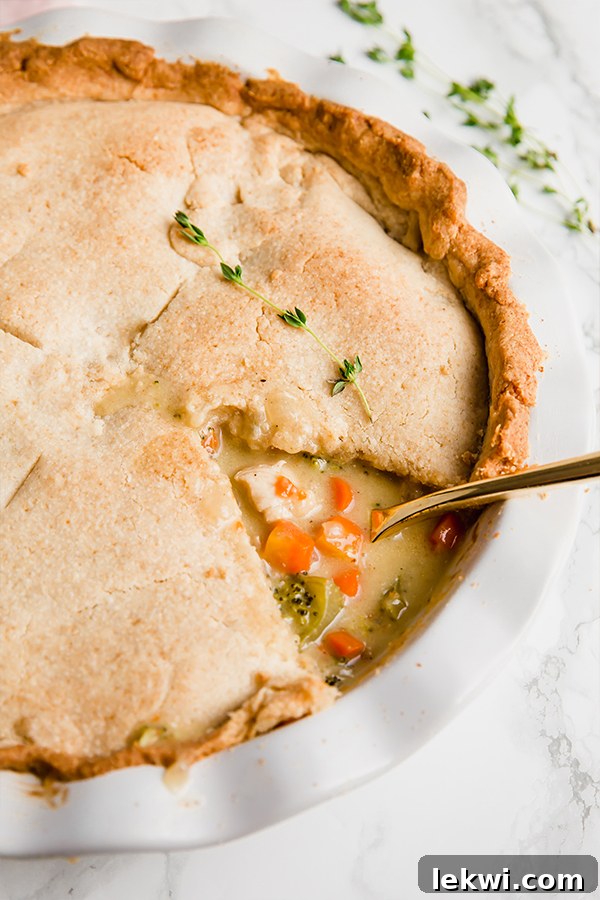
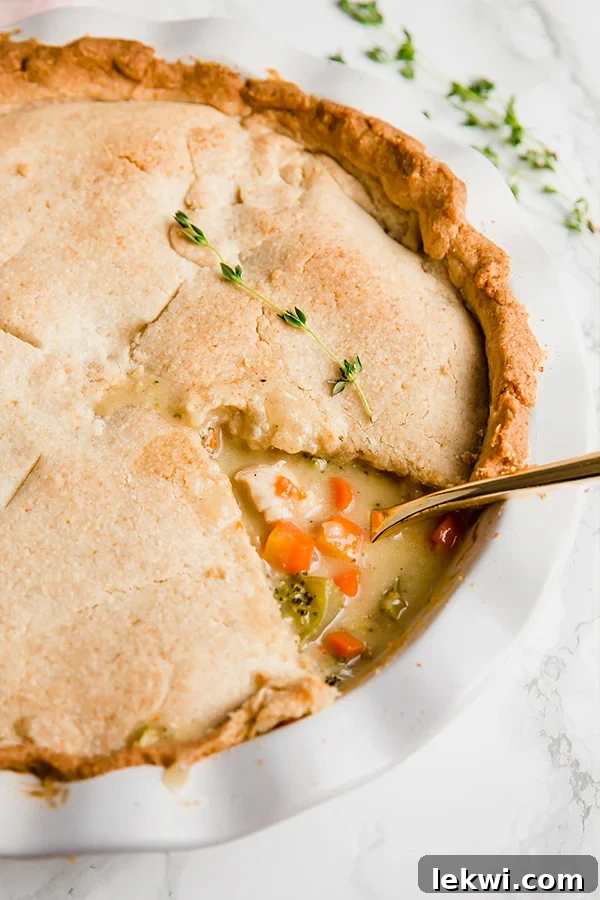
Craving the ultimate comfort food but following a gluten-free, dairy-free, paleo, or Autoimmune Protocol (AIP) diet? Look no further! This incredible chicken pot pie recipe delivers all the rich, creamy, and savory flavors of the traditional dish without any of the common allergens. Prepare to be amazed by a homemade pie that tastes just like the real deal, proving that healthy eating doesn’t mean sacrificing deliciousness.
Paleo and AIP-Friendly Chicken Pot Pie: A Comfort Food Classic for Everyone
What is Chicken Pot Pie? A Beloved American Classic
Chicken pot pie is a quintessential American comfort food, cherished for its hearty, warming qualities. At its core, it’s a dish featuring tender pieces of chicken and a medley of vegetables suspended in a rich, creamy sauce, all lovingly enveloped beneath a flaky, golden pie crust. It’s the kind of meal that brings families together, evoking feelings of warmth, nostalgia, and pure indulgence. Historically, pot pies have been a staple in many cultures, providing a wholesome and filling meal, evolving over centuries from simple casseroles to the beloved version we know today. The combination of savory ingredients and a buttery (or in our case, paleo-friendly) crust makes it an irresistible treat, perfect for chilly evenings or any time you need a comforting embrace in food form.
While many modern recipes often rely on store-bought, pre-made pie crusts to save time, this recipe takes a different approach. We’re going completely from scratch, crafting a pie crust that is not only delicious but also entirely paleo and AIP-compliant. This means no grains, no dairy, and a focus on wholesome ingredients that support a healthy lifestyle without compromising on the authentic taste and texture you expect from a classic chicken pot pie.
The Inspiration Behind This Healthy Pot Pie Recipe
Growing up with a Hungarian mother, my childhood kitchen was often filled with the aromas of European dishes. Classic American comfort foods, like chicken pot pie, weren’t typically on our family dinner table. My introduction to these beloved staples often came through fast food and local restaurants. Because of this, I never truly experienced a homemade chicken pot pie until later in life.
However, my husband has always been a fervent admirer of chicken pot pie. During a period of intense morning sickness, it became his go-to comfort meal. Given his deep love and extensive experience with the dish, I knew I could trust his judgment when I set out to create a healthier, homemade version. His ultimate seal of approval was the most important test: he declared it “just good pot pie”—not merely “good for being paleo” but truly as satisfying and delicious as any traditional pot pie he’d ever enjoyed. This feedback was everything, validating the effort to create a grain-free, dairy-free version that stands shoulder-to-shoulder with its conventional counterpart. Heck yes, indeed!
Why Choose a Paleo and AIP Chicken Pot Pie?
For many, traditional comfort foods like chicken pot pie are off-limits due to dietary restrictions or health concerns. Gluten, dairy, and other common allergens found in conventional recipes can trigger inflammation, digestive issues, and other adverse reactions, especially for individuals managing autoimmune conditions or simply seeking a cleaner diet.
This recipe is specifically designed to be both Paleo and AIP-friendly. The Paleo diet focuses on whole, unprocessed foods that our ancestors might have eaten, excluding grains, legumes, and dairy. The Autoimmune Protocol (AIP) is an even more restrictive elimination diet aimed at reducing inflammation and healing the gut, further removing ingredients like nightshades, eggs, nuts, and seeds during the elimination phase. By adhering to these guidelines, this chicken pot pie offers a delicious solution for those who want to enjoy a hearty, flavorful meal without compromising their health goals. It’s a game-changer for anyone who misses classic comfort food but needs to avoid specific ingredients, proving that dietary restrictions don’t have to mean a lack of flavorful options.
How to Make This Delicious Paleo Chicken Pot Pie from Scratch
Crafting the Creamy, Flavorful Filling
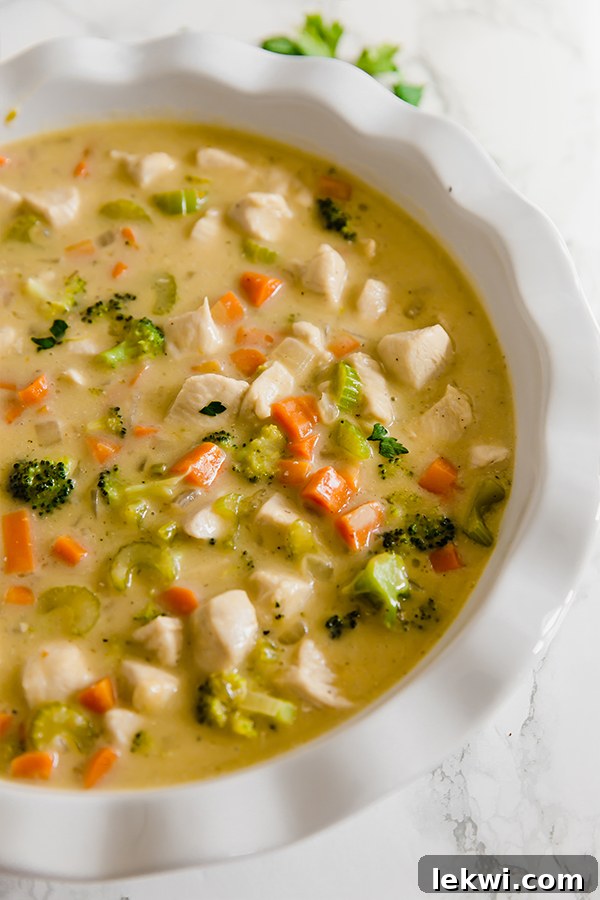
The heart of any good pot pie lies in its filling – a harmonious blend of tender chicken, vibrant vegetables, and a rich, savory sauce. Follow these steps to create a filling that is both comforting and nutritious:
- Begin by heating coconut oil in a large, deep skillet over medium heat. Coconut oil is an excellent choice for sautéing due to its stability at higher temperatures and mild flavor.
- Add your cubed chicken breast (or thigh, if preferred) to the heated oil and season it lightly with sea salt. Sauté the chicken until it’s fully cooked through, reaching an internal temperature of 165°F (74°C). Once cooked, remove the chicken from the skillet and set it aside in a bowl.
- If necessary, add a little more coconut oil to the skillet. Then, add the diced yellow onion and sauté for about 4-5 minutes, or until it becomes soft and translucent, releasing its sweet aroma.
- Next, add the minced garlic, chopped celery, diced carrots, and broccoli florets to the skillet. Continue to sauté for another 4-5 minutes, allowing the vegetables to soften slightly but still retain a pleasant bite. They should be lightly fork-tender.
- Sprinkle the arrowroot starch over the cooked vegetables and stir well to coat them thoroughly. Arrowroot starch acts as a fantastic gluten-free thickener for our sauce, providing a smooth consistency.
- Pour in the chicken broth, coconut milk (ensure it’s full-fat for creaminess), dried thyme, and dried sage. Stir continuously to combine all ingredients, making sure there are no lumps from the arrowroot starch. Bring the mixture to a low simmer for 3-4 minutes, allowing the sauce to thicken beautifully.
- Finally, return the cooked chicken to the skillet, stirring gently to ensure every piece is coated in the luxurious, creamy sauce.
- Carefully pour this delectable filling into a lightly greased 9-inch pie pan and set it aside while you prepare the crust.
Creating the Flaky, Grain-Free Crust & Assembling the Pot Pie
The crust is what makes a pot pie truly special, and our grain-free version is designed to be wonderfully flaky and flavorful. Here’s how to prepare it and assemble your pot pie:
- Preheat your oven to 400°F (200°C). This ensures the oven is at the correct temperature for the crust to bake evenly and achieve a beautiful golden-brown color.
- In a large mixing bowl, whisk together the cassava flour, coconut flour, sea salt, and gelatin. These flours create the base for our gluten-free crust, while gelatin helps with elasticity and structure, mimicking the properties of gluten.
- Add the palm shortening to the dry ingredients. Using your fingers or a pastry blender, “cut in” the shortening until the mixture resembles coarse crumbs. This step is crucial for achieving a flaky crust.
- Gradually pour in the cold water, mixing until a cohesive dough forms. Be careful not to overmix; just combine until the ingredients are just incorporated.
- Lightly flour a clean work surface with extra cassava flour. Turn the dough out onto the floured surface. Dust your rolling pin with cassava flour as well, and gently roll the dough into a large circle, ensuring it’s about ½ to ¾ inch larger than the diameter of your pie pan. If the dough is sticky, you can roll it between two pieces of parchment paper for easier handling. Roll until the thickness is even.
- Carefully transfer the rolled-out dough onto the pie pan, positioning it over the filling. If the dough tears slightly, don’t worry—simply pinch the edges together to mend any cracks. Gently press the dough against the sides of the pie pan to create a neat edge.
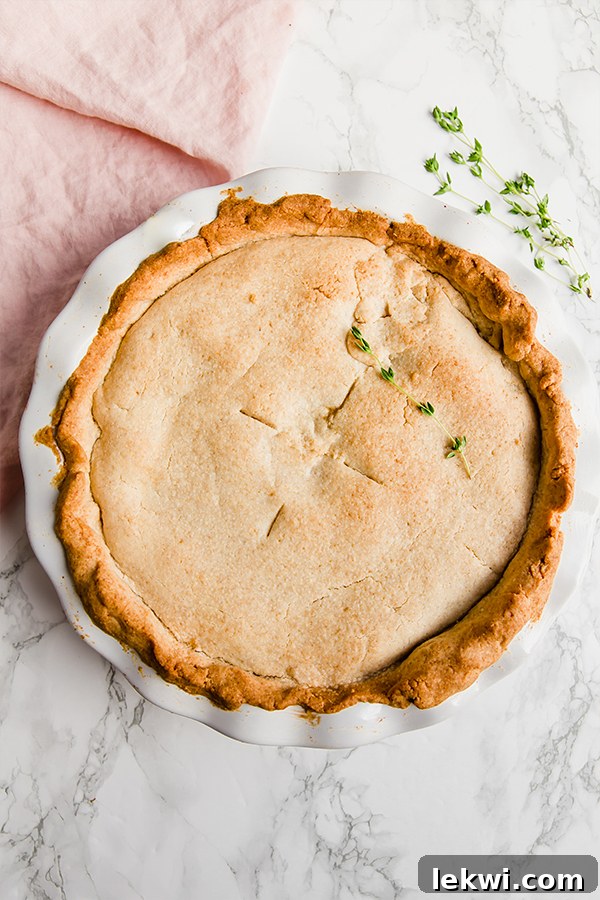
- Using a knife, score 3-4 small slits into the top of the pie crust. These vents allow steam to escape during baking, preventing the crust from becoming soggy and helping it achieve that perfect golden finish.
- Transfer the assembled pot pie to the preheated oven and bake for 20-25 minutes, or until the crust is beautifully golden brown.
- Once baked, carefully remove the pot pie from the oven and allow it to cool for a few minutes before slicing and serving. This resting time helps the filling set and makes for cleaner slices.
Ingredient Deep Dive: Understanding Your AIP & Paleo Alternatives
Success with paleo and AIP baking often comes down to understanding the properties of alternative ingredients. Here’s a closer look at some key components:
- Cassava Flour: A fantastic grain-free flour derived from the cassava root. It’s known for its fine texture and mild flavor, making it an excellent substitute for wheat flour in many recipes, especially pie crusts. Its binding qualities help create a dough that is pliable and bakes up beautifully.
- Coconut Flour: Highly absorbent and rich in fiber, coconut flour adds a subtle sweetness and helps with the texture of the crust. It’s important to use it sparingly and adjust liquid as needed, as too much can make baked goods dry.
- Palm Shortening: In this recipe, palm shortening serves as a direct, dairy-free alternative to butter. It provides the necessary fat content to create a tender, flaky crust. Sourced sustainably, it’s a staple in many paleo and AIP kitchens for its neutral flavor and solid consistency at room temperature.
- Arrowroot Starch: A powerful grain-free thickener, arrowroot starch is ideal for achieving a creamy sauce without using traditional cornstarch or wheat flour. It’s easily digestible and helps create a smooth, glossy consistency.
Frequently Asked Questions About This Recipe
Can I use something other than cassava flour for the crust?
Cassava flour is specifically chosen for this recipe because it brilliantly mimics the texture and workability of traditional wheat flour in pie crusts. Its unique properties provide the necessary structure and elasticity that are crucial for a successful, flaky crust. While I appreciate the desire for substitutions, I have not successfully experimented with other flours for this particular crust, and therefore cannot confidently recommend an alternative that would yield the same excellent results. For best outcomes, sticking to cassava flour as specified is highly advised.
Can I use coconut oil instead of palm shortening for the crust?
Palm shortening plays a vital role in this recipe, essentially acting as our dairy-free substitute for butter, which is critical for a flaky pie crust. While coconut oil might seem like a natural swap, it behaves differently, especially at varying temperatures. I haven’t tried using coconut oil for this crust, and I’m concerned it wouldn’t provide the same structure and flakiness. The crust might become too brittle or greasy. If you need an alternative, animal fats like lard would likely be the next best option due to their similar solid consistency and ability to create tender pastry.
Can I use pre-cooked rotisserie chicken instead of fresh chicken breast?
Absolutely! Using pre-cooked rotisserie chicken is a fantastic time-saver and works wonderfully in this recipe. Just make sure the chicken is mildly seasoned to avoid overpowering the delicate flavors of the pot pie filling. Simply shred or cube the rotisserie chicken and add it to the sauce as directed, ensuring it’s warmed through. This small adjustment can significantly cut down on your prep time, making this comfort food even more accessible.
Tips for a Perfect Paleo Chicken Pot Pie
- Don’t Overmix the Crust: For a tender and flaky crust, avoid overworking the dough. Mix just until the ingredients are combined and a dough forms.
- Cold Ingredients for Crust: Ensure your palm shortening and water are cold. This helps prevent the shortening from melting too quickly, creating pockets of fat that turn into steam and contribute to flakiness.
- Customize Your Veggies: Feel free to experiment with other AIP-friendly vegetables like parsnips, sweet potatoes, green beans, or even mushrooms (if reintroduced). Just ensure they are cut into similar sizes for even cooking.
- Check Sauce Thickness: The sauce should be thick enough to cling to the chicken and vegetables. If it seems too thin after simmering, you can make a slurry with a tiny bit more arrowroot starch mixed with cold water and whisk it into the simmering sauce.
- Vent the Crust: Don’t forget to cut slits in the top crust! This allows steam to escape, preventing a soggy crust and ensuring even baking.
- Rest Before Serving: Allowing the pot pie to cool for 10-15 minutes after baking lets the filling set, making it easier to slice and serve without it falling apart.
The Ingredients You’ll Need for Your Homemade Paleo Chicken Pot Pie
Chicken Breast: The star protein of our pot pie. For convenience or variety, you can also use boneless, skinless chicken thighs for a richer flavor, or even pre-cooked rotisserie chicken to save time.
Fresh Vegetables: Carrots, Broccoli, and Onion. These classic choices provide essential nutrients and vibrant flavor. Feel free to customize! You can also add in sweet green peas (if tolerated and reintroduced on AIP), diced parsnip, or cubed sweet potato for added heartiness and sweetness.
Creamy Sauce Base: Chicken Broth, Coconut Milk, and Arrowroot Starch. These three form the foundation of our lusciously creamy, dairy-free sauce. Chicken broth adds depth, full-fat coconut milk provides richness and a velvety texture, and arrowroot starch is our gluten-free thickener, ensuring a perfectly smooth consistency.
Grain-Free Crust Essentials: Cassava Flour, Coconut Flour, and Palm Shortening. These are the heroes of our flaky, grain-free, and dairy-free pie crust. Cassava flour offers structure, coconut flour adds subtle texture and absorbency, and palm shortening acts as a superb butter substitute, crucial for achieving that desirable flakiness. It is recommended to stick to these for optimal results, as their unique properties are key to the crust’s success.
Meal Prep and Storage Tips
This Paleo Chicken Pot Pie is excellent for meal prepping and enjoying as leftovers. Here’s how to store and reheat:
- Storage: Allow the pot pie to cool completely before covering it tightly with plastic wrap or aluminum foil. Store in the refrigerator for up to 3-4 days.
- Freezing: For longer storage, you can freeze the baked pot pie. Wrap individual slices or the entire pie tightly in plastic wrap, then in aluminum foil. It can be frozen for up to 2-3 months. Thaw in the refrigerator overnight before reheating.
- Reheating: To reheat, place individual slices in the microwave for 1-2 minutes until warmed through. For the best crust texture, reheat larger portions or the whole pie in a preheated oven at 350°F (175°C) for 15-25 minutes, or until heated through and the crust is crisp again. Cover with foil if the crust starts to brown too much.
You’ll Also Love These Comforting Recipes!
If you enjoyed this healthy twist on a classic, be sure to explore more of our delicious and nourishing recipes:
- Dairy-Free Chicken Divan
- Healthy Broccoli “Cheese” Casserole
- AIP Chicken Bacon Ranch Casserole
Paleo Chicken Pot Pie (AIP)
Yield: 6 servings
Prep Time: 20 mins
Cook Time: 45 mins
Author: Michelle
This chicken pot pie tastes just like the real thing without any of the gluten or dairy! This recipe is paleo and AIP-friendly.
Leave a Review
Pin Recipe
Ingredients
For the filling
- 2 tbsp coconut oil
- 1 lb chicken breast, cubed
- 1 tsp sea salt, divided
- 1 yellow onion, diced
- 2 cloves garlic, minced
- 1 cup carrots, diced
- 1 cup broccoli florets
- ½ cup celery, chopped
- 2 tbsp arrowroot starch
- 1 ½ cup chicken broth
- ½ cup coconut milk
- 2 tsp dried thyme
- 1 tsp dried sage
For the crust
- 1 ¼ cup + 2 tbsp cassava flour
- 3-4 tbsp coconut flour, see notes
- 1 tbsp gelatin
- ¼ tsp sea salt
- ⅓ + ¼ cup palm shortening
- ¼ cup + 2 tbsp water
Instructions
For the filling
- Using a large deep skillet, heat the coconut oil over medium heat.
- Add the chicken and lightly salt. Saute until cooked through to an internal temperature of 165 F. Set aside.
- Add more oil if needed along and saute the onion for 4-5 minutes or until lightly translucent. Add the garlic, celery, carrots, and broccoli and saute for another 4-5 minutes or until the vegetables are lightly fork tender. Add the arrowroot starch and stir to coat.
- Pour in the chicken broth, coconut milk, and seasonings. Stir to fully combine and bring to a low simmer for 3-4 minutes, allowing the sauce to thicken. Add the chicken back to the mixture and stir to coat.
- Pour the mixture into a lightly greased pie pan (about a 9″ pie pan) and set aside.
For the crust
- Preheat the oven to 400 F.
- Using a large mixing bowl, combine the cassava flour, coconut flour, salt, and gelatin. Cut in the palm shortening and mix well. Pour in the water and mix well to combine until a dough forms.
- Flour a clean surface with cassava flour and add the dough to the surface. Flour a rolling pin and roll the dough into a large circle that’s about 1/2-3/4″ larger than your pie pan. You can also roll the dough between two pieces of parchment paper if it’s sticking. Roll until even.
- Flour your hands if needed and very carefully transfer the dough onto the pie pan. Pinch any tears in the pie crust, and pinch the sides to cover the pie pan. Use a knife to score about 3-4 small lines into the top of the pie crust.
- Transfer to the oven and bake for 20-25 minutes or until the crust is lightly golden brown. Carefully remove from the oven and allow to cool before serving.
Notes
All nutritional information are estimations and will vary. Estimations do not include optional ingredients.
I find that all coconut flours have different absorbency levels, and some result in a more dry crust than others. Add coconut flour 1 tbsp at a time to ensure that the coconut flour is not overly dry and doesn’t dry out your crust.
Nutrition Information (Estimated Per Serving):
Serving: 1 serving, Calories: 523 kcal, Carbohydrates: 28.1g, Protein: 26.3g, Fat: 35.2g, Fiber: 12.5g
All nutrition facts are estimated and will vary.
Did you Make this Recipe?
Tag @unboundwellness on Instagram and hashtag #unboundwellness!