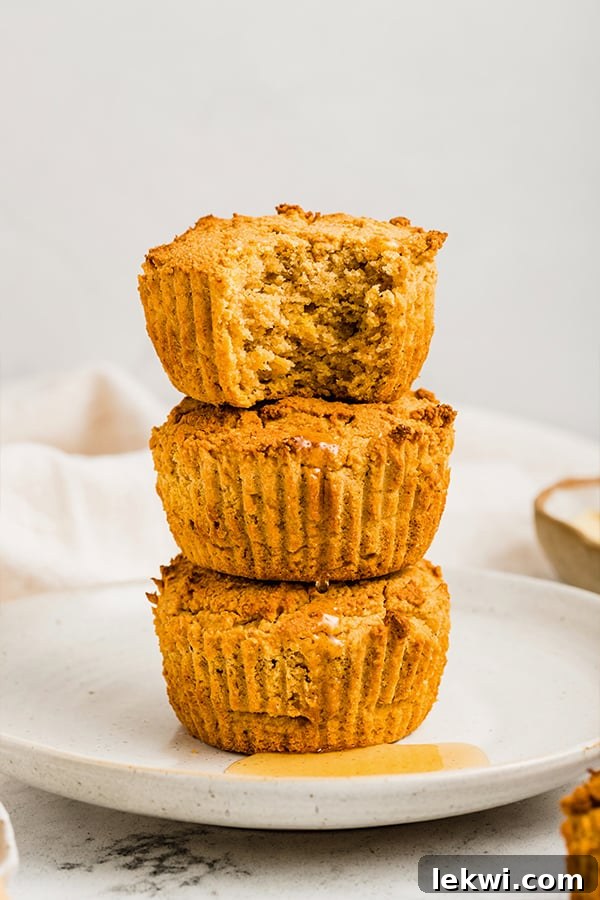
Craving the comforting taste of cornbread but sticking to a grain-free, paleo, or AIP diet? You’re in luck! This revolutionary recipe for grain-free cornbread muffins delivers all the warmth, texture, and subtle sweetness you adore in traditional cornbread, without a single kernel of corn. These delightful muffins are not only gluten-free and paleo-friendly but also suitable for the Autoimmune Protocol (AIP), making them an inclusive treat for many dietary needs. Prepare to be amazed at how these wholesome, nutrient-dense muffins can perfectly mimic your favorite classic.
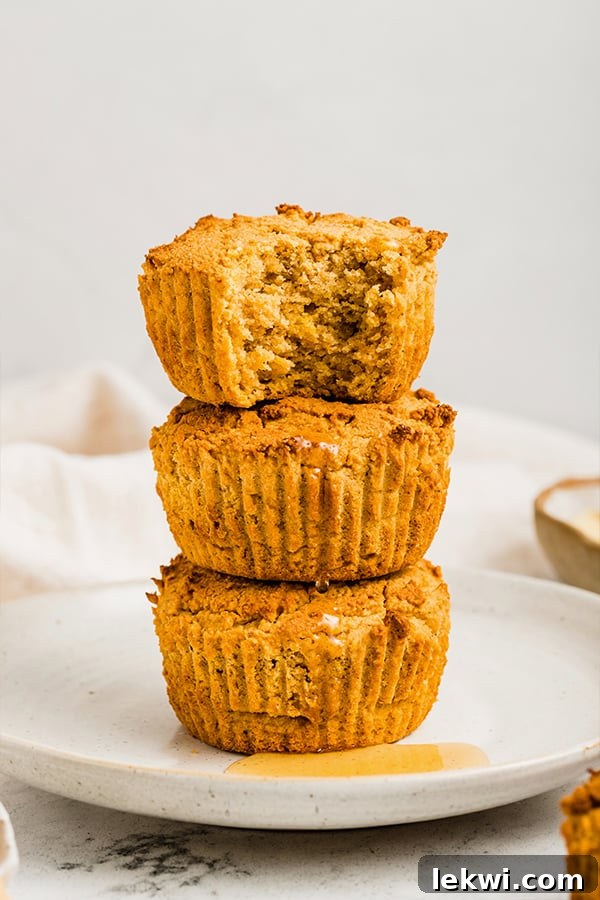
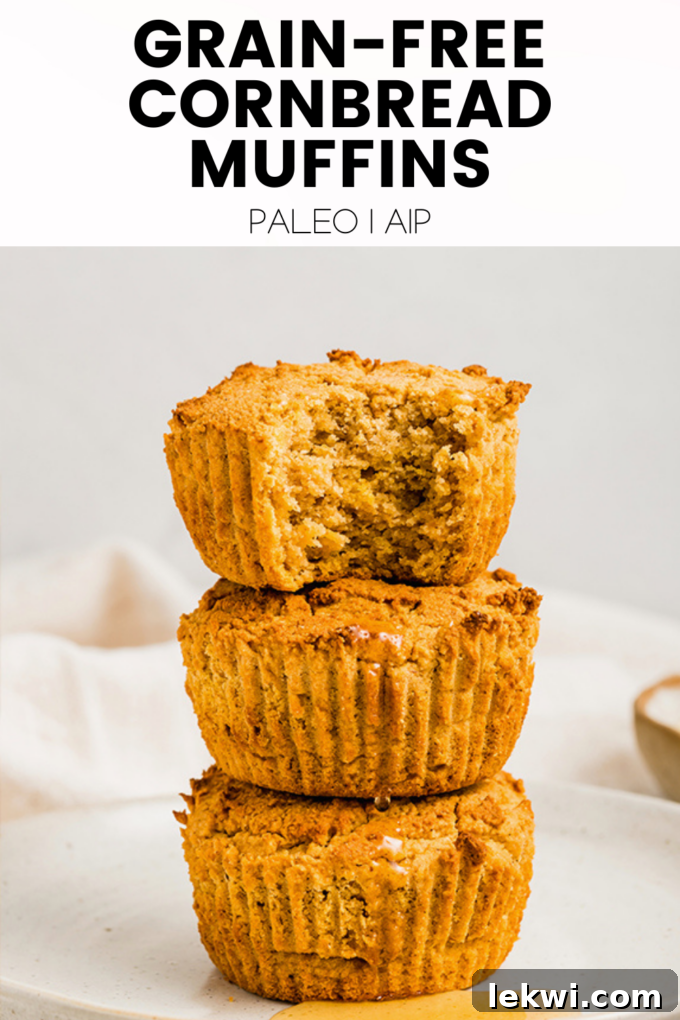
The Best Grain-Free Cornbread Muffins: Paleo & AIP Friendly
The very phrase “grain-free cornbread” might sound like an oxymoron, a culinary paradox. How can you have cornbread without corn, which is, by definition, a grain? For those committed to a grain-free lifestyle, particularly the Paleo or Autoimmune Protocol (AIP) diets, missing certain staple foods like cornbread can be a genuine challenge. Corn is often one of the most frequently missed ingredients, especially during holidays or family gatherings where cornbread often takes center stage. But what if we told you it’s possible to enjoy that beloved cornbread experience, crumbly texture, and subtly sweet flavor without compromising your dietary principles?
These Grain-Free Cornbread Muffins are a game-changer. You’ll be genuinely surprised by how closely they resemble the real deal in taste and texture. Our secret lies in a clever combination of alternative flours, natural sweeteners, and a few ingenious ingredient swaps that deliver that quintessential cornbread essence. Made with creamy sweet potato puree, a blend of grain-free flours, homemade dairy-free buttermilk, and a touch of honey, these muffins are not only gluten-free, dairy-free, and paleo but also egg-free and entirely AIP compliant. They offer a comforting solution for anyone seeking a delicious, wholesome alternative to traditional cornbread.
Crafting the Perfect Texture and Flavor: Key Ingredients
Achieving the authentic taste and texture of cornbread without corn requires a thoughtful selection of ingredients. Each component in this recipe plays a crucial role in mimicking the qualities we love about traditional cornbread, while adhering to grain-free, paleo, and AIP guidelines. Let’s delve into the star players:
Flour Blend for Grain-Free Goodness
- Tigernut Flour: This is a cornerstone ingredient for many grain-free and nut-free recipes, and it shines here. Tigernuts are not actually nuts, but rather small tubers, making their flour naturally nut-free and AIP-friendly. It offers a slightly sweet, earthy flavor and a fine texture that beautifully complements this recipe, creating a mouthfeel similar to almond flour but without the allergens. It’s essential for the crumb structure.
- Tapioca Starch: A fantastic gluten-free binder, tapioca starch (also known as tapioca flour) is key to holding these muffins together and giving them a pleasant chewiness. It contributes to a lighter texture and helps prevent them from becoming too dense. If you don’t have tapioca starch, arrowroot starch is a perfect 1:1 substitute.
- Coconut Flour: Known for its high fiber content and remarkable absorbency, coconut flour is vital for giving these muffins that signature crumbly, slightly coarse texture that is characteristic of cornbread. It helps achieve a drier, more rustic feel compared to other flours, but use it sparingly as it can make baked goods dry if overused.
Moisture, Sweetness, and Structure
- Coconut Milk & Apple Cider Vinegar (Dairy-Free Buttermilk): Together, these two ingredients create a homemade dairy-free buttermilk substitute. The acidity from the apple cider vinegar reacts with the coconut milk, causing it to curdle slightly and become thicker, mimicking the tang and richness of traditional buttermilk. This reaction is also crucial for activating the baking powder, contributing to the muffins’ rise and tenderness.
- Baking Powder and Salt: Standard leavening and flavor enhancers. Baking powder ensures a good rise and light texture, while a pinch of salt balances the sweetness and enhances all the other flavors.
- Palm Shortening: This ingredient is key to achieving a truly “cakey” and moist texture in your muffins. Palm shortening provides a richness and tender crumb that is difficult to replicate with liquid oils. Its solid fat content helps create air pockets and contributes to a wonderfully soft interior.
- Honey: For a delicate, natural sweetness that perfectly complements the subtle flavors of the flours and sweet potato. Adjust the amount to your preference, but the recommended quantity provides a balanced sweetness without being overpowering.
- Canned Sweet Potato Puree: More than just a flavor enhancer, sweet potato puree adds natural sweetness, moisture, and a beautiful golden hue to the muffins, reminiscent of corn. It also acts as a binder. While pumpkin puree can be used as a substitute, be aware that it might subtly alter the flavor profile. Ensure your puree is unsweetened and smooth.
- Water: Used for creating the gelatin egg, ensuring the right consistency.
- Gelatin (Egg-Free Binder): For those avoiding eggs, gelatin is an excellent binder. When prepared correctly, it creates a “gelatin egg” that functions similarly to a traditional egg, helping to hold the muffins together and provide structure. We recommend a high-quality, unflavored gelatin brand like Vital Proteins.
Step-by-Step Guide to Baking Your Grain-Free Cornbread Muffins
Making these delicious and diet-friendly cornbread muffins is a straightforward process. Follow these detailed instructions to ensure a perfect batch every time. The key is in proper measurement and gentle mixing.
- Prepare Your Baking Station: Begin by preheating your oven to 350°F (175°C). Line a standard muffin tin with 6 to 7 muffin liners. Lightly grease each liner with a non-stick cooking spray to prevent sticking, especially with grain-free batters.
- Create Dairy-Free Buttermilk: In a small bowl, combine the ¼ cup of coconut milk with 1 teaspoon of apple cider vinegar. Stir gently and set aside for 5-10 minutes. This allows the milk to curdle slightly, forming a rich, tangy dairy-free buttermilk that will add depth of flavor and help activate your leavening agents.
- Combine Dry Ingredients: In a large mixing bowl, sift together the tigernut flour, tapioca starch, and coconut flour. Sifting is crucial for grain-free flours to remove lumps and ensure a light, even texture in your muffins. Once sifted, stir in the baking powder and a pinch of salt until well combined.
- Incorporate Wet Ingredients: To the bowl with your dry ingredients, add the palm shortening, honey, and canned sweet potato puree. Begin to stir them in, but do not fully combine yet.
- Prepare the Gelatin Egg: This is a crucial step for an egg-free recipe. In a small pot, add ¼ cup of water and sprinkle the 1 tablespoon of gelatin over it. Let it sit for a few minutes to “bloom” or harden. Then, place the pot over low heat on the stove, stirring continuously until the gelatin completely liquefies. This should only take 1-2 minutes. Do not let it boil. Once liquid, immediately use a whisk or a milk frother to froth the mixture until it becomes very bubbly and frothy.
- Add Gelatin Egg and Remaining Wet Ingredients: Promptly pour the frothy gelatin egg into your muffin batter. Add the prepared coconut milk and apple cider vinegar mixture (your dairy-free buttermilk) to the batter as well. Stir everything together gently until just combined. Be careful not to overmix; overmixing can lead to tough muffins. A few small lumps are perfectly fine.
- Fill Muffin Liners: Using a cookie scoop or a spoon, evenly distribute the batter among the 6-7 prepared muffin liners. Fill each liner about two-thirds full.
- Bake to Golden Perfection: Carefully transfer the muffin tin to your preheated oven. Bake for approximately 35 minutes, or until the muffins are golden brown and a toothpick inserted into the center comes out clean.
- Cool and Enjoy: Once baked, remove the muffins from the oven. Carefully transfer them to a wire cooling rack and allow them to cool completely before serving. This step is important as grain-free muffins continue to set and firm up as they cool, improving their texture and preventing them from crumbling.
Tips for Muffin-Making Success
Even experienced bakers can benefit from a few specialized tips when working with grain-free and alternative flours. Here’s how to ensure your Grain-Free Cornbread Muffins turn out perfectly every time:
- Accurate Measurements: Grain-free baking is often more sensitive to ingredient ratios. Use a kitchen scale for flours if possible, or ensure you’re using the ‘spoon and level’ method for measuring dry ingredients (spoon flour into a measuring cup and level off with a straight edge, don’t scoop directly from the bag).
- Don’t Overmix: Overmixing develops gluten in traditional baking, but even with grain-free flours, it can lead to tough or dense results. Mix until just combined.
- Cool Completely: Resist the urge to dive in immediately! Grain-free muffins need time to set and firm up. Cooling on a wire rack allows air to circulate, preventing sogginess and ensuring the best texture.
- Ingredient Temperature: For best results, ensure your wet ingredients, especially the sweet potato puree and coconut milk, are at room temperature. This helps them incorporate more smoothly with the other ingredients.
- Freshness of Leavening Agents: Make sure your baking powder is fresh for optimal rise.
Variations and Customizations
While delicious as is, these grain-free cornbread muffins offer a fantastic base for creativity. Here are a few ideas to customize them, keeping AIP principles in mind:
- Adjusting Sweetness: If you prefer a less sweet muffin, you can slightly reduce the amount of honey. For a touch more indulgence, a drizzle of extra honey or maple syrup (if tolerated) just before serving is delightful.
- Savory Enhancements: For a savory twist, consider adding dried AIP-friendly herbs like thyme or rosemary to the dry ingredients. Finely minced chives or green onions could also be folded into the batter for a fresh, aromatic flavor (ensure all additions are AIP compliant if strictly following the protocol).
- Fruitful Add-ins: If you’re not strictly AIP, or once you’ve successfully reintroduced certain foods, small amounts of fresh or frozen (and thawed) berries like blueberries or chopped apples could be gently folded into the batter for a fruity touch.
Serving Suggestions
These Grain-Free Cornbread Muffins are incredibly versatile and can be enjoyed in various ways. Their hearty texture and comforting flavor make them suitable for any meal:
- The Classic Pairing: Serve them warm alongside a bowl of hearty chili, a comforting stew, or a delicious soup for a truly satisfying meal.
- Breakfast Bliss: Enjoy them for breakfast with a dollop of your favorite dairy-free butter alternative or a drizzle of honey.
- Holiday Staple: They make an excellent addition to your holiday spread, offering a diet-friendly alternative to traditional bread rolls or stuffing.
- Snack Time: Perfect as a grab-and-go snack to fuel your day.
Frequently Asked Questions About Grain-Free Cornbread Muffins
We understand you might have questions about making substitutions or tweaks to this specialized recipe. Here are answers to some common inquiries:
Why are these muffins grain-free, paleo, and AIP?
These muffins are specifically designed to cater to individuals following grain-free, Paleo, and Autoimmune Protocol (AIP) diets. This means they are free from grains (like corn, wheat, oats), dairy, gluten, eggs, nuts, and refined sugars, using specific flours and binders that are compliant with these dietary restrictions. They offer a delicious solution for those with food sensitivities or autoimmune conditions who wish to enjoy comforting baked goods.
Can I make these muffins without coconut flour or coconut milk?
Coconut flour is integral to achieving the unique crumbly texture that makes these muffins taste like cornbread. Its high absorbency and specific fiber structure are hard to replicate with other flours, so we do not recommend substituting it directly. Similarly, coconut milk is essential for creating the dairy-free “buttermilk” flavor and providing the necessary moisture and fat. While another dairy-free milk might work for the liquid component, the overall texture and flavor profile would likely change significantly.
Can you use coconut oil instead of palm shortening?
Palm shortening plays a specific role in lending a wonderfully cakey, moist, and tender texture to these muffins. It’s a solid fat at room temperature, which contributes to structure and richness in a way that liquid coconut oil (which melts at a lower temperature) cannot. Substituting coconut oil may result in a denser, greasier muffin with a less desirable texture. For the best results, we highly recommend sticking with palm shortening.
Can you use regular mashed sweet potato instead of canned sweet potato puree?
Yes, you can use homemade mashed sweet potato, but there are a few considerations. Canned sweet potato puree tends to be very smooth and consistent in texture and moisture content. If using fresh mashed sweet potato, ensure it is thoroughly cooked, well pureed (without any chunks or strings), and as smooth as possible. It might also be a bit thicker than canned puree, so you may need to thin it out with an extra tablespoon or two of coconut milk to achieve the correct batter consistency.
Can you use pumpkin puree instead of sweet potato puree?
Absolutely! Pumpkin puree is a suitable substitute for sweet potato puree in this recipe. While it will work just the same in terms of moisture and binding, it will impart a slightly different flavor profile. The muffins might have a more pronounced pumpkin flavor, which is still delicious, but be aware of the change. Ensure it’s unsweetened pumpkin puree.
How should I store these muffins?
Once completely cooled, store your grain-free cornbread muffins in an airtight container at room temperature for up to 2-3 days. For longer storage, you can freeze them for up to 1-2 months. Thaw them at room temperature or gently warm them in the oven or microwave before serving for the best experience.
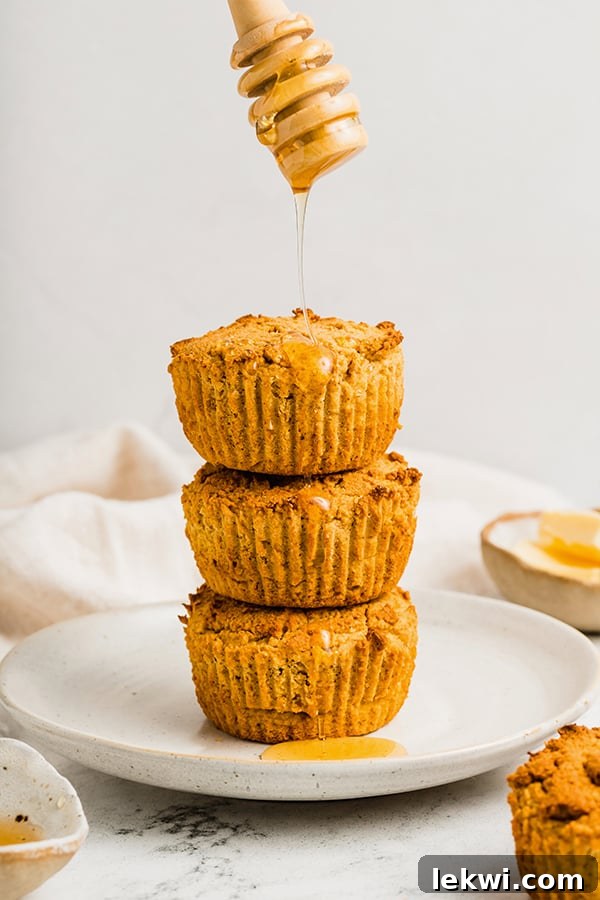
Essential Recipe Details: Grain-Free Cornbread Muffins (Paleo, AIP)
Here’s a concise overview of the recipe for quick reference:
Yield: 6-7 muffins
Prep Time: 20 mins
Cook Time: 35 mins
Total Time: 55 mins
Author: Michelle
Ingredients
- ¼ cup coconut milk
- 1 tsp apple cider vinegar
- 1 cup tigernut flour
- ¼ cup tapioca starch
- 3 tbsp coconut flour
- 1 tsp baking powder
- Pinch of salt
- 2 tbsp palm shortening
- 3 tbsp honey
- ¼ cup canned sweet potato purée
- ¼ cup water
- 1 tbsp gelatin (e.g., Vital Proteins)
Instructions
- Preheat the oven to 350°F (175°C) and line a muffin tin with 6-7 lightly greased liners.
- Combine the coconut milk and apple cider vinegar in a small bowl; set aside to make dairy-free buttermilk.
- In a large bowl, sift together tigernut flour, tapioca starch, and coconut flour. Stir in the salt and baking powder.
- Add the palm shortening, honey, sweet potato puree, and the prepared coconut milk mixture to the dry ingredients. Stir partially.
- To prepare the gelatin egg: Add ¼ cup of water to a small pot and sprinkle over the gelatin. Allow it to bloom for a few minutes. Place on low heat and stir until liquid (1-2 minutes). Whisk or froth until very frothy, then immediately add to the batter and stir quickly to combine.
- Use a cookie scoop to fill the muffin liners about two-thirds full with the batter, yielding 6-7 muffins.
- Transfer to the oven and bake for 35 minutes, or until golden brown and a toothpick comes out clean.
- Carefully transfer the muffins to a cooling rack and allow them to cool completely before serving.
Notes
All nutrition facts are estimated and will vary based on exact ingredients and brands used.
Nutrition Information (Estimated Per Muffin)
Serving: 1 muffin, Calories: 184kcal, Carbohydrates: 24.7g, Fat: 10.7g, Fiber: 3.2g
You’ll also love these wholesome, diet-friendly recipes:
- Delightful Paleo Pumpkin Muffins
- Flavorful AIP Garlic and Herb Bread Rolls
- Hearty Gluten-Free Stuffing
Recipe by Michelle, Unbound Wellness. Photos by Eat Love Eats