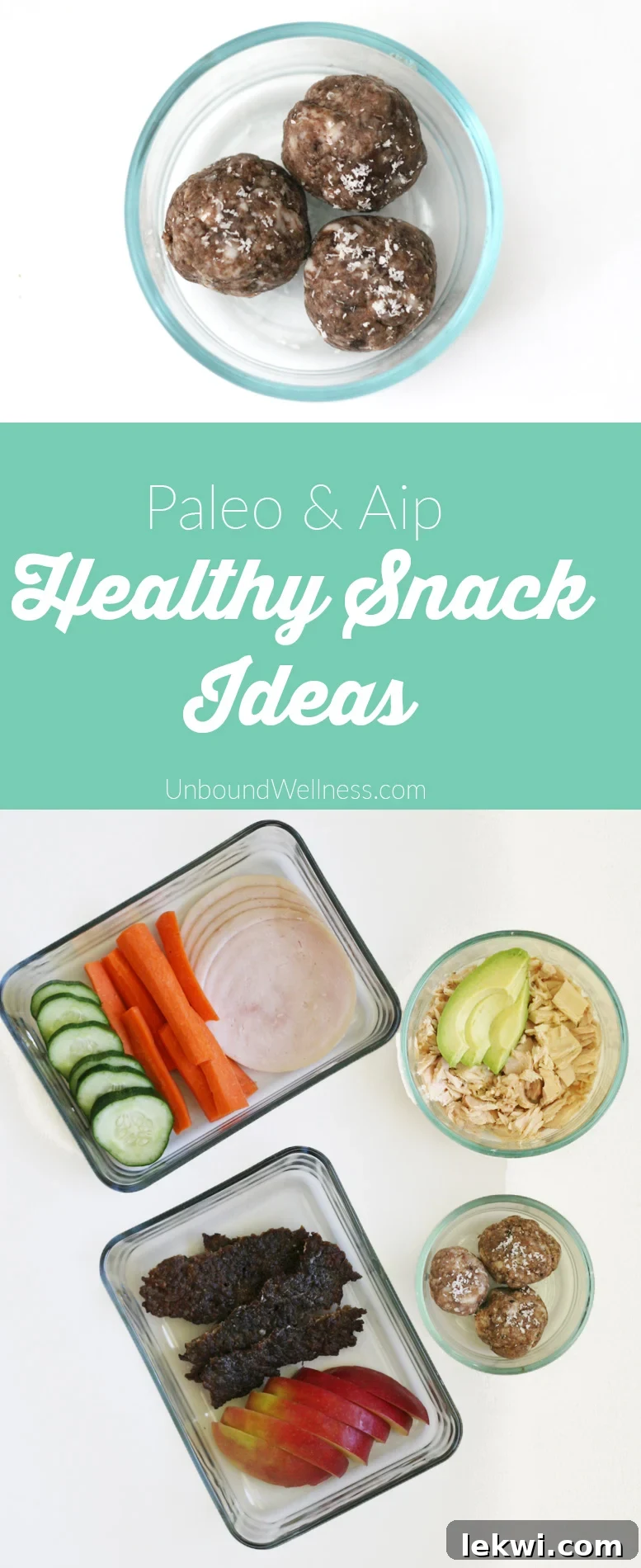
Snacks hold a special place in our daily routines. They’re those delightful, often portable bites that break up the monotony of the day, offering a quick pick-me-up or a moment of enjoyment. From cherished memories of school lunch breaks to essential workday escapes, it’s hard to deny the universal appeal of a well-timed snack. Yet, in our fast-paced world, the convenience of pre-packaged options often comes at a steep price, not just for our wallets, but for our health.
Especially for those following specific dietary protocols like Paleo, AIP (Autoimmune Protocol), or gluten-free, the market for “healthy” convenience snacks can be bewilderingly expensive and surprisingly unhealthy. Many processed foods, even those marketed as allergen-friendly, are still loaded with fillers, unhealthy oils, and hidden sugars that counteract any potential health benefits. It’s not uncommon to see a significant portion of a grocery budget vanish on these items, which ultimately do little to promote genuine wellness. This is precisely why embracing the art of making healthy, homemade AIP and Paleo snacks is not just a preference, but a vital strategy for saving money, maintaining dietary compliance, and truly supporting your body’s needs.
As a Nutritional Therapy Practitioner, my work involves guiding clients toward sustainable dietary habits that foster healing and vibrant health. A core part of this guidance includes crafting comprehensive meal plans that thoughtfully incorporate snack ideas, recipes, and practical tips. This often leads to a common question: if many health circles demonize snacking, why do I advocate for it with my clients?
Unpacking the Truth: Why Snacking Isn’t Universally “Unhealthy”
Snacking has undeniably developed a reputation as an unhealthy, often unnecessary habit. And to some extent, this perception holds truth. However, the blanket statement that “snacking is bad” oversimplifies a nuanced topic. The reality is, not everyone inherently *needs* snacks, and improper snacking can indeed be detrimental.
For instance, continuous, mindless snacking, particularly on processed or high-sugar foods, can overburden your digestive system. Digestion is an intricate process that thrives in a state of rest and relaxation. Constantly introducing food, especially while on the go or under stress, disrupts this natural rhythm. This can lead to digestive distress, poor nutrient absorption, and over time, contribute to significant gut health issues. Moreover, if your snacks primarily consist of nutrient-poor junk food, you’re merely adding empty calories and exacerbating potential health problems without any real benefit. So, for many, especially those with robust metabolic health and no specific dietary needs, constantly grazing might not be the optimal approach.
However, a significant portion of my clientele presents with underlying blood sugar dysregulation, often without even realizing it. This imbalance can manifest as persistent sugar cravings, debilitating energy crashes, unpredictable mood swings, hormonal imbalances, and even contribute to chronic gut issues. When the goal is to stabilize blood sugar and promote healing, strategic snacking becomes an invaluable tool. Abrupt drops and spikes in blood sugar can hinder the body’s recovery process, perpetuating a cycle of dysfunction. Incorporating balanced, healthy homemade snacks – particularly those aligned with Paleo or AIP principles, which are typically low in refined carbohydrates and rich in protein and healthy fats – can effectively mitigate these fluctuations. These snacks help maintain stable blood glucose levels, providing sustained energy and supporting overall metabolic health.
Another common argument suggests that simply consuming more fat at main meals eliminates the need for snacks. While it’s true that adequate healthy fats at meals can significantly increase satiety and potentially reduce the urge to snack, this approach isn’t always immediately feasible for everyone. Many of my clients also grapple with compromised digestive function, making it challenging to suddenly increase fat intake without experiencing discomfort. Our work together involves a careful and gradual process: mindfully increasing healthy fats in their diet, often supplemented with digestive enzymes, and introducing foods that naturally support fat digestion. The human body possesses an incredible capacity for balance and healing, and I frequently observe remarkable improvements in my clients’ digestive capabilities within weeks. Yet, this transition requires time and intentional effort. Not everyone can instantly shift from relying on carbohydrates for energy to becoming efficient fat burners overnight. In such interim phases, thoughtfully chosen snacks play a crucial role in bridging nutritional gaps and supporting the healing journey.
Ultimately, while I strongly advocate for nourishing, satiating main meals and don’t believe daily snacking is a universal requirement, snacks can be perfectly beneficial when consumed in the right context and when they consist of the right types of food. The key lies in mindful selection and timing. So, how does one approach snacking in a truly healthy way?
Mastering Healthy Snacking: A Practical Guide
The concept of “healthy snacks” is often distorted by marketing and popular media. Many widely promoted options, like certain protein bars or pre-packaged peanut butter packets, are far from health-promoting, despite their clever branding. Even during my initial studies to become a registered dietitian before pivoting to Nutritional Therapy, some of the recommendations for healthy snacks I encountered were genuinely surprising. To truly snack smart, it’s essential to adopt a more informed and intentional approach:
1. Prioritize Balance in Your Snacks:
The vast majority of commercially available snacks are predominantly refined carbohydrates and sugars, even those that boast “high protein” claims often have hidden sugars and unhealthy additives. A truly healthy snack should be a microcosm of a balanced meal, incorporating a thoughtful mix of macronutrients: protein, healthy fats, and complex carbohydrates. Protein is crucial for satiety and muscle repair, healthy fats provide sustained energy and aid in nutrient absorption, and complex carbohydrates offer essential vitamins, minerals, and fiber. Snacks balanced in this way (like the homemade options discussed below) are far more effective at keeping you feeling full and satisfied for longer, preventing the typical blood sugar roller coaster that leads to cravings and energy crashes.
2. Consume Snacks Only When Genuinely Needed:
As highlighted earlier, snacks serve a specific purpose, especially for those working on blood sugar regulation or individuals experiencing legitimate hunger between meals. This doesn’t imply a mandate for three snacks a day. The goal is to cultivate an awareness of your body’s signals. Differentiate between true physiological hunger – a rumbling stomach, low energy – and other triggers like boredom, stress, or emotional cravings. Snacking out of habit or for entertainment negates its potential benefits and can contribute to overeating. Practice mindful eating: check in with your body before reaching for a snack, and if you’re not truly hungry, explore alternative ways to address your underlying need.
3. Never Let Snacks Replace Whole Meals:
In a society often preoccupied with restrictive dieting, it’s tempting to rely on protein bars, small bowls of cereal, or other snack-sized portions as substitutes for complete meals. This approach is highly detrimental. Not only does it typically lead to inadequate nutrient intake, but it can wreak havoc on your blood sugar stability and gut health. Moreover, such “meals” are rarely satisfying. The profound physical and psychological satisfaction that comes from sitting down to a nourishing, well-balanced meal – one that keeps you full and energized for hours – is incomparable to nibbling on snack bars all day. Snacks are meant to *supplement* your meals, not supplant them. Ensure your main meals are rich in whole, unprocessed foods that provide ample protein, healthy fats, and fiber to support long-term health and satiety.
4. Embrace the Power of Homemade Snacks:
The economic burden and dubious health claims of processed snacks are compelling reasons to opt for homemade alternatives. By preparing your snacks at home, you gain complete control over the ingredients. This means you can actively avoid inflammatory oils, excessive sugars, artificial flavors, preservatives, and allergens. Making snacks from scratch also offers significant cost savings, allowing you to allocate your grocery budget more efficiently towards high-quality, whole ingredients. Far from being a chore, making homemade snacks can be a creative, enjoyable, and empowering part of your health journey. With a little planning and these simple ideas, it’s entirely doable to keep your fridge and pantry stocked with delicious, health-promoting options.
Making homemade snacks can be easy, fun, and totally doable with some of these ideas! Let’s explore some excellent AIP and Paleo-friendly options that are perfect for when you’re on the go.
Wholesome & Portable: Healthy Homemade AIP & Paleo Snacks for Your Day
Navigating the world of healthy eating while on the move can be a challenge, but it doesn’t have to be. These carefully selected homemade snack ideas are designed to be convenient, delicious, and perfectly align with AIP and Paleo dietary principles, ensuring you stay nourished and satisfied wherever your day takes you.
Homemade Beef Jerky and Apples
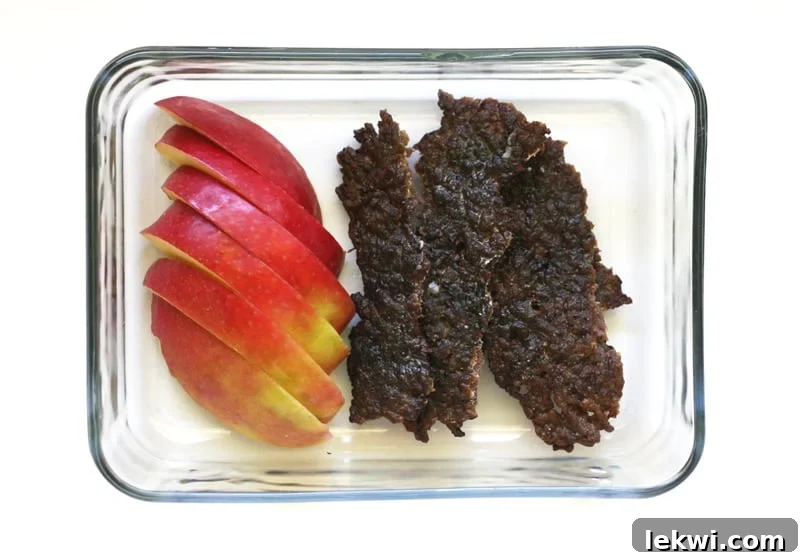
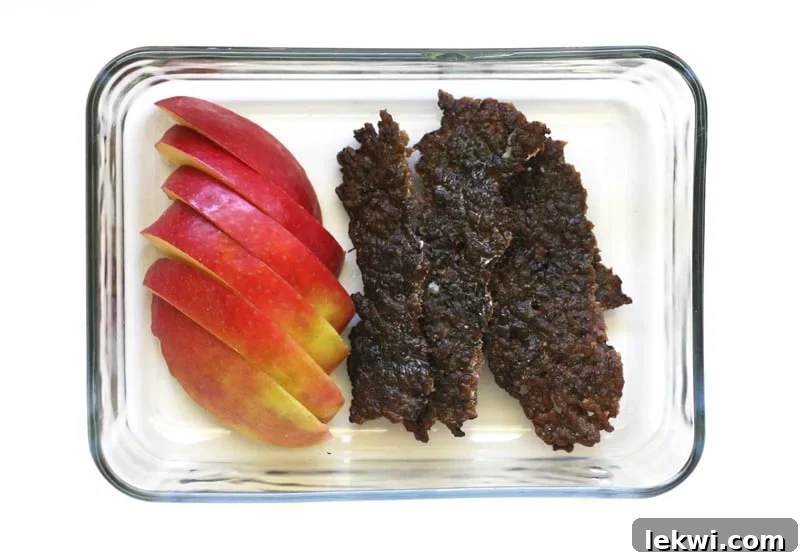
Don’t be intimidated by the idea of making your own beef jerky; it’s significantly simpler than it sounds and yields a far superior product to anything store-bought. I personally utilize a straightforward method, similar to this ground beef jerky recipe, which can conveniently be prepared and left to dehydrate in your oven overnight. This ensures a preservative-free, high-quality protein source. Pair a serving of this savory, protein-rich jerky with half an apple for a perfect blend of sustained energy and natural sweetness. The protein and healthy fats in the jerky, combined with the fiber and vitamins from the apple, create an incredibly satiating and blood-sugar-friendly snack that keeps you full for hours.
Turkey and Sliced Veggies
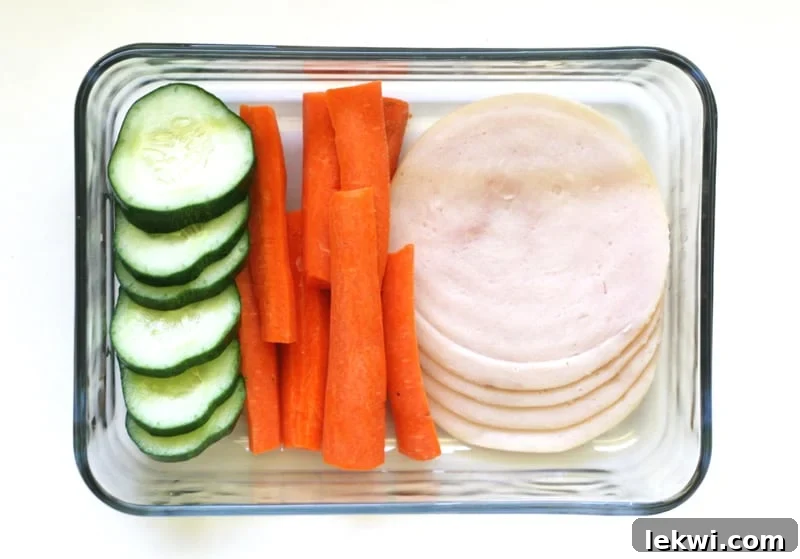
While sourcing truly high-quality, additive-free deli meat can be challenging, it’s worth the effort for occasional use. Look for brands that offer organic, pasture-raised turkey with no added sugars, nitrates, or undesirable preservatives. When you find a good source, a few slices of quality turkey wrapped around crisp, sliced vegetables like cucumbers, bell peppers (if tolerated on AIP), or carrots makes for an exceptionally easy and nutritious snack. This combination provides lean protein from the turkey and a wealth of vitamins, minerals, and fiber from the veggies. It’s an ideal option for a quick, balanced snack that requires minimal preparation and helps to keep cravings at bay without relying on processed alternatives.
Wild Caught Tuna and Avocado
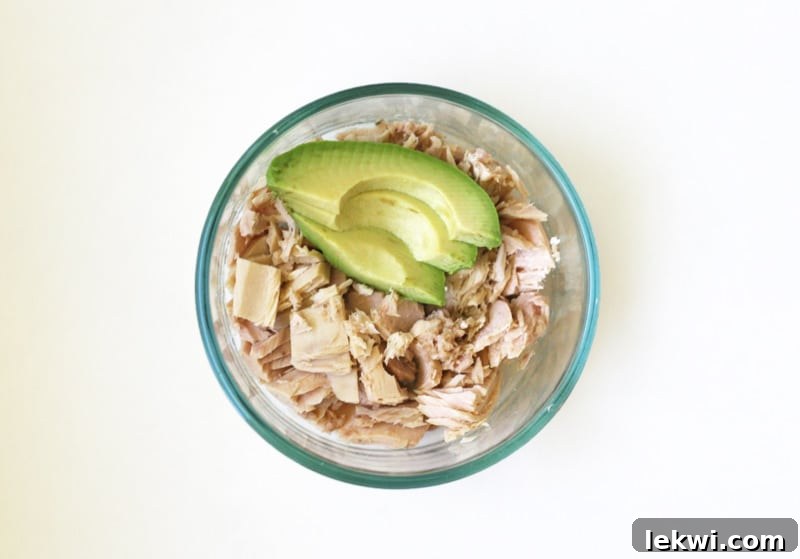
For a powerhouse protein and healthy fat combination, wild-caught tuna mixed with creamy avocado is an outstanding choice. The avocado provides a rich, smooth texture, often mimicking the consistency of mayonnaise without any of the questionable ingredients. Opt for tuna packed in water or olive oil, and ensure it’s wild-caught for superior nutrient content and lower mercury levels. Simply mash a quarter to half an avocado with a can of drained tuna, add a pinch of salt and pepper (if desired), and enjoy! This snack is incredibly effective at promoting satiety and is excellent for maintaining stable blood sugar levels, making it a perfect mid-day fuel source that’s both delicious and incredibly nourishing.
Chocolate-y Collagen Protein Bites
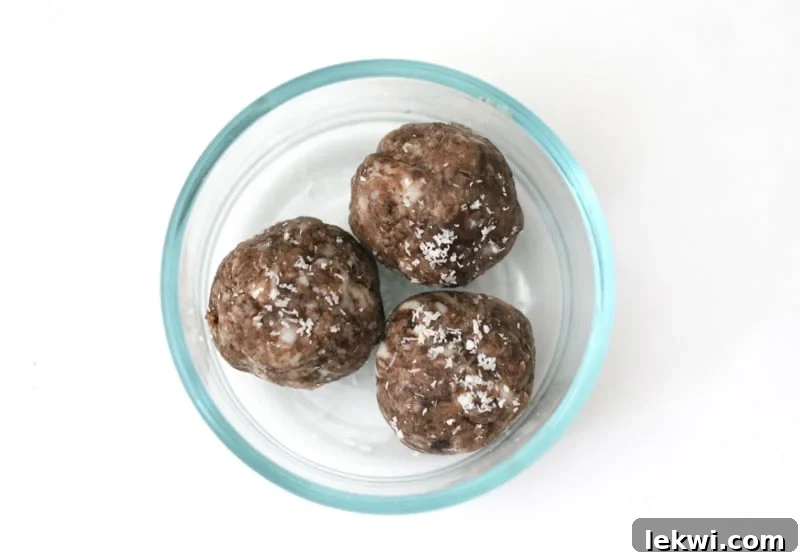
Who says healthy snacks can’t feel like a treat? These delightful protein bites are based on my own highly popular recipe, crafted with a blend of nutrient-dense coconut butter, gut-healing collagen peptides, and carob powder for a subtle, naturally sweet, chocolate-like flavor. Collagen is renowned for its benefits to gut health, skin, and joints, while coconut butter provides healthy fats for sustained energy. These bites offer a fantastic way to satisfy a sweet craving without derailing your health goals. They are incredibly effective at keeping you feeling full and deeply satisfied, making them an ideal choice for a nutrient-dense, guilt-free indulgence that supports both your palate and your well-being.
Cinnamon Banana and Coconut Butter
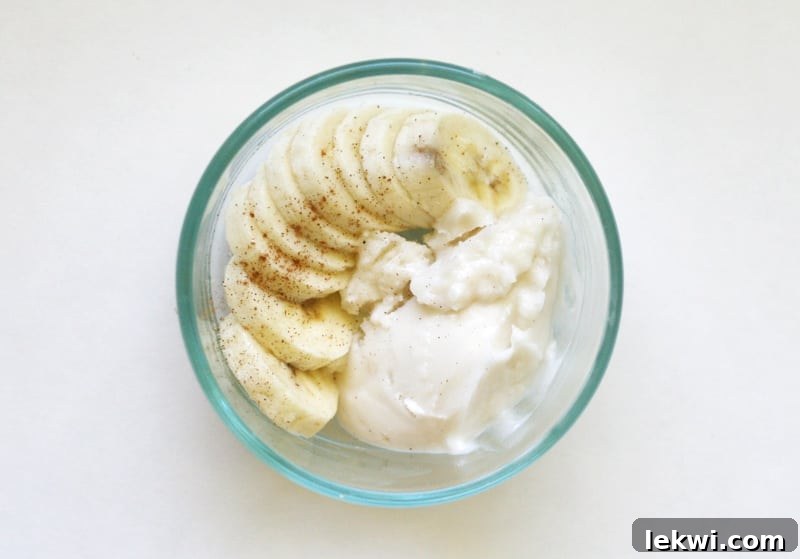
This particular snack comes closest to feeling like a decadent dessert, and while bananas do contain natural sugars and might elevate blood sugar slightly more than other options, the addition of healthy fats and cinnamon helps to modulate this response. The combination of ripe banana, warming cinnamon, and rich coconut butter creates a creamy, almost cake batter-like consistency and taste that is utterly satisfying. Cinnamon is known for its blood sugar-stabilizing properties, and coconut butter provides an excellent source of medium-chain triglycerides (MCTs) for quick, clean energy. This snack is perfect for those moments when a sweet craving strikes, offering a wholesome and delicious way to indulge without compromising your dietary principles. It’s a wonderful example of how mindful food choices can be both incredibly tasty and supportive of your health goals.