
Do you often find yourself battling uncomfortable digestive issues? Perhaps it’s that post-meal bloat that leaves you feeling sluggish, mysterious stomach aches that seem to have no obvious cause, or persistent fatigue even after a good night’s sleep. If these experiences resonate with you, understand that you are far from alone. Millions grapple with various forms of digestive distress, often without realizing the profound impact it has on their overall well-being.
The truth is, stomach troubles are often just the tip of the iceberg. The health of your gut is intimately connected to a surprising range of conditions, from common annoyances like acne and dandruff to more serious systemic issues. Poor digestion can manifest as brain fog, contribute to difficulties in managing weight, exacerbate skin conditions, and even play a role in mood disorders like depression. Moreover, the latest scientific research increasingly highlights the gut’s central role in chronic inflammation and the development of autoimmune diseases, such as Hashimoto’s thyroiditis.
The Gut-Body Connection: Why Gut Health is Non-Negotiable, Especially for Autoimmunity
The ancient wisdom of Hippocrates, who famously declared, “All disease begins in the gut,” continues to gain profound validation in modern medicine. This isn’t merely an old adage; it’s a fundamental principle of human health. A staggering 80-90% of our immune system resides within our digestive tract, acting as a crucial first line of defense against pathogens and environmental toxins. Furthermore, the very nutrients essential for our vitality – vitamins, minerals, and amino acids – are absorbed through the delicate lining of our stomach and intestines. When this intricate system is compromised, the consequences can ripple throughout the entire body.
For individuals facing autoimmune conditions like Hashimoto’s, Crohn’s disease, or rheumatoid arthritis, addressing gut health is not just beneficial; it’s often a critical pathway to symptom management and remission. A compromised gut barrier, often referred to as “leaky gut,” can allow undigested food particles, toxins, and microbes to enter the bloodstream, triggering systemic inflammation and an overactive immune response that can mistakenly attack the body’s own tissues. My personal journey with Hashimoto’s, for example, saw little significant improvement until I prioritized and diligently worked on restoring my gut health. This commitment led to remarkable changes, including the normalization of my thyroid antibody levels and TSH, allowing me to experience renewed energy and vitality. It’s a transformation I’ve witnessed countless times with my clients, helping them move from chronic fatigue and debilitating stomach cramps to feeling truly alive again.
Whether you’re an avid New Year’s resolution maker or simply seeking a profound shift in your health trajectory, making gut health a central focus is perhaps one of the most impactful decisions you can make. It’s an investment in your immune system, your mental clarity, your energy levels, and your long-term well-being. Let’s embark on this journey together to cultivate a thriving inner ecosystem.
10 Powerful Ways to Revolutionize Your Gut Health Today!

Before diving into these transformative tips, it is crucial to state that the information provided here is for educational purposes only and not a substitute for professional medical advice. Addressing complex health concerns, especially those related to gut health and autoimmunity, often requires personalized guidance. Always consult with a qualified healthcare provider or doctor to discuss your specific health situation and before making any significant changes to your diet, lifestyle, or supplement regimen. As an individual sharing personal experience and general wellness strategies, I am not a medical professional, and this content should not be interpreted as medical advice. Now, let’s explore these actionable strategies for optimizing your gut health!
1. Practice Mindful Eating: Chew Your Food Thoroughly and Eat in a Relaxed State
In our fast-paced modern world, meal times have often become another item on a never-ending to-do list. We grab breakfast on the go, scarf down lunch at our desks, and eat dinner while juggling family activities or screen time. This rushed approach, while common, is profoundly detrimental to our digestive health. The key to unlocking optimal digestion and nutrient absorption begins before the food even reaches your stomach: it starts with creating a relaxed eating environment and taking the time to chew your food properly.
Our bodies operate under two primary nervous system states: the “fight or flight” (sympathetic) and the “rest and digest” (parasympathetic). For digestion to function optimally, our bodies need to be firmly in the “rest and digest” mode. When we eat under stress – rushing, distracted, or anxious – our sympathetic nervous system takes over, diverting energy away from digestive processes. This means essential digestive hormones and enzymes are not adequately secreted, leading to incomplete breakdown of food, bloating, gas, heartburn, and post-meal fatigue. Furthermore, insufficient chewing places an unnecessary burden on your stomach, which then has to work harder to break down larger food particles, often leading to indigestion and malabsorption.
To counteract these modern habits, I challenge you to take the “Chill Out & Eat Challenge” at your next meal. This simple yet powerful practice can significantly enhance your digestion and overall gut health:
- Find Your Anchor: Sit at a dedicated table, away from distractions like your desk, car, or couch. This physical separation signals to your brain that it’s time to focus on the meal.
- Unplug and Unwind: Turn off the television, put your phone away, and remove other electronic devices from the table. Give your full attention to the act of eating.
- Engage Your Senses: Take a moment to truly look at your food, appreciate its colors and textures, and inhale its aromas. This sensory engagement primes your digestive system, stimulating saliva production and the release of digestive enzymes. Consider a quick prayer, blessing, or simply a moment of gratitude for your meal.
- Masticate Mindfully: Aim to chew each bite at least 20-30 times, or until the food is a practically liquid consistency before swallowing. This mechanical breakdown is the first crucial step in digestion and helps signal satiety.
- Hydrate Strategically: Reserve most of your liquid intake for before or after the meal. Drinking large amounts of water during meals can dilute stomach acid and digestive enzymes, hindering efficient digestion.
This practice might feel awkward at first, but with consistency, you’ll likely notice remarkable improvements in your digestion, reduced post-meal discomfort, and a greater sense of satisfaction from your food. Your gut will thank you!
2. Embrace Healthy Fats at Every Meal for Optimal Digestion and Gut Lining Integrity
The role of fats in our diet has been widely misunderstood, leading many to shy away from them or opt for highly processed “vegetable oils” in the belief they are healthier. However, industrial vegetable oils such as canola oil, soybean oil, corn oil, and hydrogenated oils like margarine are far from natural. These oils are typically extracted using harsh chemicals, subjected to high-heat processing, and often contain unhealthy omega-6 to omega-3 ratios, making them highly inflammatory to our system. Their unnatural composition can impair our body’s ability to properly digest fats, leading to a cascade of digestive issues.
Healthy fats are absolutely essential for a well-functioning digestive system and a resilient gut lining. Our liver and gallbladder work synergistically to produce and release bile, a vital substance necessary for the emulsification and digestion of fats. When we consume poor-quality fats or insufficient amounts of healthy fats, our bile can become thick, sluggish, and stagnant. This impaired bile flow directly compromises our overall digestion and gut health. Undigested fats are a significant contributing factor to a compromised intestinal lining, commonly associated with “leaky gut,” and can lead to uncomfortable symptoms like bloating, nausea after meals, and nutrient malabsorption (especially for fat-soluble vitamins A, D, E, K). Personal experience confirms this: as a teenager, I woke up nauseated daily for months, a symptom that was directly linked to a diet rich in poor-quality fats.
To support your liver and gallbladder, optimize bile flow, and strengthen your gut lining, it’s imperative to eliminate inflammatory vegetable oils and consciously include healthy, natural fats with every meal. This strategic dietary shift will not only alleviate digestive discomfort but also enhance nutrient absorption and support your entire immune system.
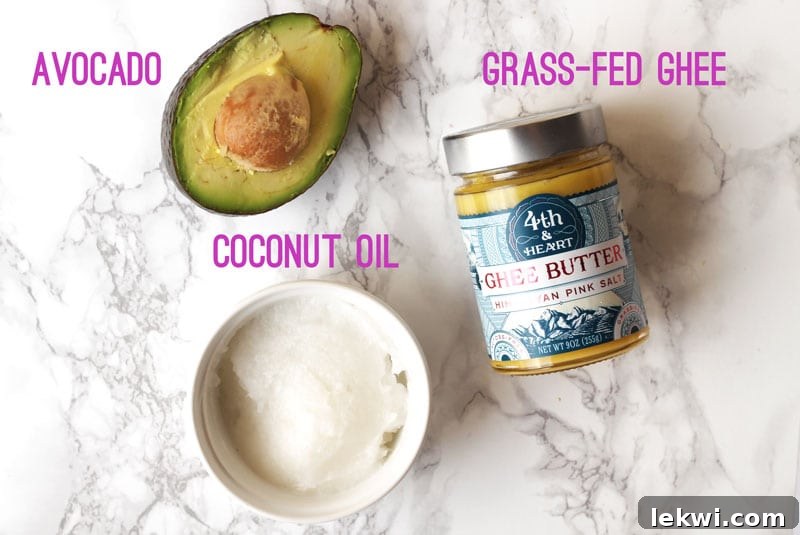
Make a mindful effort to incorporate a variety of beneficial fats into your daily meals. Consider options such as:
- Coconut oil: A source of medium-chain triglycerides (MCTs) that are easily digested and provide quick energy, with antimicrobial properties.
- Grass-fed butter or ghee: Rich in fat-soluble vitamins, butyrate (a short-chain fatty acid beneficial for gut lining), and conjugated linoleic acid (CLA).
- High-quality animal fats: Fats from pastured animals (tallow, lard) are excellent sources of energy and nutrients.
- Avocado and avocado oil: Packed with monounsaturated fats, fiber, and potassium.
- Soaked nuts and seeds (if tolerated): Provide healthy fats, fiber, and micronutrients. Soaking helps reduce anti-nutrients.
- Wild-caught fish: Abundant in omega-3 fatty acids, crucial for reducing inflammation and supporting overall health.
- Extra virgin olive oil: A staple of the Mediterranean diet, rich in monounsaturated fats and antioxidants.
By consistently choosing these wholesome fats, you’ll be actively building healthy bile, keeping it flowing, and significantly contributing to a healthier gallbladder, liver, and a robust digestive system, free from unpleasant nausea and bloating.
3. Cultivate a Thriving Inner Ecosystem: Improve Your Gut Flora with Probiotics and Fermented Foods
The scientific community is just beginning to unlock the profound complexities and immense importance of our gut flora, often referred to as the gut microbiome. Within each of us, billions of microbes – bacteria, fungi, viruses, and other microorganisms – reside in a delicate balance, forming a bustling inner ecosystem. This microbiome is not merely a collection of passengers; it is an active, vital organ that plays a critical role in nutrient absorption, vitamin synthesis, immune system modulation, protection against pathogens, and maintaining the integrity of the gut lining, thereby preventing conditions like leaky gut.
Unfortunately, our modern lifestyles and dietary choices can significantly damage this intricate ecosystem. Common culprits include a diet high in processed foods, sugar, and unhealthy fats, as well as the overuse of antibiotics (which indiscriminately kill both beneficial and harmful bacteria), certain medications like birth control pills, chronic stress, and environmental toxins. Such disruptions can lead to dysbiosis – an imbalance in the gut flora – leaving our digestive system vulnerable and impacting overall health.
As a nutritional therapy practitioner, one of the most frequent questions I encounter revolves around probiotics. And the answer is a resounding yes; incorporating some form of probiotic support is often a powerful step towards restoring and maintaining gut health. Historically, fermented foods have been a cornerstone of human diets across diverse cultures. As highlighted in Weston A. Price’s seminal work, “Nutrition and Physical Degeneration,” traditional indigenous societies consistently consumed fermented foods, recognizing their vital role in health and vitality long before the advent of modern microbiology.
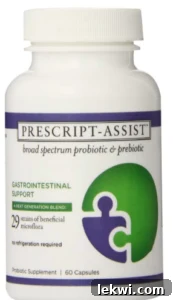
I consistently guide my clients to integrate fermented foods into their daily routine. Whether it’s the tangy crunch of sauerkraut, the spicy kick of kimchi, or a refreshing glass of homemade beet kvass, these foods are teeming with beneficial bacteria that help replenish and diversify your gut microbiome. For those looking to bolster their gut flora further, probiotic supplements can provide concentrated support. While individual needs vary greatly, and it’s always best to consult with a practitioner to find the right strain and strength for you, a soil-based probiotic like Prescript-Assist is one I have personally used and trust, and often recommend to clients seeking comprehensive microbiome support. Remember, a diverse and balanced gut flora is fundamental to a resilient digestive system and a robust immune response.
4. Nourish Your Good Bacteria: Don’t Forget the Prebiotics!
Now that you understand the importance of establishing a healthy community of beneficial gut bacteria through probiotics and fermented foods, the next crucial step is ensuring these good bugs have ample nourishment to thrive. This is where prebiotics come into play. Often confused with probiotics, prebiotics are specific types of dietary fiber that pass undigested through the upper digestive tract and reach the colon, where they serve as a fermentable food source for the beneficial bacteria (probiotics) residing there. Think of prebiotics as the fertilizer that helps your garden of good gut bacteria flourish.
Without adequate prebiotic fiber, even the best probiotic supplements or fermented foods may not yield their full benefits, as the beneficial bacteria introduced into your gut won’t have the sustained nourishment they need to colonize and multiply effectively. Prebiotics stimulate the growth and activity of specific strains of beneficial bacteria, such as Bifidobacteria and Lactobacilli, leading to a more diverse and resilient microbiome. This fermentation process also produces short-chain fatty acids (SCFAs) like butyrate, acetate, and propionate, which are vital for gut health. Butyrate, in particular, is the primary fuel source for the cells lining your colon, helping to maintain gut barrier integrity, reduce inflammation, and even influence gene expression related to gut health and immunity.
Integrating prebiotic-rich foods into your daily diet is a delicious and effective way to feed your gut bacteria and promote their growth. Some excellent sources of prebiotic fiber include:
- Bananas and Plantains: Especially when slightly green, they are rich in resistant starch, a potent prebiotic.
- Jicama: A crisp, refreshing root vegetable packed with inulin, a type of prebiotic fiber.
- Asparagus: Contains fructans, another powerful prebiotic, along with a host of vitamins and minerals.
- Artichoke: Both globe and Jerusalem artichokes are excellent sources of inulin and other beneficial fibers.
- Garlic: Beyond its flavor, garlic contains fructans and galactooligosaccharides (GOS), which support beneficial gut bacteria.
- Onions: Similar to garlic, onions provide fructans that nourish your microbiome.
- Leeks: Part of the allium family, leeks are another great source of prebiotics.
- Chicory Root: Often used as a coffee substitute, chicory root is one of the richest sources of inulin.
- Dandelion Greens: A bitter green that not only provides prebiotics but also supports liver function.
- Apples (with skin): Contain pectin, a soluble fiber with prebiotic effects.
By consistently incorporating a variety of these foods into your meals, you provide your gut bacteria with the sustenance they need to thrive, leading to improved digestive function, enhanced nutrient absorption, a stronger immune system, and overall better gut health. It’s a fundamental step in cultivating a truly robust and balanced inner ecosystem.
5. Strategically Support Digestion: Supplement Wisely with Professional Guidance
Even with diligent dietary and lifestyle changes, our digestive systems can sometimes benefit from targeted support. Modern life, chronic stress, aging, and certain health conditions can all compromise our natural digestive capacity. To this day, I personally utilize and consistently recommend digestive support supplements as a foundational step for many of my clients, recognizing that sometimes we all need a helping hand to optimize our gut function.
However, the world of digestive supplements can be complex, and what works for one person may not be suitable for another. Therefore, the absolute first step is always to collaborate with your own doctor, naturopath, or a qualified nutritional practitioner. They can help assess your specific symptoms, health history, and potential underlying causes of digestive dysfunction, guiding you towards the most appropriate and effective interventions.
That being said, there are a few key areas of digestive support that are often explored and can be profoundly beneficial when used wisely:
- Digestive Enzymes: These are crucial for breaking down food into smaller, absorbable components. Our bodies naturally produce enzymes (amylase for carbs, protease for proteins, lipase for fats), but their production can be inhibited by stress, aging, or pancreatic insufficiency. A broad-spectrum digestive enzyme supplement can assist in the breakdown of all macronutrients. More specifically, consider discussing a fat-digesting enzyme (containing lipase and ox bile) if you experience bloating or discomfort after high-fat meals, or a carbohydrate-digesting enzyme (containing amylase, glucoamylase, or lactase) if you struggle with starch or dairy. Different types of enzymes address different needs, making professional guidance essential.
- Stomach Acid Support (HCl Tablets): Counterintuitively, many common digestive issues like heartburn, acid reflux, bloating, and indigestion are often caused by *too little* stomach acid, not too much. Adequate stomach acid (hydrochloric acid, or HCl) is vital for several reasons: it sterilizes ingested food, kills pathogens, initiates protein digestion, and signals the release of pancreatic enzymes and bile. HCl tablets, often containing betaine HCl, can help normalize stomach acid levels. If considering HCl, it’s vital to start with a very low dose and increase gradually, always under the supervision of a healthcare professional, as it’s not suitable for everyone (e.g., those with active ulcers).
- Digestive Bitters: These traditional remedies, typically herbal tinctures containing bitter compounds, work by stimulating the natural production of digestive juices throughout the entire digestive tract – from saliva to bile and pancreatic enzymes. Taking digestive bitters before a meal can prime your system for digestion, improving appetite, reducing bloating, and enhancing nutrient absorption. They are a gentle yet powerful way to support the body’s innate digestive capabilities and are a fantastic option to explore with your provider.
Remember, supplements are designed to *support* a healthy diet and lifestyle, not replace them. When used judiciously and under professional guidance, targeted digestive support can be a game-changer for many seeking to optimize their gut health and alleviate chronic digestive discomfort.
6. Reclaim Control: Batch Cook Healthy Meals at Home to Nurture Your Gut
In our modern, convenience-driven world, dining out has become a routine for many, yet it often stands as public enemy number one for optimal gut health. Restaurant meals, particularly those from fast-food establishments or even many casual dining spots, are frequently laden with inflammatory vegetable oils, hidden sugars, artificial flavorings, preservatives, and a myriad of other low-quality ingredients that can wreak havoc on our delicate gut ecosystem. The lack of control over ingredients and preparation methods makes it incredibly challenging to eat gut-supportive meals when dining out consistently.
It’s a common lament: individuals committed to a healthy lifestyle often find themselves derailed by poor meal planning, leading to impulsive restaurant choices and subsequent regret. We all lead busy lives, and the excuses for not having time to cook are numerous and often valid. However, embracing home cooking – and doing it smartly – is an absolutely crucial strategy for maintaining and restoring a healthy gut. Cooking at home empowers you with full control over the quality of your ingredients, allowing you to choose organic produce, pastured meats, healthy fats, and to avoid inflammatory additives.
This is where the transformative power of “batch cooking” comes in. Batch cooking involves dedicating a few hours, typically on a weekend, to prepare several components or entire meals that can be consumed throughout the week. This strategy eliminates the daily scramble for food, reduces decision fatigue, and significantly lowers the temptation to opt for unhealthy takeout. It’s an efficient way to ensure you always have nutritious, gut-friendly options readily available, making healthy eating a sustainable reality rather than a fleeting aspiration.
To get started, you don’t need to overhaul your entire kitchen routine. Begin small and build momentum:
- Choose a Protein: Roast a large chicken, prepare a substantial pot roast, or cook a big batch of ground meat that can be used in various dishes.
- Prepare Staples: Cook a big pot of gut-friendly grains (if tolerated, like quinoa or rice), or steam/roast a large quantity of non-starchy vegetables.
- Make a Big Soup or Stew: Soups and stews are perfect for batch cooking. They often taste even better the next day and are incredibly gut-healing, especially when made with homemade bone broth.
- Meal Prep Components: Chop vegetables, prepare salad dressings, or portion out ingredients for easy assembly during the week.
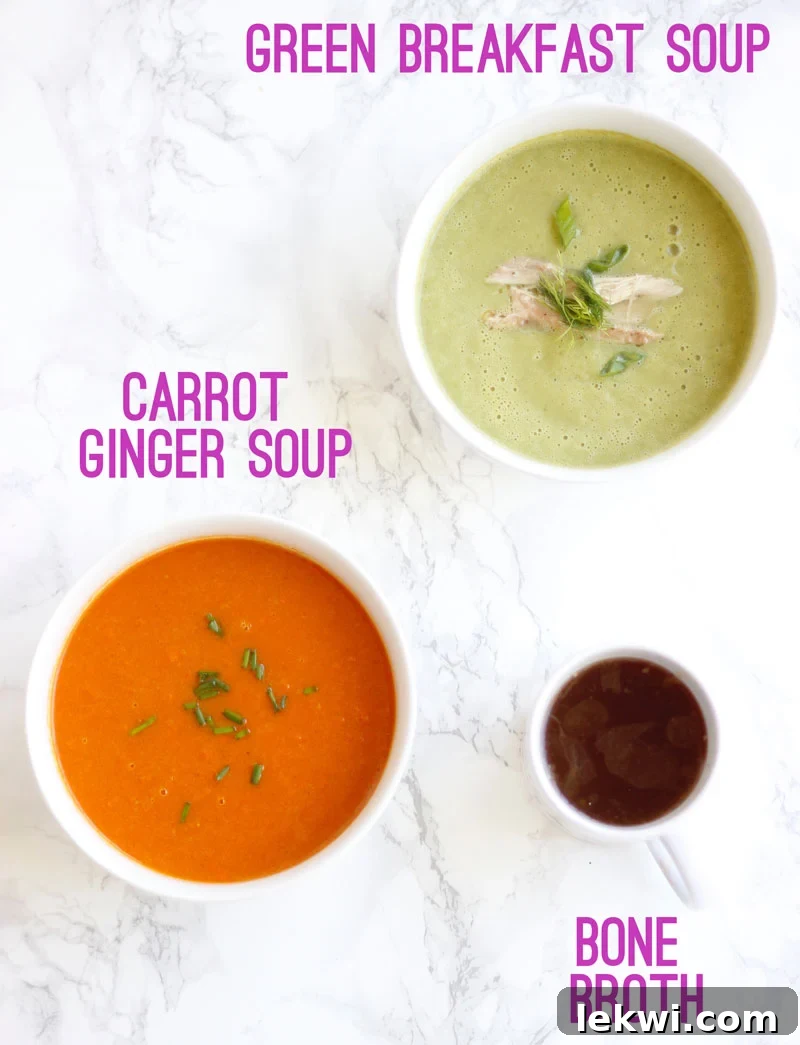
Photo by MyDallasObsession.
Before you know it, spending a couple of hours on a Sunday to prepare meals ahead of time will become a seamless and indispensable part of your routine. This conscious effort not only safeguards your gut from inflammatory ingredients but also reduces stress around meal times, freeing up mental energy for other aspects of your life. For more detailed guidance and inspiration, consider exploring resources on meal planning, such as my free guide available for download, or specific blog posts on how to prep AIP-friendly meals for the week. Embrace the power of your own kitchen to nourish your gut and transform your health!
7. Soothe and Repair: Address Gut Health Days with Bone Broth, Collagen, and Apple Cider Vinegar
Even with the best intentions and consistent efforts, there will be days when your gut feels less than optimal. Whether it’s due to stress, a minor dietary slip-up, or just an unexplained flare-up, having go-to strategies for soothing and repairing your gut lining is invaluable. Three powerful allies in this endeavor are bone broth, collagen, and apple cider vinegar.
Bone Broth: The Ultimate Gut Healer
There’s a profound reason why chicken soup is universally recognized as the quintessential comfort food for when you’re feeling under the weather. Traditional chicken soup is built upon the foundation of healing, nutrient-dense bone broth. This elixir is packed with gelatin, collagen, and a wealth of amino acids, particularly glycine, proline, and glutamine. These components are critical for repairing and soothing the delicate gut lining, making bone broth an indispensable tool for healing conditions like leaky gut. Beyond its gut-mending properties, bone broth is also an exceptional source of easily absorbable minerals like calcium, magnesium, and phosphorus, all vital for the body’s natural healing processes and overall wellness.
I highly recommend making bone broth a regular part of your diet, aiming for a few times a week, or even daily if you are actively working to address significant gut health issues. Keeping a few cups frozen in your freezer is a smart preventative measure, ensuring you always have this healing remedy on hand for immediate relief. Explore recipes for perfect gut-healing bone broth, or consider incorporating it into delicious meals like a hearty beef stew.

Collagen: A Convenient Gut-Nourishing Powerhouse
If bone broth isn’t readily available or if you’re not in the mood for it, grass-fed collagen peptides are an excellent alternative. Collagen is rich in many of the same gut-healing amino acids found in bone broth, making it a powerful ally for repairing connective tissues throughout the body, including the gut lining. It’s incredibly versatile: tasteless, odorless, and dissolves seamlessly into hot or cold liquids. You can easily add it to your soups, smoothies, teas, coffee, or even just plain water. Collagen offers a convenient way to boost your daily intake of gut-supportive proteins, contributing to stronger gut integrity, healthier skin, and more resilient joints.
For something cooling and gut-healing, particularly if you have a sore throat or just crave a refreshing option, consider recipes like a gut-healing acai bowl. These bowls can be packed with antioxidants and further boosted with added collagen, offering both nourishment and a soothing experience.
Apple Cider Vinegar (ACV): A Digestive Stimulant
When experiencing an upset stomach, mild indigestion, or simply wanting to prime your digestive system before a meal, apple cider vinegar (ACV) can be remarkably effective. Diluting about one tablespoon of raw, unfiltered ACV in a glass of water and sipping it 10-15 minutes before eating is a fantastic way to stimulate stomach acid production. This enhanced acidity is crucial for proper digestion, especially for breaking down proteins and absorbing minerals. ACV also possesses antimicrobial properties that can help balance gut flora and its acetic acid content may aid in bile flow, further supporting fat digestion. It’s a simple, natural remedy that can significantly alleviate discomfort and improve overall digestive efficiency.
8. Harness Ancient Wisdom: Try a Healing Castor Oil Pack for Targeted Support
While perhaps considered an “old-school” remedy and potentially a bit messy, castor oil packs are experiencing a resurgence in popularity due to their remarkable effectiveness in supporting detoxification, reducing inflammation, and promoting healing, particularly for gut-related issues. Used by ancient Egyptians, Ayurvedic practitioners, and traditional healers for centuries, castor oil is a powerful healing oil derived from the castor bean plant, known for its unique chemical composition, including ricinoleic acid.
When applied topically, castor oil is believed to penetrate deeply, stimulating lymphatic circulation and enhancing blood flow to the targeted area. This increased circulation facilitates the transport of immune cells, promotes the removal of toxins and waste products, and delivers vital nutrients to tissues, thereby supporting the body’s natural healing and detoxification processes. It’s a non-invasive way to provide targeted support to specific organs and areas of discomfort.
How to Use a Castor Oil Pack:
The application process is straightforward, though it requires a bit of preparation:
- Gather Your Supplies: You’ll need high-quality, organic, cold-pressed castor oil, a piece of flannel cloth (preferably organic cotton or wool), plastic wrap (or an old towel/plastic bag), and a heating pad.
- Prepare the Pack: Saturate a piece of flannel cloth with castor oil. It should be fully soaked but not dripping excessively.
- Apply to Skin: Place the oil-soaked flannel directly onto the desired area of your skin.
- Cover and Heat: Cover the flannel with plastic wrap to prevent oil stains and enhance absorption. Then, place a heating pad over the plastic wrap.
- Relax and Let it Work: Lie down comfortably for about one hour, allowing the warmth and the oil to penetrate. During this time, you might start to feel subtle sensations or hear gentle rumblings as your body’s internal systems begin to respond.
- Clean Up: After one hour, remove the pack. You can gently rub any remaining oil into your skin or wipe it off with a damp cloth. The flannel pack can be stored in a sealed container in the refrigerator and reused several times.
Targeted Applications:
- Stomach Cramping/Constipation: Apply the pack over your stomach and lower abdomen to alleviate cramps and encourage bowel regularity.
- Liver/Gallbladder Support: For nausea, hangover symptoms, or after consuming a particularly greasy meal, place the pack over your liver and gallbladder area, located just below and around your right ribcage. This can help stimulate bile flow and support liver detoxification. I’ve personally found castor oil packs over this area incredibly helpful in taming persistent nausea.
- Inflammation: Apply to any area experiencing localized inflammation or pain.
Castor oil packs are a powerful adjunct to a holistic gut health protocol, offering a traditional yet effective method for targeted detoxification and soothing support. Always listen to your body and consult with your healthcare provider, especially if you have underlying medical conditions.
9. Cultivate Calm: Embrace Stress Reduction for a Harmonious Gut-Brain Axis
In the intricate web of our health, few connections are as profound and often overlooked as the gut-brain axis. This bidirectional communication system ensures that our emotional and psychological state directly influences our digestive health, and vice-versa. We’ve all experienced the physical manifestations of stress – butterflies in the stomach before a big event, an upset stomach during anxious times, or changes in bowel habits during periods of high pressure. These aren’t mere coincidences; stress literally impacts every part of our body, and its catabolic (breaking down) effects are particularly damaging to digestion and gut health.
When we are stressed, our body diverts energy away from “non-essential” functions like digestion, prioritizing the “fight or flight” response. This means reduced stomach acid production, decreased enzyme secretion, altered gut motility (leading to either constipation or diarrhea), and even changes in the composition of our gut microbiome. Chronic stress can also compromise the integrity of the gut lining, contributing to leaky gut syndrome and systemic inflammation. Furthermore, stress depletes our body of vital nutrients necessary for hormone production and overall cellular function, exacerbating a vicious cycle of poor health.
The critical task of managing stress isn’t about eliminating it entirely – stress is an unavoidable part of life. Instead, it’s about finding effective, sustainable ways to respond to and mitigate its impact on your physiology. This allows your body to shift into the “rest and digest” (parasympathetic) state, which is essential for optimal digestion, nutrient absorption, and overall healing. Prioritizing stress reduction is not a luxury; it’s a fundamental pillar of gut health and holistic well-being.
To effectively manage stress and foster a calmer digestive system, consider exploring and implementing practices that resonate with you:
- Mindfulness and Meditation: Even just 5-10 minutes a day of focused breathing or guided meditation can significantly lower stress hormones and promote relaxation.
- Deep Breathing Exercises: Simple diaphragmatic breathing can quickly activate the parasympathetic nervous system, signaling to your body that it’s safe to relax and digest.
- Regular Physical Activity: Engage in gentle exercise like walking, yoga, or swimming. Movement helps release endorphins, reduces tension, and improves mood without over-stressing the body.
- Spending Time in Nature: Connecting with the natural world has proven benefits for stress reduction, lowering blood pressure, and improving mood.
- Journaling: Writing down your thoughts and feelings can be a powerful way to process emotions, gain perspective, and reduce mental clutter.
- Setting Boundaries: Learn to say “no” to commitments that overextend you. Protecting your time and energy is crucial for stress management.
- Prioritizing Sleep: Adequate, restorative sleep is non-negotiable for both physical and mental recovery, directly impacting gut health.
- Cultivating Hobbies: Dedicate time each day or week to activities you genuinely enjoy, whether it’s reading, gardening, or listening to music.
I often advise my clients to identify one “low-hanging fruit” – one small, manageable change they can implement immediately to reduce stress. Perhaps it’s joining a carpool to alleviate driving pressure, hiring help for a deep clean once a month, or simply dedicating 10 minutes each morning to a personal ritual. Whatever the choice, it is never wasted effort. By consciously working to stress less, you are making a direct and profound investment in the health of your gut and, by extension, your entire body.
10. Fuel Your Inner Garden: Eat Healing, Nutrient-Dense, Gut-Loving Foods Every Day!
In the vast landscape of health advice, much attention is often given to what to *cut out* of your diet – gluten, grains, dairy, sugar. While these restrictions can be valid and highly beneficial for many individuals, particularly those with sensitivities or autoimmune conditions, it’s equally, if not more, important to emphasize the positive: what you *include* in your diet every single day. Focusing solely on removal can lead to feelings of deprivation and an incomplete approach to true gut healing. A truly regenerative approach prioritizes nourishing your gut with an abundance of wholesome, nutrient-dense foods.
Make it a non-negotiable daily commitment: every single day, consciously make an effort to eat something that is inherently healthy, profoundly nourishing, and that your unique gut absolutely loves. This proactive approach ensures your gut receives a consistent supply of the building blocks it needs to repair, thrive, and maintain its delicate balance.
So, what exactly constitutes a “gut-loving” food? These are typically whole, unprocessed foods that are rich in vitamins, minerals, antioxidants, healthy fats, and beneficial fibers, all while being gentle on your digestive system. While individual tolerances vary greatly (as we are all wonderfully different), here are examples of foods that are widely recognized for their powerful gut-healing properties:
- Fermented Foods: As discussed earlier, options like sauerkraut, kimchi, beet kvass, and sugar-free kefir (if dairy is tolerated) introduce beneficial probiotics, helping to diversify and strengthen your gut microbiome.
- Healing Bone Broth: Rich in collagen, gelatin, and amino acids, bone broth is a powerhouse for repairing the gut lining, reducing inflammation, and providing easily assimilated nutrients.
- Wild-Caught Fish: Excellent sources of anti-inflammatory omega-3 fatty acids, which are crucial for reducing gut inflammation and supporting overall cellular health. Varieties like salmon, sardines, and mackerel are particularly beneficial.
- Organ Meats: While often overlooked, organ meats such as liver, heart, and kidney are incredibly nutrient-dense, packed with vitamins (especially B vitamins and fat-soluble vitamins), minerals, and amino acids that support detoxification and cellular repair, including that of the gut lining.
- A Rainbow of Vegetables: Non-starchy vegetables provide essential fiber (both soluble and insoluble) that supports healthy bowel movements and feeds beneficial gut bacteria (prebiotics). They are also brimming with antioxidants and phytonutrients that combat inflammation. Focus on a wide variety of colors and types, from leafy greens like spinach and kale to cruciferous vegetables like broccoli and cauliflower, and vibrant bell peppers.
- Healthy Fats: As mentioned, fats like avocado, olive oil, coconut oil, and grass-fed ghee are crucial for nutrient absorption, bile production, and reducing inflammation.
The key is to tune into your own body. Experiment with these categories of foods and pay attention to how you feel. Your gut will provide valuable feedback, guiding you towards the specific foods that make it sing. By consistently choosing to fuel your body with these healing, nutrient-dense, gut-loving foods, you are actively cultivating a thriving inner environment that supports not just digestion, but every aspect of your health, vitality, and well-being. This daily commitment is the ultimate act of self-care and a profound investment in a healthier, happier you.