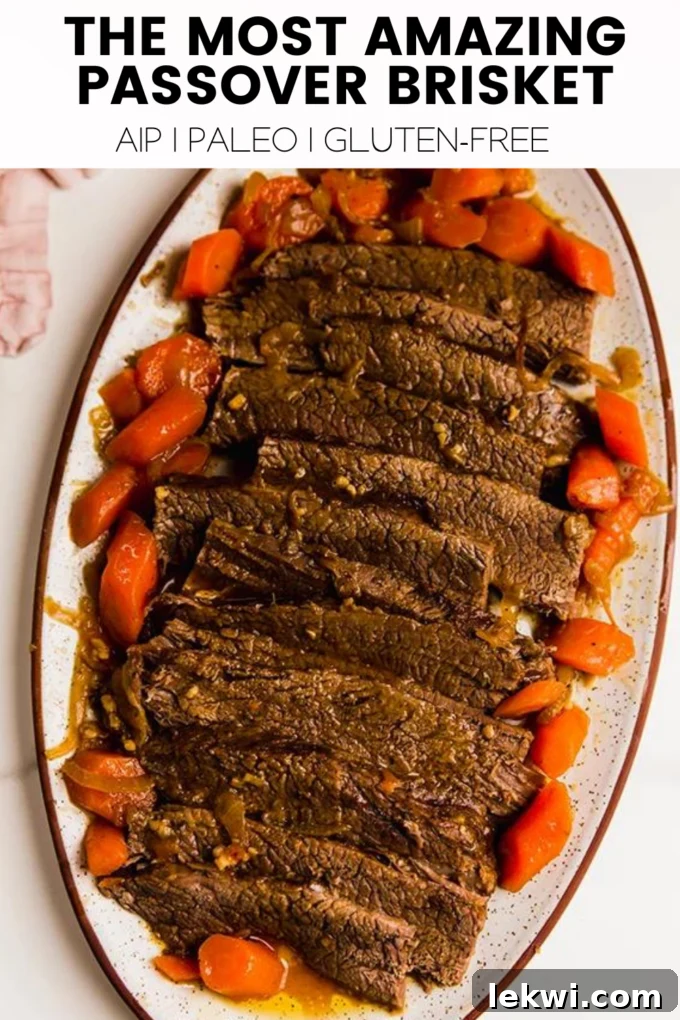
The Ultimate Oven-Roasted Passover Brisket: A Timeless Holiday Centerpiece
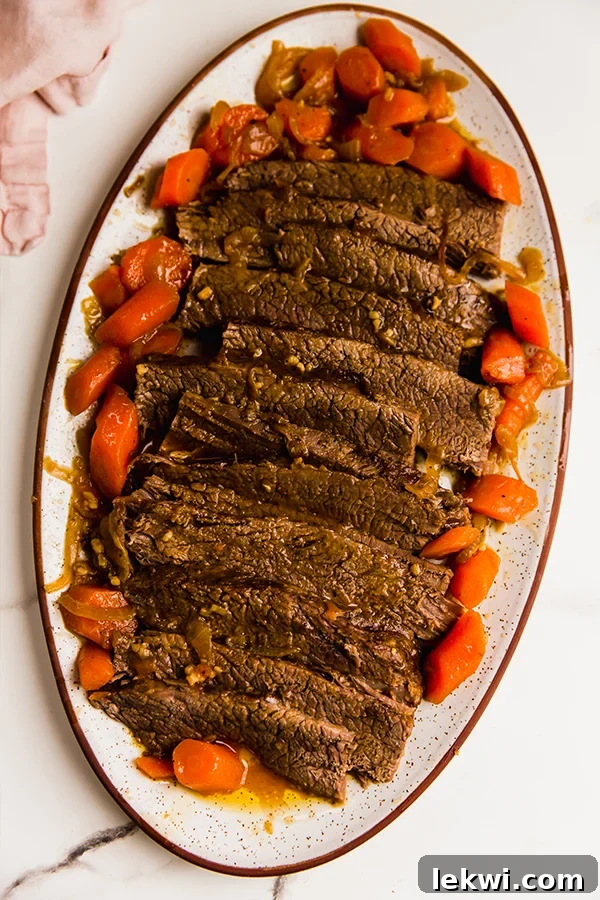
Prepare to impress your guests this Passover with the most incredibly tender and flavorful oven-roasted brisket. This traditional dish, featuring aromatic onions, sweet carrots, and savory garlic, is surprisingly simple to prepare, yet delivers a depth of flavor that tastes like it’s been slow-cooked with love for generations. It’s the perfect centerpiece for your Seder table, guaranteed to become a cherished family tradition.
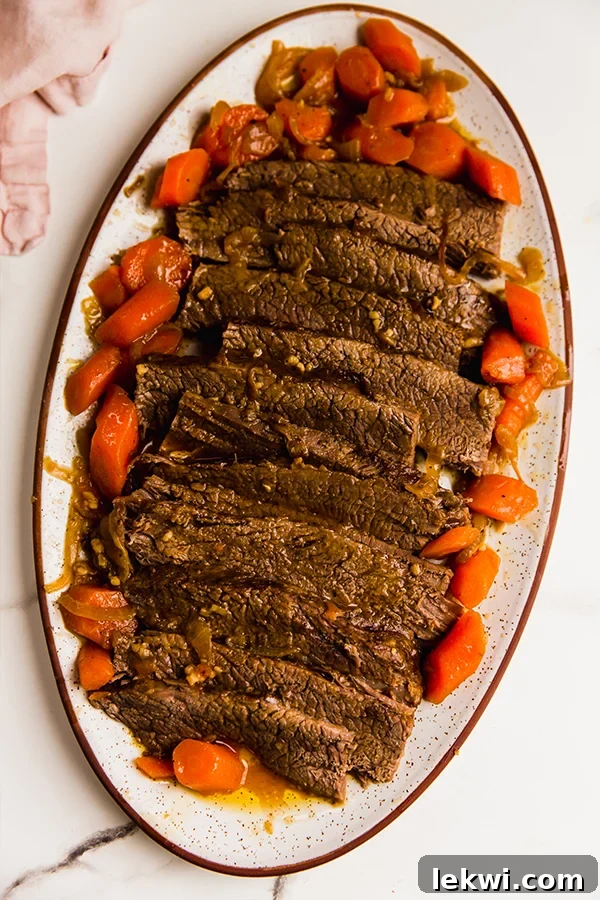
Why Brisket Holds a Special Place at the Passover Table
While brisket has gained widespread popularity in modern barbecue culture, its historical significance for holidays like Passover runs much deeper. Traditionally, brisket was an economical and less sought-after cut of meat, making it an accessible choice for Ashkenazi Eastern European Jewish families needing to feed large gatherings during festive occasions. Its inherent toughness meant it required long, slow cooking, a method that transformed it into a remarkably tender and rich dish, ideal for Sabbath and holiday meals.
Today, this slow-cooked tradition endures, and brisket remains a quintessential comforting food, especially during Passover. For many, like myself, who grew up with Ashkenazi traditions, the aroma of brisket cooking fills the home with a sense of warmth, family, and heritage. This particular recipe elevates that classic taste to truly heavenly levels, proving that while the prep work is minimal, the love and care infused into the finished product are palpable in every succulent bite.
Essential Ingredients for Your Passover Brisket Masterpiece
Crafting the perfect Passover brisket relies on a thoughtful selection of ingredients that build layers of flavor and ensure a tender, juicy result. Here’s a closer look at what you’ll need and why each component is crucial:
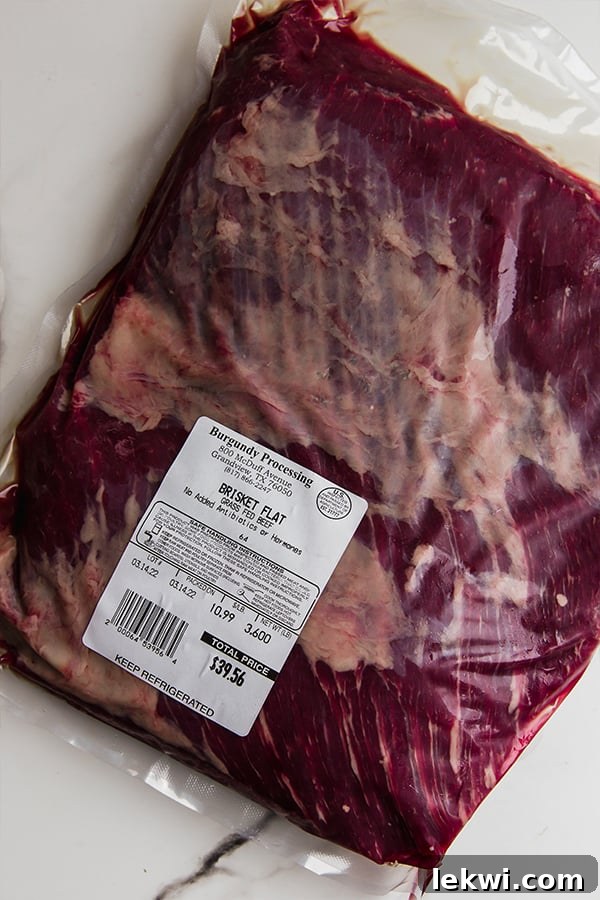
- Brisket Flat (or Whole Brisket): The brisket flat is the leaner section of the full brisket, often preferred for its uniform thickness which makes for easier slicing and presentation. While brisket prices have risen, choosing the flat can be a more budget-friendly option. Don’t let its leaner nature concern you; with the right cooking technique, it becomes incredibly tender and juicy. If you opt for a whole brisket (which includes the fattier point), you’ll just need to adjust the cooking time slightly, typically adding an extra 30 minutes to an hour, and ensure sufficient liquid. The fat cap on a whole brisket will render down, adding even more richness and moisture.
- Aromatic Vegetables (Carrots, Onions, and Garlic): These humble vegetables form the foundational flavor base, known as a mirepoix, for our brisket. As they caramelize and soften, they release sweet and savory notes that infuse into the cooking liquid and ultimately the meat. This is definitely a recipe where you shouldn’t shy away from garlic; its robust flavor beautifully complements the richness of the beef.
- Sweet and Savory Sauce Elements (Tomato Sauce and Coconut Sugar): Many traditional brisket recipes call for ketchup, which can sometimes be overly sweet and contain high fructose corn syrup. For a more balanced and refined flavor, we opt for a good quality tomato sauce, which provides a rich umami base, along with a touch of coconut sugar. Coconut sugar offers a subtle sweetness that balances the acidity of the tomato without overpowering the natural flavors of the brisket and vegetables. For those avoiding nightshades, a nightshade-free marinara sauce can be easily substituted.
- Braising Liquids (Broth and Red Wine Vinegar): A flavorful beef broth provides the essential liquid for slow braising, ensuring the brisket stays moist and tender throughout the long cooking process. Red wine vinegar adds a crucial acidic component, which not only brightens the flavors but also helps to break down the connective tissues in the brisket, contributing to its melt-in-your-mouth texture.
- Herbs (Bay Leaves and Parsley): Bay leaves impart a subtle, almost medicinal aroma that enhances the savory depth of the dish, while dried parsley adds a fresh, herbaceous note. These herbs, though simple, play a vital role in creating a complex and inviting flavor profile.
- Seasoning Essentials (Olive Oil, Salt, and Pepper): Good quality olive oil is used for searing the brisket and sautéing the vegetables, adding another layer of flavor. Salt is paramount for seasoning the meat thoroughly and bringing out all the other flavors. Freshly ground black pepper adds a hint of spice and warmth, though it can be omitted for AIP diets.
How to Make the Most Amazing Oven-Roasted Passover Brisket
Creating this magnificent oven-roasted Passover brisket is a rewarding process that combines a few key cooking techniques to achieve perfect tenderness and rich flavor. Follow these detailed steps for a truly unforgettable holiday meal.
Preparation is Key: Setting Up for Success
- Preheat Your Oven: Begin by preheating your oven to 350°F (175°C). This ensures a consistent cooking temperature from the moment your brisket goes in.
- Trim the Brisket: Carefully trim any excessive fat from your brisket, leaving about a 1/4-inch layer. This remaining fat will render down during cooking, basting the meat and adding moisture without making the dish overly greasy. Season the brisket generously on all sides with salt and pepper (if using). Don’t be shy with the seasoning; brisket is a large cut of meat that can handle it.
The Searing Secret: Locking in Flavor
- Sear the Brisket: Heat 2 tablespoons of olive oil in a large, oven-safe Dutch oven or cast-iron casserole dish over medium-high heat. Once the oil is shimmering, carefully place the seasoned brisket into the hot pan. Sear for 3-4 minutes on each side until a deep, golden-brown crust forms. This crucial step, known as the Maillard reaction, creates incredible flavor and color, locking in juices. After searing, transfer the brisket to a clean plate or cutting board and set aside.
Building the Flavor Base: Aromatics Unleashed
- Sauté the Vegetables: Using the same pan (and all those delicious browned bits from the brisket), add the chopped carrots, thinly sliced yellow onion, and minced garlic. Sauté for 5-6 minutes over medium heat until the vegetables are lightly softened and fragrant. Their natural sugars will begin to caramelize, adding a sweet depth to the sauce. Once softened, push the vegetables to the edges of the pan, creating a space in the center for the brisket.
Braising to Perfection: Low and Slow
- Assemble and Cover: Return the seared brisket to the center of the pan, nestled among the sautéed vegetables. Evenly spread the coconut sugar, tomato sauce, and dried parsley over the top of the brisket. Pour the beef broth and red wine vinegar into the base of the pan, ensuring the liquid comes about halfway up the sides of the brisket. Add the bay leaves, then cover the pan tightly with its lid.
- Initial Roast: Transfer the covered Dutch oven to the preheated 350°F (175°C) oven and roast for 2 hours. This initial higher temperature helps to get the braising process started effectively.
- Long, Slow Roast: After 2 hours, reduce the oven heat to 300°F (150°C) and continue roasting for another 1 ½ hours. This lower temperature allows the brisket to slowly braise, breaking down tough connective tissues and resulting in that signature fall-apart tenderness. The total cooking time for a 3-lb brisket flat will be around 3.5 hours. If using a larger or whole brisket, you may need to add another 30-60 minutes, checking for tenderness.
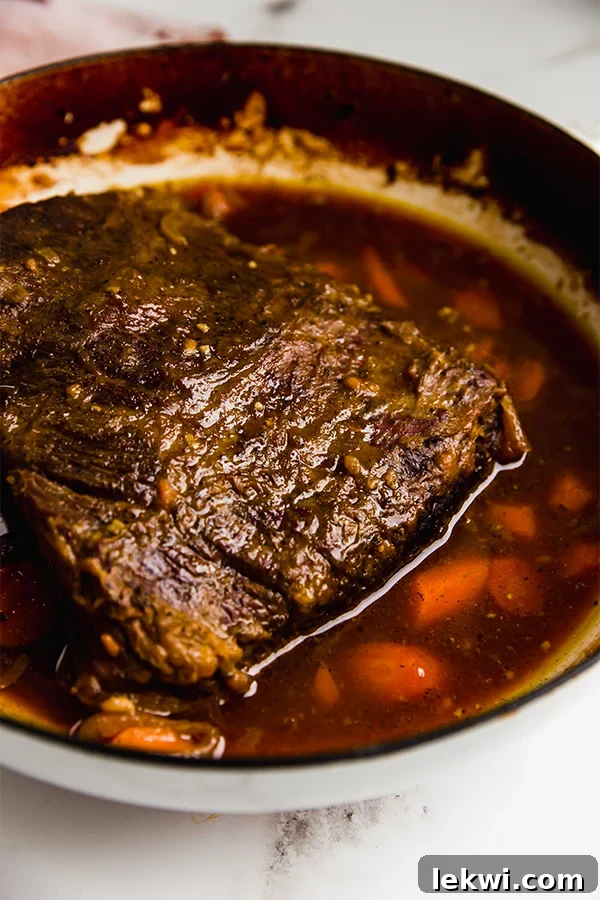
The Final Touch: Rest and Serve
- Rest the Brisket: Once the brisket is cooked through and fork-tender, remove the pan from the oven. This is a critical step often overlooked! Allow the brisket to rest, covered, for at least 15-20 minutes (or even longer) before slicing. Resting allows the juices to redistribute throughout the meat, ensuring maximum moisture and flavor.
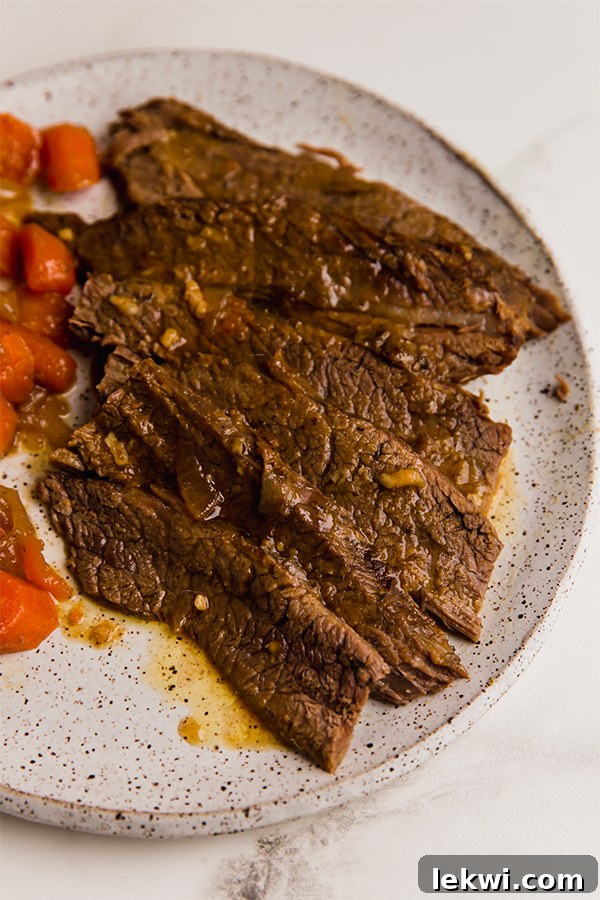
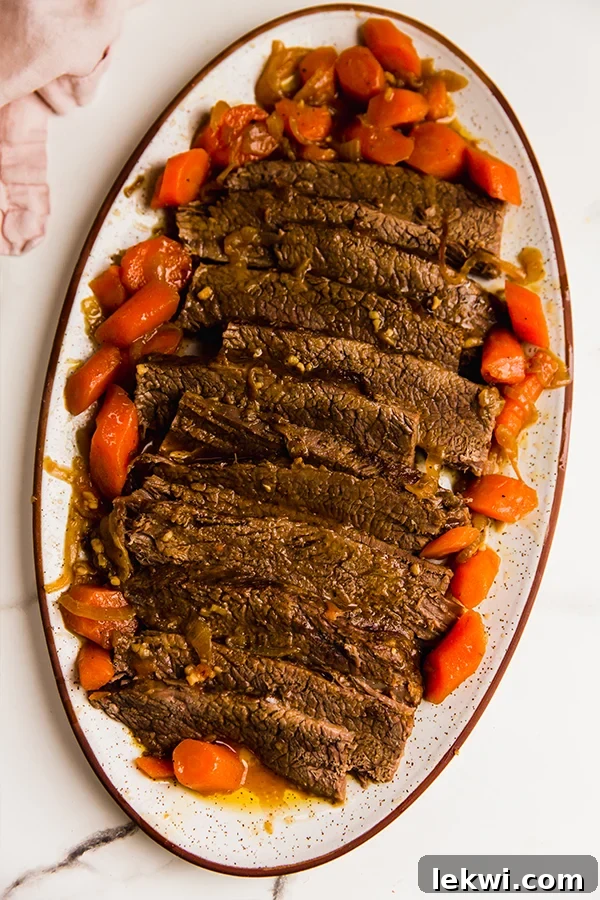
- Slice and Serve: After resting, transfer the brisket to a cutting board. Slice the brisket against the grain into desired thickness. Arrange the slices on a platter, surrounded by the tender roasted carrots and onions. Spoon the rich cooking juices from the pan generously over the top of the sliced brisket. Serve warm and enjoy!
Frequently Asked Questions & Expert Tips for Brisket Success
Can I make this recipe without coconut sugar?
Absolutely! If you prefer a less sweet profile or are avoiding all added sugars, you can completely omit the coconut sugar. The natural sweetness from the carrots and onions, combined with the savory tomato sauce and beef broth, will still create a wonderfully flavorful dish. You could also experiment with a very small amount of honey or maple syrup if you desire a hint of sweetness, keeping it Passover-friendly.
How do you make this brisket AIP (Autoimmune Protocol) compliant?
Making this brisket recipe AIP-friendly is quite simple. The main adjustments are:
- Omit Black Pepper: Black pepper is a nightshade, so it should be excluded from an AIP diet.
- Use Nightshade-Free Marinara: Traditional tomato sauce is also a nightshade. Replace it with a compliant nightshade-free marinara or “nomato” sauce. These usually use alternative vegetables like carrots, beets, and sweet potatoes to mimic the color and texture of tomato sauce.
Should you sear your brisket before roasting it?
Yes, searing the brisket before roasting is a highly recommended and crucial step. It contributes significantly to the overall flavor and appearance of the final dish. Searing creates a rich, caramelized crust on the surface of the meat through the Maillard reaction, which develops deep, complex flavors that can’t be achieved through braising alone. It also helps to seal in some of the natural juices and can contribute to a more appealing presentation with a beautiful brown exterior.
What type of pot is best for cooking this brisket?
For optimal results, a large, heavy-bottomed Dutch oven is the best choice for cooking this brisket. Dutch ovens conduct and retain heat exceptionally well, ensuring even cooking and maintaining a steady braising temperature in the oven. Their tight-fitting lids also trap moisture effectively, preventing the brisket from drying out. However, if you don’t have a Dutch oven, a large roasting pan with a tight-fitting lid or heavy-duty foil can also be used. You might need to sear the brisket in a separate pan on the stovetop first if your roasting pan isn’t stovetop-safe.
What are the best accompaniments to serve with brisket?
Since this recipe incorporates carrots and onions that cook alongside the brisket, you already have a built-in vegetable side. To complete the meal, consider serving it with:
- Matzo Ball Soup: A classic Passover starter that perfectly complements the rich brisket.
- Side Salad: A fresh, crisp green salad with a light vinaigrette can provide a refreshing contrast to the hearty meat.
- Roasted Potatoes or Kugel: Simple roasted potatoes or a savory potato kugel are excellent starch options that soak up the delicious brisket juices.
- Tzimmes: A traditional sweet carrot and prune stew, often with sweet potatoes, which pairs beautifully with brisket during Passover.
- Charoset: The fruity, nutty flavors of charoset can offer a delightful counterpoint on the plate.
This brisket is not just a meal; it’s an experience, a nod to tradition, and a celebration of flavor. It’s also famously delicious the next day, making it an ideal make-ahead dish for holiday entertaining. Leftovers, if there are any, can be reheated gently or used in sandwiches, tacos, or hash.
More Delicious Meal Ideas You’ll Love:
- Easy Teriyaki Steak Bites
- Garlic Balsamic Steak Bites & Asparagus
- Balsamic Steak Salad
The Most Amazing Passover Brisket
8
servings
20
mins
3
hrs
30
mins
Michelle
Print Recipe
Leave a Review
Pin Recipe
Want to save this for later?
Just drop your name and email below. Then we’ll email it right to your inbox. ✉️
(Please note: This form is a static representation; actual submission functionality is not present in this HTML-only output.)
Ingredients
- 3 lb brisket flat, see notes for whole brisket
- 2 tbsp olive oil
- 1 tsp salt
- ¼ tsp black pepper
- 2 cups carrots, chopped
- 1 yellow onion, sliced thin
- 4 cloves garlic, minced
- 2 tbsp coconut sugar
- ½ cup tomato sauce
- 1 tsp dried parsley
- 1 cup beef broth
- 2 tbsp red wine vinegar
- 3 bay leaves
Instructions
-
Preheat the oven to 350 F (175 C).
-
Trim any excess fat off of the brisket, leaving about 1/4″ of fat. Season generously with salt and pepper.
-
Using a large cast-iron casserole dish or Dutch oven, heat over medium-high heat and add the olive oil. Sear the brisket for 3-4 minutes on each side to lightly brown and develop a crust. Transfer the brisket to a clean surface.
-
Using the same pan, sauté the carrots, onions, and garlic for 5-6 minutes or until lightly softened and fragrant. Push the vegetables to the edge of the pan, making space for the brisket.
-
Add the brisket back to the pan and top with coconut sugar, tomato sauce, and parsley. Pour the beef broth and red wine vinegar into the base of the pan, add the bay leaves, and cover the pan tightly with its lid.
-
Transfer to the oven and roast for 2 hours at 350 F (175 C). Reduce the oven heat to 300 F (150 C) and roast for another 1 1/2 hours, or until fork-tender.
-
Remove the brisket from the oven and allow to rest, covered, for at least 15-20 minutes before slicing. Slice the brisket against the grain and serve with the side of the vegetables, topping generously with the cooking juices.
Notes
To make this brisket AIP (Autoimmune Protocol), omit the black pepper and use a nightshade-free tomato sauce (such as a “nomato” sauce).
If using a whole brisket (which includes the point and flat), add approximately 30-60 minutes to the cook time as needed, ensuring the brisket is completely fork-tender.
All nutritional information provided is an estimation and may vary based on specific ingredients and preparation methods. Estimations do not include optional ingredients.
Serving:
1
serving
,
Calories:
297
kcal
,
Carbohydrates:
9.5
g
,
Protein:
37.6
g
,
Fat:
12.4
g
,
Fiber:
1.6
g
Did you Make this Recipe?
Tag @unboundwellness on Instagram and hashtag #unboundwellness!