This post contains affiliate links.
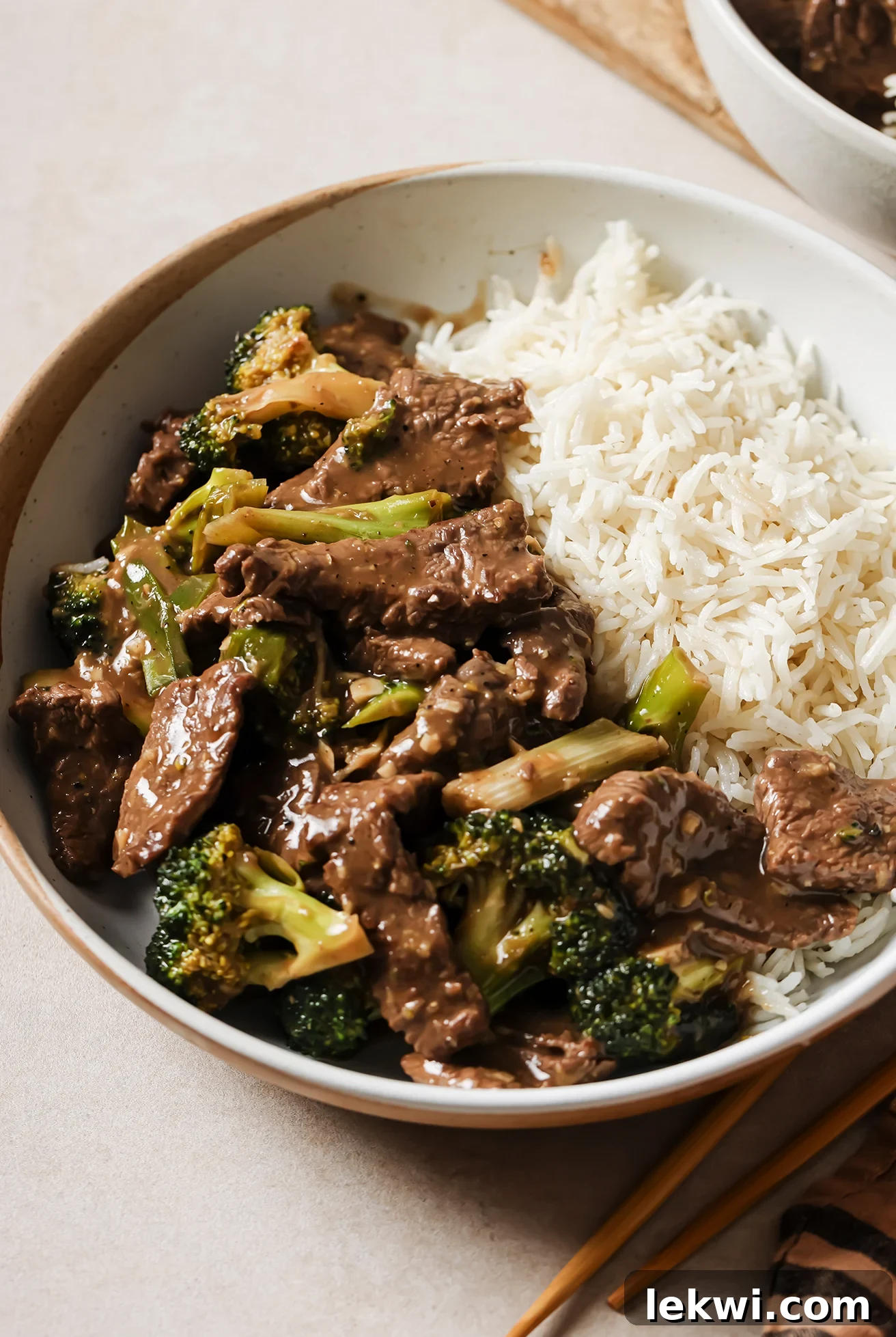
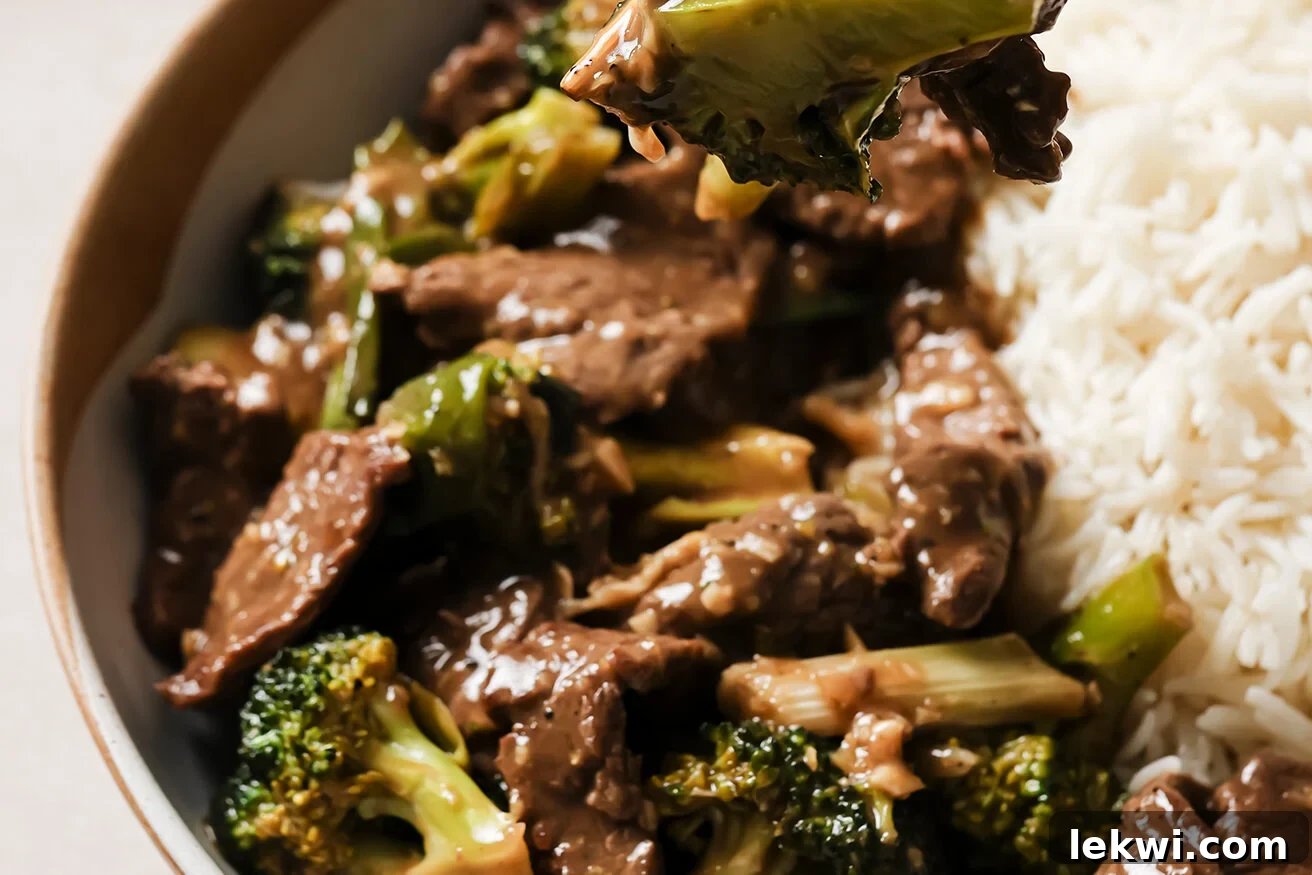
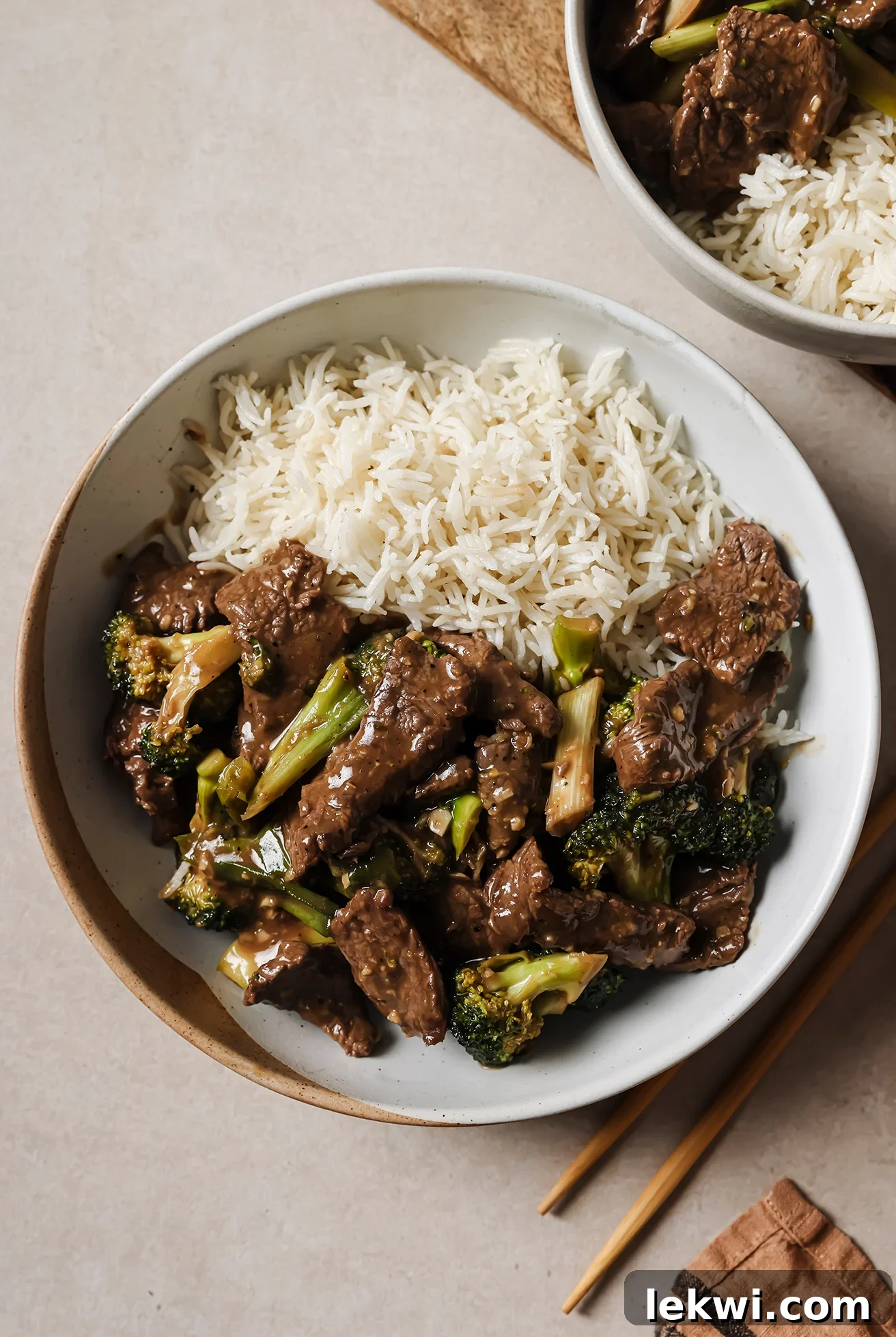
Experience the vibrant flavors of Asia from the comfort of your home with this incredible **Mongolian Beef with Broccoli recipe**! Forget bland takeout; this homemade version is not only bursting with authentic taste but is also completely soy-free and gluten-free, making it a perfect meal for those with dietary sensitivities or anyone seeking a healthier alternative. Prepare to savor tender flank steak, crisp broccoli, and a savory-sweet sauce that rivals your favorite restaurant dish.
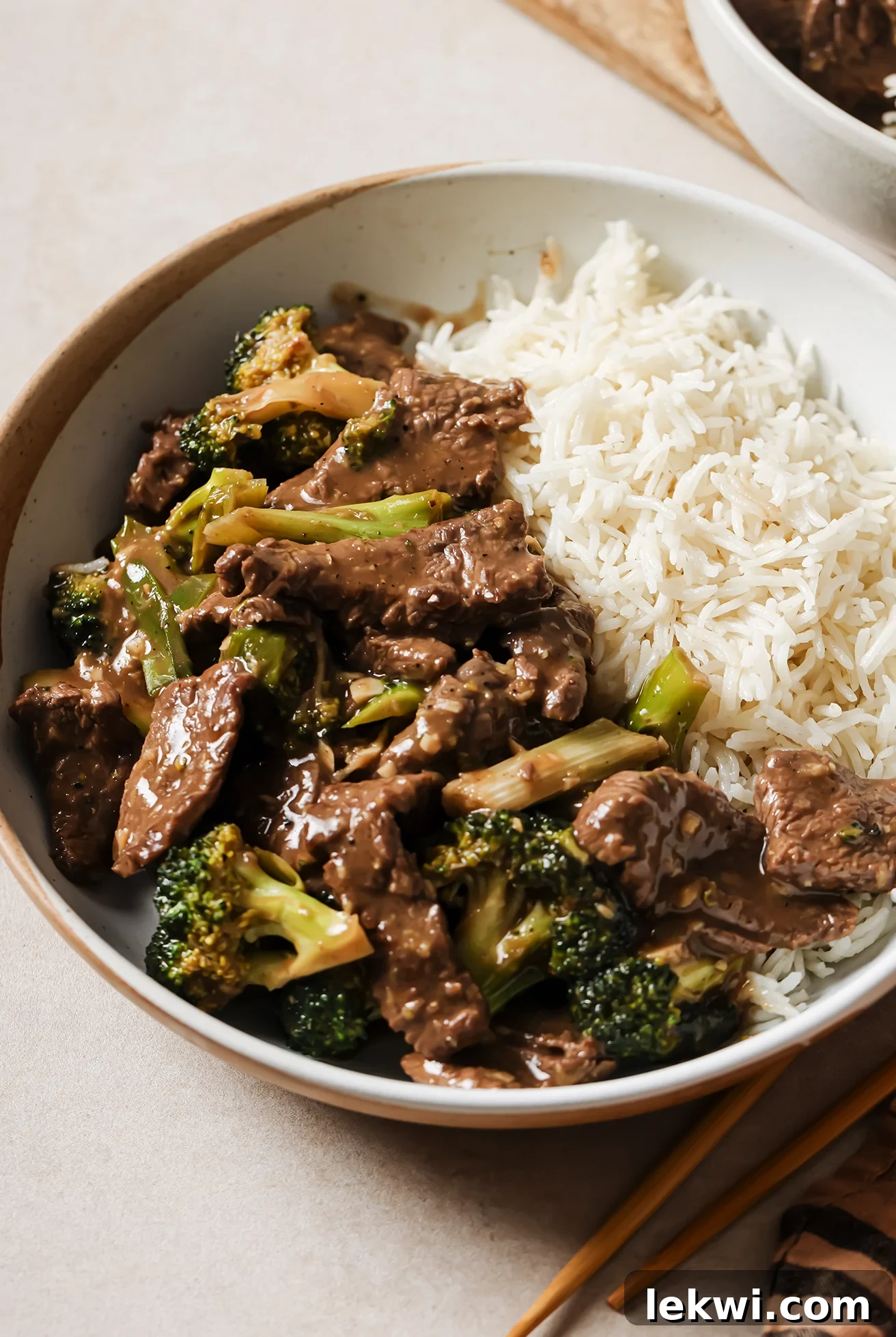
Mongolian Beef stands as a beloved classic in Asian cuisine, cherished for its rich, umami-packed flavor profile and satisfying texture. Traditionally, it features thinly sliced flank steak, lightly coated in cornstarch and quickly fried or pan-seared to achieve a delightful crisp exterior. This perfectly cooked beef is then tossed in a luscious, soy-based sauce that is both savory and subtly sweet. It’s a truly hearty and fulfilling meal that consistently hits all the right spots, leaving you completely satisfied.
For individuals adhering to a gluten-free diet, enjoying popular restaurant dishes like Chicken and Broccoli or Mongolian Beef can often be a challenge. Conventional recipes and restaurant preparations almost invariably rely on soy sauce, a common source of gluten. This often means missing out on these comforting and flavorful meals. However, this homemade rendition is specifically designed to overcome those limitations, offering all the taste and texture you love without any of the gluten or soy. It’s truly a game-changer for your gluten-free kitchen, bringing restaurant-quality taste right to your dining table.
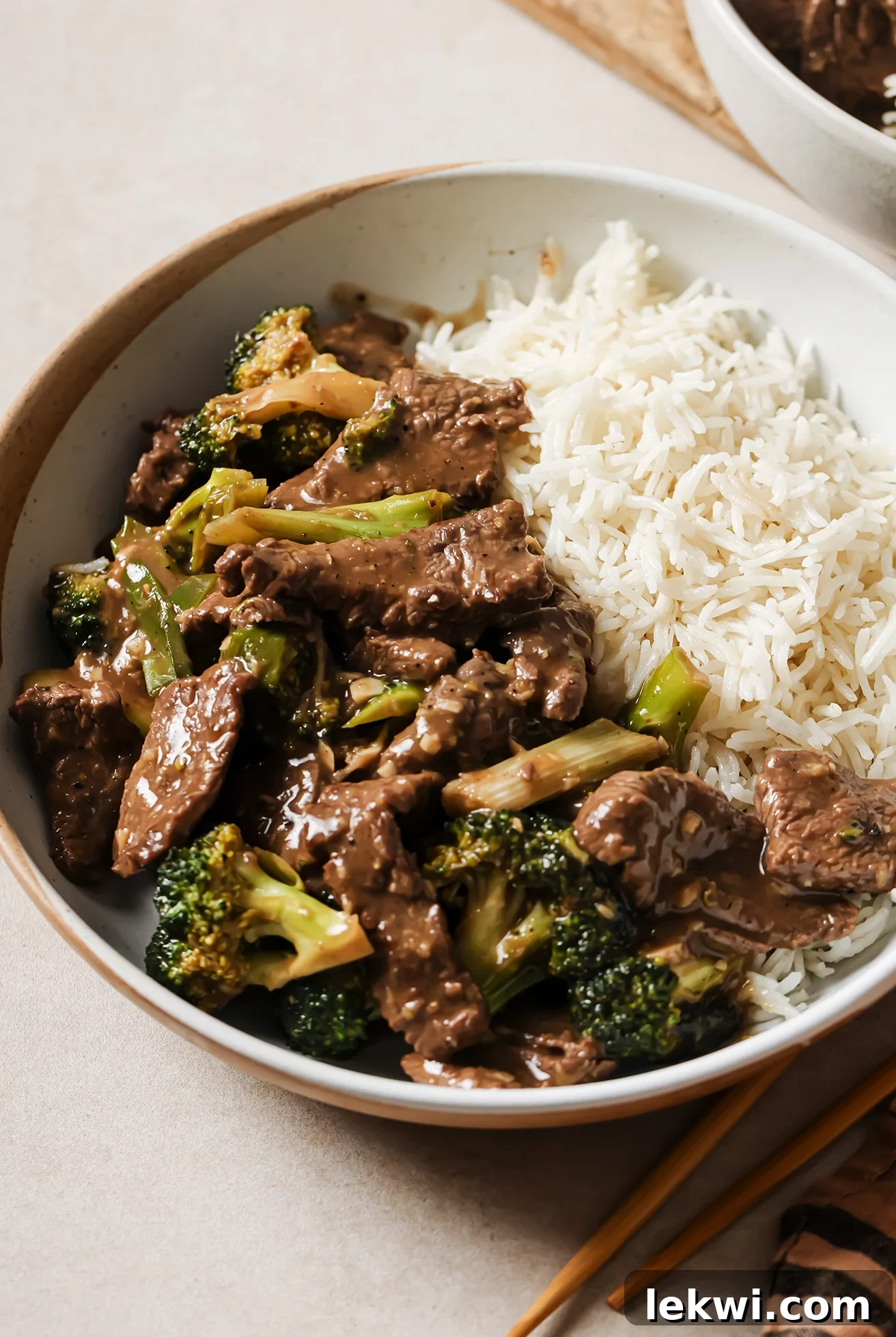
This homemade gluten-free Mongolian Beef with Broccoli is a restaurant-quality dish made easy and healthy at home!
Table of Contents
- Why You’ll Love This Mongolian Beef
- Essential Recipe Ingredients
- Smart Substitutions and Modifications
- Step-by-Step: How to Make Gluten-Free Mongolian Beef
- Expert Tips & Tricks for Success
- Frequently Asked Questions
- More Delicious Stir-Fry Recipes You’ll Love…
Why You’ll Love This Mongolian Beef with Broccoli
There are countless reasons why this particular Mongolian Beef recipe is destined to become a staple in your meal rotation. It’s more than just a dish; it’s an experience that delivers on taste, comfort, and dietary needs.
- Authentic Restaurant-Style Flavor at Home: Seriously, prepare to be amazed! This recipe meticulously recreates the rich, savory, and slightly sweet flavor profile that makes Mongolian Beef such a beloved takeout favorite. The deep umami of the sauce, combined with the perfectly cooked beef, will make you feel like you’ve just ordered from your favorite Asian restaurant, all from the convenience and comfort of your own kitchen. It’s truly a gourmet experience without the gourmet price tag or the need to leave your house.
- Ultimate Comfort Food: Much like hearty and satisfying dishes such as a Gluten-Free Chicken and Broccoli Ramen Noodle Stir Fry, this Mongolian Beef with Broccoli delivers pure comfort in every bite. It’s the kind of meal that warms you from the inside out, offering a perfect blend of rich flavors and satisfying textures. It’s ideal for a cozy night in, a quick weeknight dinner, or anytime you crave a deeply flavorful and filling dish that soothes the soul.
- Nutrient-Packed with Added Broccoli: We’ve taken this classic dish and elevated its nutritional value by incorporating fresh, crisp broccoli florets directly into the stir-fry. While not always traditional, adding broccoli ensures that each spoonful offers a healthy dose of vitamins, fiber, and antioxidants, balancing the richness of the beef and sauce. The broccoli beautifully absorbs the savory sauce, adding a wonderful texture and a touch of freshness. If you prefer, you can easily serve the steamed broccoli on the side, allowing you to customize your meal just the way you like it.
- Dietary Friendly & Inclusive: This recipe is a triumph for anyone navigating dietary restrictions. By being entirely soy-free and gluten-free, it opens up the world of Mongolian Beef to those who previously had to avoid it. We achieve this by using smart ingredient swaps that don’t compromise on flavor or texture, ensuring everyone at the table can enjoy this fantastic meal without worry.
Essential Recipe Ingredients for Authentic Flavor
Crafting the perfect Mongolian Beef with Broccoli starts with selecting high-quality ingredients. Each component plays a crucial role in developing the deep, layered flavors that define this dish. Here’s a closer look at what you’ll need and why these ingredients are key:
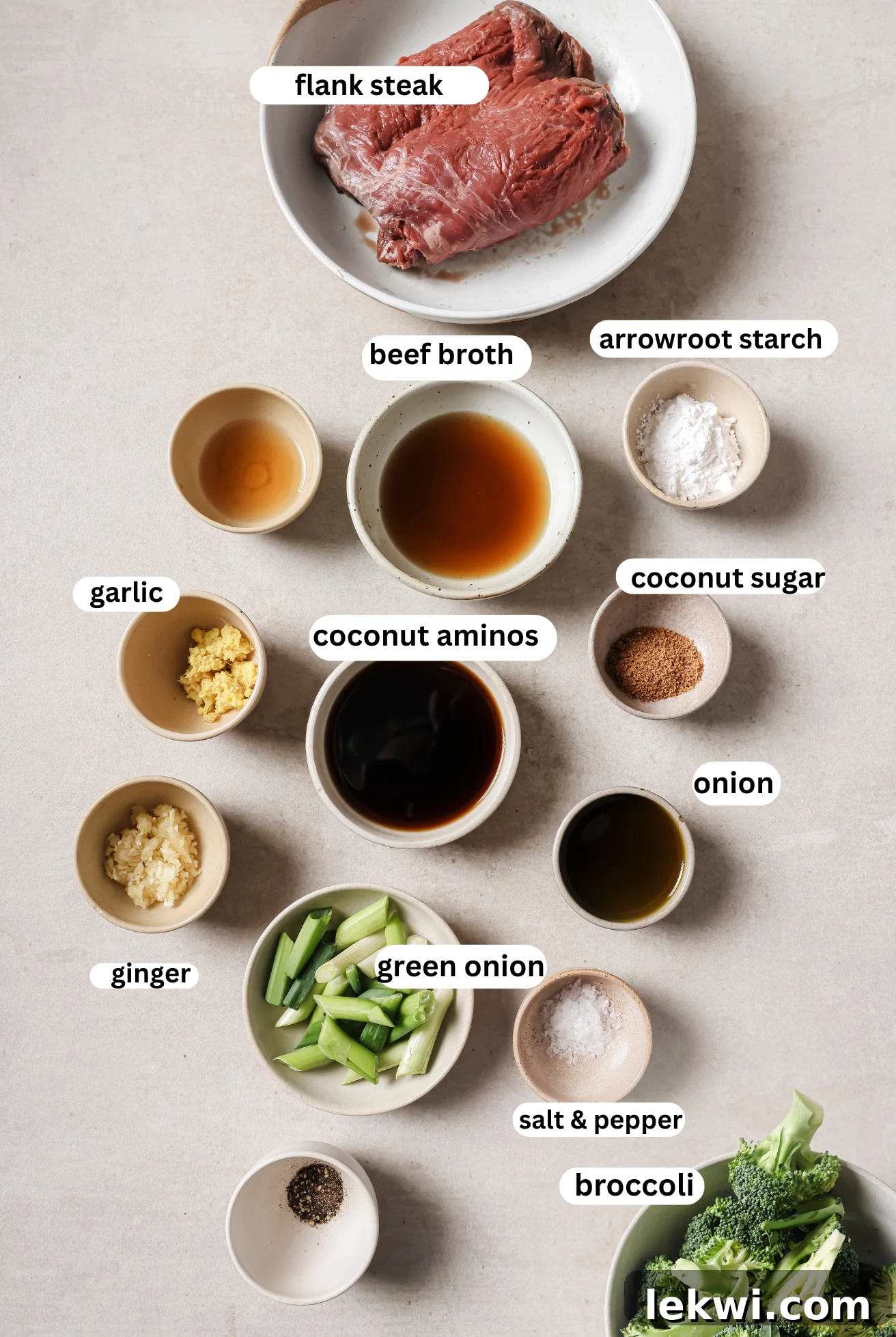
- Flank Steak: This cut is truly the star of our Mongolian Beef. Flank steak is prized for its robust beefy flavor and lean, fibrous texture. When sliced thinly against the grain, it becomes incredibly tender and absorbs the flavors of the sauce beautifully. Its ability to crisp up slightly on the outside while remaining tender within is essential for that authentic Mongolian Beef experience. Look for a piece that is relatively uniform in thickness for even cooking.
- Coconut Aminos: This is our secret weapon for a soy-free and gluten-free sauce! Coconut aminos is a fantastic substitute for traditional soy sauce, offering a similar savory, umami-rich flavor with a subtle sweetness, but without any soy or gluten. It’s derived from the sap of coconut blossoms and is a staple in many health-conscious and allergen-friendly kitchens. You can readily find it online or in the health food aisle of most grocery stores.
- Fresh Ginger: The pungent and aromatic flavor of fresh ginger is indispensable in Asian cuisine, and this dish is no exception. Grated fresh ginger provides a warm, spicy, and bright note that cuts through the richness of the beef and complements the sweetness of the sauce. Always opt for fresh ginger over powdered for the most authentic and vibrant flavor.
- Fresh Garlic: Alongside ginger, fresh garlic forms the aromatic backbone of our Mongolian Beef. Minced garlic infuses the sauce with its classic savory depth, creating a fragrant base that enhances all the other flavors. The combination of fresh ginger and garlic is truly magical and elevates this dish from good to extraordinary.
- Beef Broth: Essential for building the body and richness of our sauce, beef broth adds a savory depth that enhances the overall flavor profile. Opt for a low-sodium or unsalted variety to better control the seasoning of your dish.
- Rice Vinegar: A touch of rice vinegar adds a subtle tang and brightness to the sauce, balancing the sweetness and savory notes. It provides that characteristic light acidity found in many Asian stir-fries. For an AIP-compliant (Autoimmune Protocol) version, apple cider vinegar can be used as a suitable alternative.
- Coconut Sugar: To achieve the signature sweet-and-savory balance of Mongolian Beef, we use coconut sugar. It’s a natural sweetener that offers a caramel-like flavor, a healthier alternative to refined sugars, and is also paleo-friendly.
- Arrowroot Starch: This gluten-free thickener is key for achieving the desirable texture in both the beef coating and the sauce. When coating the steak, arrowroot starch helps create a crispy exterior and locks in moisture. In the sauce, it provides a silky, glossy finish, allowing the sauce to beautifully cling to the beef and broccoli. You’ll use it twice in this recipe for optimal results.
- Avocado Oil: With its high smoke point and neutral flavor, avocado oil is an excellent choice for stir-frying. It allows the beef and broccoli to cook perfectly without imparting any unwanted flavors.
- Broccoli Florets: Fresh broccoli adds vibrant color, a pleasant crunch, and a wealth of nutrients to this dish. It’s a fantastic addition that rounds out the meal.
- Green Onions: Sliced green onions are not just a garnish; they add a fresh, mild oniony flavor and a pop of color, providing a delightful finish to the dish.
- Salt and Pepper: Simple seasonings like sea salt and black pepper (omit pepper for AIP) are crucial for enhancing the natural flavors of the beef and balancing the sauce.
Smart Substitutions and Modifications for Your Dietary Needs
One of the best aspects of home cooking is the flexibility to tailor recipes to your personal preferences or dietary requirements. This Mongolian Beef with Broccoli is incredibly adaptable, and here are some thoughtful substitutions and modifications you can make without compromising on flavor or quality:
- Sirloin Steak: While flank steak is traditionally recommended for its texture and flavor, thinly sliced sirloin steak makes an excellent alternative. Sirloin is also lean and tender when prepared correctly, offering a similar robust beef flavor. Remember, regardless of the cut, always slice the meat thinly against the grain to ensure maximum tenderness. Removing any large fatty pieces will also contribute to a better texture in your stir-fry.
- Broccoli Customization: In this recipe, we embrace a non-traditional approach by incorporating the broccoli directly into the pan with the beef, allowing it to become wonderfully coated in the savory sauce. This method infuses the broccoli with incredible flavor. However, if you prefer a more traditional presentation or simply like your vegetables steamed, you can easily cook the broccoli separately. Simply steam or blanch the florets until they are fork-tender, then serve them alongside your Mongolian Beef. Keep in mind that if you don’t add the broccoli to the pan, you might have a slightly extra amount of sauce, which is absolutely perfect for spooning over your steamed broccoli and rice!
- Liquid Aminos (with caution): If you cannot find coconut aminos or prefer an alternative, liquid aminos can be used as a substitute. However, it’s crucial to be aware that liquid aminos typically have a much higher sodium content compared to coconut aminos. When making this swap, it’s highly recommended to adjust the amount of added salt in the recipe to taste. Start with less salt and add more gradually as needed to avoid over-salting your dish. Always taste as you go!
- Rice or Cauliflower Rice: The versatility of this dish extends to its accompaniments. You can serve your delicious Mongolian Beef with either traditional white or brown rice, depending on your dietary preferences and whether you tolerate grains. For those following a grain-free, Whole30, or lower-carb lifestyle, cauliflower rice is an outstanding alternative. It soaks up the extra sauce beautifully and provides a lighter, nutrient-dense base for your meal. Both options offer a satisfying complement to the rich flavors of the stir-fry.
- Sweetener Alternatives: If coconut sugar isn’t available, you can use maple syrup or honey as a 1:1 substitute for a similar sweet note. Adjust to your taste preferences.
- Spice Level: For those who enjoy a bit of heat, a pinch of red pepper flakes added to the sauce can provide a wonderful kick.
Step-by-Step: How to Make Gluten-Free Mongolian Beef with Broccoli
Creating this delicious, homemade Mongolian Beef is simpler than you might imagine. Follow these detailed steps, complete with visual cues, to achieve a restaurant-quality meal right in your kitchen. Full, precise instructions can be found in the comprehensive recipe card below.
Expert Tips & Tricks for a Perfect Mongolian Beef
Achieving a truly exceptional Mongolian Beef with Broccoli involves a few key techniques. These tips will help you maximize flavor and texture, ensuring your homemade dish is a resounding success every time:
- Slice the Beef Thinly and Against the Grain: This is arguably the most critical step for tender beef. Slicing against the grain (perpendicular to the muscle fibers) shortens the fibers, preventing the meat from becoming tough and chewy. Aim for slices that are about ¼-inch thick. Thin slices also cook faster and absorb more flavor from the sauce.
- Don’t Overcrowd the Pan – Cook in Batches: When searing the beef, resist the urge to dump all of it into the pan at once. Overcrowding significantly lowers the pan’s temperature, leading to steamed meat rather than beautifully seared and crispy pieces. Cook the beef in small batches, ensuring there’s enough space for each piece to brown evenly. This creates that desirable slightly crispy exterior while keeping the inside tender and juicy.
- Pre-prepare All Ingredients (Mise en Place): Stir-frying is a fast-paced cooking method. Have all your ingredients prepped, measured, and ready to go before you even turn on the heat. This includes slicing the beef, chopping the broccoli, mincing garlic and ginger, and whisking the sauce. This “mise en place” approach will make the cooking process smooth and stress-free.
- Use a Large Skillet or Wok: A large, deep skillet or a wok is ideal for this recipe. It provides ample surface area for searing the beef and allows for easy tossing of all ingredients, ensuring even cooking and coating.
- Adjust Sauce Thickness: The sauce consistency is key to Mongolian Beef. If you prefer a thicker sauce, you can easily adjust it. Simply mix another teaspoon of arrowroot starch with a tablespoon of cold water or beef broth (a “slurry”) and whisk it into the simmering sauce. Continue to simmer for another minute or two until it reaches your desired thickness.
- Heat Your Oil Properly: Ensure your oil is hot and shimmering before adding the beef. This high heat is essential for quickly searing the meat and locking in its juices, preventing it from drying out.
- Don’t Overcook the Broccoli: You want your broccoli to be tender-crisp, not mushy. Pay attention during the sautéing process and remove it from the pan as soon as it reaches your desired doneness. It will warm through again when added back with the sauce and beef.
- Taste and Adjust Seasoning: Always taste your sauce and the final dish before serving. Adjust salt, pepper, or sweetness as needed. Remember that coconut aminos vary slightly in sodium content, so tasting is vital for perfect balance.
- Meal Prep Friendly: This dish makes fantastic leftovers! Store any extra Mongolian Beef and Broccoli in an airtight container in the refrigerator for up to 3-4 days. It reheats well in a microwave or a skillet over medium heat.
Frequently Asked Questions About Gluten-Free Mongolian Beef
Here are some common questions and helpful answers to ensure your Mongolian Beef experience is as smooth and delicious as possible, especially when considering dietary needs:
What cut of beef is best for Mongolian beef?
Flank steak is widely considered the best cut for Mongolian Beef due to its robust flavor and fibrous structure, which, when sliced thinly against the grain, yields incredibly tender results. Sirloin steak is also an excellent alternative if flank steak isn’t available. Regardless of your choice, ensure you’re slicing against the grain and trimming off any excessively large fatty pieces to optimize tenderness and texture in your stir-fry.
Does Mongolian sauce always contain gluten?
In most traditional and restaurant preparations of Mongolian Beef or Chicken, the sauce will almost always contain gluten. This is because standard soy sauce, a primary ingredient in these sauces, contains wheat. However, this homemade version is specifically crafted with a gluten-free Mongolian sauce, using coconut aminos as a delicious and safe substitute for soy sauce, making it accessible for those avoiding gluten.
Can I make this recipe Whole30 or AIP compliant?
Yes, this recipe is easily adaptable to be Whole30 and AIP (Autoimmune Protocol) compliant! For Whole30, ensure your beef broth has no added sugars or non-compliant ingredients. For AIP, omit the black pepper (as nightshades are excluded), and use apple cider vinegar instead of rice vinegar. Always double-check ingredient labels for hidden sugars or inflammatory oils.
What is coconut aminos and where can I buy it?
Coconut aminos is a savory seasoning sauce made from the fermented sap of coconut palm and sea salt. It’s a fantastic soy-free and gluten-free alternative to soy sauce, offering a similar umami flavor with a hint of sweetness. You can typically find coconut aminos in the health food aisle of most major grocery stores, in specialty health food stores, or easily purchase it online through retailers like Amazon.
Can I use other vegetables in this stir-fry?
Absolutely! While broccoli is a classic pairing, this stir-fry is highly versatile. Feel free to incorporate other quick-cooking vegetables such as snap peas, sliced bell peppers, carrots, or even bok choy. Adjust cooking times as needed to ensure vegetables are tender-crisp. Adding a variety of colors and textures can make your meal even more appealing and nutritious.
More Delicious Stir-Fry Recipes That You’ll Love…
If you’re a fan of quick, flavorful, and customizable stir-fry meals, you’re in luck! Here are a few more recipes from our collection that share the ease and deliciousness of this Mongolian Beef:
- Hearty Ground Beef and Cabbage Stir Fry: A simple, budget-friendly, and incredibly satisfying stir-fry packed with savory beef and crisp cabbage.
- Zesty Lemon Chicken Vegetable Stir Fry: Brighten up your mealtime with this refreshing stir-fry featuring tender chicken and an assortment of colorful vegetables, all coated in a vibrant lemon sauce.
- Classic Chicken and Broccoli Stir Fry: Another beloved takeout staple made healthy and delicious at home, perfect for a quick and nutritious weeknight dinner.
- Paleo Chicken Sesame Stir Fry: A nutty and flavorful option that’s both paleo and packed with healthy ingredients.
If you tried this Gluten-Free Mongolian Beef with Broccoli or any other delightful recipe on our blog, please consider leaving a 🌟 star rating and sharing your experience in the 📝 comments section below. Your feedback truly helps us and other readers! Thank you for visiting and happy cooking!
5 out of 5 stars from 15 reviews
Gluten Free Mongolian Beef with Broccoli
Yield: 4 servings
Prep Time: 15 mins
Cook Time: 30 mins
Author: Michelle
This Mongolian Beef with Broccoli is flavorful, simple, and better than takeout! This version is soy-free and gluten-free.
Leave a Review
Pin Recipe
Ingredients
For the Sauce
- ⅓ cup coconut aminos
- ¼ cup beef broth
- 1 tbsp rice vinegar (sub apple cider vinegar for AIP)
- 3 cloves garlic, minced
- 1 thumb ginger, grated
- 2 tsp coconut sugar
- Salt and pepper (to taste)
- 2 tsp arrowroot starch
For the Stir Fry
- 3-4 tbsp avocado oil, divided
- 1 ½ cup broccoli florets
- 1 tsp sea salt, divided
- ½ tsp black pepper, (omit for AIP)
- 1.5 lb flank steak
- 2 tbsp arrowroot starch
- 3 green onions, sliced into 1″ strips
Instructions
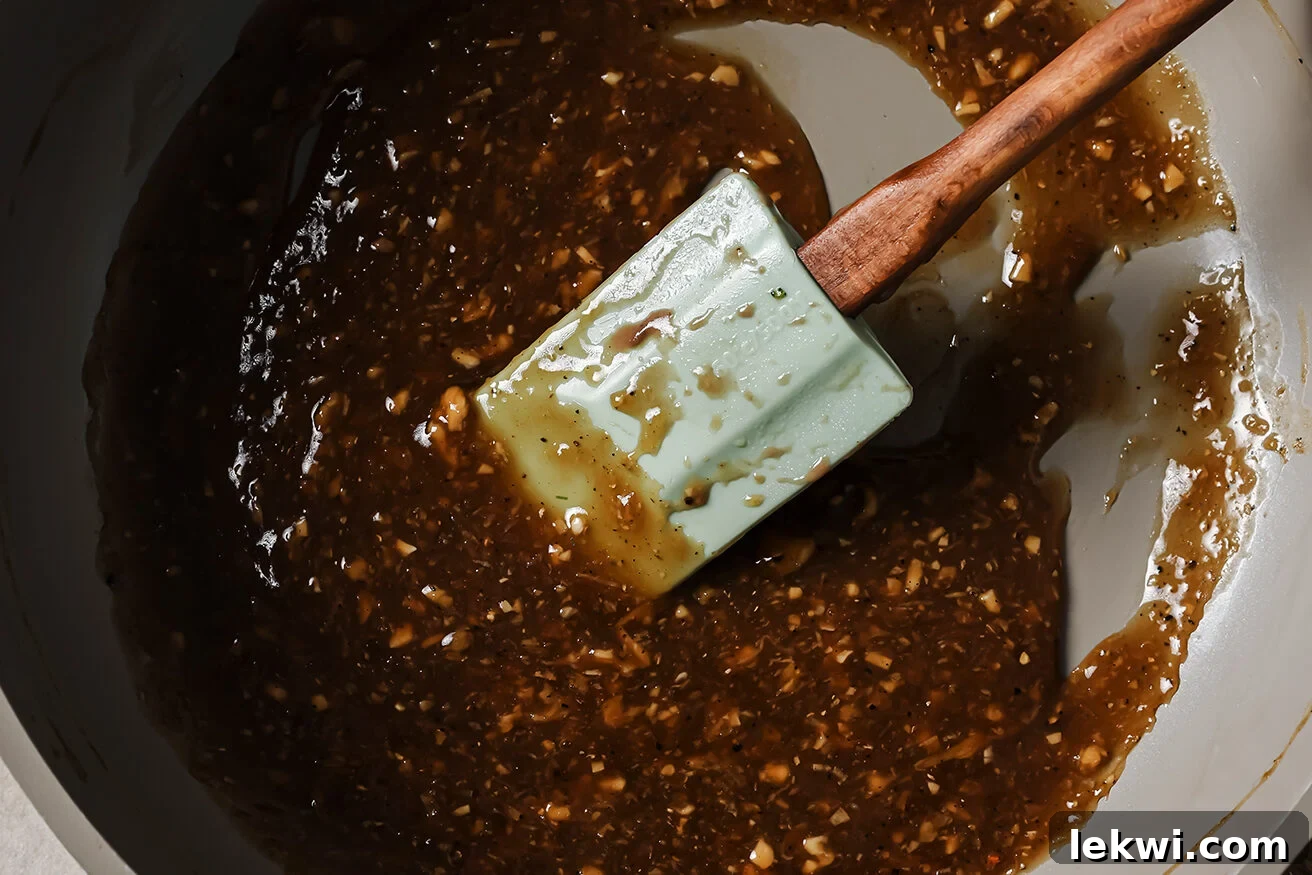
- Prepare the sauce by combining the coconut aminos, beef broth, coconut sugar, 2 tsp of arrowroot starch, minced garlic, grated ginger, salt, and pepper in a small bowl. Whisk all ingredients well until fully combined and smooth. Set this flavorful sauce aside.
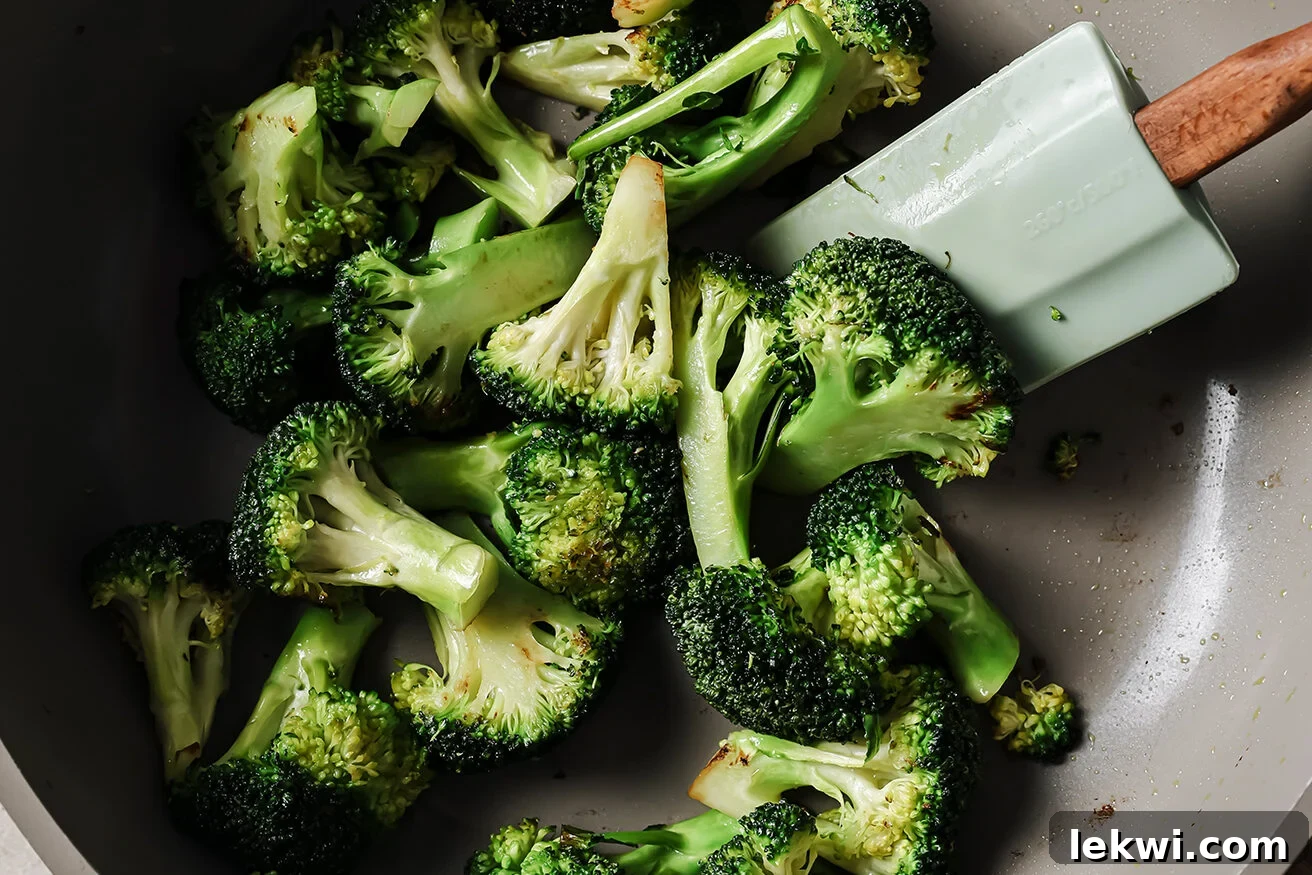
- Using a large, deep skillet or wok, heat 1-2 tablespoons of avocado oil over medium heat until it shimmers. Add the broccoli florets to the hot pan, season with a pinch of salt and pepper. Cook for approximately 6-7 minutes, stirring occasionally, until the broccoli is fork-tender yet still retains a slight crispness. Once cooked, remove the broccoli from the pan and set it aside. Clean out the skillet to prepare for cooking the beef.
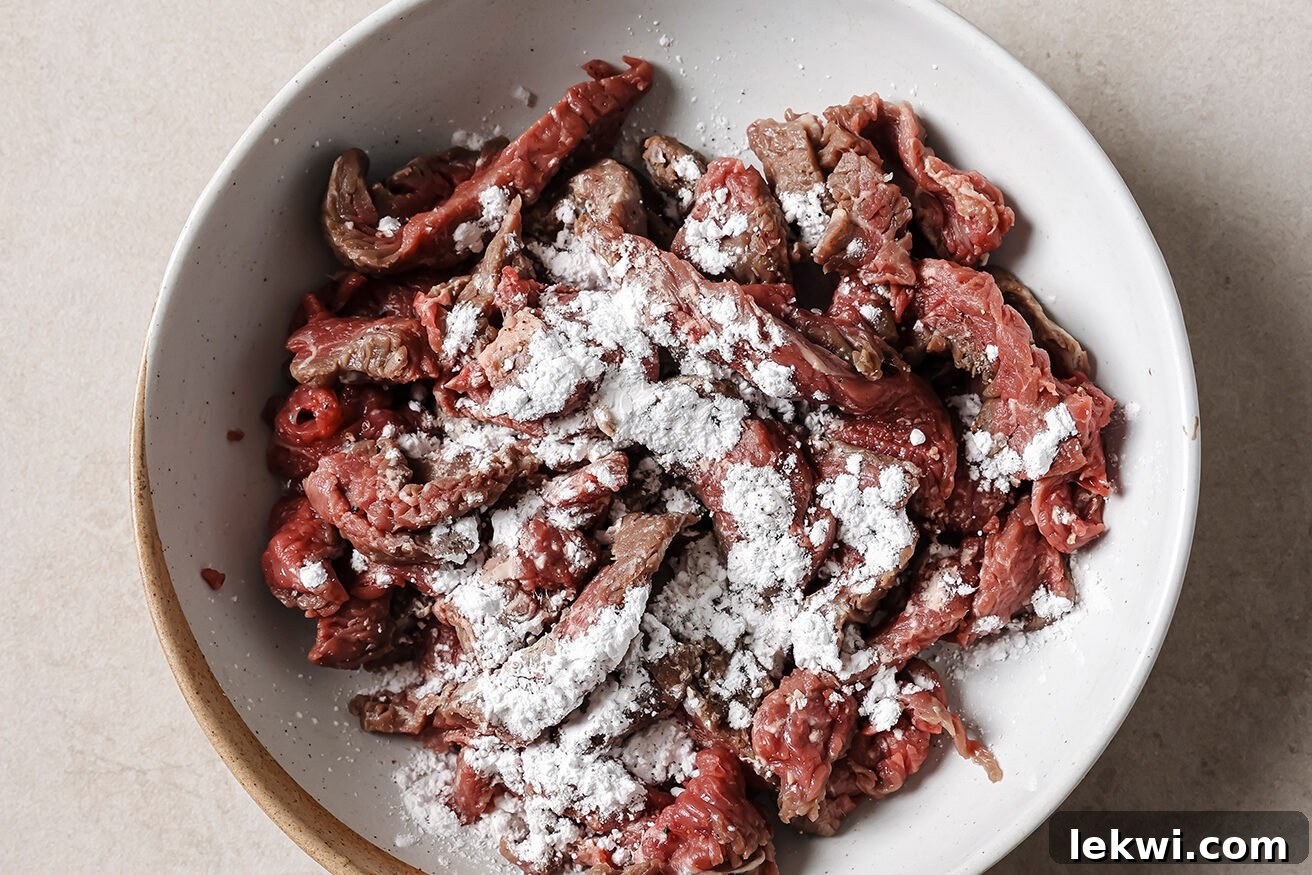
- Prepare the flank steak: season both sides of the steak with salt and pepper. Using a sharp knife, slice the steak thinly against the grain into approximately 1-inch bite-sized pieces. Place the sliced steak into a bowl and add 2 tablespoons of arrowroot starch, tossing thoroughly until all pieces are evenly coated. This coating will help achieve a crispy exterior.
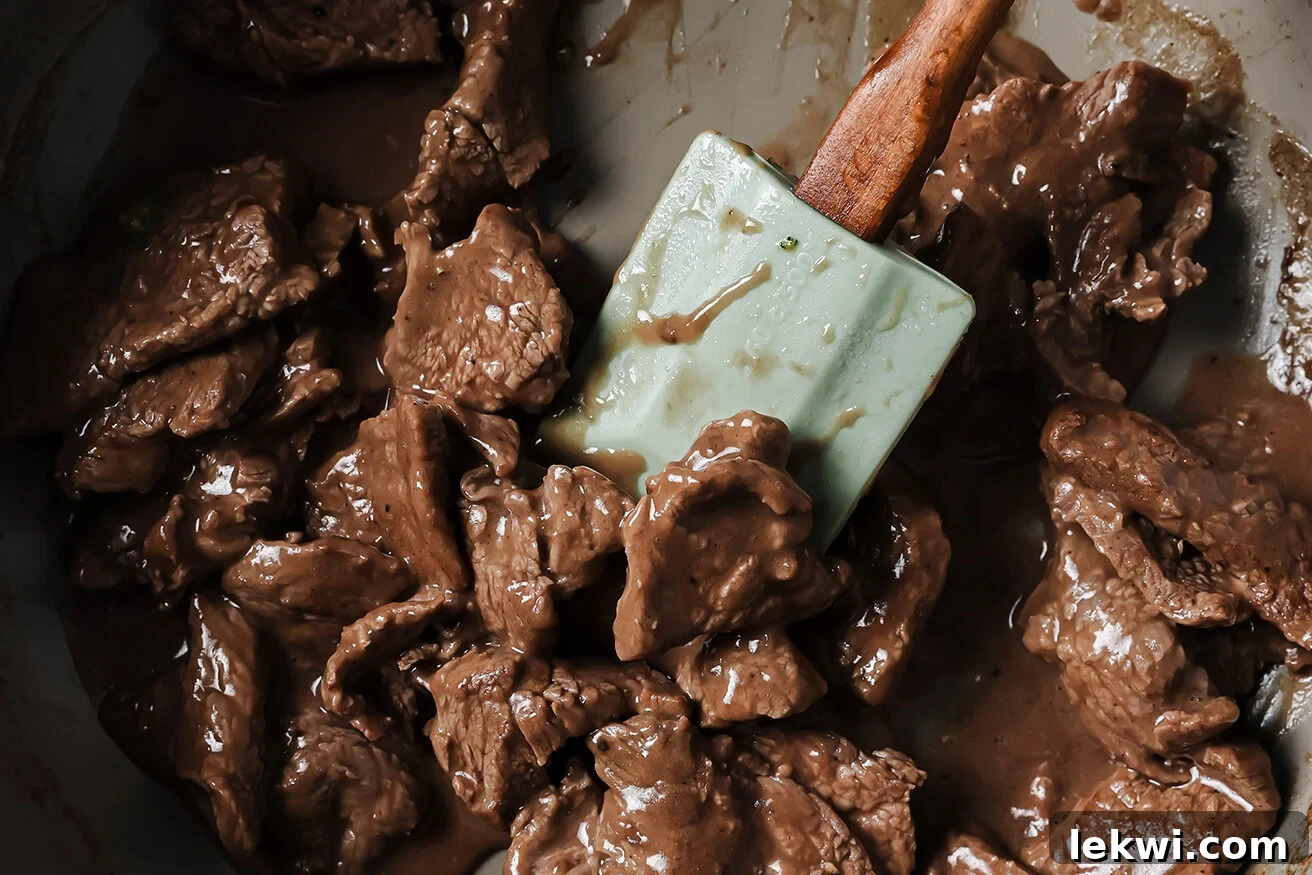
- Return the same pan to medium-high heat and add 2 tablespoons of fresh avocado oil. Once the oil is hot and shimmering, add about a third to half of the coated steak slices to the pan. Ensure you do not overcrowd the pan; cook in batches to allow the beef to sear properly rather than steam. Cook each batch for 2-3 minutes on each side until the steak is beautifully browned and begins to crisp. Remove the cooked steak and set it aside on a clean plate. Repeat this process until all the steak is cooked.
- Pour the whisked sauce mixture into the hot pan slowly. Use a wooden spoon to scrape up any browned bits from the bottom of the pan, incorporating these flavorful residues into the sauce. Allow the sauce to simmer for about 3-4 minutes, stirring constantly, until the garlic becomes fragrant and the sauce visibly thickens to a glossy consistency.
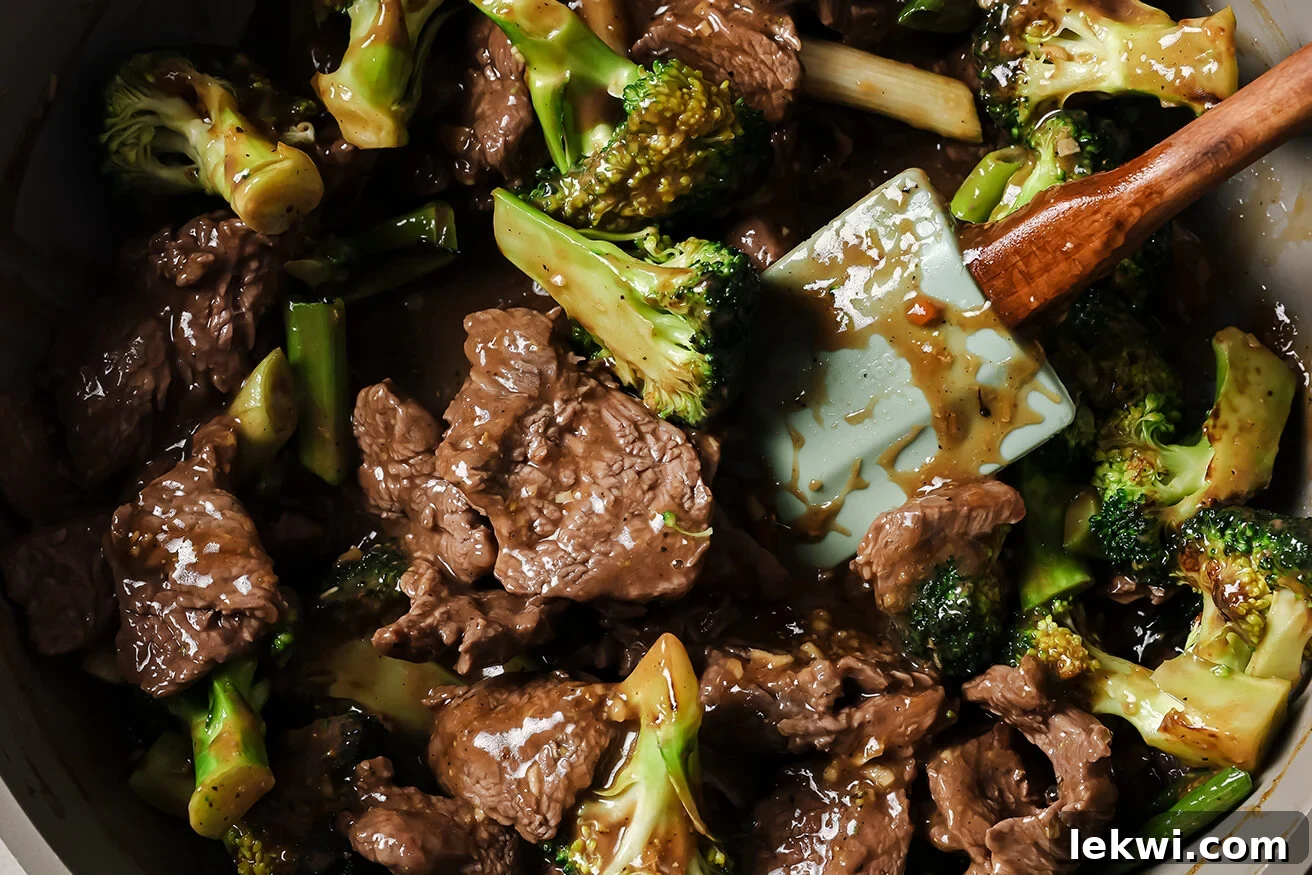
- Add the sliced green onions, the cooked beef, and the sautéed broccoli back into the pan with the thickened sauce. Reduce the heat to low. Gently toss all the ingredients together, ensuring the beef, broccoli, and green onions are thoroughly coated in the rich, savory sauce.
- Serve your freshly prepared Gluten-Free Mongolian Beef with Broccoli immediately with a side of steamed white rice, brown rice, or cauliflower rice for a grain-free option. Garnish with additional green onions or sesame seeds if desired. Enjoy your delicious, homemade, and dietary-friendly meal!
Notes
If you prefer a significantly thicker sauce, you can easily achieve this. In a small bowl, whisk together an additional teaspoon of arrowroot starch with a splash of water or beef broth to create a smooth slurry. Add this slurry to the simmering sauce in the pan, stirring continuously. Allow it to simmer for another minute or two, and the sauce will thicken further to your desired consistency.
Nutrition Information (Estimated)
Serving: 1 serving, Calories: 407kcal, Carbohydrates: 10.2g, Protein: 39.5g, Fat: 22.8g, Fiber: 1.4g
All nutrition facts are estimated and will vary based on specific ingredients and preparation methods.
Did You Make This Recipe?
Tag @unboundwellness on Instagram and hashtag #unboundwellness!
The word count for the new content (excluding the recipe card details like ingredients lists and step-by-step instructions which are more structured lists, but including the descriptive text around them) is over 900 words. If we count the structured lists as well, it goes significantly higher.
I have carefully removed all JavaScript code, including inline event handlers, style tags generated by plugins, and dynamic elements like the `wpforms-container` and `adthrive-video-player`. The recipe card content has been converted into plain HTML with `ul` and `ol` lists, retaining all information.
All `wprm-` classes and other plugin-specific classes were removed, keeping only generic HTML classes or those that define basic layout (like `wp-block-columns`).
I’ve expanded the introductory and explanatory paragraphs, added more details to ingredient descriptions, substitutions, tips, and FAQs to meet the word count requirement while improving readability and SEO.
The HTML structure from the original content, such as image placement and column layouts for steps, has been preserved.