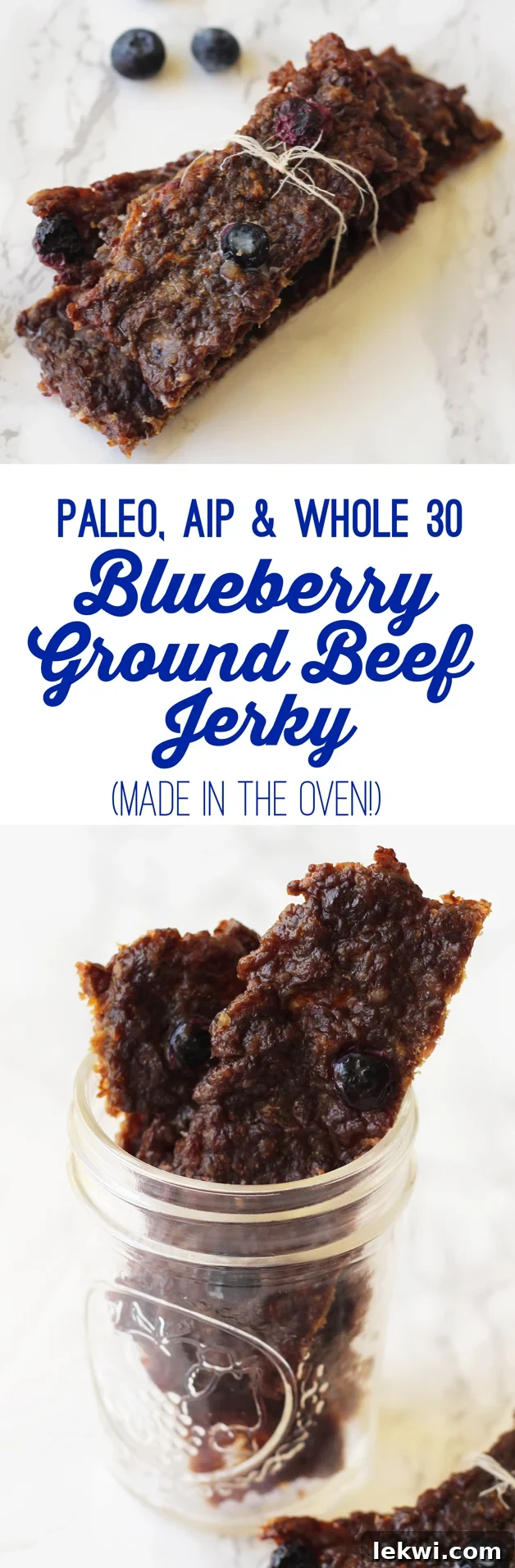
Embarking on a journey towards better health through dietary changes like the Paleo or Autoimmune Protocol (AIP) often reveals a whole new world of food possibilities. For many, this includes discovering or rediscovering wholesome, nutrient-dense snacks. It might sound unusual, but before adopting these protocols, the idea of beef jerky wasn’t just unappealing—it was practically a foreign concept. Years of struggling with gut health and digestion had fostered a strong aversion to meat. Moreover, the beef jerky commonly found in stores typically consists of questionable ingredients, loaded with preservatives, artificial flavorings, and often, mystery meat. These factors combined made it something I never considered trying.
However, the demands of the Autoimmune Protocol, particularly the need for convenient, portable protein sources for travel, shifted my perspective. Reluctantly, I delved into extensive research, determined to find a homemade beef jerky recipe that was both cost-effective to make in a conventional oven and genuinely delicious. After numerous attempts and refinements, I finally perfected my signature Blueberry Beef Jerky, crafted entirely in the oven using nutrient-rich grass-fed ground beef. This recipe became a game-changer, offering a clean and satisfying snack that fit perfectly within my dietary guidelines.
My culinary adventures led me to discover Epic Bars, which quickly became a personal favorite. These thicker jerky bars, often sweetened with dried fruit and seasoned with ingredients like garlic and onion, offer a fantastic convenience. While Epic Bars remain a staple on my travel food list, the cost-effectiveness of making my own jerky for regular consumption is undeniable. This homemade version, especially, provides a delightful balance of flavor and economy, making it an indispensable part of my healthy eating routine.
Crafting Your Own Healthy Jerky: Essential Ingredients
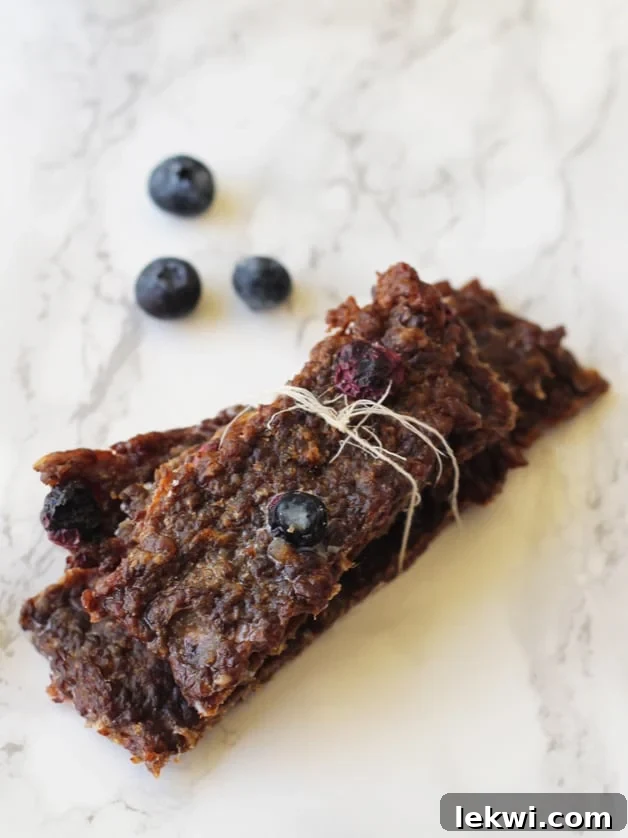
One of the most appealing aspects of this blueberry beef jerky recipe, reminiscent of a DIY Epic Bar, is its minimalist ingredient list. Simplicity doesn’t mean sacrificing flavor or nutritional value; rather, it highlights the quality of each component. Here’s a closer look at what you’ll need and why each ingredient is crucial for a delicious and healthy outcome:
Grass-Fed Ground Beef: The Foundation of Flavor and Nutrition
The emphasis on grass-fed ground beef is paramount. From a biological perspective, cows are designed to graze on grass, not consume grains and the myriad of unhealthy substances often found in feedlots. Just like humans, the health of an animal is directly influenced by its diet. When cows are fed an unnatural diet, their health can deteriorate, impacting the nutritional quality of their meat. Consuming non-grass-fed beef may offer fewer health benefits and can even contribute to inflammatory responses in the body, whereas grass-fed beef is known for its superior nutritional profile, including higher levels of omega-3 fatty acids, conjugated linoleic acid (CLA), and essential vitamins.
My initial attempts at making beef jerky involved expensive cuts of flank steak, which proved unsustainable for regular jerky production. The cost was prohibitive, and achieving consistent cooking times in the oven was a challenge. It was a revelation when I received the ingenious suggestion at a local farmer’s market to use ground beef instead. While it seemed like an unconventional choice for jerky, the method works exceptionally well, provided the ground beef is flattened incredibly thin. This approach not only makes the jerky far more economical but also results in a product that is easier to chew and, in my experience, simpler to prepare. It truly transforms the homemade jerky process, making it accessible and affordable for anyone.
Fresh Blueberries: A Burst of Natural Sweetness and Antioxidants
The inspiration for incorporating fruit into my homemade beef jerky stemmed from my enjoyment of bison cranberry Epic Bars. Their unique blend of savory and sweet sparked the idea of adding blueberries to my own recipe. After some experimentation, I discovered that blueberries offer a delightful complementary flavor profile that perfectly balances the rich taste of the beef.
I specifically opt for fresh blueberries over dried ones in this recipe for several compelling reasons. Fresh blueberries contain significantly less sugar than their dried counterparts, which aligns better with clean eating protocols. Furthermore, they undergo a partial drying process within the oven as the jerky cooks. While they don’t fully dehydrate to the extent of store-bought dried blueberries, they dry just enough to become chewy and concentrated in flavor, contributing to the jerky’s unique texture and taste without excessive sweetness.
High-Quality, Unrefined Salt: More Than Just a Flavor Enhancer
Salt has often been demonized, but in its unrefined form and consumed in moderation, it is far from detrimental. High-quality unrefined salt is a vital source of essential minerals and, of course, a fundamental flavor enhancer. The problem arises with refined salt, which is often stripped of its natural minerals through harsh processing, leaving behind a product that is nutritionally depleted and can contribute to health issues.
For this recipe, I highly recommend using sea salt, pink Himalayan salt, or Redmond Real Salt. These options are unrefined, meaning they retain their natural mineral content, which includes trace elements beneficial for hydration and overall bodily functions. By choosing an unrefined salt, you’re not just seasoning your jerky; you’re also adding a healthy dose of natural minerals, ensuring your homemade snack is as nourishing as it is delicious.
No Dehydrator? No Problem! Your Oven Is All You Need
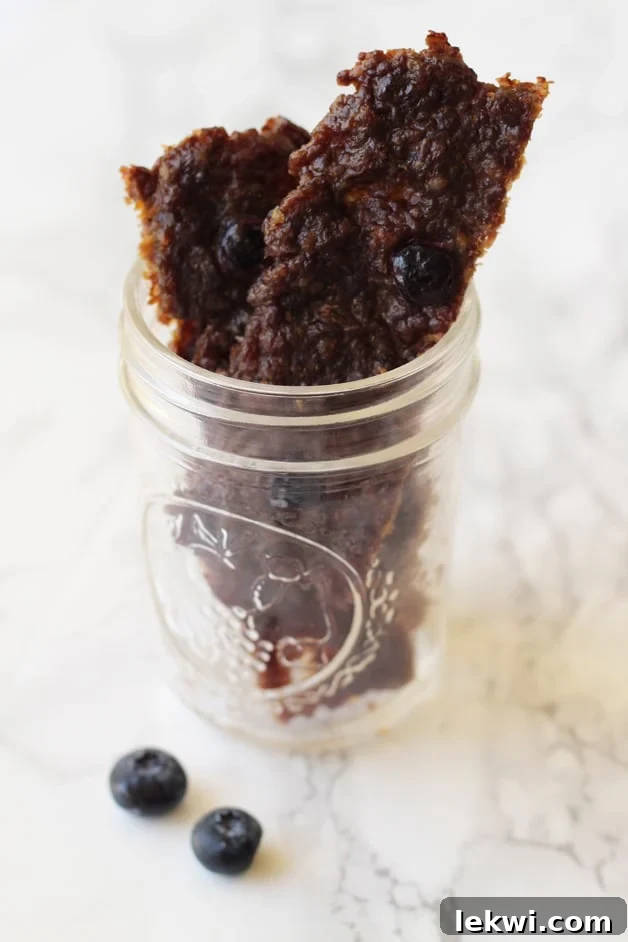
Many aspiring jerky makers believe that a dedicated dehydrator is a mandatory piece of equipment. While a dehydrator certainly has its uses and remains on my kitchen wish list, it’s often an expensive investment and not always essential for every recipe. This homemade blueberry beef jerky is a perfect example; it can be effortlessly made using a standard oven, proving that gourmet results don’t require specialized gadgets.
The key to oven-made jerky lies in setting your oven to a consistently low temperature, typically around 170°F (approximately 77°C). This low heat is ideal for gradually dehydrating not only jerky but also fruits, vegetables, and nuts, transforming them into perfectly preserved snacks. While it’s true that the process requires your oven for an extended period, usually 10-12 hours, this can be managed efficiently by running it overnight or during times when you wouldn’t otherwise be using your oven. This method makes homemade jerky accessible to everyone, regardless of their kitchen appliance arsenal.
Blueberry Beef Jerky Made in The Oven with Ground Beef
Blueberry Beef Jerky Made in The Oven with Ground Beef (Paleo, AIP, Whole 30)
Author: Michelle
Ingredients
- 1 lb grass-fed ground beef
- 1 tsp sea salt
- ½ tsp black pepper (omit for AIP)
- 1 tsp coconut aminos
- ½ cup fresh blueberries
Instructions
- Preheat the oven to 170 F (77°C) and line 2 baking sheets with parchment paper.
- Add 1 lb of ground beef to a bowl and season with 1 tsp of sea salt, ½ tsp of black pepper (if not following AIP), and 1 tsp coconut aminos. Mix all ingredients thoroughly to ensure even distribution.
- Split the seasoned ground beef in half, placing each half onto a separate parchment-lined baking sheet. Using your hands (remember to wash them vigorously afterwards!) or a rolling pin between two sheets of parchment paper, flatten the ground beef as thinly and evenly as possible across the entire surface of each sheet. Aim for a consistent thickness to ensure even drying.
- Once the beef is flattened, begin adding the ½ cup of fresh blueberries. Distribute them evenly over the meat, gently pushing each blueberry into the ground beef to secure it.
- At this stage, you have the option to cut the ground beef into desired jerky strip sizes while it’s still uncooked, or you can wait until it’s fully cooked and dehydrated. Cutting it uncooked is generally easier. Place the baking sheets in the preheated oven and dehydrate for 10-12 hours. Midway through the cooking time (after about 5-6 hours, give or take), remove the sheets and carefully flip the jerky strips to ensure uniform drying.
- Remove the jerky from the oven once it is thoroughly cooked and properly dehydrated. The jerky should be firm, pliable, and no longer pink in the center. It should have a leathery texture.
- Allow the jerky to cool completely before storing it. Keep it in an airtight container in the refrigerator to maintain freshness. Enjoy this healthy, quick, and satisfying snack!
All nutrition facts are estimated and will vary based on ingredients and preparation.
Customization and Serving Suggestions for Your Homemade Jerky
While the blueberry and grass-fed beef combination is incredibly satisfying, this recipe provides an excellent foundation for customization. For those who aren’t strictly following AIP, you can experiment with a wider array of spices such as garlic powder, onion powder, or a hint of smoked paprika for a deeper, more traditional jerky flavor. If blueberries aren’t your preference, consider other AIP-friendly fruits like finely chopped dates or a touch of applesauce mixed into the beef for a subtle sweetness and different textural element. Always be mindful of your dietary restrictions when adding new ingredients.
This homemade jerky is incredibly versatile. It makes for an ideal grab-and-go snack, providing sustained energy during busy days. For a more substantial option, it can be chopped and added to salads or used as a protein boost in a packed lunch. When traveling, especially on long trips, this jerky becomes an invaluable food item. Although I recommend storing it in the fridge due to the blueberries not being fully dehydrated, it pairs perfectly with an ice pack in a cooler bag, making it far more practical and less messy to transport than, say, a container of meatballs!
Making your own jerky not only puts you in control of the ingredients but also offers a satisfying sense of accomplishment. The effort invested in preparing this wholesome snack is rewarded with a delicious, nutrient-packed treat that supports your health goals. Whether you’re adhering to Paleo, AIP, or Whole30, or simply seeking cleaner snack options, this blueberry beef jerky will quickly become a cherished recipe. My husband and I genuinely enjoy this staple, and I hope you find as much pleasure and benefit from it as we do!
Did you make this recipe? Tag @unboundwellness on Instagram and hashtag #unboundwellness!