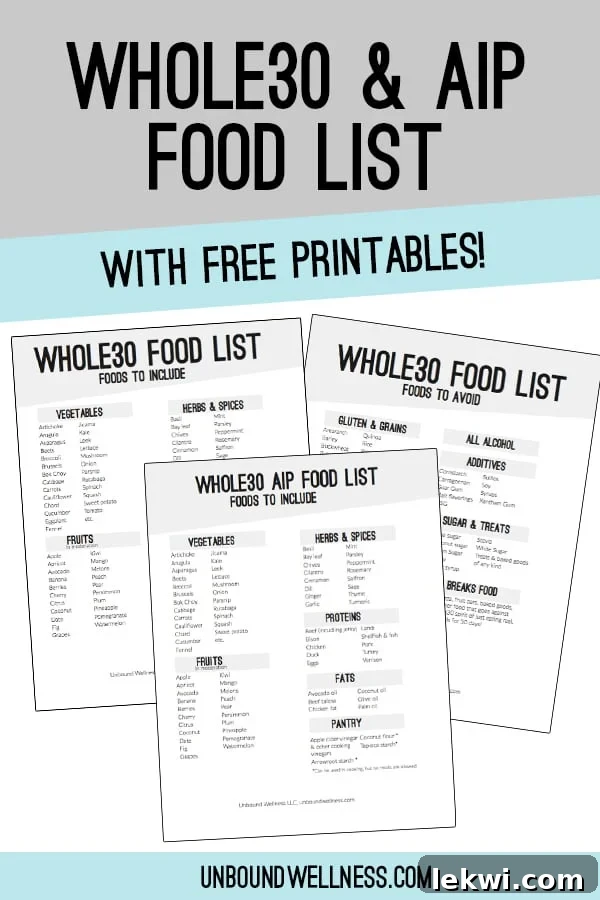
Embarking on a journey towards optimal health can often feel overwhelming, especially when navigating the complex world of dietary protocols. For many, the Whole30 program stands out as a powerful 30-day reset, designed not merely for weight loss, but for a profound transformation in one’s relationship with food, a reduction in inflammation, and a complete recalibration of taste buds and metabolic health. This comprehensive guide provides an invaluable resource: a definitive Whole30 food list to keep you on track, alongside a specialized Whole30 and Autoimmune Protocol (AIP) crossover list, tailored to support those managing autoimmune conditions.
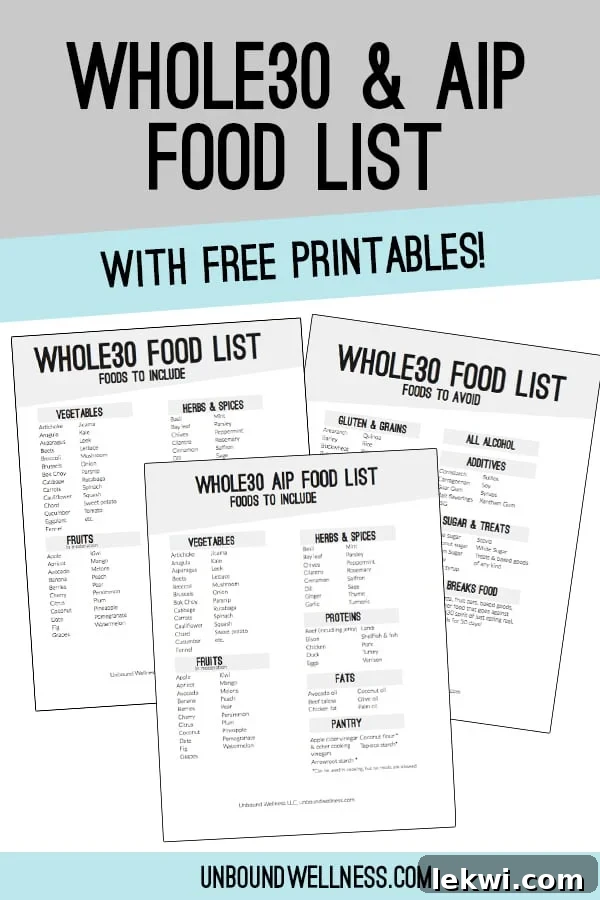
Download the Essential Whole30 Printable Food List | Download the Detailed AIP Whole30 Printable Food List
Understanding the Whole30 Philosophy: A Transformative 30-Day Reset
When I first encountered the Whole30 program, my initial thought was similar to many: “Why would I need this? I already eat healthily!” However, the Whole30 is far more than a simple diet or a checklist of good-for-you foods. It’s a meticulously designed 30-day nutritional reset that fundamentally reshapes your relationship with food, focusing on whole, unprocessed, nutrient-dense ingredients while systematically eliminating common inflammatory culprits. Unlike traditional diets, the Whole30 isn’t about counting calories, weighing portions, or obsessing over macros. Its core objective is to empower you to discover how certain foods affect your body and mind, helping you identify potential food sensitivities and break free from unhealthy cravings, especially sugar addiction.
For a full 30 days, you commit to eating only real, whole foods, giving your digestive system a much-needed break from ingredients that often trigger inflammation, hormonal imbalances, and energy crashes. This includes removing grains, dairy, legumes, alcohol, and all forms of added sugar – even “healthy” ones. The result is often a profound shift in energy levels, sleep quality, skin clarity, and mood, leading to a renewed appreciation for truly nourishing foods. While beneficial for everyone, this reset can be particularly impactful for individuals living with autoimmune conditions, offering a structured path to calm systemic inflammation and promote healing.
Beyond Paleo: Why Combine Whole30 with AIP or Other Protocols?
You might be thinking, if I’m already following an Autoimmune Protocol (AIP) or a Paleo diet, why would I need to do a Whole30? Both AIP and Paleo are incredibly healing and supportive lifestyles that focus on nutrient density and the elimination of many problematic foods. However, even within these frameworks, there’s often still room for foods that, while technically “allowed,” might not be serving your highest healing potential, especially in excess. We’re talking about items like paleo-friendly chips, dried fruit, some natural sweeteners, and “treats” made with approved ingredients. While these can certainly make a protocol more sustainable long-term and offer a sense of normalcy, they aren’t necessarily the most healing foods, particularly if consumed frequently or if you’re struggling with specific health goals.
Integrating a 30-day Whole30 offers a powerful opportunity to step away from these “comfort foods” and further refine your palate and relationship with food. It forces a temporary break from anything that could be construed as a treat or snack, pushing you deeper into the realm of truly foundational, unadulterated nourishment. This intentional abstinence can have a dramatic impact on breaking stubborn sugar cravings, identifying subtle food sensitivities that even a Paleo or AIP diet might not fully address, and providing a significant boost to your healing journey and overall well-being. It’s a strategic pause that allows your body to reset, often leading to clearer insights during the reintroduction phase.
Why Choose a Whole30 for Your Health Journey?
The Whole30 is often misunderstood as just another restrictive diet, but its true power lies in its role as a 30-day reset to re-establish a healthy and intuitive relationship with real food. It’s a period of intentional eating designed to help you:
- Break the Sugar Dragon: By eliminating all forms of added sugar, natural and artificial, you dismantle cravings and reset your palate to appreciate the natural sweetness of whole foods.
- Reduce Inflammation: Many common dietary staples like grains, dairy, and legumes are known inflammatory triggers. Removing them for 30 days can significantly calm systemic inflammation throughout your body.
- Identify Food Sensitivities: The structured reintroduction phase that follows the Whole30 is crucial for pinpointing which foods might be causing digestive issues, skin problems, energy dips, or mood swings.
- Improve Gut Health: By removing irritants and focusing on nutrient-dense, fiber-rich foods, the Whole30 supports a healthier gut microbiome.
- Enhance Mental Clarity and Mood: Many participants report improved focus, reduced anxiety, and a more stable mood due to balanced blood sugar and reduced inflammatory responses.
- Transform Your Relationship with Food: Beyond physical changes, the Whole30 encourages mindfulness about eating, helping you move away from emotional eating patterns and toward nourishing choices.
If you feel stuck in a cycle of unhealthy snacking, relying too much on “paleo treats,” or simply need a complete refresh to get back to basics with truly wholesome ingredients, the Whole30 is an ideal path forward.
The Synergistic Power: Combining AIP and Whole30 for Deeper Healing
The Autoimmune Protocol (AIP) is specifically designed for individuals managing autoimmune diseases, with the explicit goal of reducing inflammation, healing the gut lining, and modulating the immune system. While AIP rigorously eliminates many inflammatory foods, it still permits some items that, for certain individuals, might impede deeper healing, particularly if consumed frequently. This is where the strategic combination of AIP and Whole30 becomes profoundly beneficial.
By undertaking an AIP Whole30, you effectively take the already powerful anti-inflammatory foundation of AIP and amplify it with the “no brakes” approach of the Whole30, especially regarding treats and hidden sugars. This combined protocol helps to:
- Further Reduce Inflammatory Load: Eliminating even AIP-compliant treats and certain otherwise healthy foods (like nuts, seeds, and eggs for a temporary period) can create an even more profoundly anti-inflammatory environment in the body.
- Address Stubborn Sugar Cravings: The Whole30’s strict stance on all sugars (natural and artificial) complements AIP beautifully, helping to break any lingering dependencies that might have developed even with natural sweeteners.
- Optimize Gut Repair: The enhanced elimination phase can provide the gut with an optimal environment for healing, as fewer potential irritants are present.
- Gain Deeper Insights: The combined approach allows for an even more thorough diagnostic process during the reintroduction phase, helping you understand precisely which foods your body tolerates best.
While I no longer follow a full AIP protocol myself, I have found immense value in modified versions and believe the AIP Whole30 offers a powerful tool for those needing an intensive reset. Learn more about the core principles of the AIP diet here!
Your Essential Whole30 Food List: What You Can Savor
The beauty of Whole30 lies in its simplicity: focus on real, unprocessed foods. Here’s a detailed breakdown of what you can enthusiastically include in your meals:
- Abundant Vegetables: These should form the cornerstone of your diet. Think vibrant leafy greens (spinach, kale, collards), cruciferous vegetables (broccoli, cauliflower, Brussels sprouts), root vegetables (carrots, parsnips, turnips), and starchy vegetables like sweet potatoes, white potatoes (yes, they’re Whole30!), butternut squash, and plantains. They provide essential vitamins, minerals, and fiber for gut health.
- Wholesome Fruits: Enjoy fruits in moderation, especially if you’re trying to reset sugar cravings. Apples, berries, bananas, oranges, and melon are all excellent choices, providing natural sweetness and antioxidants.
- Quality Proteins: Prioritize high-quality, ethically sourced proteins. This includes lean cuts of chicken, turkey, beef, bison, pork, lamb, and a variety of fish and seafood (salmon, cod, shrimp, scallops). Protein is crucial for satiety, muscle repair, and overall body function.
- Healthy Fats: Embrace beneficial fats that support hormone health, satiety, and nutrient absorption. Approved options include olive oil, avocado oil, coconut oil, ghee (clarified butter, which is permissible as it’s free of lactose and casein), and fats from animal sources (like bacon fat or tallow from grass-fed animals).
- Nuts and Seeds: A great source of healthy fats, fiber, and protein. Almonds, cashews, walnuts, pecans, macadamia nuts, sunflower seeds, pumpkin seeds, chia seeds, and flax seeds are all Whole30 friendly. Remember to enjoy them in moderation, as they can be easy to overeat.
- Pantry Staples and Flavor Enhancers: Utilize a wide array of spices, herbs, vinegars (apple cider, balsamic – check for added sugar), and compliant flours for binding (e.g., coconut flour, almond flour). The key is the *application*: using almond flour to bind meatballs is fine, but making almond flour cookies or pancakes is not, as it violates the “no treats, even with compliant ingredients” rule.
- Black Coffee: Good news for coffee lovers! Black coffee or coffee with a splash of compliant non-dairy milk (like unsweetened almond or coconut milk, free of carrageenan and added sugars) is allowed.
Foods to Strictly Avoid on Your Whole30 Journey
The success of the Whole30 hinges on a strict elimination of certain food groups known to trigger inflammation, digestive upset, and unhealthy cravings. Commit to avoiding these for the full 30 days:
- All Grains: This includes wheat, corn, rice, oats, barley, rye, millet, quinoa, sorghum, and all products made from them (breads, pasta, tortillas, crackers, breakfast cereals). Grains contain compounds that can be inflammatory and contribute to gut issues for many.
- Dairy Products: Say goodbye to milk, cheese, yogurt, kefir, sour cream, and ice cream. The only exception is ghee, which has the milk solids (lactose and casein) removed during the clarification process.
- Legumes: This category includes beans (black beans, kidney beans, pinto beans, green beans), chickpeas, lentils, peanuts (and peanut butter), and soy (soy sauce, tofu, tempeh, edamame). Legumes contain anti-nutrients like phytates and lectins that can irritate the gut.
- Alcohol in Any Form: No beer, wine, spirits, or ciders. This also extends to foods cooked with alcohol or extracts containing alcohol (check vanilla extract labels carefully). Your body will thank you for the break!
- All Added Sugars (Real or Artificial): This is a non-negotiable. Absolutely no honey, maple syrup, agave nectar, coconut sugar, date syrup, stevia, xylitol, erythritol, or artificial sweeteners. The goal is to break the sugar addiction and reset your taste buds.
- Treats, Junk Foods, or “Recreated” Foods: Even if made with Whole30-compliant ingredients, if it looks, feels, or tastes like a non-compliant treat, it’s out. This means no “paleo pancakes,” “zucchini noodles with compliant sauce that tastes like pasta,” or “grain-free cookies.” The psychological aspect of breaking food habits is paramount.
- Common Food Additives: Avoid carrageenan, sulfites, nitrates, MSG, and gums (like xanthan gum, guar gum). The rule of thumb: if you can’t pronounce it or recognize it as real food, it’s best to avoid it. Your 30 days are too precious to compromise.
Download Your Printable Whole30 Food List Here
The Advanced Protocol: What to Avoid on an AIP Whole30
For those committed to the deepest level of healing, particularly with autoimmune conditions, an AIP Whole30 combines the strictness of the Whole30 with the specific exclusions of the Autoimmune Protocol. This “mashup” offers an even greater opportunity to reduce inflammation and identify triggers. In addition to all the foods to avoid on a standard Whole30, an AIP Whole30 requires eliminating:
- Nightshade Vegetables: These common vegetables contain compounds that can exacerbate inflammation in sensitive individuals. Strictly avoid potatoes (white), tomatoes, eggplant, peppers (bell, chili, jalapeño), paprika, and goji berries.
- Eggs: While a healthy protein for many, eggs (especially the whites) can be a significant inflammatory trigger for people with autoimmune conditions. Temporarily removing them can offer profound benefits to gut healing and immune modulation.
- All Nuts and Seeds: Despite being Whole30 compliant, nuts and seeds can be problematic on AIP due to their potential to irritate a compromised gut lining and their phytic acid content. This includes nut flours and seed-based spices.
- Certain Additives and Seed Oils: While the Whole30 allows for some leniency with minor additives like citric acid or occasional exposure to seed oils (like canola or sunflower oil) when eating out, these are strictly forbidden on an AIP Whole30. The goal is absolute purity for maximum healing.
- Coffee: While standard Whole30 allows black coffee, the AIP Whole30 recommends cutting it out. Caffeine can impact blood sugar regulation, stress hormones, and gut integrity, all of which are crucial considerations for autoimmune healing. Many find a significant reduction in inflammation and improved sleep quality by removing coffee.
Download Your Printable AIP Whole30 Food List Here
Nourishing & Delicious: My Favorite Whole30 Recipes (That Are Also AIP!)
Embarking on a Whole30 or AIP Whole30 doesn’t mean sacrificing flavor or variety. In fact, it often sparks incredible culinary creativity! Here are some of my go-to recipes that are not only Whole30 compliant but also adhere to the stricter AIP guidelines, proving that healing food can be incredibly delicious:
- Sweet Potato Chicken Poppers: A fantastic protein-packed snack or meal component, full of flavor and easy to make.
- One Pan Chicken Pesto with Veggies: Minimal cleanup, maximum taste. This dish is vibrant, satisfying, and perfect for a busy weeknight.
- Bang Bang Shrimp: A healthy, compliant take on a restaurant favorite, offering a burst of flavor without the inflammatory ingredients.
- Homemade Ground Beef Jerky: This is an absolute lifesaver to have on hand for a Whole30, especially when you need a quick, compliant protein source on the go.
- Mexican Breakfast Skillet: A hearty and flavorful way to start your day, packed with vegetables and satisfying protein.
Keys to Success: Tips, Tricks, and Essential Reminders for Your Whole30
A successful Whole30 requires more than just knowing what to eat and what to avoid; it demands a strategic approach and a strong mindset. Here are crucial tips to guide you through your 30-day transformation:
- Cultivate a Positive Mindset from Day One: Your mental approach is everything. Instead of viewing the Whole30 as a period of deprivation, reframe it as a powerful opportunity for healing, self-discovery, and recalibration. Embrace these 30 days as a gift you’re giving your body and mind, a chance to truly understand how food impacts your well-being. A positive outlook significantly boosts your chances of success.
- Remember, This is Not Forever: The Whole30, like AIP and strict Paleo, is designed as a short-term healing protocol, not a lifelong prison sentence. Its purpose is to reset, heal, learn, and then strategically reintroduce foods to discover what truly works for your unique body. You may revisit these strict protocols for a reset in the future, or integrate the principles into your daily life, but strict elimination diets are not meant to last indefinitely. This temporary nature makes the commitment more manageable.
- Strategic Planning is Your Best Friend: This cannot be stressed enough. Lack of planning is the number one reason people “crash and burn” on Whole30. Dedicate time each week to plan your meals, grocery shop, and prep food in advance. Cook larger batches of protein, chop vegetables, and make emergency snacks like my ground beef jerky or roasted sweet potatoes. Having compliant food readily available prevents impulsive, non-compliant choices when hunger strikes.
- Harness the Power of Support: You don’t have to do this alone. Seek out community support, whether it’s a friend who commits to a Whole30 with you, or tapping into the vast online Whole30 community. Share your journey, ask questions, and celebrate small victories. My personal hashtag is #unboundwellnessw30 if you’d like to follow along and connect. Additionally, the official Whole30 website and their extensive collection of books offer an abundance of resources, recipes, and encouragement.
- Prioritize Sleep and Stress Management: Diet is just one piece of the wellness puzzle. Ensure you’re getting adequate, restorative sleep and actively managing stress through practices like meditation, gentle movement, or spending time in nature. These factors profoundly impact inflammation, hormones, and your ability to stick to the protocol.
- Read Labels Meticulously: Be prepared to scrutinize every ingredient list. Hidden sugars, non-compliant oils, and additives lurk in many seemingly innocent products. If in doubt, stick to whole, unprocessed ingredients.
- Don’t Forget the Reintroduction Phase: The 30 days are just the beginning. The magic truly happens during the reintroduction phase, where you systematically reintroduce eliminated food groups one by one to observe your body’s response. This is how you gain lasting insights into your personal food sensitivities and build a sustainable, personalized diet.
The Whole30 program, whether done alone or combined with AIP, is a powerful investment in your health. With these comprehensive food lists and practical tips, you are well-equipped to embark on a transformative journey towards greater well-being and a healthier relationship with food. Download your printables, plan your meals, and get ready to discover the profound impact of truly nourishing your body!