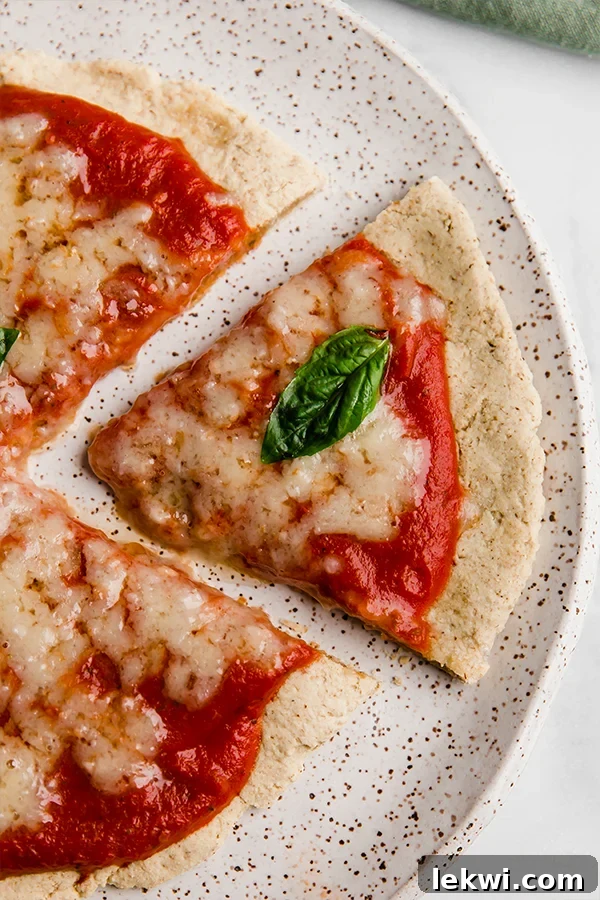
The Ultimate AIP Tigernut Flour Pizza Crust: Your Allergen-Friendly Pizza Solution
Craving a delicious pizza without compromising your dietary needs? Look no further! This remarkable AIP Tigernut Flour Pizza Crust recipe is your ticket to enjoying a truly satisfying, homemade pizza experience. Specially crafted to be Autoimmune Protocol (AIP) compliant, grain-free, paleo, and completely free of eggs, nuts, and other common allergens, this crust proves that healthy eating doesn’t mean sacrificing flavor or comfort. Get ready to rediscover the joy of pizza night with a crust that’s both wholesome and incredibly delicious!
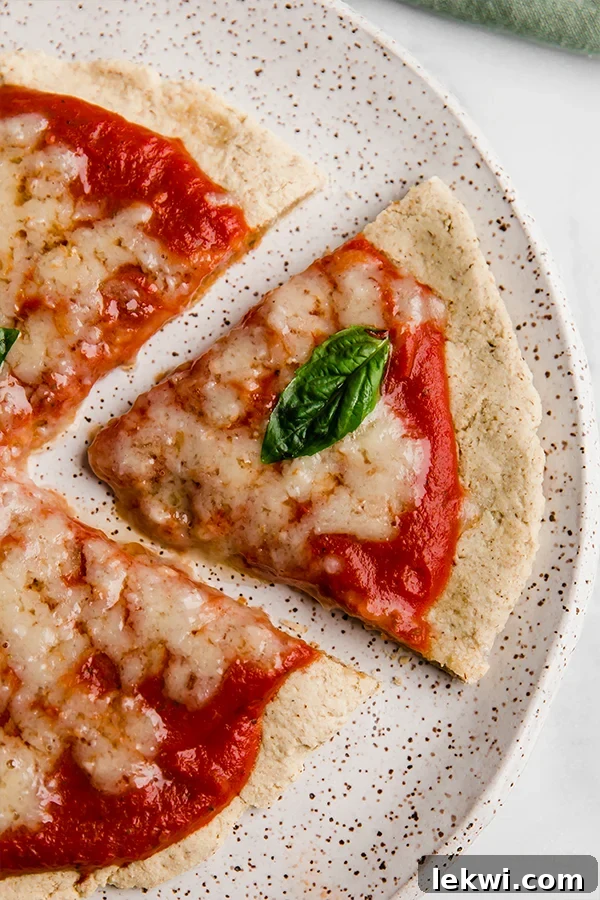
Why an AIP Tigernut Flour Pizza Crust? The Solution to Your Cravings
For many embarking on the Autoimmune Protocol (AIP) diet or simply navigating a grain-free and allergen-sensitive lifestyle, the thought of giving up beloved comfort foods like pizza can feel daunting. That familiar, savory slice often leaves a significant void, creating a longing for a taste of the past. But what if you could enjoy a homemade pizza that not only aligns with your dietary restrictions but also tastes incredibly satisfying and authentic? This tigernut flour pizza crust offers exactly that: a revolutionary way to enjoy your favorite food, completely grain-free, paleo, and AIP-friendly. It’s an easy, at-home option that allows you to customize your pizza night with any compliant toppings you desire, transforming dietary limitations into culinary opportunities. Imagine sinking your teeth into a warm, crispy crust, loaded with your favorite ingredients, all made from scratch with your health in mind.
Understanding the Autoimmune Protocol (AIP) and Dietary Freedom
The Autoimmune Protocol (AIP) is a specialized dietary and lifestyle approach designed to help individuals manage autoimmune conditions and reduce inflammation. It focuses on meticulously eliminating foods that may trigger an immune response or contribute to gut dysbiosis, while simultaneously emphasizing nutrient-dense foods that support gut healing and overall well-being. Common eliminations during the initial phase of AIP include grains (like wheat, rice, corn), dairy products, legumes, nuts, seeds, eggs, nightshade vegetables (such as tomatoes, potatoes, peppers, eggplant), and processed sugars. While these restrictions can seem extensive at first glance, they pave the way for a healing journey and often lead to significant improvements in symptoms. The true beauty of recipes like this AIP tigernut flour pizza crust lies in their ability to provide delicious, compliant alternatives to classic comfort foods, ensuring that following AIP doesn’t mean a life of deprivation. Instead, it encourages creativity in the kitchen and the exciting rediscovery of a new world of flavorful, wholesome ingredients that nourish your body.
The Magic of Tigernut Flour: A Nut-Free, Grain-Free Wonder
Central to the success and unique texture of this incredible pizza crust is tigernut flour, an ingredient that often piques curiosity and surprises those new to AIP or allergen-free baking. Despite its misleading name, tigernut is emphatically not a nut at all! It is actually a small, nutrient-dense tuber, scientifically known as a chufa sedge, with a lineage more closely related to potatoes or sweet potatoes than to tree nuts. This crucial distinction makes tigernut flour an excellent and safe choice for individuals with nut allergies, offering a versatile flour option where traditional nut flours are off-limits.
Tigernut flour boasts a slightly sweet, subtly earthy, and almost nutty flavor profile, which lends itself beautifully to both sweet and savory culinary applications. It is naturally gluten-free, grain-free, and paleo-friendly, aligning perfectly with strict dietary protocols. Beyond its allergen-friendly status, tigernut flour is a nutritional powerhouse, rich in dietary fiber, which is essential for digestive health. It’s also packed with beneficial prebiotics, fibers that feed the good bacteria in your gut, thereby supporting a healthy microbiome and contributing to overall wellness. Its unique starch and fiber composition helps create a surprisingly pliable dough and a delightful, slightly chewy texture in the baked crust, providing the structure and satisfying mouthfeel needed for a truly authentic pizza experience without any of the common allergens or inflammatory ingredients. Discovering and utilizing tigernut flour can truly revolutionize your AIP and allergen-friendly baking.
Essential Ingredients for Your Perfect AIP Pizza Crust
Crafting an AIP-friendly pizza crust that delivers on both taste and texture requires a careful selection of ingredients that strictly adhere to dietary guidelines. Each component in this recipe plays a crucial, synergistic role in achieving a crust that is not only compliant but also utterly delicious, satisfying, and reminiscent of traditional pizza.
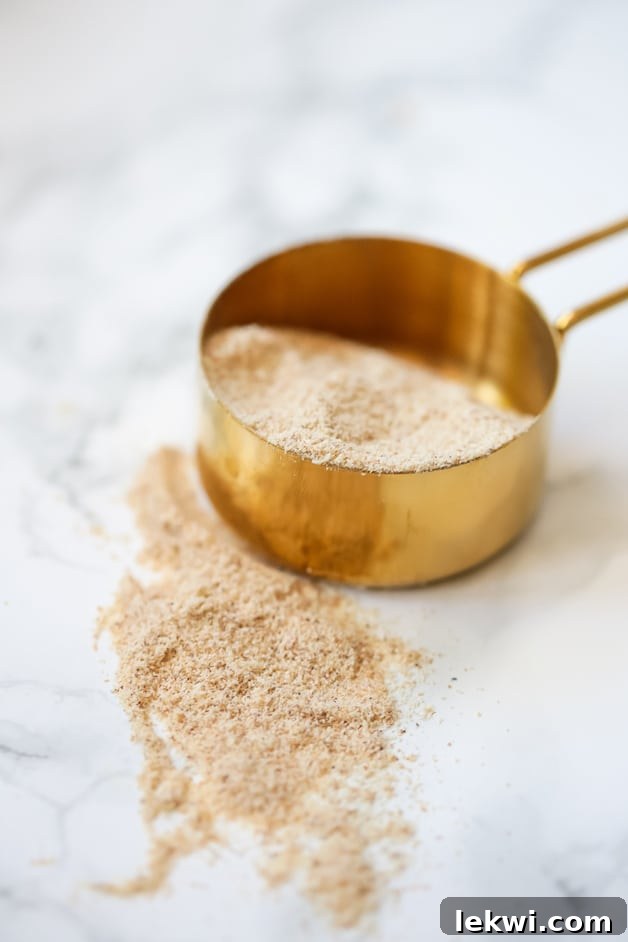
- Tigernut Flour: The Foundational Flour. As mentioned, this incredibly versatile flour forms the primary bulk of our crust. Its fine texture, natural sweetness, and unique fibrous composition contribute to a crust that is both flavorful and structurally sound. For optimal results and a smooth dough, always opt for finely ground tigernut flour. It’s the hero ingredient that makes this crust possible.
- Tapioca Starch (or Arrowroot Starch): The Essential Binder and Crisper. Tapioca starch, often labeled as tapioca flour, is an indispensable ingredient for providing elasticity and binding the dough together. Its starchy nature gives the dough a desirable chewiness and helps achieve a delightful crispness on the exterior of the baked crust. If tapioca starch isn’t readily available in your local stores, arrowroot starch (or arrowroot powder) makes an excellent 1:1 substitute, offering very similar binding and textural properties that are crucial for a successful gluten-free and grain-free dough.
- Olive Oil (or Avocado Oil): For Richness and Dough Flexibility. A high-quality oil is vital for adding a nuanced richness to the dough, enhancing its flavor profile, and contributing significantly to its pliability and moisture content. Extra virgin olive oil is a fantastic choice, imparting a pleasant savory note and providing healthy monounsaturated fats. Alternatively, avocado oil can be used as a more neutral-flavored, yet equally AIP-compliant, substitute. Both oils help create a tender crust that isn’t dry or brittle.
- Gelatin Powder: The Ingenious Egg-Free Binder. Since eggs are typically excluded during the elimination phase of the AIP diet, gelatin powder steps in as our ingenious egg substitute, creating what is commonly referred to as a “gelatin egg.” When properly prepared and activated, it provides the necessary binding and structural integrity that eggs would normally offer in conventional baking. It is absolutely crucial to use unflavored gelatin powder for this recipe; collagen peptides or other forms of collagen will not provide the same gelling and binding properties required to hold the dough together effectively.
- Baking Soda & Apple Cider Vinegar: The Natural Leavening Duo. This dynamic combination acts as our natural leavening agent, working together to give the crust a desirable light and slightly airy texture. The acidic apple cider vinegar reacts with the alkaline baking soda, creating tiny carbon dioxide bubbles within the dough. These bubbles expand during baking, helping the dough to rise slightly and become tender, rather than dense.
- Salt: The Essential Flavor Enhancer. A small but mighty pinch of good quality salt is indispensable for balancing all the flavors in the crust and enhancing the overall savory taste. It ensures that your crust isn’t bland and perfectly complements the toppings you’ll add later.
Step-by-Step Guide: Crafting Your AIP Tigernut Flour Pizza Crust
Making your own AIP pizza crust at home is a rewarding experience, offering complete control over ingredients and ensuring a truly compliant meal. This recipe is designed to be straightforward and accessible, even for those new to gluten-free or AIP baking. Follow these detailed steps carefully to create a perfect, grain-free foundation for your next pizza masterpiece.
Preparation is Key: Oven and Baking Sheet
Begin by preheating your oven to 350°F (175°C). Achieving the correct oven temperature before you start baking is crucial for even cooking and proper crust development. While the oven heats, prepare your baking surface. Line a standard baking sheet with a sheet of parchment paper. Then, lightly grease the parchment paper with a small amount of olive oil or avocado oil. This essential step prevents the dough from sticking during baking and helps to achieve a beautifully browned and crispy bottom crust, a hallmark of a great pizza. Proper preparation truly sets the stage for a successful and delicious outcome.
Mixing the Dry and Wet Ingredients: Initial Combine
In a medium-sized mixing bowl, combine the dry base ingredients. Carefully sift together the tigernut flour and tapioca starch (or arrowroot starch). Sifting is an important step as it helps to break up any lumps in the flours and ensures a smoother, more consistent dough texture later on. Once sifted, add the olive oil, baking soda, apple cider vinegar, and salt to the flour mixture. Using a spoon or spatula, stir these ingredients thoroughly until they are well combined. At this initial stage, the mixture will likely resemble a crumbly, somewhat dry dough. Set this bowl aside while you proceed to prepare the gelatin egg, which will be the crucial liquid binder.
The Gelatin Egg: Your Secret Egg-Free Binder
The gelatin egg is the binding magic that makes this AIP pizza crust possible in the absence of traditional eggs. To prepare it, add the specified amount of cold water to a small saucepot. Slowly and evenly sprinkle the gelatin powder over the surface of the cold water. Allow it to sit undisturbed for about 3-5 minutes until the gelatin “blooms” and hardens into a thick, opaque mass. This crucial “blooming” process ensures that the gelatin fully hydrates and will melt smoothly. Once bloomed, place the pot on the stove over very low heat. Gently melt the gelatin, stirring occasionally, until it becomes a clear, completely liquid consistency. This typically takes just a minute or two; be careful not to let it boil, as high heat can reduce its gelling properties. Remove the pot from the heat and, using a whisk, vigorously whisk the melted gelatin. Continue whisking energetically until it transforms into a frothy, light, and airy mixture, almost like beaten egg whites. The frothy texture indicates it’s properly activated and ready to bind your dough.
Combining the Gelatin Egg with the Dough
Immediately after achieving the frothy gelatin egg, add it directly to your prepared flour mixture in the medium bowl. Work quickly, stirring vigorously with a sturdy spoon or spatula to incorporate the gelatin egg completely and evenly into the dough. It is imperative to do this while the gelatin is still warm and pliable; if it cools too much, it will start to set and won’t mix into the dough properly. Continue mixing until a cohesive, slightly sticky dough forms. This is where the magic truly happens, as the gelatin transforms the crumbly mixture into a workable dough that will hold its shape. The dough should be soft but manageable.
Forming the Perfect Crust
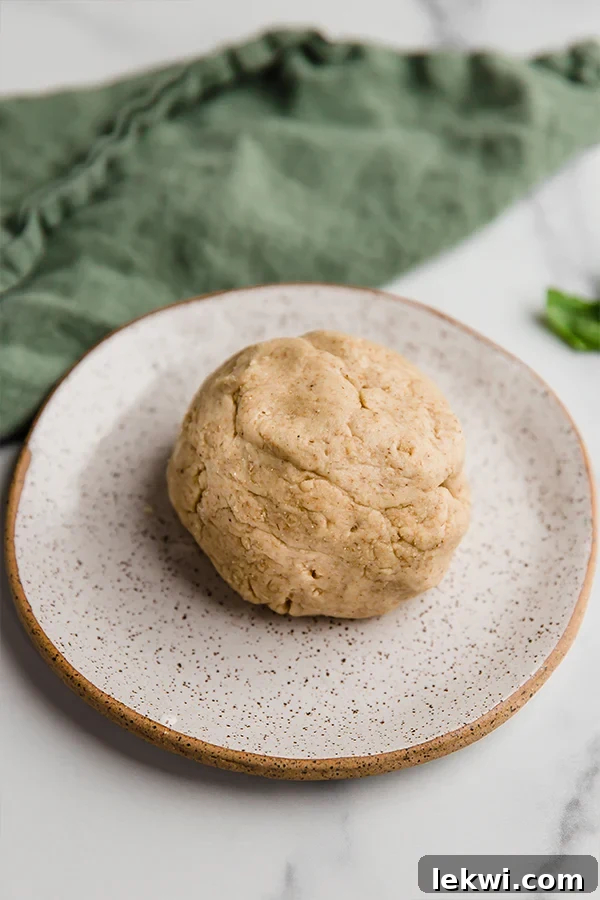
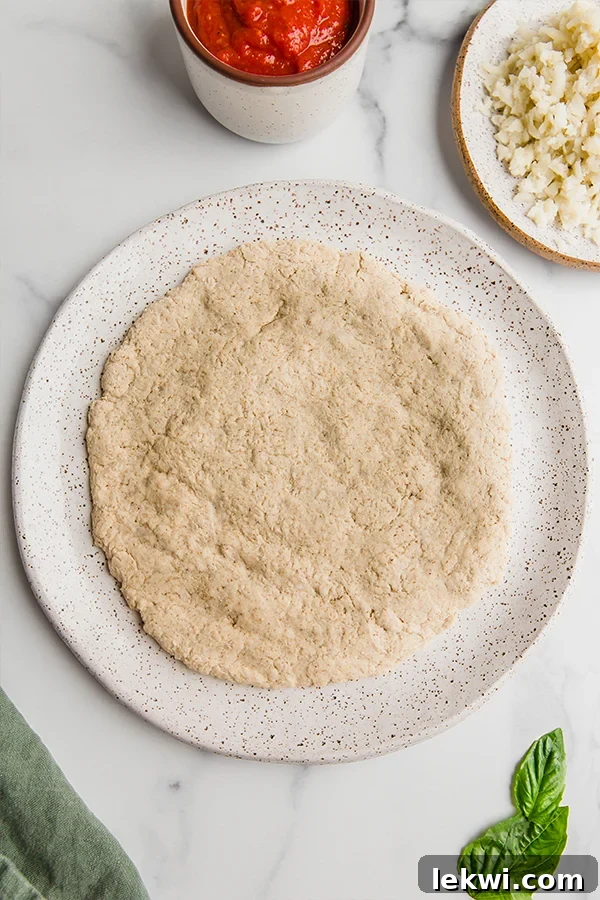
To make handling the dough easier and prevent it from sticking to your hands, lightly grease your palms with a small amount of olive oil. This simple trick helps you achieve a smooth, even finish for your crust. Take the cohesive dough and form it into a neat ball. Place this dough ball onto the center of your prepared baking sheet. Using your greased hands, gently and evenly flatten the dough, pressing it outwards from the center to form an 8-inch circular shape. Aim for a consistent thickness throughout the crust to ensure uniform baking and prevent some areas from being undercooked or overcooked. If desired, you can create a slightly raised edge around the perimeter to give it a more traditional pizza crust look and to help contain your toppings.
Baking the Crust to Perfection (Par-baking)
Carefully transfer the baking sheet with your beautifully formed crust to the preheated oven. Bake for approximately 15-17 minutes. The goal during this initial bake, often referred to as “par-baking,” is to harden the crust sufficiently so it can hold your toppings without becoming soggy, and to develop a good initial texture. You’ll know it’s ready when the crust appears firm to the touch and the edges are slightly golden brown. This step is crucial for achieving a sturdy and pleasant base for your pizza. Once par-baked, carefully remove the crust from the oven.
Adding Toppings and Final Bake
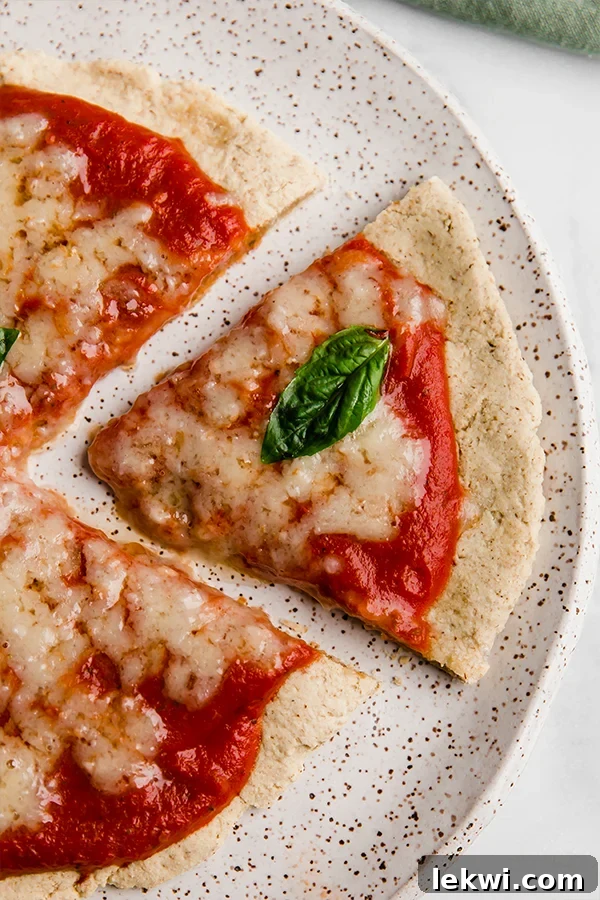
Now comes the most exciting part: customization! Generously add your desired AIP-compliant toppings to the par-baked crust. This is where you can unleash your creativity with your favorite sauces, proteins, and a colorful array of vegetables (you’ll find more topping ideas below!). Once topped, gently return the pizza to the oven for another 3-5 minutes. The exact duration of this final bake will depend on your chosen toppings; you’re looking for the toppings to be thoroughly heated through, any AIP cheese alternatives to melt and become bubbly, and the crust to achieve a beautiful golden hue and a satisfying crispness. Once perfectly baked, remove from the oven, allow it to cool slightly on the baking sheet for a few minutes to firm up, then slice into wedges and serve immediately.
Pro Tips and FAQs for Your AIP Pizza Crust
To ensure your AIP tigernut flour pizza crust turns out perfectly every time, and to answer some common questions you might have about working with these unique ingredients, here are some expert tips and frequently asked questions. Mastering these insights will elevate your homemade AIP pizza experience.
Making Ahead & Storage Tips
Strategic meal planning can significantly simplify your busy week! You can absolutely cook this AIP pizza crust fully ahead of time to save for later. Once baked and completely cooled to room temperature, wrap the crust tightly in plastic wrap or place it in an airtight container. It can be stored in the refrigerator for up to 3-4 days. This makes it a fantastic option for quick weeknight meals or spontaneous pizza cravings. When you’re ready to enjoy, simply retrieve a pre-cooked crust from the fridge, add your desired AIP-compliant toppings, and bake for the final 3-5 minutes as directed in the recipe to heat through and melt the toppings.
However, it’s very important to note that the raw dough should not be saved or frozen. The gelatin egg binder, which is crucial for the crust’s structure, works best when used immediately after preparation. The dough needs to be cooked promptly once assembled to achieve the desired pliable yet firm texture. Freezing raw dough with gelatin can alter its binding properties and result in a less than ideal crust. Always bake the dough first if you plan to store it.
Tigernut Flour FAQs: All You Need to Know
- Is tigernut a nut? This is by far one of the most common questions surrounding this ingredient, and for good reason, given its name! Despite its designation, tigernut is *not* a nut. It is a small, nutrient-dense tuber, which means it grows underground, much like a sweet potato or a cassava root. This botanical classification makes it a fantastic, safe option for individuals with tree nut or peanut allergies, and a reliable staple in many AIP and paleo dietary approaches. It’s naturally grain-free, gluten-free, and inherently nut-free, offering peace of mind alongside its delicious flavor and nutritional benefits.
- Where do you buy tigernut flour? As tigernut flour gains popularity for its health benefits and allergen-friendly nature, it is becoming increasingly easier to find. Some larger health food stores, specialty grocery stores, or even well-stocked conventional supermarkets may carry it in their gluten-free or alternative flour sections. However, the most convenient and often most cost-effective way to purchase tigernut flour is online. Major e-commerce retailers like Amazon, as well as specialized health food markets such as Thrive Market, typically offer a variety of brands. When purchasing, look for finely ground varieties, as this will result in the smoothest and most consistent dough for baking.
- Can you use other flours for this pizza crust? While tapioca starch and arrowroot starch are generally considered interchangeable (meaning you can use a 1:1 swap) in this recipe due to their similar binding properties and starches, switching out the primary ingredient, tigernut flour, is strongly not recommended. Tigernut flour has a unique starch and fiber composition, along with a distinct flavor and moisture absorption rate, that is integral to the crust’s specific texture and behavior. Substituting it with other flours like coconut flour, cassava flour, almond flour, or other gluten-free blends would drastically alter the recipe’s chemistry and would likely require significant adjustments to liquid ratios, baking times, and other ingredients. Attempting a direct 1:1 substitution with a different primary flour will almost certainly result in a very different, and potentially unsuccessful, outcome. If you are looking for other grain-free pizza options that don’t use tigernut flour, it’s best to explore entirely different crust recipes designed specifically for those alternative flours, such as a zucchini pizza crust, rather than trying to modify this particular recipe.
Customizing Your AIP Pizza: Mouth-Watering Topping Ideas
The true beauty of a versatile, plain pizza crust lies in its potential for customization! Once you have your perfectly baked AIP tigernut flour base, the possibilities for delicious and compliant toppings are virtually endless. Get creative in the kitchen and load your pizza with a vibrant array of flavors and textures that you love, all while staying within your dietary guidelines.
- AIP-Friendly Sauces:
- Nomato Sauce: This is a fantastic nightshade-free alternative to traditional tomato sauce, typically crafted from a blend of ingredients like roasted beets, carrots, sweet potatoes, and savory herbs to achieve a rich, umami flavor and vibrant red color.
- AIP Pesto: Create a homemade pesto without nuts or dairy. A delicious version can be made with fresh basil, extra virgin olive oil, garlic, and nutritional yeast for a cheesy depth.
- Olive Oil and Garlic Base: For a simpler, yet incredibly flavorful approach, brush the crust directly with good quality olive oil and sprinkle with minced fresh garlic and dried oregano before adding other toppings.
- Sweet Potato Puree: A thin layer of seasoned sweet potato puree can offer a creamy, slightly sweet base.
- AIP “Cheese” Alternatives:
- Homemade AIP Mozzarella Cheese: Several innovative recipes exist that feature ingredients like grass-fed gelatin, full-fat coconut cream, and nutritional yeast to ingeniously mimic the texture, stretch, and savory flavor of traditional mozzarella cheese.
- Nutritional Yeast: A simple sprinkle of nutritional yeast directly onto the pizza provides a savory, cheesy flavor without any dairy.
- Dairy-Free Cream Cheese Alternative (AIP-compliant): Some brands offer AIP-friendly cream cheese alternatives made from coconut or cassava that can be dolloped on.
- Protein Powerhouses:
- Cooked Ground Beef: Seasoned simply with AIP-compliant herbs and spices like oregano, basil, and garlic powder.
- Cooked Shredded Chicken: Excellent for a “white pizza” style base or a barbecue-inspired AIP pizza.
- Oven Baked Meatballs: Small, thinly sliced AIP-compliant meatballs add a hearty and satisfying element.
- Crispy Prosciutto or Bacon: Ensure these are from compliant sources (no sugar, nitrates/nitrites, etc.) for a deliciously salty and crispy addition.
- Sautéed Shrimp: For a seafood-inspired pizza.
- Vibrant Vegetables & Flavor Boosters:
- Mushrooms: Sautéed slices of crimini, shiitake, or oyster mushrooms add an earthy umami flavor.
- Onions: Thinly sliced red onions, caramelized onions, or even green onions for a fresh bite.
- AIP-Friendly Greens: Fresh spinach or kale (added after the first bake or lightly sautéed) provide nutrients and a lovely texture.
- Olives: Sliced black or green olives add a briny, salty punch.
- Artichoke Hearts: Canned or jarred (ensure ingredients are AIP-compliant) quartered artichoke hearts are a great addition.
- Broccoli Florets: Steamed or lightly roasted broccoli adds a welcome crunch.
- Asparagus Tips: Fresh asparagus spears add a gourmet touch.
- Fresh Herbs: Basil, oregano, thyme, or parsley, added after the pizza comes out of the oven, will provide a burst of fresh aroma and flavor.
Expanding Your AIP Repertoire: More Delicious Recipes
If you’ve enjoyed the culinary freedom and delicious satisfaction that this AIP tigernut flour pizza crust offers, you’ll be thrilled to discover that many other creative and compliant recipes can help you enjoy comfort food cravings without compromising your health goals. Continue exploring and expanding your AIP cooking skills with these fantastic, wholesome options:
- Cauliflower Breadsticks: Another great option for satisfying that bread-like craving.
- Zucchini Pizza Crust: A lighter, vegetable-based alternative for pizza night.
- Sweet Potato Lasagna: A hearty and comforting casserole that reimagines a classic Italian dish.
- Spaghetti Squash Pizza Casserole: All the flavors of pizza in an easy-to-make casserole form.
- Paleo Pizza Dough Snack Bites: Perfect for appetizers or a quick, savory treat.
AIP Tigernut Flour Pizza Crust Recipe Card
This exceptional AIP Tigernut Flour Pizza Crust provides the perfect homemade base for anyone adhering to the Autoimmune Protocol diet or seeking grain-free, egg-free, and nut-free alternatives. Crafted with wholesome tigernut flour and tapioca starch, it’s designed to make pizza night enjoyable and worry-free for those with specific dietary needs and sensitivities.
Recipe Overview
- Yield: 4 servings
- Average Rating: 4.75 out of 5 stars (based on 4 reviews)
- Prep Time: 10 minutes
- Cook Time: 20 minutes
- Author: Michelle
Ingredients
- ¾ cup tigernut flour
- ⅓ cup tapioca starch
- 2 tbsp olive oil
- 1 tsp apple cider vinegar
- ¼ tsp baking soda
- ¼ tsp salt
- ¼ cup water
- 1 tbsp gelatin powder
Instructions
- Preheat the oven to 350°F (175°C) and line a baking sheet with lightly greased parchment paper.
- In a medium mixing bowl, sift the tigernut flour and tapioca starch together. Stir in the olive oil, baking soda, apple cider vinegar, and salt. Set aside.
- For the gelatin egg: Add the water to a small saucepot and slowly pour over the gelatin. Allow it to harden (bloom) for a few minutes. Place the pot on the stove and turn it on low heat. Slowly melt the gelatin (this will take just a minute or two) and remove it from the heat. Vigorously whisk the gelatin until it becomes frothy. Add the frothy gelatin egg to the pizza dough immediately and stir well to combine.
- Grease your hands with olive oil and form the pizza dough into a ball. Place it onto the baking sheet and flatten it to an 8-inch circle.
- Transfer to the preheated oven and bake for 15-17 minutes or until hardened and lightly golden.
- Remove from the oven, add your desired AIP-compliant toppings, and bake for another 3-5 minutes (depending on the toppings) until heated through and golden.
- Slice and serve once slightly cooled to allow the crust to set.
Notes
All nutritional information provided is an estimation and will vary based on specific ingredients, brands, and preparation methods. These estimations do not include any optional ingredients or toppings you might add to your pizza.
Nutrition Information (Estimated per serving)
- Serving Size: 1 serving (of crust)
- Calories: 159 kcal
- Carbohydrates: 14.9g
- Protein: 3g
- Fat: 12.3g
- Fiber: 7.5g
Please remember that all nutrition facts are estimated and will vary.
Did You Make This Recipe?
We’d love to see your culinary creations! Share your delicious AIP Tigernut Flour Pizza Crust with our community. Tag @unboundwellness on Instagram and use the hashtag #unboundwellness! Your cooking journey inspires us all.