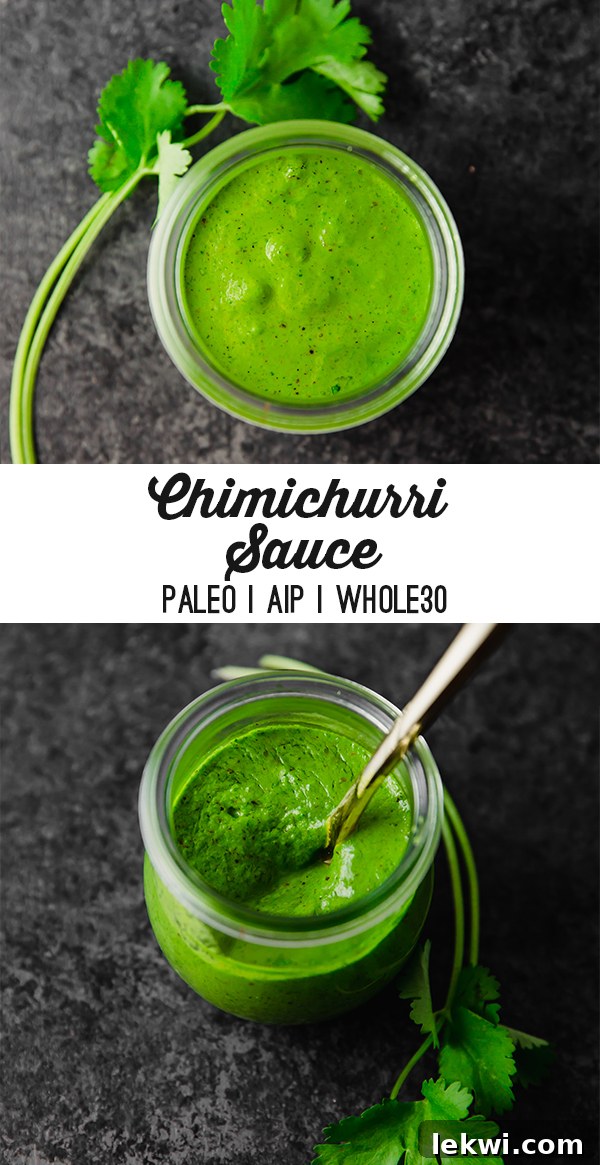
The Ultimate Nightshade-Free Chimichurri Sauce: Fresh, Flavorful, and Diet-Friendly
Discover how to effortlessly prepare a vibrant and incredibly versatile chimichurri sauce that’s not only bursting with fresh flavors but also perfectly aligned with Whole30, Paleo, Vegan, AIP (Autoimmune Protocol), and nightshade-free dietary needs. This easy-to-make condiment will elevate any meal!
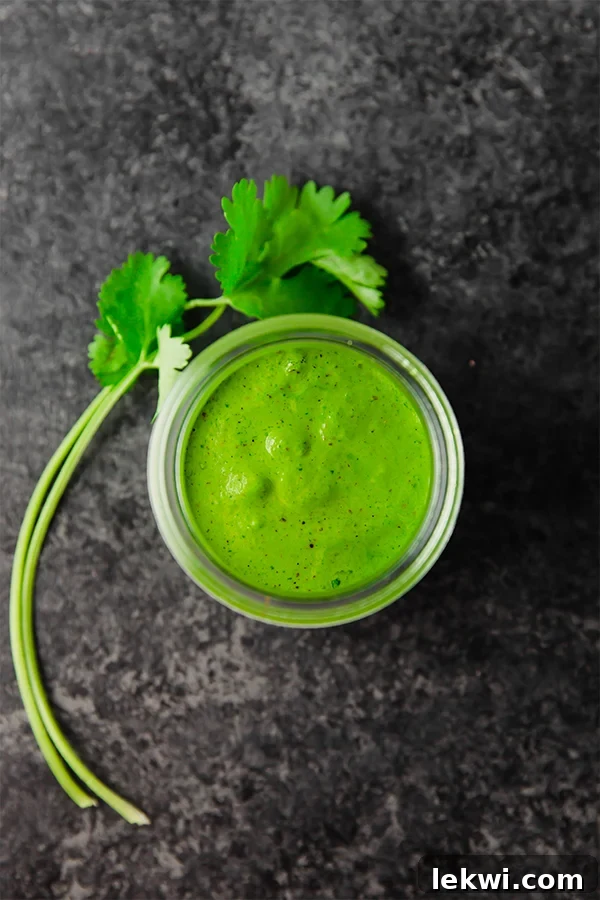
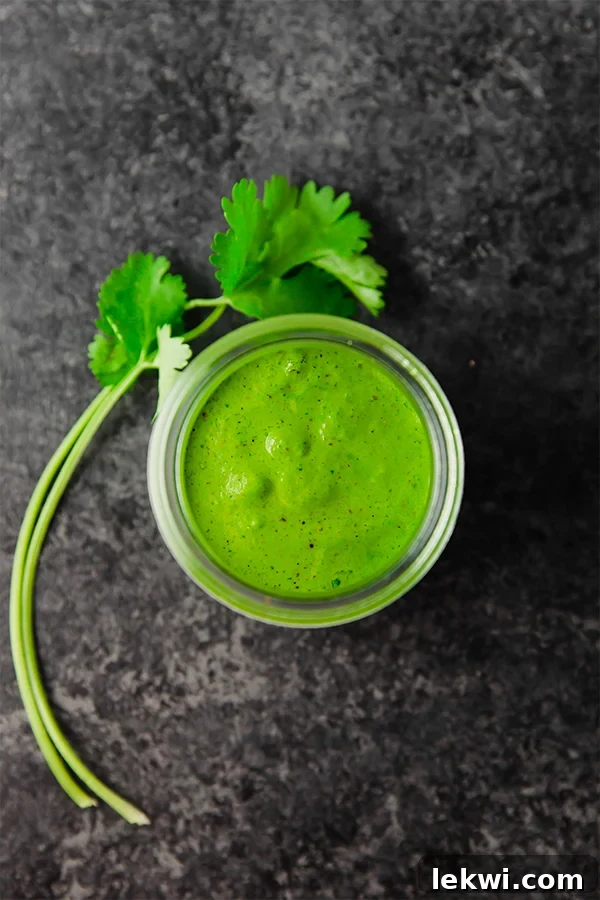
Unlocking Flavor with Homemade Chimichurri
Have you ever experienced the incredible taste of authentic chimichurri? This herbaceous, bright green sauce originating from Argentina is a culinary game-changer. It’s renowned for its ability to transform simple dishes into extraordinary culinary experiences with minimal effort. Imagine a sauce that offers a serious punch of flavor, yet requires only a few minutes to whip up. That’s the magic of chimichurri!
Beyond its fantastic taste, homemade chimichurri is a nutritional powerhouse. Packed with nutrient-dense herbs, it’s like adding an extra serving of vegetables to your meal without even trying. It’s the perfect solution when you crave something special to jazz up your dinner but want to avoid excessive fuss and complicated recipes. This particular rendition is carefully crafted to be nightshade-free, making it suitable for those with specific dietary restrictions or sensitivities, including individuals following the Autoimmune Protocol (AIP).
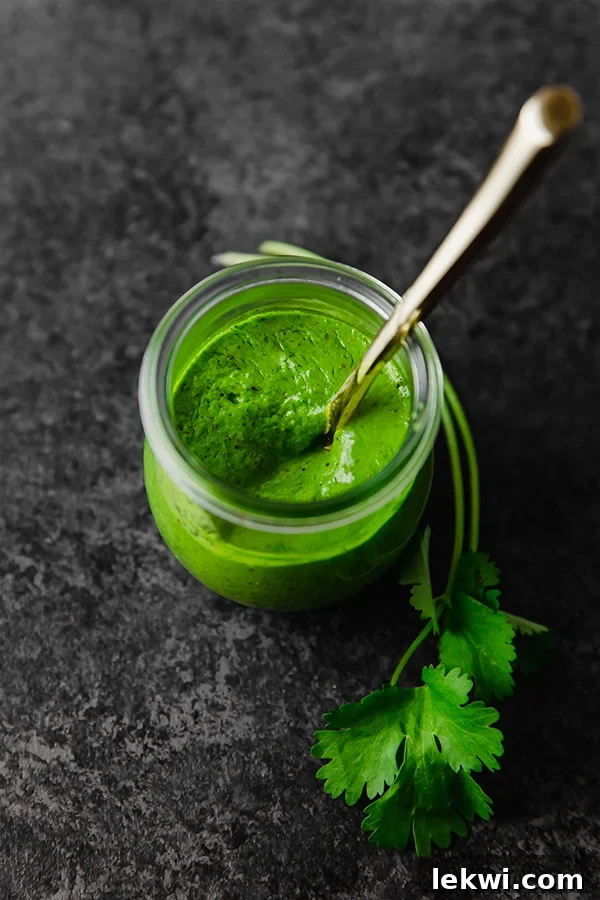
What is Chimichurri and Why Go Nightshade-Free?
The Essence of Chimichurri
Traditionally, chimichurri is an uncooked sauce used as a condiment for grilled meat, originating from Argentina and Uruguay. It’s typically made from finely chopped parsley, minced garlic, olive oil, oregano, and red wine vinegar, often with a hint of red chili flakes for a subtle kick. Its fresh, tangy, and garlicky profile makes it a beloved staple in South American cuisine, acting as both a marinade and a vibrant table sauce.
Embracing a Nightshade-Free Lifestyle
While traditional chimichurri often includes chili (a nightshade), this recipe offers a delicious alternative for those who need to avoid nightshade vegetables. Nightshades include common foods like tomatoes, peppers (bell peppers, chili peppers, paprika), potatoes, and eggplants. For some individuals, particularly those with autoimmune conditions or certain inflammatory issues, nightshades can trigger adverse reactions. The Autoimmune Protocol (AIP) diet specifically excludes nightshades to help manage symptoms and promote healing.
Our nightshade-free chimichurri maintains all the herbaceous richness and garlicky zest you love, without any ingredients that might cause discomfort. It’s a flavorful compromise that doesn’t compromise on taste or dietary compliance, making it a perfect condiment for a wide range of healthy lifestyles.
The Power-Packed Ingredients for Your Chimichurri Sauce
Crafting this incredible nightshade-free chimichurri begins with selecting the freshest, most vibrant ingredients. Each component plays a crucial role in building the complex and refreshing flavor profile that makes this sauce so addictive. Let’s delve into the stars of this recipe:
Fresh Parsley: The Green Foundation
Fresh parsley serves as the essential base for this chimichurri. Its bright, clean, and slightly peppery flavor provides a wonderful herbaceous foundation without overpowering the other ingredients. Parsley is also a fantastic source of vitamins K, C, and A, offering impressive antioxidant properties. For the best results, opt for flat-leaf Italian parsley, which tends to have a more robust flavor than curly parsley.
Cilantro: A Burst of Freshness
Cilantro, with its distinctive citrusy and somewhat pungent notes, is an acquired taste for some, but it adds an indispensable layer of freshness and complexity to this chimichurri. Don’t worry if you’re usually on the fence about cilantro; this recipe incorporates a harmonious blend of flavors, ensuring the cilantro contributes its unique character without dominating the palate. Beyond flavor, cilantro is known for its potential detoxifying properties and is a good source of vitamin K.
Basil: Aromatic Depth
Basil introduces another layer of herbaceous aroma and a subtly sweet, peppery taste to the sauce. Its fragrant presence rounds out the fresh herb blend, adding depth and a Mediterranean touch that complements the traditional South American profile beautifully. Basil is also rich in antioxidants and offers anti-inflammatory benefits.
Garlic: The Zesty Kick
In traditional chimichurri, red pepper flakes often provide a gentle heat. Since this is a nightshade-free rendition, we lean on garlic to deliver that invigorating kick. Fresh garlic cloves, when finely minced or blended, release a pungent and spicy flavor that perfectly awakens the taste buds. Garlic is also celebrated for its immune-boosting and cardiovascular health benefits, making it a delicious and healthy addition.
Olive Oil & Red Wine Vinegar: The Essential Emulsifiers
These two liquid components are critical for both flavor and texture. High-quality extra virgin olive oil provides the smooth, rich body of the sauce and helps carry the flavors of the herbs and garlic. It’s packed with healthy monounsaturated fats and antioxidants. Red wine vinegar adds the necessary tang and acidity, brightening the sauce and balancing its richness. When selecting red wine vinegar, look for brands that do not contain sulfites, especially if you are sensitive to them or following specific dietary protocols like AIP.
Alternatively, if you prefer or have avocado oil on hand, it makes an excellent substitute for olive oil. Avocado oil has a mild flavor and high smoke point, making it another fantastic healthy fat option for this vibrant sauce.
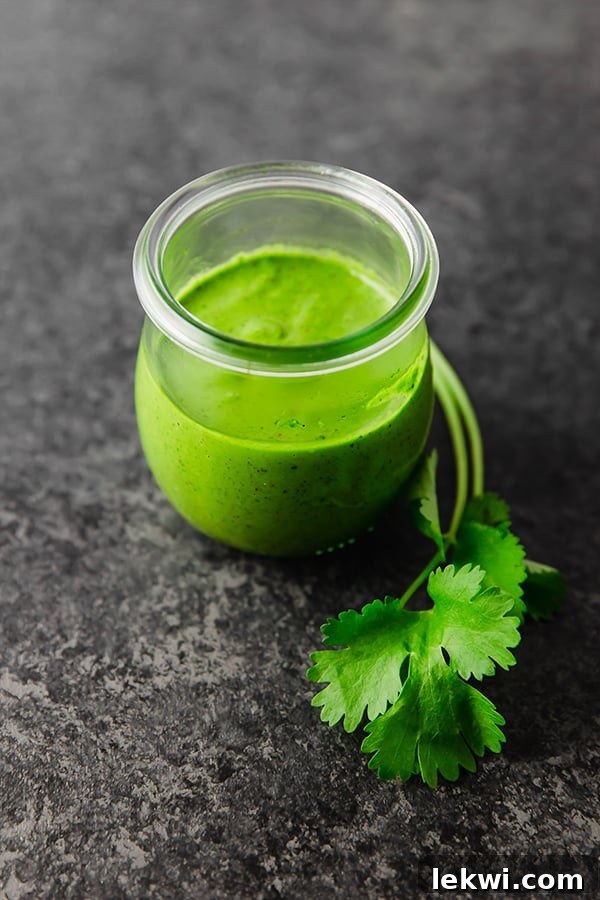
Nightshade-Free Chimichurri Sauce Recipe
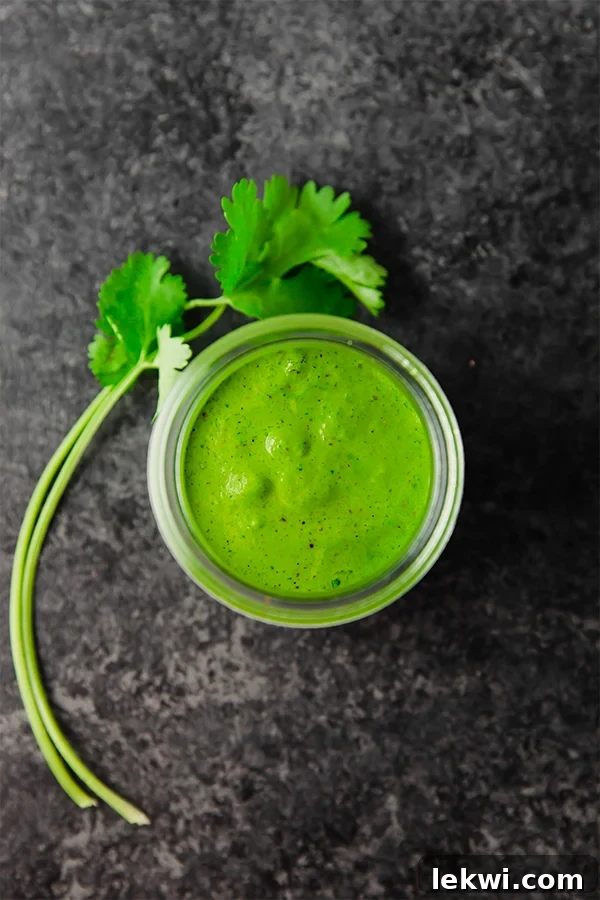
Chimichurri Sauce (Nightshade-Free)
Yield: 5 servings
Cook Time: 5 mins
Author: Michelle
This incredible chimichurri sauce is incredibly easy to make, bursting with fresh flavors, and adheres to Whole30, Paleo, Vegan, AIP, and nightshade-free dietary guidelines. Perfect for adding a gourmet touch to any meal!
Pin Recipe
Ingredients
- 1 cup fresh cilantro, roughly chopped
- 1 cup fresh flat-leaf parsley, roughly chopped
- ½ cup fresh basil leaves
- 1 tsp dried oregano
- 2 garlic cloves, peeled
- ½ tsp sea salt
- ¼ tsp black pepper (omit for strict AIP)
- ⅓ cup extra virgin olive oil (or avocado oil)
- 2 tbsp red wine vinegar (ensure sulfite-free if needed)
Instructions
- Thoroughly wash and roughly chop all the fresh herbs (cilantro, parsley, basil).
- Add all ingredients (chopped herbs, dried oregano, peeled garlic cloves, sea salt, black pepper if using, olive oil, and red wine vinegar) into a high-speed blender or food processor.
- Blend until all ingredients are fully combined and the sauce reaches your desired consistency. For a chunkier chimichurri, pulse rather than continuously blend.
- Taste and adjust seasoning as needed, adding more salt or vinegar to your preference.
- Transfer the prepared chimichurri sauce to a clean glass container for storage.
Notes
To help the sauce last longer in the refrigerator, add a thin layer of extra olive oil on top before sealing. This creates a barrier against oxidation. Mix it in gently when you’re ready to enjoy it again.
For strict AIP, ensure to omit black pepper as it is also a nightshade.
Nutrition Facts (Estimated per serving)
Serving Size: 1 serving
Calories: 12 kcal
Carbohydrates: 2.2g
Protein: 0.7g
Fat: 0.2g
Fiber: 0.8g
All nutrition facts are estimations and will vary based on specific ingredients and preparation methods.
Tips for the Perfect Nightshade-Free Chimichurri
- Use Fresh Herbs: This is paramount for the best flavor. Fresh, vibrant herbs will make all the difference. Avoid wilted or discolored leaves.
- Don’t Over-blend: While you want the ingredients combined, over-blending can lead to a less vibrant color and a pasty texture. Aim for a slightly coarse consistency where you can still discern small pieces of herbs. A food processor is often better than a high-speed blender for this purpose, as it offers more control.
- Adjust Seasoning: Always taste your chimichurri before serving. You might want to add a touch more salt, a squeeze of fresh lemon juice (not traditionally in chimichurri but can brighten flavors), or even a bit more garlic if you’re a garlic lover.
- Allow Flavors to Marry: While you can enjoy it immediately, chimichurri often tastes even better after resting for about 30 minutes to an hour. This allows the flavors to meld and deepen.
- Quality Oil is Key: Since olive oil is a major component, using a good quality extra virgin olive oil will significantly impact the final taste.
Versatile Serving Suggestions for Your Chimichurri
The beauty of this nightshade-free chimichurri lies in its incredible versatility. It’s not just for steak! Here are some fantastic ways to incorporate this vibrant sauce into your meals:
- Grilled Meats: This is the classic pairing! Spoon generously over grilled steak, chicken, or lamb. It acts as both a flavor enhancer and a tenderizer.
- Seafood: Drizzle over pan-seared fish like salmon or cod, grilled shrimp, or even scallops. The fresh herbs beautifully complement the delicate flavors of seafood.
- Roasted Vegetables: Toss with roasted broccoli, cauliflower, carrots, or sweet potatoes for an instant flavor boost. It adds brightness and depth to any vegetable dish.
- Eggs: A dollop of chimichurri can revolutionize scrambled eggs, omelets, or fried eggs for a vibrant breakfast or brunch.
- Marinade: Use it as a quick marinade for poultry, fish, or even firm tofu before grilling or baking.
- Salad Dressing: Thin it out slightly with a little extra olive oil or a splash of water to create a fresh, herbaceous salad dressing.
- Sandwiches & Wraps: Spread it on lettuce wraps or your favorite gluten-free bread for an extra layer of flavor.
- AIP & Whole30 Bowls: Elevate any compliant protein and vegetable bowl with a generous spoonful of chimichurri.
Storing Your Homemade Chimichurri
One of the best aspects of making your own chimichurri is its decent shelf life, allowing you to enjoy its fresh flavors throughout the week. To maximize its longevity and keep it vibrant:
- Refrigeration: Always store your chimichurri in an airtight glass container in the refrigerator.
- The Oil Trick: As mentioned in the recipe notes, after transferring the sauce to a jar, pour a thin layer of extra olive oil over the top before sealing. This layer acts as a natural barrier, protecting the delicate herbs from air exposure and preventing oxidation, which can cause the sauce to brown and lose its vibrant color. When you’re ready to use it, simply stir the oil back into the sauce.
- Duration: Properly stored, your nightshade-free chimichurri will typically keep well in the refrigerator for 3-5 days. Always rely on your senses – if it smells off or looks discolored beyond minor browning, it’s best to discard it.
- Freezing (Optional): For longer storage, you can freeze chimichurri. Pour it into ice cube trays and freeze until solid. Once frozen, transfer the cubes to a freezer-safe bag or container. This allows you to thaw individual portions as needed, and it can last for several months in the freezer.
Making a batch over the weekend ensures you have a ready-to-go flavor enhancer for quick and healthy meals throughout your busy week!
Frequently Asked Questions About Nightshade-Free Chimichurri
Is this chimichurri truly AIP compliant?
Yes, this recipe is designed to be AIP compliant, provided you omit the black pepper, which is a nightshade. All other ingredients are typically allowed on the AIP diet.
Can I use dried herbs instead of fresh?
While fresh herbs are highly recommended for the best flavor and vibrant color, you can substitute with dried herbs in a pinch. However, be aware that dried herbs are more concentrated, so you’ll need to use about one-third of the amount of fresh herbs. The taste and texture will also differ significantly.
How can I make the sauce spicier without nightshades?
Since traditional chili flakes are omitted, you can increase the amount of fresh garlic for a more intense pungent kick. You could also try adding a tiny pinch of white pepper (which is not a nightshade) if you tolerate it, though it has a different flavor profile than chili.
Why does my chimichurri turn brown?
Browning is usually due to oxidation when the herbs are exposed to air. The oil layer trick helps significantly reduce this. Ensure your container is airtight and keep it refrigerated.
What kind of blender or food processor should I use?
A standard food processor works wonderfully for chimichurri as it allows for better control over the texture, helping you achieve a coarse, finely chopped consistency rather than a smooth paste. A high-speed blender can also work, but be careful not to over-blend.
Recipes You Might Also Enjoy
- One-Pan Chicken Pesto & Vegetables
- Anti-Inflammatory Turmeric Dressing
Did you Make this Delicious Recipe?
We’d love to see your creations! Tag @unboundwellness on Instagram and use the hashtag #unboundwellness!