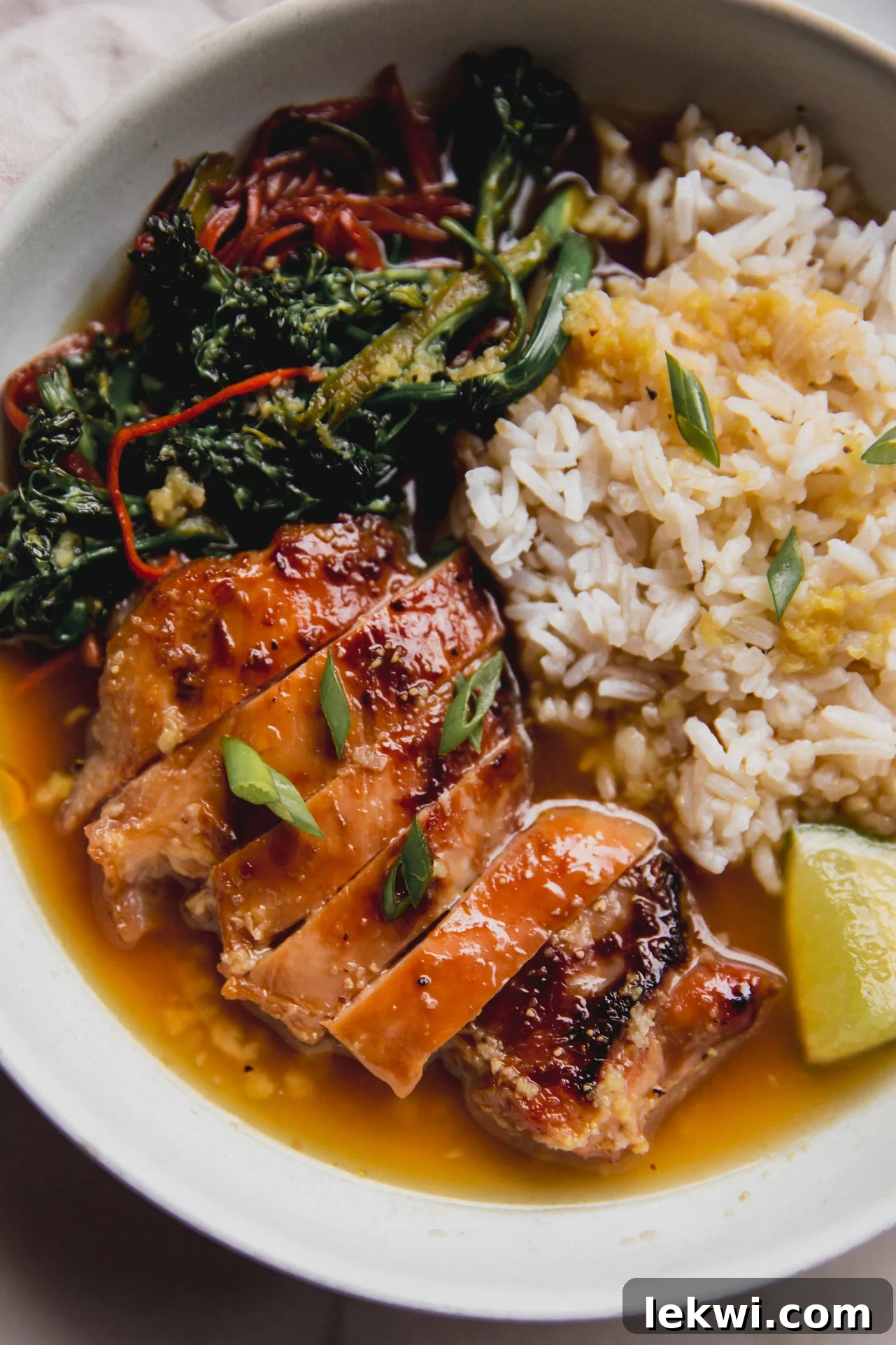
Nourishing Brothy Ginger Chicken & Rice: A Wholesome, Anti-Inflammatory Meal
Discover the ultimate comforting and incredibly wholesome meal with this delightful **Brothy Ginger Chicken & Rice** recipe. This isn’t just a dish; it’s an experience designed to nourish your body and soul. Bursting with fresh vegetables, lean protein, and an aromatic, rich ginger broth, every spoonful promises to warm you from the inside out, making it a perfect choice for any season, especially when you crave a deeply satisfying, yet light, culinary embrace.
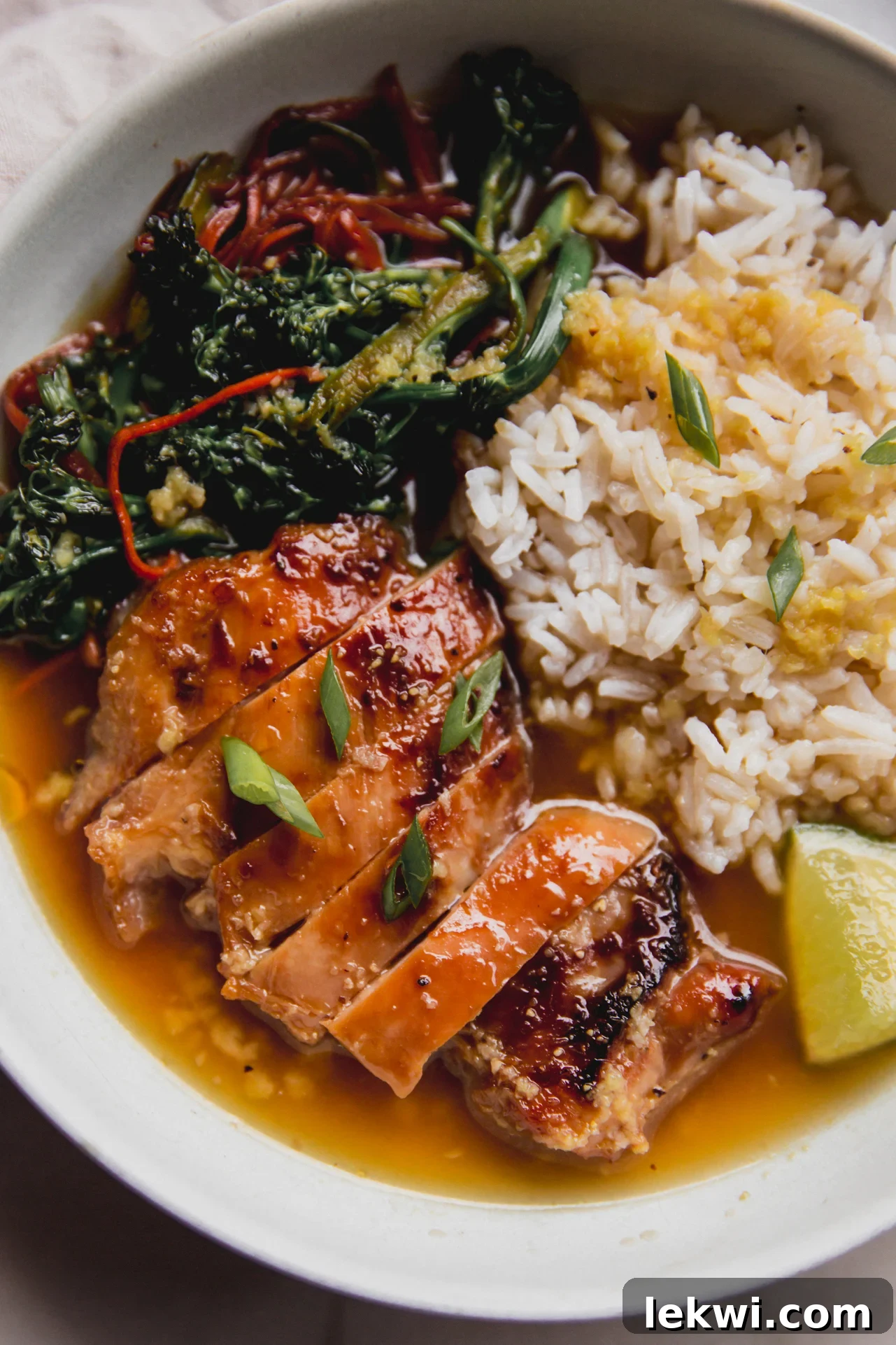
Quick Overview: Brothy Ginger Chicken & Rice
- Flavor Profile: Distinctly gingery, deeply savory, and wonderfully warming.
- Servings: 4 generous portions.
- Calories per serving: Approximately 474 kcal.
- Protein per serving: A robust 25g.
- Difficulty Level: Easy to Medium, suitable for home cooks of all skill levels.
- Dietary Information: Naturally gluten-free, soy-free, dairy-free, and nightshade-free.
Table of Contents
- Quick Overview
- Why You’ll Love This Brothy Ginger Chicken and Rice
- The Star Ingredients
- How to Make Brothy Ginger Chicken and Rice
- Expert Tips & Tricks
- Frequently Asked Questions (FAQs)
- Storage and Reheating Guide
- Explore More Anti-Inflammatory Soup Recipes
Why You’ll Adore This Brothy Ginger Chicken and Rice
In a world often rushing, taking time to savor a wholesome meal can be a true act of self-care. My personal goal for the upcoming year is to incorporate more nourishing soups and bone broths into my diet, and this recipe perfectly aligns with that intention. Broth-based meals are not only deeply comforting and incredibly delicious, but they also encourage mindful eating, allowing you to slow down and truly appreciate your food. This particular recipe takes the concept of a classic chicken and rice bowl and elevates it with a uniquely vibrant, gingery broth that will captivate your palate.
Here’s an in-depth look at why this Brothy Ginger Chicken and Rice is poised to become a staple in your kitchen:

- Mindfully Crafted for Dietary Needs: Gluten-Free and Soy-Free Excellence. We understand the importance of catering to various dietary requirements without compromising on flavor. This recipe is meticulously developed using coconut aminos as a brilliant alternative to traditional soy sauce. This simple yet effective substitution ensures that the dish is entirely gluten-free and soy-free, making it accessible and enjoyable for those with sensitivities or specific dietary preferences. You can savor every bite with confidence, knowing it aligns with your health goals.
- A Hug in a Bowl: Warming and Wholesome Comfort. Inspired by ancient wisdom and traditional Chinese medicine, which emphasizes the balance of yin and yang within the body, this broth-based soup is a truly nourishing and harmonizing dish. Warming foods are celebrated for their ability to promote internal comfort and well-being. My acupuncturist often highlights the benefits of incorporating more warming elements into one’s diet, and this recipe is a direct embodiment of that philosophy. It’s designed to provide a gentle, sustained warmth that soothes and revitalizes, offering a comforting embrace that feels like home.
- Unleashing Nature’s Powerhouse: Anti-Inflammatory Goodness from Ginger. Ginger is not merely a spice; it’s a celebrated superfood renowned for its exceptional health benefits, particularly its potent anti-inflammatory properties. Scientific research consistently backs ginger’s efficacy in reducing inflammation and supporting overall wellness (source). Beyond its therapeutic qualities, ginger infuses this broth with an irresistible zest and a subtle spicy kick that elevates the entire dish, creating a flavor profile that is both invigorating and deeply satisfying. This recipe cleverly harnesses the power of fresh ginger, ensuring you reap both its incredible taste and its profound health advantages.
The Star Ingredients: Crafting Your Brothy Ginger Chicken & Rice
A truly exceptional dish begins with high-quality ingredients. Below, we detail the key components that bring this brothy ginger chicken and rice to life. For a complete list of quantities and detailed instructions, please refer to the comprehensive recipe card at the bottom of this article.
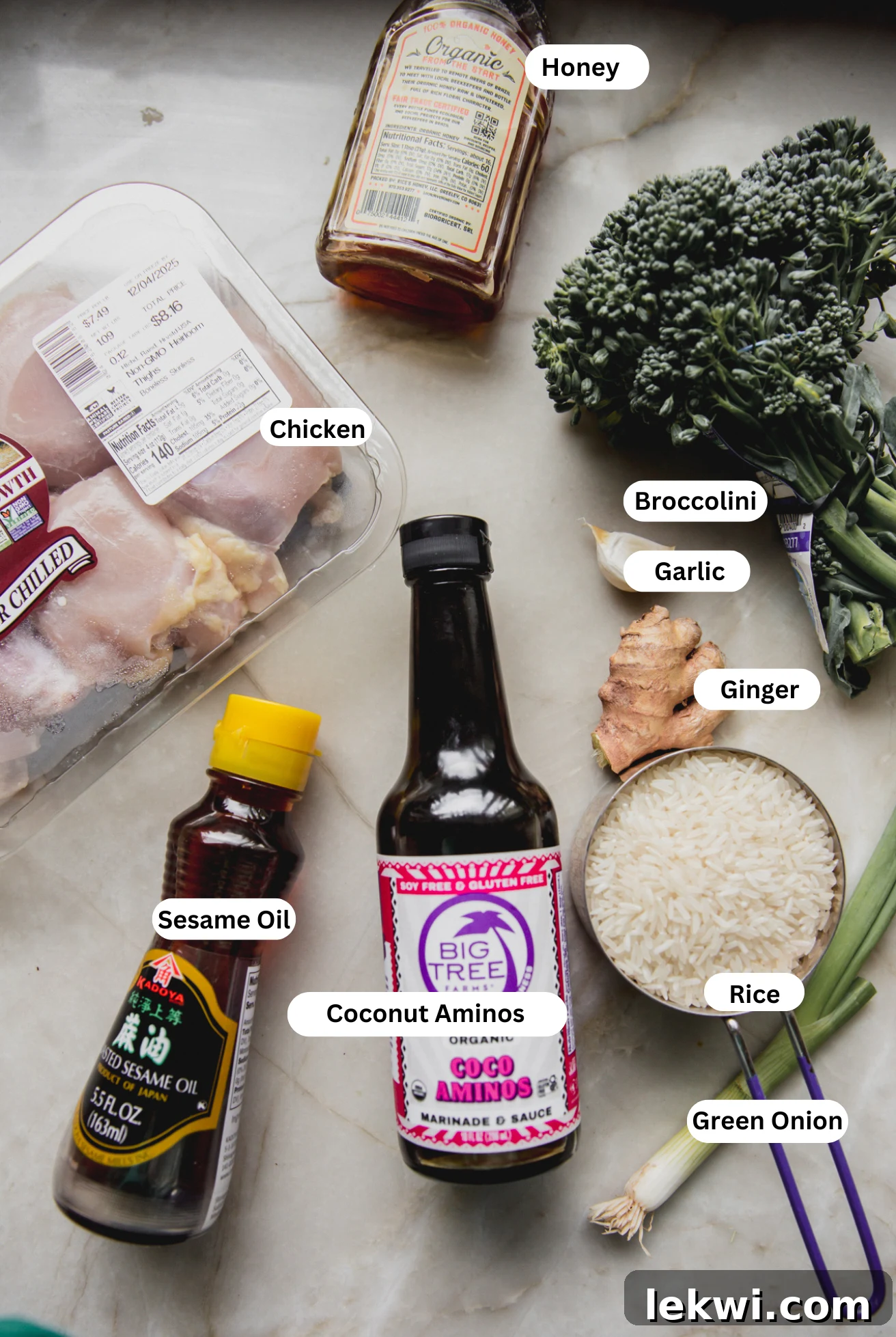
- Broth: The foundation of this soul-warming dish is a rich, flavorful broth. While any quality chicken broth will work, we wholeheartedly recommend using bone broth. Its deeper flavor profile and added collagen offer superior nutritional benefits, contributing to gut health and overall well-being. Consider making your own slow-cooker whole-chicken bone broth for the most authentic and nutritious experience.
- Chicken Thighs: Boneless, skinless chicken thighs are our preferred choice for this recipe due to their tender texture and rich flavor that stands up beautifully to the ginger broth. However, if you prefer, chicken breast can also be used. For chicken breast, we suggest pounding them slightly thinner to ensure even cooking and a more tender result.
- Aromatic Trio: Fresh Ginger, Garlic, and Green Onion: These three ingredients are non-negotiable for achieving the vibrant, invigorating flavor profile of this dish. We cannot stress enough the importance of using *fresh* ginger for this recipe. Its pungent, spicy, and slightly sweet notes are truly irreplaceable by dried or powdered forms. Fresh garlic adds a foundational savory depth, while green onions provide a fresh, crisp finish and a mild oniony bite.
- Crisp Vegetables: Broccoli & Carrots: We’ve chosen broccoli and carrots for their texture, nutritional value, and ability to absorb the rich flavors of the broth. Broccolini offers a slightly milder, sweeter taste than regular broccoli, and shredded carrots add a touch of sweetness and vibrant color. Feel free to experiment with other quick-cooking vegetables like bok choy, spinach, mushrooms, or thinly sliced bell peppers to customize your bowl.
- Comforting Carbs: Rice: Cooked jasmine rice is our go-to for its fragrant aroma and slightly sticky texture, which perfectly complements the broth. For a different experience, you could also use sticky rice, rice noodles for a noodle soup variation, or even omit the rice entirely for a lower-carb option. Ensuring your rice is cooked separately and added at serving time prevents it from becoming mushy and absorbing too much broth, preserving the integrity of both components.
How to Make Brothy Ginger Chicken and Rice: A Visual Guide
Crafting this nourishing meal is simpler than you might think. Follow these straightforward steps, complete with illustrative photos, to achieve a perfect bowl every time. Detailed measurements and full instructions are provided in the recipe card below.
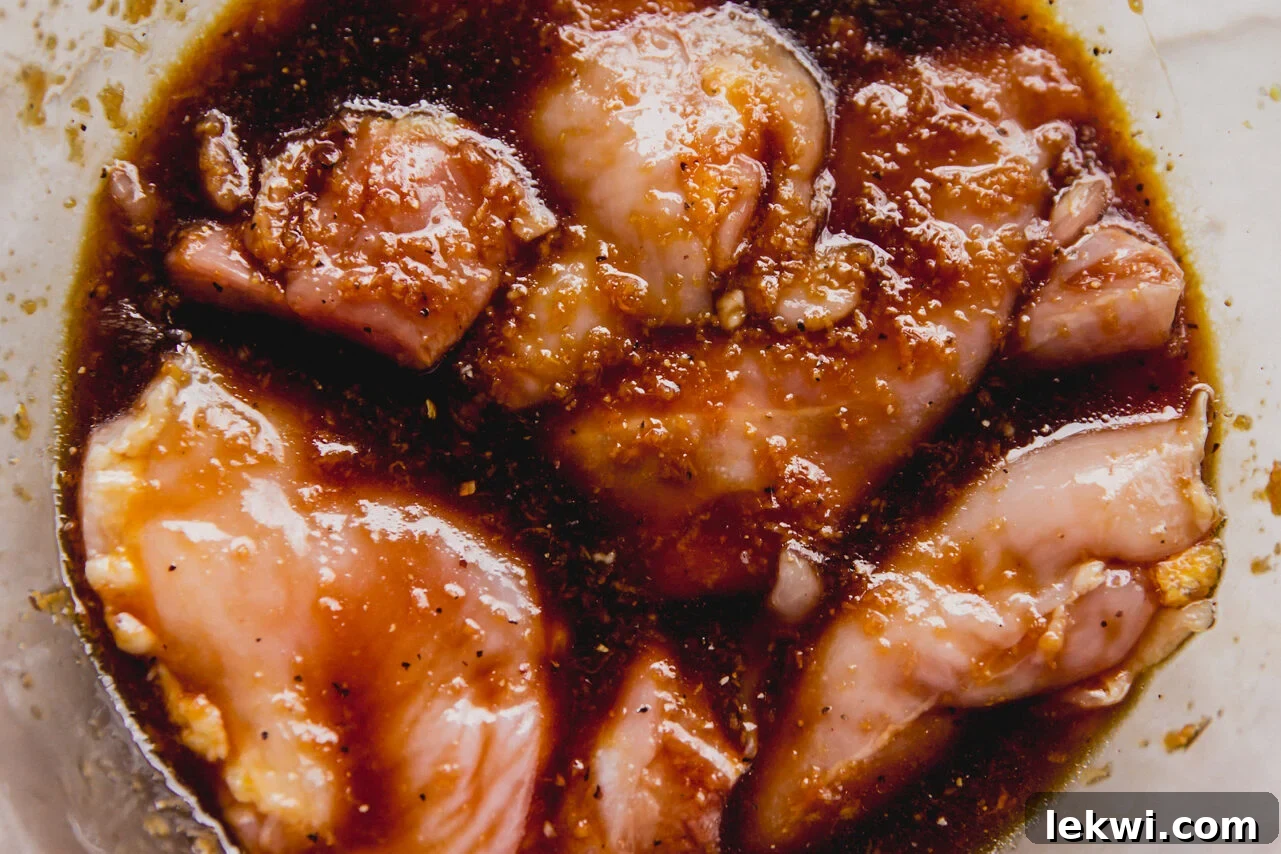
Step One: Marinate the Chicken Thighs. Begin by preparing your boneless, skinless chicken thighs. In a medium-sized bowl, combine the chicken with a vibrant marinade consisting of coconut aminos, a touch of avocado oil, sweet honey, freshly grated ginger and garlic, zesty lime juice, and a season of salt and pepper. Ensure the chicken is thoroughly coated, then transfer it to the refrigerator to marinate. Aim for a minimum of 30 minutes to allow the flavors to penetrate, but no longer than an hour to maintain optimal texture. Use this time efficiently to prepare your broth.
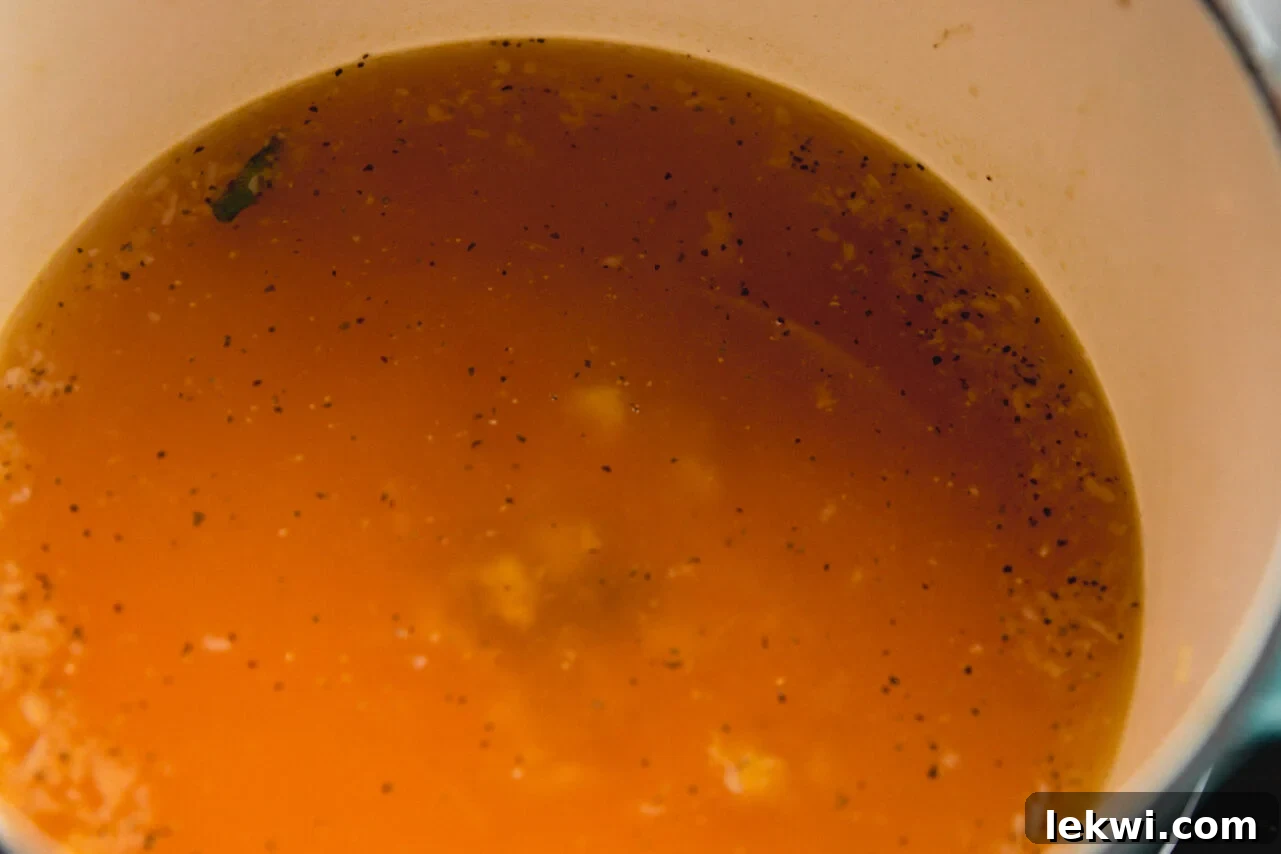
Step Two: Prepare the Warming Ginger Broth. In a sizable pot or Dutch oven, gently heat the sesame oil over a low flame. Once warm, add the freshly grated garlic and ginger, sautéing them for about two minutes until their intoxicating aromas fill your kitchen. This gentle sautéing helps to release their full flavor potential. Next, pour in your chosen chicken bone broth, along with more fresh lime juice, coconut aminos, and a seasoning of salt and pepper. Bring the mixture to a gentle simmer, then cover the pot and allow it to cook on low heat for at least 30 minutes. The longer it simmers, the more intensely flavorful your broth will become, developing a deep, comforting warmth.
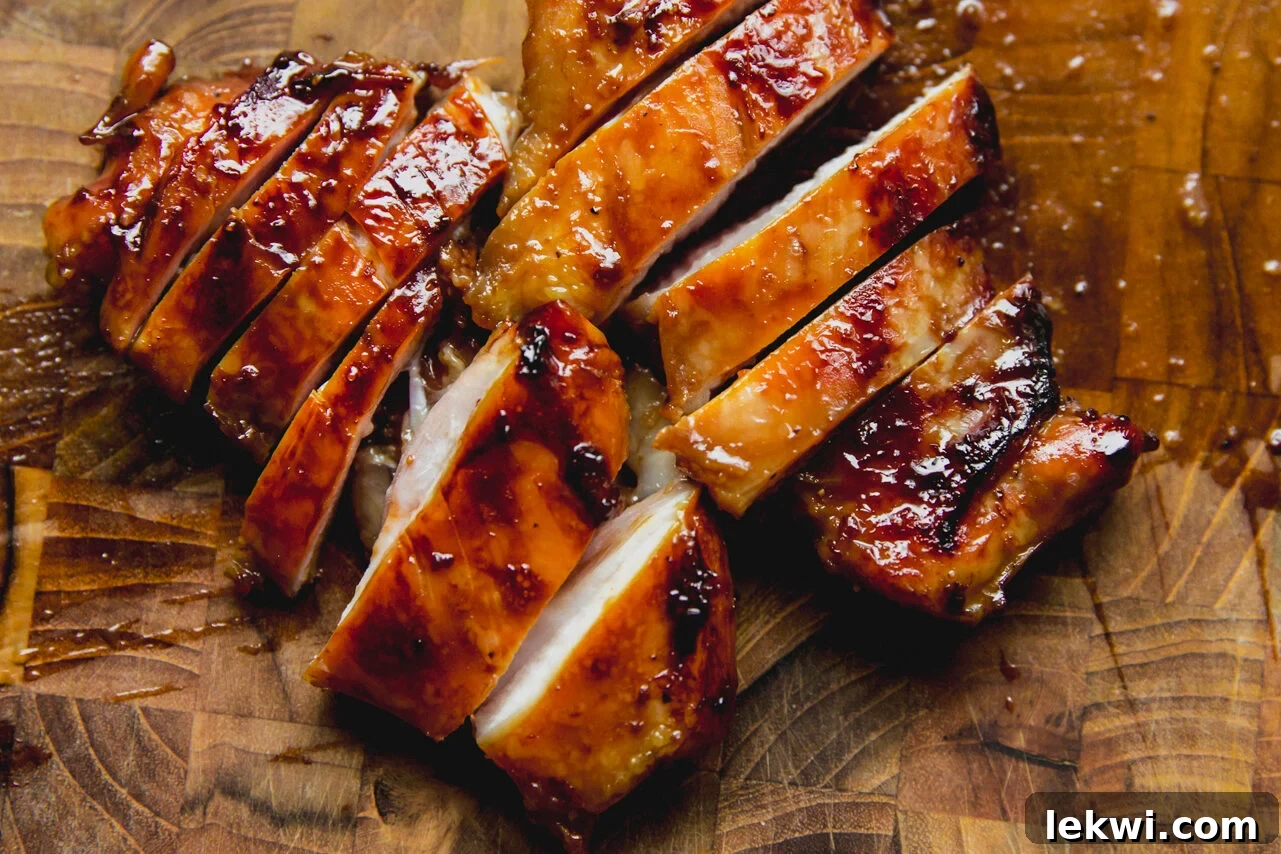
Step Three: Cook and Rest the Marinated Chicken. Heat about one tablespoon of avocado oil in a large, deep pan over medium heat. Carefully add the marinated chicken thighs, ensuring not to overcrowd the pan. Cook each side for approximately 3-4 minutes, or until the chicken is beautifully browned and cooked through, reaching an internal temperature of 175°F (80°C). Once cooked, remove the chicken from the pan and place it on a covered plate to keep it warm while you prepare the remaining components.
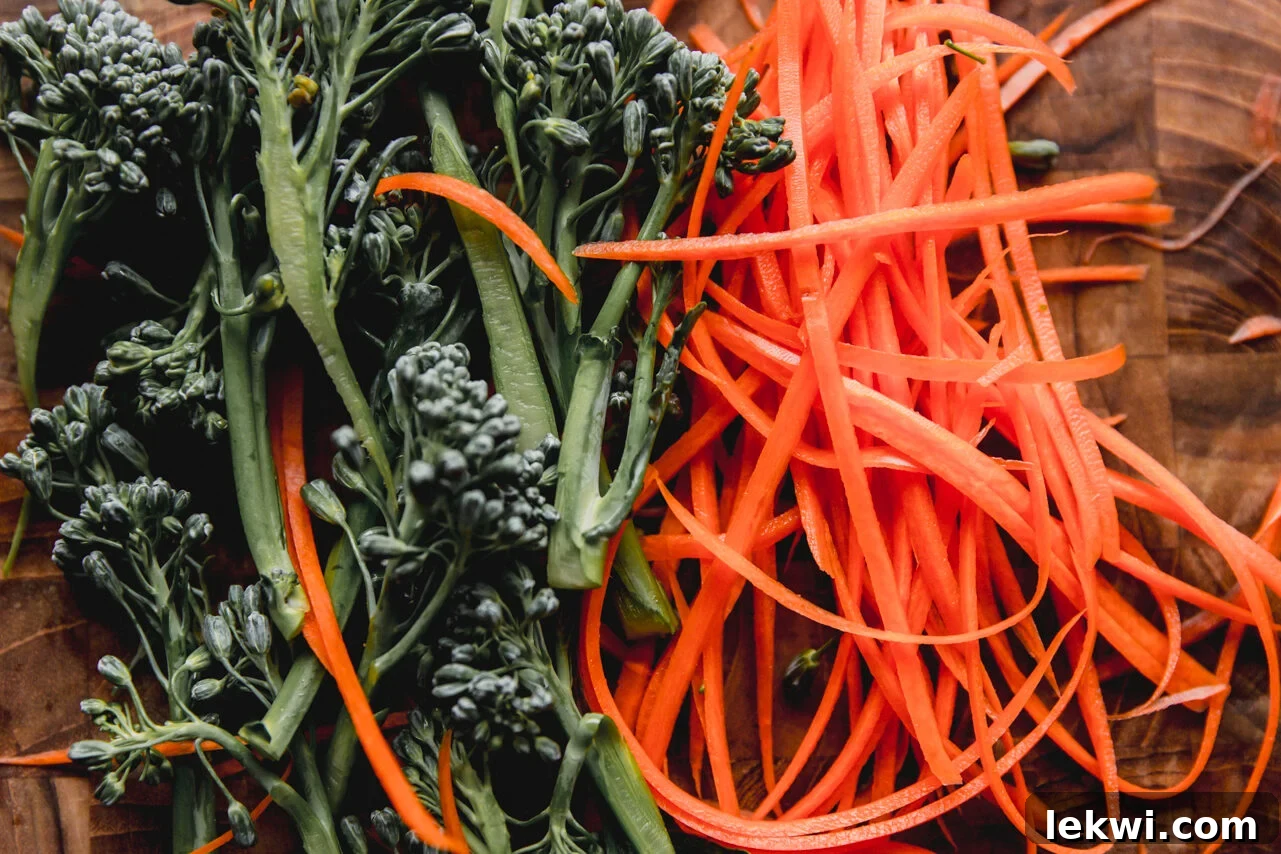
Step Four: Prepare the Fresh Vegetables. While your chicken rests and broth simmers, take a moment to prepare your chosen vegetables. Trim the broccolini and finely shred the medium carrot. Consistency in size ensures even cooking. Having your vegetables prepped and ready to go will make the final assembly of your meal smooth and efficient. You can also chop any other preferred vegetables at this stage, such as bok choy or spinach.
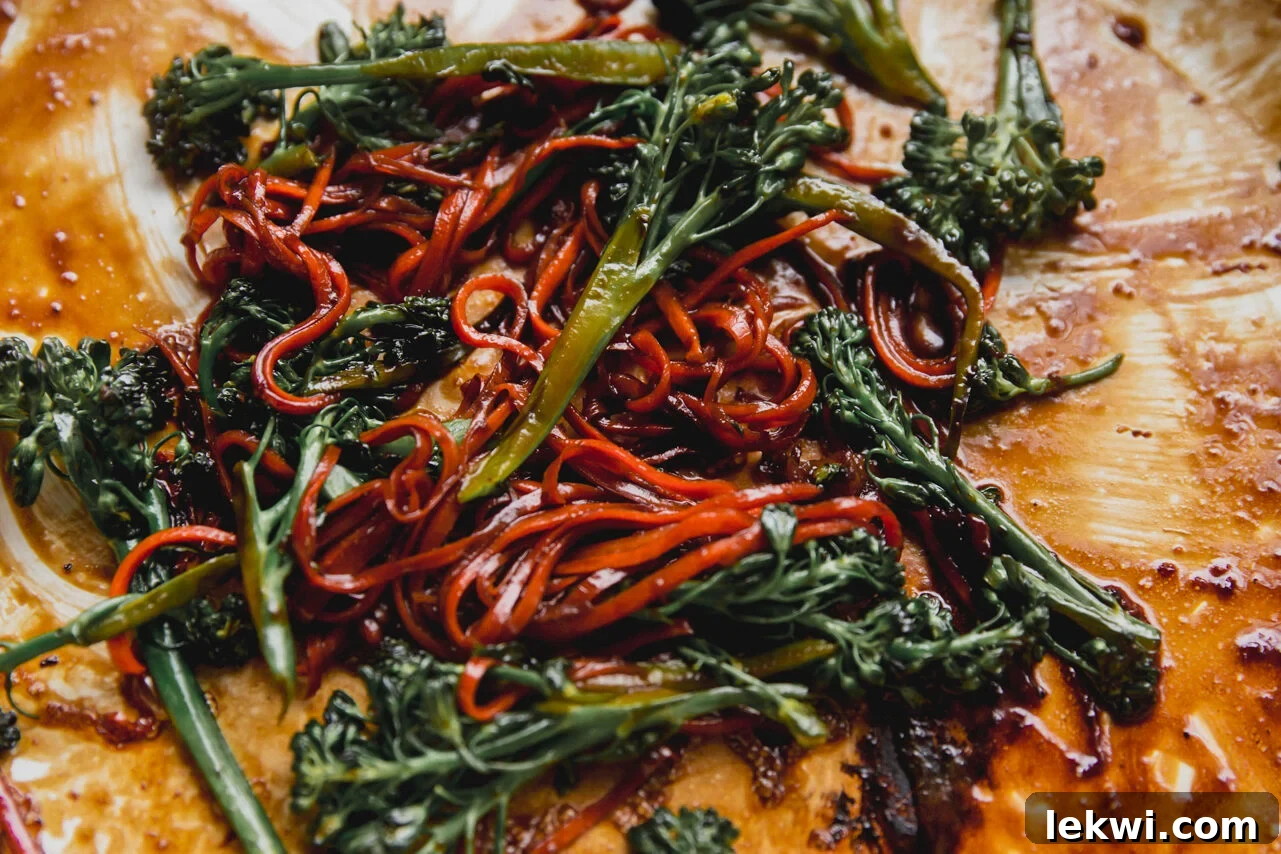
Step Five: Sauté the Wholesome Vegetables. Return to the pan where you cooked the chicken. Add one tablespoon of coconut aminos to the pan, and use a wooden spoon to gently scrape up any flavorful browned bits from the bottom – this process, known as deglazing, adds incredible depth to your vegetables. Add the prepped broccolini and shredded carrots to the pan and sauté for 4-5 minutes. Cook until they are tender-crisp, maintaining a slight bite. Lightly season with salt and pepper, then set them aside with the cooked chicken.
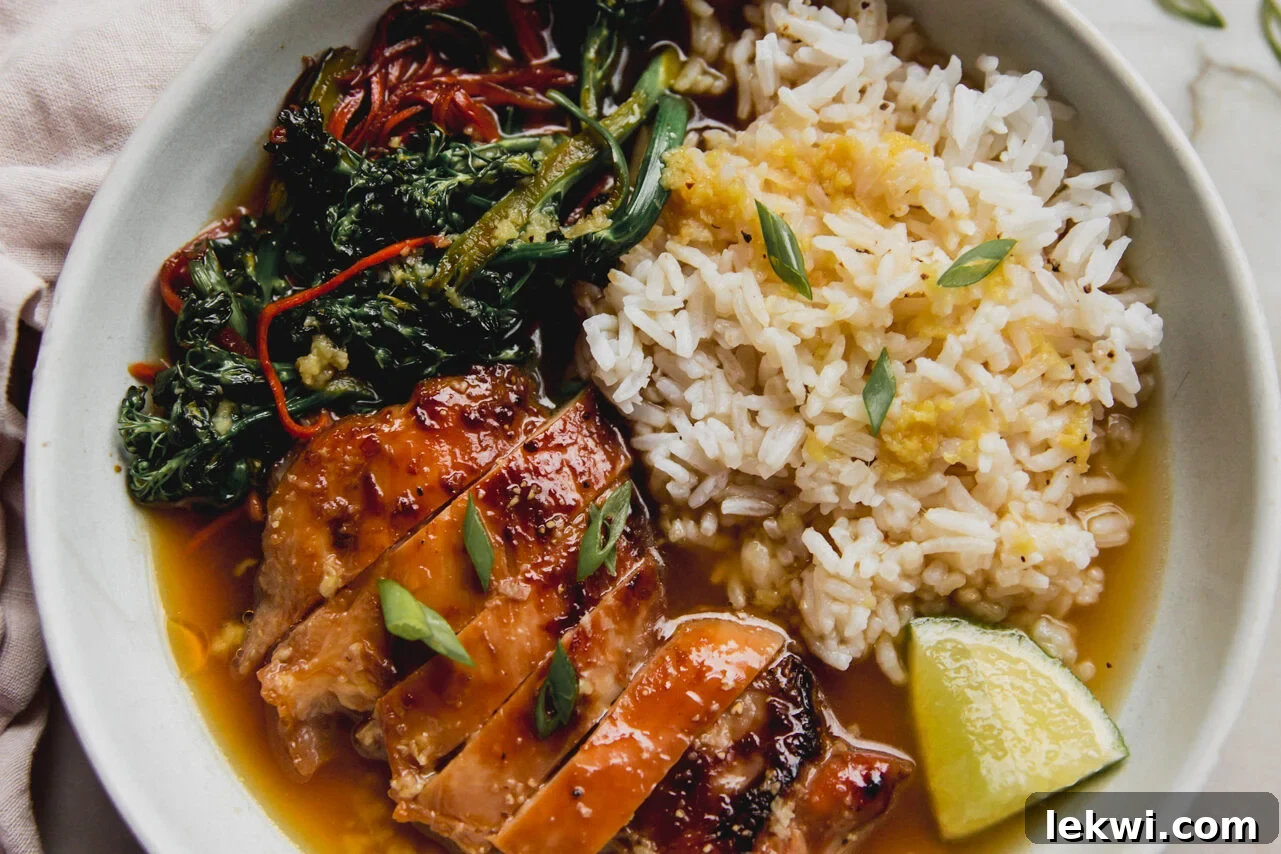
Step Six: Assemble and Serve Your Nourishing Bowl. Now for the best part – assembly! Slice the rested chicken thighs into appetizing strips. In each serving bowl, artfully arrange a generous portion of the fluffy cooked rice. Top the rice with the tender chicken strips and a colorful medley of your sautéed vegetables. Ladle several large spoonfuls of the warm, aromatic ginger broth over everything, ensuring all components are bathed in its comforting warmth. Garnish generously with freshly chopped green onions and a delicate drizzle of sesame oil for an added layer of nutty flavor. Serve immediately and enjoy the fruits of your culinary efforts. Repeat this process for the remaining three bowls, or store the prepared components separately for delicious leftovers.
Expert Tips & Tricks for Perfect Brothy Ginger Chicken & Rice
- Optimal Chicken Marination Time: While marinades are fantastic for tenderizing and infusing flavor, it’s crucial to get the timing right, especially when citrus is involved. We highly recommend marinating your chicken for no more than 2 to 4 hours. Marinades containing acidic components like lime juice can begin to break down the chicken’s proteins if left too long, potentially leading to an undesirable mushy texture. A shorter marinating window ensures the chicken remains tender and succulent with plenty of flavor.
- Cooking with Sesame Oil – Heat Control is Key: Sesame oil, particularly toasted sesame oil, is prized for its intense, nutty flavor. However, it has a lower smoke point compared to other cooking oils. The secret to cooking with sesame oil and preserving its delicate aroma is to keep the heat at a *lower* setting. High heat can cause it to burn quickly, resulting in a bitter taste. If you prefer, or if you plan to cook at higher temperatures, feel free to substitute with avocado oil or coconut oil, both of which have higher smoke points and neutral flavors.
- Choosing the Best Ginger: Always opt for fresh ginger root. Look for firm, smooth skin, free from wrinkles or soft spots. The fresher the ginger, the more potent and vibrant its flavor will be. Store unpeeled ginger in the refrigerator, wrapped in a paper towel, then placed in a resealable bag, for up to several weeks.
- Rice Preparation for Best Results: Cook your rice separately and keep it warm until serving. Adding pre-cooked rice directly to the broth when ready to serve ensures it retains its individual grain texture and doesn’t become overly saturated or mushy. It also allows for easier portion control and keeps the broth from getting too thick.
- Broth Flavor Enhancement: For an even deeper ginger flavor, you can add a few thin slices of ginger directly to the broth as it simmers, removing them before serving. A pinch of white pepper can also add a subtle, traditional warmth.
- Vegetable Versatility: Don’t be afraid to customize your vegetable mix. Consider adding thinly sliced mushrooms, snap peas, baby spinach (stirred in at the very end until wilted), or even thinly sliced radishes for a peppery crunch. The goal is to use vegetables that cook relatively quickly or can be blanched before adding.
Frequently Asked Questions (FAQs) About Brothy Ginger Chicken & Rice
To truly extract the rich, aromatic essence of fresh ginger and garlic, we recommend simmering your ginger broth for at least 30 minutes. This duration allows the flavors to meld beautifully and develop a comforting depth. You can certainly simmer it for a longer period, such as 45-60 minutes, for an even more intense flavor profile. However, if simmering longer, keep an eye on the liquid level to ensure it doesn’t reduce too much, which could concentrate the flavors excessively. Adjust with a little extra water or broth if needed.
Absolutely! Boneless, skinless chicken breast is a fantastic alternative if you prefer a leaner cut or simply have it on hand. To ensure the chicken breast cooks evenly and remains tender within the dish, we highly recommend pounding the chicken pieces thinner, to about ½-inch thickness, before marinating and cooking. This quick step will help prevent the breast from drying out and will allow it to absorb the marinade more effectively, resulting in a succulent, flavorful protein for your broth bowl.
While we highly recommend bone broth for its enhanced nutritional profile and deeper, richer flavor, regular good-quality chicken broth can certainly be used. If opting for regular chicken broth, look for a low-sodium, high-quality brand to best control the seasoning of your dish. Bone broth often contributes a thicker texture and more body to the soup, along with beneficial collagen and amino acids, but either option will yield a delicious result.
Yes, with a few simple substitutions! To make it vegetarian, swap chicken with firm tofu or tempeh, marinated and pan-fried until golden. For the broth, use a high-quality vegetable broth instead of chicken bone broth. Ensure all other ingredients, like honey, are replaced with vegan alternatives (e.g., maple syrup). The ginger, garlic, and vegetable components remain perfect for a plant-based version.
For the finest texture and maximum flavor release, use a microplane grater for both ginger and garlic. This method transforms them into a fine paste that seamlessly integrates into the marinade and broth. If you don’t have a microplane, a fine grater or even mincing them very finely with a sharp knife will also work. For ginger, you might find it easier to peel the skin with the edge of a spoon before grating.
Storage and Reheating Guide for Brothy Ginger Chicken & Rice
To ensure the best taste and texture for leftovers, we recommend storing the prepared ingredients separately. Keep the cooked chicken, sautéed vegetables, and cooked rice in individual airtight containers in the refrigerator for up to 2-3 days. The ginger broth can also be stored in a separate container. When you’re ready to enjoy your meal again, gently reheat the broth on the stove over medium heat until it’s simmering. You can also warm the chicken and vegetables in a pan or microwave. Assemble your bowl just before serving, combining the warm components for a fresh, delicious experience.
For convenience, the ginger broth can be cooked in larger batches and frozen. Simply allow the broth to cool completely, then transfer it to freezer-safe containers or bags. It can be stored in the freezer for up to 3 months. Thaw overnight in the refrigerator or gently reheat from frozen on the stove.
If you tried this Brothy Ginger Chicken and Rice recipe or any other delightful recipe on my blog, please consider leaving a star rating and sharing your experience in the comments section below. Your feedback is greatly appreciated and helps fellow food enthusiasts! Thank you for visiting and happy cooking!
Explore More Anti-Inflammatory Soup Recipes to Try
If you’re looking to continue your journey with delicious, health-supportive soups, here are some other anti-inflammatory recipes from our collection that you might love:
- Lemon Turmeric Chicken Noodle Soup
- Turmeric Chicken Soup
- Greek Lemon Chicken Soup
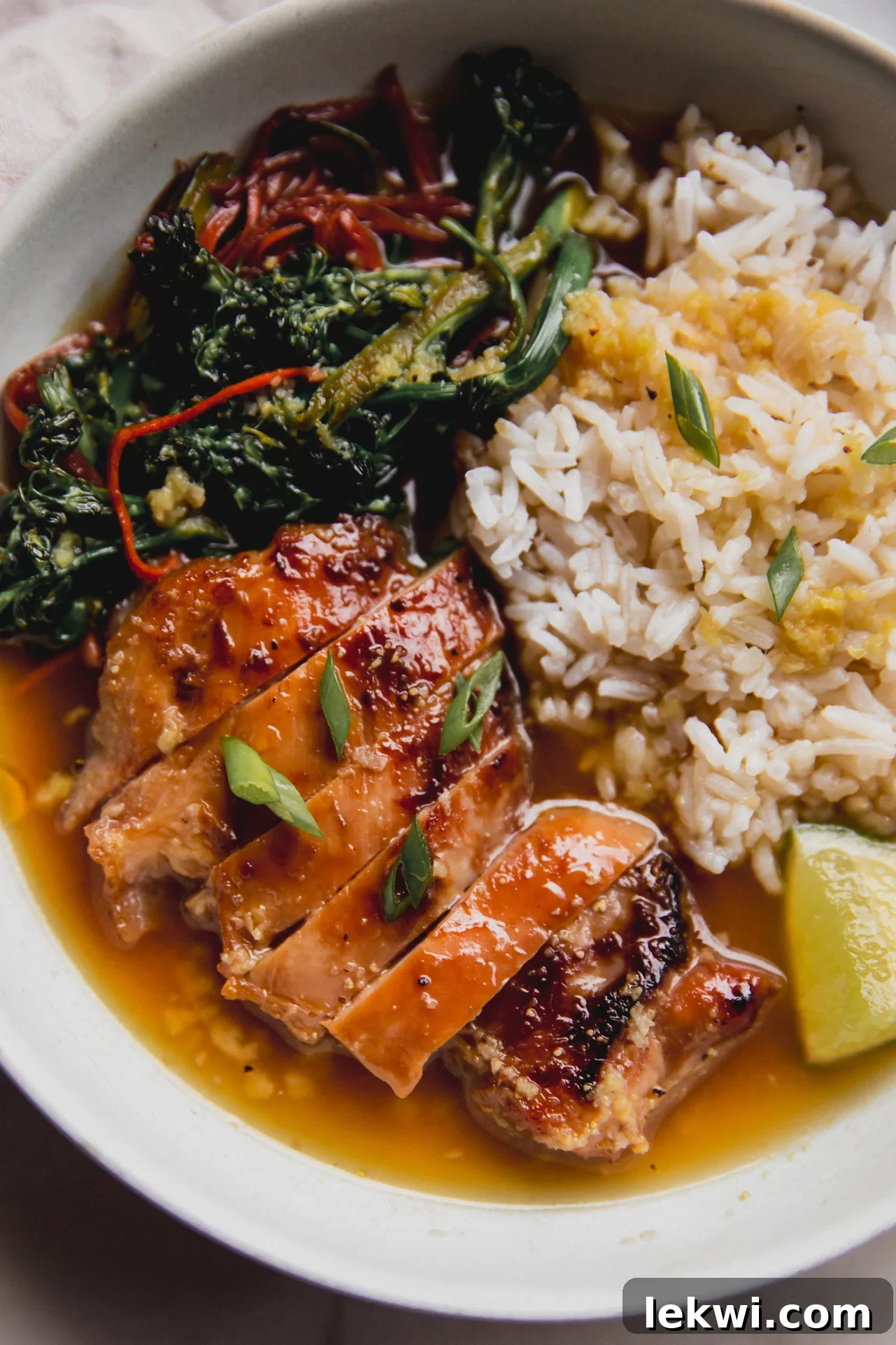
Brothy Ginger Chicken and Rice
Leave a Review
Pin Recipe
Want to save this recipe for later?
Enter your name and email below to have the full recipe emailed directly to your inbox. ✉️
Ingredients
For the Chicken
- 1 lb chicken thighs, boneless and skinless
- ⅓ cup coconut aminos
- 2 tsp avocado oil, plus extra for cooking the chicken
- Juice of half a lime
- 2 tbsp honey
- 1 clove garlic, grated
- 1 tsp ginger, grated
- salt and pepper, to taste
For the Broth
- 2 tsp sesame oil, refer to notes on heat control; avocado oil can be substituted
- 2 tsp ginger, freshly grated
- 1 clove garlic, freshly grated
- 1 tbsp coconut aminos
- 2 cups chicken bone broth
- Juice of half a lime
- Salt and pepper, to taste
For the Vegetables
- 1 tbsp coconut aminos
- 1 bunch broccolini, trimmed
- 1 medium carrot, shredded
- Salt and pepper, to taste
To Serve
- 2 cups cooked white rice
- Green onion, chopped for garnish
- Sesame oil, for drizzling
Instructions
-
To marinate the chicken thighs: In a medium bowl, combine the chicken thighs with coconut aminos, avocado oil, honey, grated ginger, grated garlic, the juice of half a lime, and a pinch of salt and pepper. Mix well to ensure the chicken is evenly coated. Transfer to the fridge and marinate for a minimum of 30 minutes, but no longer than an hour, to achieve optimal flavor and texture. While the chicken marinates, proceed to prepare your broth.
-
To prepare the broth: Heat two teaspoons of sesame oil in a pot or Dutch oven over low heat. Add the grated garlic and ginger, and gently sauté for about 2 minutes until fragrant, being careful not to burn them. Pour in the chicken bone broth, along with additional lime juice, one tablespoon of coconut aminos, and season with salt and pepper to taste. Bring the mixture to a gentle simmer, then cover the pot and allow it to cook on low heat for at least 30 minutes. The broth should be warm, deeply flavorful, and incredibly aromatic.
-
To cook the chicken: Heat approximately one tablespoon of avocado oil in a large, deep pan over medium heat. Carefully place the marinated chicken thighs in the hot pan, ensuring not to overcrowd it. Cook for 3-4 minutes per side, or until the chicken is thoroughly cooked through and reaches an internal temperature of 175°F (80°C). Once cooked, remove the chicken from the pan and place it on a plate, covering it loosely to keep warm.
-
To cook the vegetables: Return to the same pan. Add one tablespoon of coconut aminos to the pan, and use a wooden spoon to scrape up any browned bits from the bottom, deglazing the pan and infusing the vegetables with extra flavor. Add the trimmed broccolini and shredded carrots to the pan and sauté for 4-5 minutes, or until they are tender-crisp. Lightly season with salt and pepper. Set the cooked vegetables aside with the chicken.
-
To serve: Slice the cooked chicken thighs into strips. In each individual serving bowl, place half a cup of warm, cooked rice. Arrange some of the sautéed vegetables and chicken strips over the rice. Ladle a generous amount of the warm ginger broth over all the ingredients. Finish each bowl with a sprinkle of freshly chopped green onion and a small drizzle of sesame oil for an added aromatic touch. Serve immediately. This recipe yields four servings, so repeat the assembly for additional bowls or store components separately for future enjoyment.
Notes
A note on cooking with sesame oil: Sesame oil has a distinct flavor but a lower smoke point. Always cook it over a *lower* heat to prevent burning and preserve its delicate, nutty aroma. If you need higher heat, avocado or coconut oil are excellent neutral alternatives.
A note on storage & reheating: For optimal freshness and texture, store all cooked components (chicken, vegetables, rice, and broth) in separate airtight containers in the refrigerator for up to 2-3 days. Reheat on the stove, bringing the broth to a simmer, and gently warming the solids before assembling your bowl for serving.
Serving: 1g,
Calories: 474kcal,
Carbohydrates: 39g,
Protein: 25g,
Fat: 23g,
Saturated Fat: 6g,
Polyunsaturated Fat: 5g,
Monounsaturated Fat: 10g,
Trans Fat: 0.1g,
Cholesterol: 111mg,
Sodium: 766mg,
Potassium: 327mg,
Fiber: 1g,
Sugar: 9g,
Vitamin A: 2636IU,
Vitamin C: 1mg,
Calcium: 26mg,
Iron: 1mg
Did you Make this Recipe?
Tag @unboundwellness on Instagram and hashtag #unboundwellness!