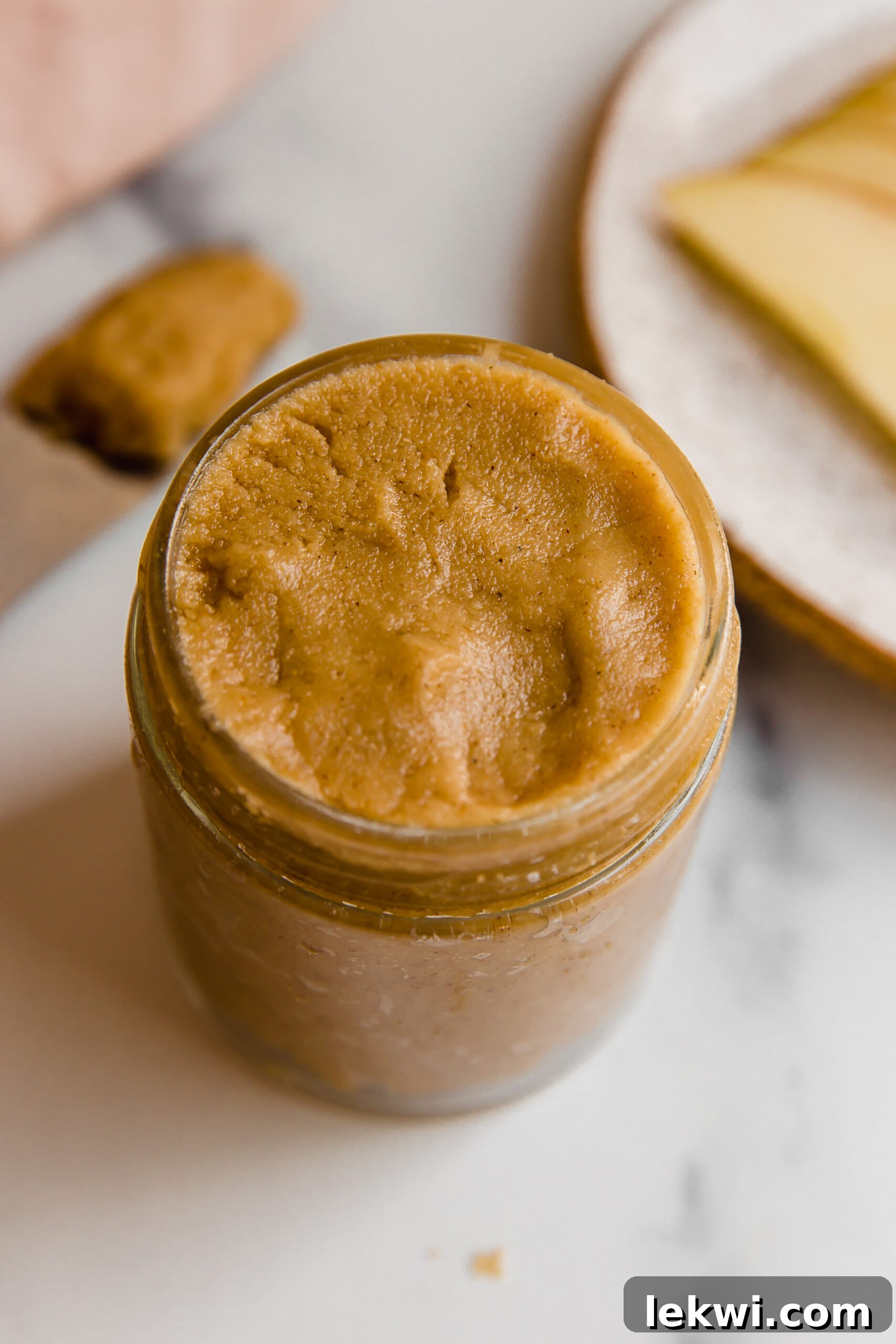
Are you searching for a delicious, creamy spread that’s completely nut-free, seed-free, and suitable for a variety of dietary needs like Paleo and AIP? Look no further! This homemade tigernut butter recipe is your perfect solution. Forget about tedious store-bought alternatives that often fall short in flavor or contain unwanted ingredients. With just a few simple components and minimal effort, you can create a smooth, satisfying tigernut butter right in your own kitchen. It’s an incredibly versatile spread that will quickly become a staple in your pantry, opening up a world of culinary possibilities for everyone.
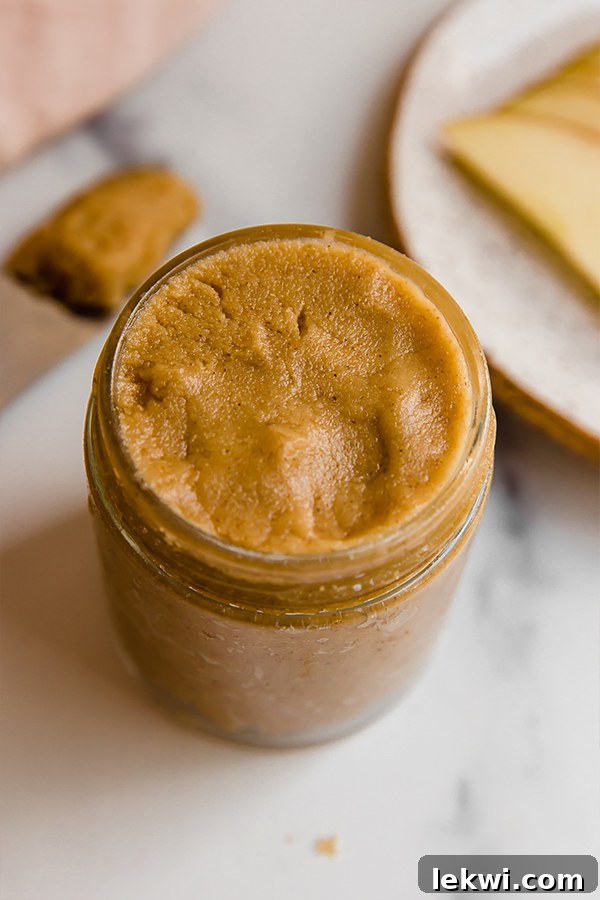
Homemade Tigernut Butter: Your Go-To Nut-Free & Allergy-Friendly Spread
In a food landscape often dominated by spreads made from peanuts, almonds, and cashews, finding a truly inclusive and delicious option can be a significant challenge. This is especially true for individuals managing severe nut allergies, seed sensitivities, or those adhering to specialized dietary protocols such as the Autoimmune Protocol (AIP) or a strict Paleo diet. Fortunately, homemade tigernut butter offers a remarkable solution. This delightful spread provides a rich, subtly sweet, and wonderfully creamy texture that can easily rival any traditional nut butter, all while being completely free from common allergens. It’s not just a substitute; it’s a flavorful and healthy alternative designed to bring joy and versatility back to your kitchen.
What Exactly is Tigernut Butter?
Tigernut butter is a fantastic “nut butter” alternative crafted primarily from finely ground tigernut flour. When combined with a neutral-tasting oil, a hint of natural sweetener, and a touch of warming spices, it transforms into a velvety smooth spread. Its unique flavor profile is often described as slightly sweet, earthy, and surprisingly reminiscent of pecans or almonds, yet it contains absolutely no actual nuts. The consistency of tigernut butter is remarkably similar to conventional spreads, making it an effortless and seamless substitute in nearly any recipe or snack situation where you’d typically reach for peanut or almond butter. This makes it an invaluable ingredient for anyone navigating dietary restrictions without wanting to compromise on taste or texture.
Tigernuts: Not a Nut, But a Superfood Tuber!
One of the most frequently asked questions about tigernuts is whether they are, in fact, nuts. It’s a common misconception, but the definitive answer is no! Despite their misleading name and naturally nutty flavor, tigernuts (scientifically known as Cyperus esculentus) are actually small, fiber-rich root vegetables, or tubers. They belong to the same botanical family as potatoes or sweet potatoes, not the tree nut or legume family. This crucial distinction makes tigernuts an ideal and safe choice for individuals with tree nut or peanut allergies, as well as those who are also avoiding seeds due to other sensitivities or dietary guidelines.
Beyond their allergy-friendly status, tigernuts are celebrated for their impressive nutritional profile, earning them the title of an ancient superfood. They are an exceptional source of dietary fiber, which is vital for promoting healthy digestion, regulating blood sugar levels, and contributing to a feeling of satiety. Tigernuts also contain resistant starch, a unique type of prebiotic fiber that acts as fuel for beneficial gut bacteria, thereby supporting a thriving and balanced microbiome. Furthermore, these tiny tubers provide healthy monounsaturated fats, similar to those found in heart-healthy olive oil, along with an array of essential minerals such as iron, potassium, and magnesium. Incorporating tigernuts into your diet, whether as flour or a delicious butter, is a smart and tasty way to boost your nutrient intake and support overall wellness, particularly for those on restrictive diets seeking diverse and nutrient-dense whole food sources.
Why Choose Homemade Tigernut Butter?
Opting to make your own tigernut butter at home offers several significant advantages over relying on store-bought varieties. Firstly, homemade preparation gives you complete control over every ingredient. This ensures that your spread is free from unwanted additives, excessive sugars, or inflammatory oils that are often prevalent in commercial products. This level of ingredient purity is especially critical for those adhering to strict dietary protocols like AIP or Paleo, where even minor deviations can impact health goals. Secondly, homemade butter is incomparably fresh, which almost always translates to superior flavor and a more desirable texture that you simply can’t achieve with mass-produced options. Lastly, crafting your own tigernut butter is a remarkably cost-effective alternative. While specialty allergy-friendly spreads can come with a premium price tag, making it yourself allows you to enjoy a high-quality, nutritious spread without breaking the bank, making healthy eating more accessible and enjoyable.
Essential Ingredients for Your Tigernut Butter
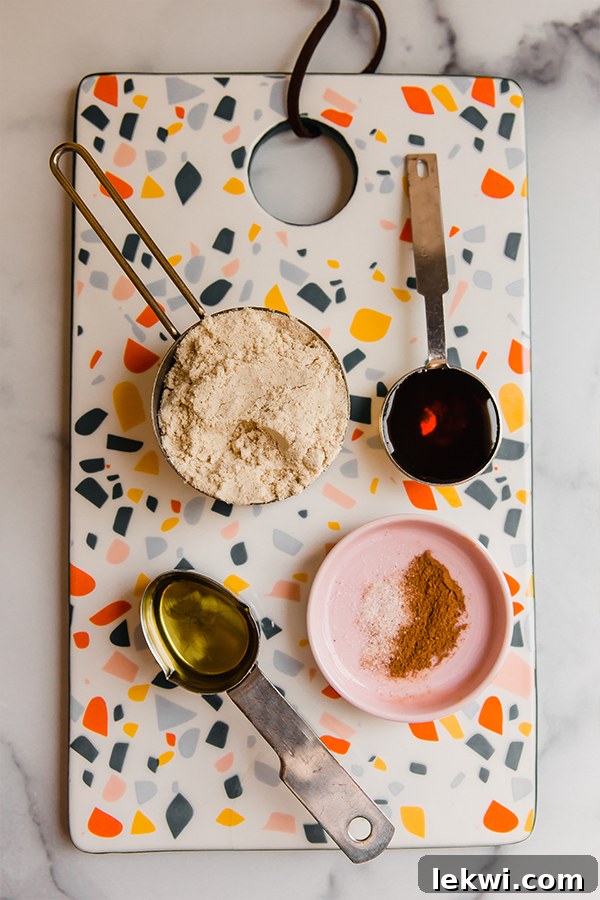
Crafting a perfect batch of smooth and flavorful homemade tigernut butter requires just a handful of carefully selected, high-quality ingredients. Each component plays a vital role in achieving the desired creamy texture and delightful taste that makes this spread so irresistible:
- Tigernut Flour: This is the absolute star of our recipe. Utilizing tigernut flour, rather than whole tigernuts, dramatically simplifies the blending process and ensures a much finer, smoother butter without the extensive processing time that whole tubers would require. When selecting tigernut flour, I highly recommend looking for reputable brands known for their quality and finely ground texture, such as Anthony’s or Organic Gemini. For those interested in exploring more about this incredible ingredient, a detailed guide on tigernut flour and its uses is available here.
- Avocado Oil: A crucial ingredient, this neutral-flavored oil is what transforms the dry tigernut flour into a luscious, spreadable butter. Avocado oil is an excellent choice due to its incredibly mild taste, which won’t interfere with the delicate flavor of the tigernuts. It also boasts a high smoke point and is rich in beneficial monounsaturated fats, making it a healthy and stable option. Its liquid state, even when refrigerated, is key to maintaining the butter’s smooth and creamy consistency.
- Maple Syrup: Pure maple syrup serves as our natural liquid sweetener, adding a delightful touch of sweetness that perfectly balances the earthy notes inherent in tigernuts. Its rich, nuanced flavor is a wonderful complement to the other ingredients. While pure maple syrup is preferred for its distinct taste and natural properties, other liquid sweeteners like raw honey (if tolerated and suitable for your specific dietary needs, e.g., not strictly AIP) or agave nectar can also be used as alternatives. Keep in mind that these substitutions might slightly alter the final flavor profile. Always feel free to adjust the amount of sweetener to match your personal preference.
- Cinnamon: This warm, aromatic spice is a beautiful complement to the natural sweetness and subtle earthiness of tigernuts. Cinnamon adds a wonderful depth and complexity to the butter, creating a classic and comforting flavor pairing. It elevates the spread beyond just a basic butter.
- Sea Salt: A small but mighty ingredient, a pinch of fine sea salt is absolutely essential. It plays a critical role in balancing the sweetness from the maple syrup and intensifying all the other flavors. Salt brightens the overall taste of the butter, preventing it from tasting bland or flat and bringing out its best qualities.
Step-by-Step Guide: How to Make Homemade Tigernut Butter
Making your very own tigernut butter from scratch is surprisingly quick, easy, and incredibly rewarding. With the right equipment, primarily a good food processor, you’ll have a delectable, allergy-friendly spread ready in just a matter of minutes. Follow these detailed steps to achieve perfect, creamy results every time:
- Gather Your Equipment: Begin by ensuring you have a reliable, high-powered food processor. While some blenders can manage to make nut butters, a food processor is generally far more effective and efficient for handling the drier, flour-based texture of this spread, consistently delivering the optimal creaminess we’re aiming for.
- Combine All Ingredients: Carefully add all the measured ingredients—tigernut flour, avocado oil, maple syrup, cinnamon, and sea salt—into the bowl of your food processor. Accuracy in measurement is important here, as it lays the foundation for the best consistency and flavor.
- Begin Blending: Secure the lid of your food processor firmly and begin processing the mixture. Initially, you’ll observe that the ingredients will look like a dry, crumbly dough or a coarse flour mixture. Do not worry; this is perfectly normal and part of the process. Continue to let the food processor run, and you will gradually notice the texture beginning to change.
- Scrape Down the Sides: It is crucial to periodically stop the food processor and use a sturdy spatula to thoroughly scrape down any ingredients that have clung to the sides of the bowl. This critical step ensures that all the tigernut flour and other components are fully incorporated into the mixture, preventing any dry pockets and promoting an even, consistent, and ultimately smooth texture. Continue this blending and scraping cycle until the mixture gradually starts to resemble a thick, cohesive paste.
- Achieve Creaminess: With persistent processing, the natural healthy fats from the avocado oil (along with a small amount of inherent oil from the tigernuts themselves) will begin to release and emulsify. This vital process transforms the thick paste into a luxuriously smooth, creamy butter. This transformation typically takes approximately 5 to 10 minutes, depending on the specific power and efficiency of your food processor. Patience is key during this stage; the most significant textural changes often occur in the final few minutes of processing.
- Adjust to Desired Consistency and Sweetness: Once your tigernut butter has reached a smooth consistency, take a moment to taste it. If you prefer a thinner, even creamier butter, incorporate an additional 1-2 tablespoons of avocado oil. Add it one tablespoon at a time, processing thoroughly after each addition until your desired texture is achieved. Similarly, if you would like a sweeter spread, add a little more maple syrup to taste and blend again to ensure it is fully incorporated throughout the butter.
- Final Blend: For a perfect finish, give your tigernut butter one last thorough blend. This ensures that all ingredients are perfectly combined, the texture is uniformly smooth, and the flavors are harmoniously melded.
Storage and Shelf Life Tips for Homemade Tigernut Butter
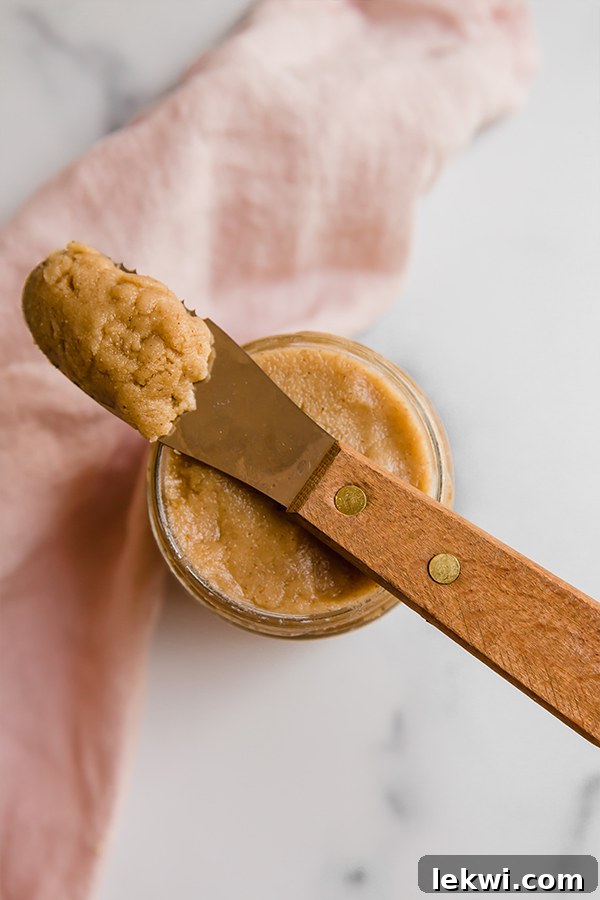
Proper storage is paramount to maintaining the freshness, quality, and delectable flavor of your freshly made homemade tigernut butter. Once your butter is prepared to your liking, carefully transfer it into a clean, airtight glass container. Storing it in the refrigerator is essential, as the natural ingredients and the absence of artificial preservatives mean it requires cold temperatures to remain fresh and safe for consumption. When refrigerated, your homemade tigernut butter will stay fresh and delicious for approximately 7 to 10 days. It is completely normal for some oil separation to occur naturally over time; this is a common characteristic of homemade spreads. Should this happen, simply give the butter a good, thorough stir before each use to reincorporate the separated oils and restore its wonderfully creamy and consistent texture.
Frequently Asked Questions About Tigernut Butter
As tigernut butter grows in popularity, many questions arise about its ingredients, preparation, and uses. Here are some common inquiries:
Where can I purchase tigernut flour?
Tigernut flour is steadily increasing in popularity and availability. You can typically find it at many well-stocked health food stores, specialty grocery stores that cater to allergen-friendly or alternative diets, and particularly through online retailers. E-commerce platforms like Amazon, Thrive Market, or dedicated gluten-free and Paleo online shops are excellent and reliable sources. When purchasing tigernut flour, it’s advisable to look for finely ground varieties and consider organic options for the highest quality. Additionally, if you have severe allergies, always check for certifications indicating that it was processed in a nut-free facility.
Can I substitute coconut oil for avocado oil in this recipe?
While technically possible to use coconut oil as a substitute for avocado oil, it is generally not recommended for this specific recipe if your primary goal is a consistently smooth and spreadable creamy texture. The main reason is that coconut oil solidifies at cooler temperatures, meaning your tigernut butter would become very firm and difficult to spread once stored in the refrigerator. Avocado oil, on the other hand, maintains its liquid state even in colder temperatures, which is crucial for preserving the butter’s smooth, consistently spreadable texture. If you absolutely must use coconut oil, ensure it is melted before blending and be prepared to let the butter come to room temperature before attempting to serve or spread it.
Are there other oil alternatives that would work well?
For the best results in terms of flavor and consistency, a neutral, liquid oil like avocado oil is truly ideal. If avocado oil is not available, a light olive oil (it’s important to use “light” or “refined” olive oil, not extra virgin, as extra virgin olive oil has a much stronger flavor that would likely overpower the delicate taste of the tigernuts) could potentially work. However, always conduct a small taste test to ensure the oil’s flavor doesn’t negatively impact the final taste of your butter. Refined coconut oil could also be used if you are comfortable with the butter having a firm texture when cold and are willing to allow it to soften at room temperature before use.
Can I make tigernut butter from whole tigernuts instead of flour?
While it is indeed possible to make butter from whole tigernuts, it is a significantly more challenging and time-consuming process compared to using tigernut flour. Whole tigernuts are quite fibrous and require a very powerful, high-speed blender or food processor to break down into a smooth butter. This often involves soaking the tigernuts beforehand to soften them and then enduring extended processing times, with frequent scraping and resting intervals to prevent the machine from overheating. For most home cooks seeking a creamy spread, using tigernut flour is a much more practical, efficient, and user-friendly method for achieving excellent results.
Delicious Ways to Enjoy Your Homemade Tigernut Butter
The versatility of homemade tigernut butter is truly remarkable, making it a fantastic and indispensable addition to a wide range of meals and snacks. Its subtly sweet, earthy flavor allows it to shine in both sweet and savory applications, and it serves as an unparalleled nut-free and seed-free alternative in countless recipes. Here are some inspiring and delicious ideas to help you get started and incorporate this wholesome spread into your daily routine:
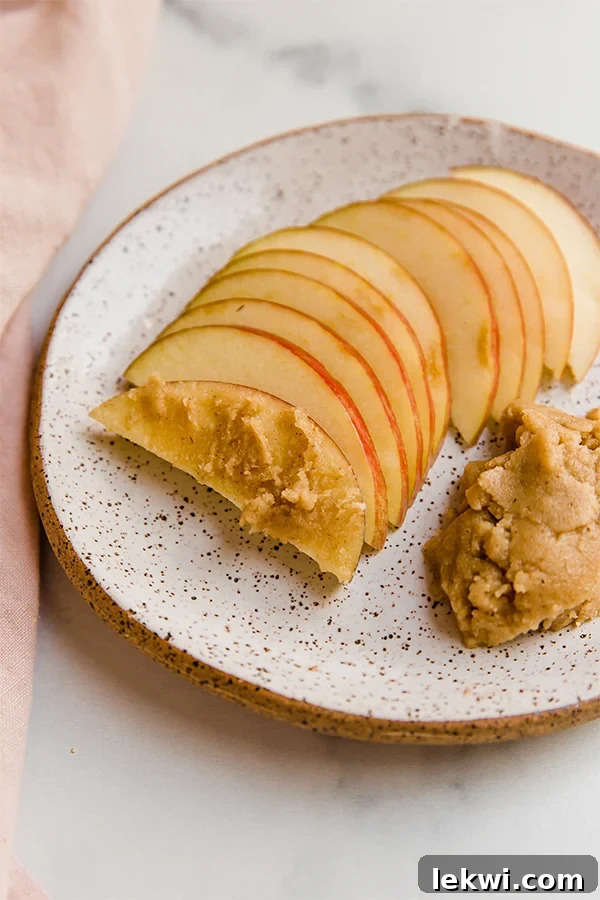
- Classic Spreads: Enjoy it simply slathered on slices of fresh fruit such as crisp apples, ripe bananas, or juicy pears for a quick, healthy, and incredibly satisfying snack. It’s also wonderfully delicious spread on gluten-free toast, plain rice cakes, or a variety of AIP-friendly crackers.
- Smoothie Booster: For an extra boost of creaminess, healthy fats, and a subtle nutty flavor (without any actual nuts), blend a generous tablespoon or two of tigernut butter into your morning smoothie. It adds body and a nutritional punch.
- Breakfast Bowls: Swirl tigernut butter into your warm oatmeal, creamy chia pudding, or a dairy-free yogurt bowl. It provides an extra layer of flavor, richness, and essential nutrients, making your breakfast more satisfying.
- Baking & Desserts: Use tigernut butter as a direct and excellent one-to-one substitute for nut butters in your favorite recipes for cookies, energy bites, homemade granola bars, or delicious no-bake desserts. Its natural binding properties and delightful flavor make it a fantastic ingredient for creating allergy-friendly treats that everyone can enjoy.
- Dipping Sauce: Lighten the butter slightly by thinning it out with a little extra avocado oil or a splash of water to create a delectable dipping sauce for raw vegetable sticks like carrots, celery, or bell peppers.
- Creative Savory Applications: Don’t be afraid to get adventurous! While primarily used in sweet dishes, tigernut butter can form a unique and intriguing base for certain savory sauces or dressings. It’s an excellent ingredient to experiment with if you’re looking to create an AIP-friendly “satay” style sauce or a creamy dressing with an unexpected twist.
- Energizing Snacks: Combine tigernut butter with shredded coconut, a touch more maple syrup, and perhaps some carob powder (if desired and AIP-friendly) to roll into quick and easy energy balls for a convenient and wholesome pick-me-up.
This versatile spread truly excels as a direct replacement for traditional almond butter or peanut butter in most recipes, offering a delightful and safe twist while ensuring your meals remain compliant with your specific dietary needs. I encourage you to experiment boldly and discover your own personal favorite ways to incorporate this nutritious, flavorful, and incredibly versatile butter into your daily routine!
Explore More Tigernut Flour Recipes You’ll Love
If you’re already enjoying the simplicity and deliciousness of this homemade tigernut butter, you’ll undoubtedly appreciate other innovative recipes that thoughtfully utilize versatile tigernut flour. Here are a few more allergy-friendly inspirations to continue your culinary journey:
- No-Bake Cookie Dough Bites {Nut Free!}
- AIP Tigernut Flour Pizza Crust
- Paleo Apple Crisp {AIP & Nut Free}
How to Make Homemade Tigernut Butter
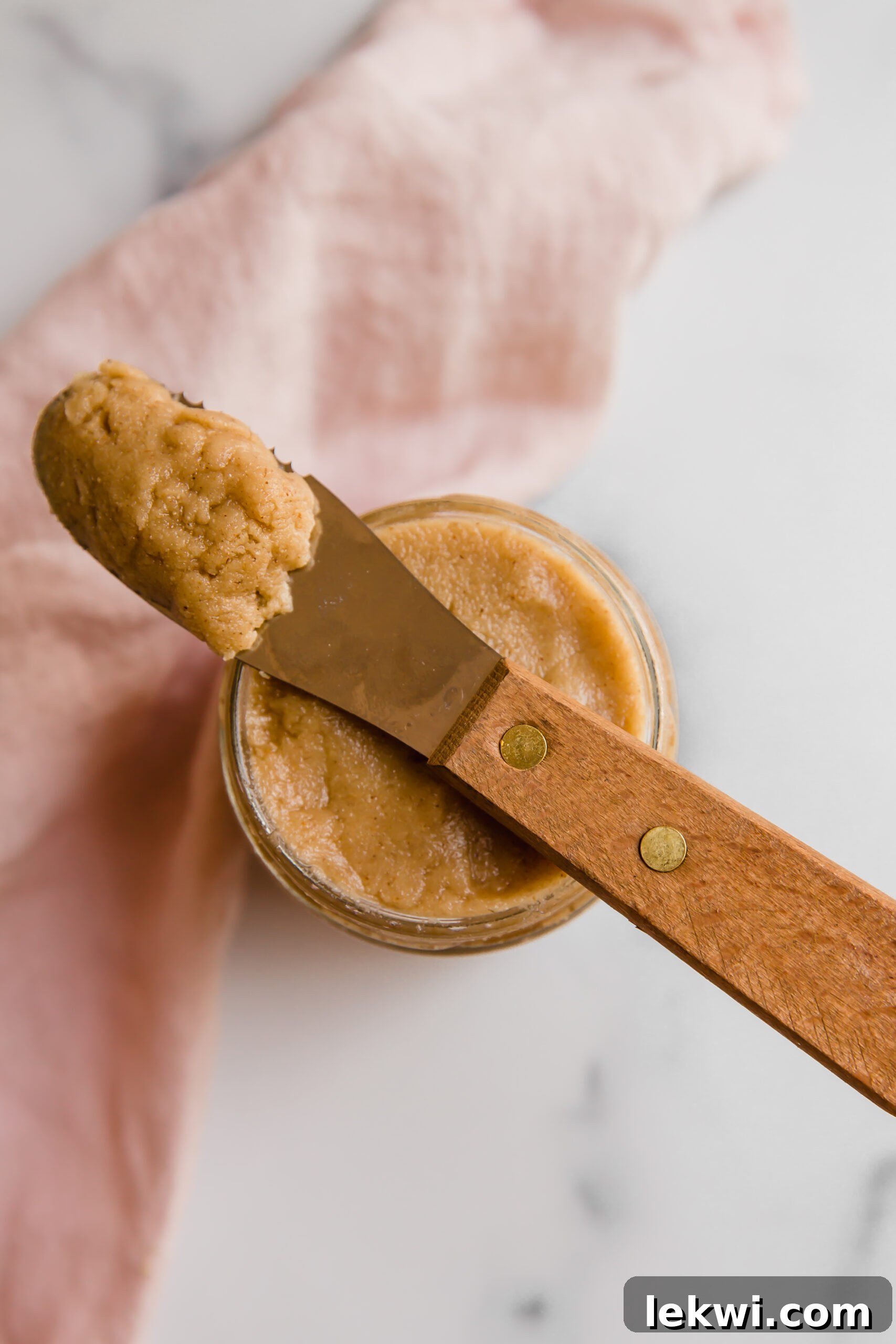
This easy recipe provides approximately 8 servings of delicious, allergy-friendly tigernut butter. It’s quick to prepare and perfect for various dietary needs, including AIP and Paleo.
Recipe Details:
- Yield: 8 servings
- Prep Time: 5 minutes
- Total Time: 5 minutes
- Author: Michelle
Ingredients
- ¾ cup tigernut flour
- ⅓ cup + 2 tbsp avocado oil
- 1 tbsp maple syrup
- ½ tsp cinnamon
- ¼ tsp sea salt
Instructions
- Using a food processor, combine all of the measured ingredients (tigernut flour, avocado oil, maple syrup, cinnamon, and sea salt) in the bowl. Process until the mixture becomes completely smooth. Remember to stop the food processor occasionally and use a spatula to scrape down the sides of the bowl, ensuring all ingredients are fully incorporated and blended evenly.
- Once the tigernut butter has achieved a smooth consistency, taste it to assess its texture and sweetness. If you desire a thinner, creamier butter, add an additional 1 to 2 tablespoons of avocado oil, one tablespoon at a time, blending thoroughly after each addition until the desired consistency is reached. For a sweeter spread, incorporate a little more maple syrup and blend again to ensure it’s fully integrated.
- Carefully transfer the finished homemade tigernut butter into a clean, airtight glass container. Store this container in the refrigerator for optimal freshness; it will remain delicious for 7 to 10 days. As with many natural homemade spreads, some oil separation may naturally occur over time. Simply stir the butter well before each use to reincorporate the oils and restore its creamy texture.
Notes
All nutritional facts provided are estimated values and may vary depending on the specific brands of ingredients used and exact measurements.
Nutrition Information (Estimated per 2 TBSP serving):
- Serving Size: 2 TBSP
- Calories: 132 kcal
- Carbohydrates: 8.9g
- Protein: 1g
- Fat: 11.7g
- Fiber: 3.8g
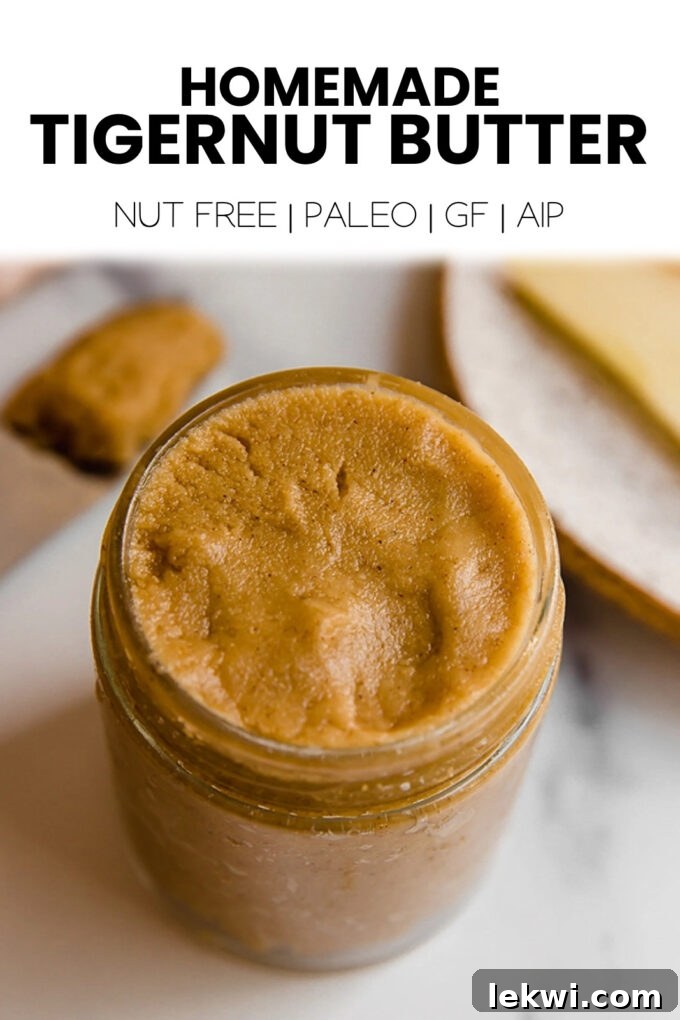
Embrace the simplicity, incredible flavor, and fantastic health benefits of homemade tigernut butter! This remarkable nut-free, seed-free, and allergy-friendly spread truly opens up a world of delightful possibilities for healthy and enjoyable eating without any compromises on taste or texture. I wholeheartedly encourage you to give this easy recipe a try and savor the versatile, wholesome addition it will become to your pantry and your plate. Happy blending!