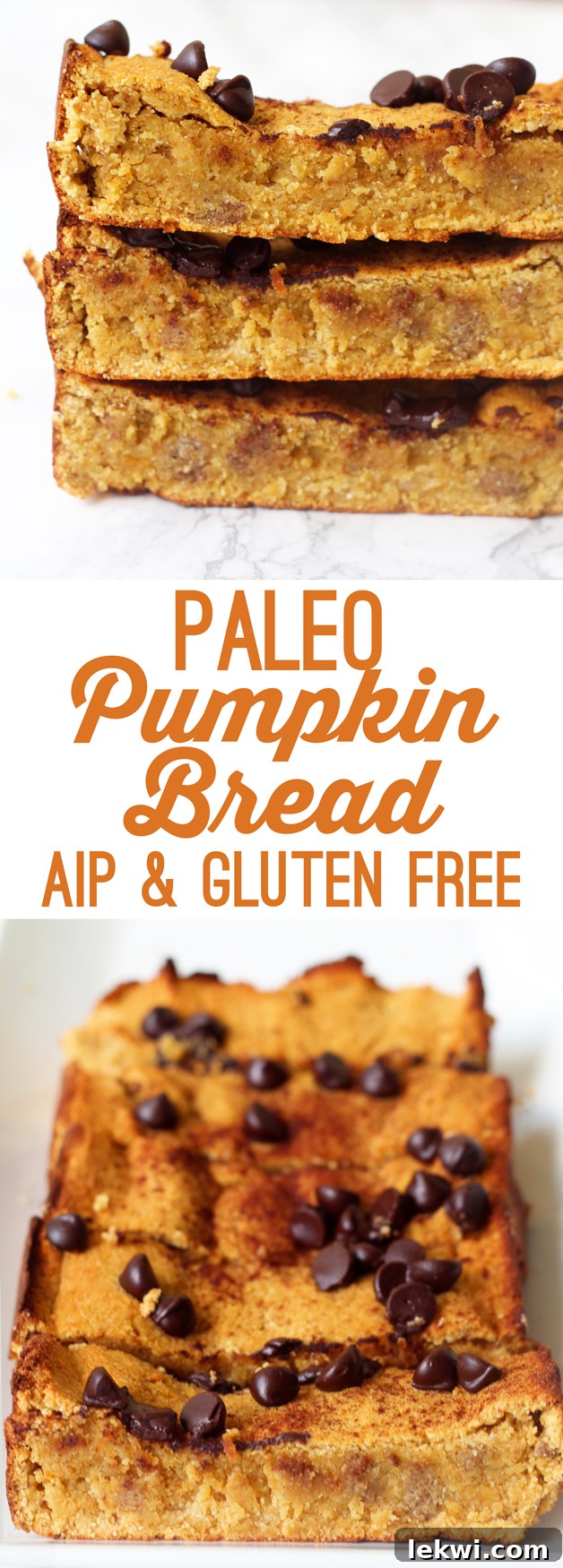
Fall is finally here, and with it, a vibrant tapestry of colors, crisp air, and the comforting aroma of pumpkin spice. Growing up, my excitement for autumn was always overshadowed by the allure of winter holidays. But living in a place like Dallas, where summer temperatures regularly soar above 100 degrees, September’s arrival brings a palpable sense of relief and an intense craving for cooler weather. Now, I wholeheartedly embrace everything fall has to offer, and my love for pumpkin-flavored delights knows no bounds!
Indeed, pumpkin baked goods, drinks, and savory dishes become ubiquitous this time of year. Everywhere you turn – from grocery aisles and bustling coffee shops to your office break room – you’re met with an irresistible array of pumpkin-spiced temptations. Trust me, I understand the challenge of navigating these delicious yet often unhealthy options. But fret not, because I’ve crafted the perfect solution: a delectable Paleo and AIP-friendly pumpkin bread. This recipe allows you to savor all that glorious pumpkin flavor while adhering to a grain-free, gluten-free, dairy-free, and even egg-free diet.
This isn’t just any pumpkin bread; it’s a moist, flavorful, and incredibly satisfying treat designed for those with dietary sensitivities or anyone looking for a healthier alternative to traditional fall indulgences. Whether you’re navigating an autoimmune protocol (AIP), following a Paleo lifestyle, or simply aiming to reduce grains, gluten, dairy, and eggs from your diet, this recipe ensures you don’t miss out on the comforting tastes of autumn. Get ready to transform your kitchen into a fragrant fall haven and bake a loaf of pure, wholesome joy!
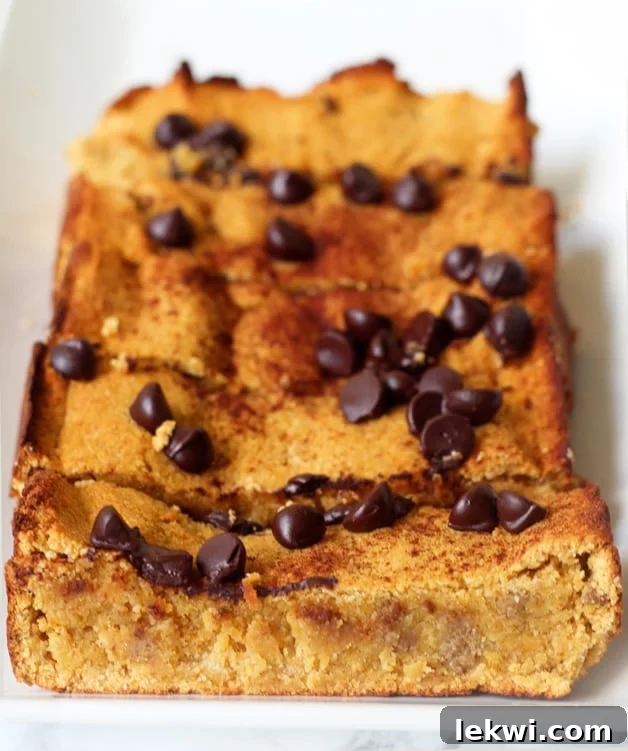
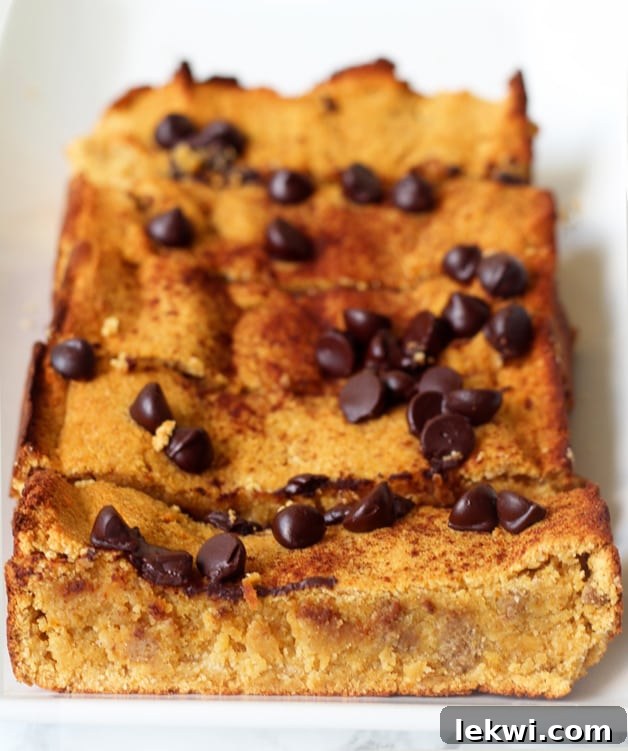
Paleo Chocolate Chip Pumpkin Bread (AIP & Gluten-Free): Your Ultimate Fall Treat
Indulging in your favorite fall flavors shouldn’t come at the cost of your health or dietary goals. This Paleo and AIP-compliant chocolate chip pumpkin bread recipe is meticulously crafted to deliver a rich, comforting experience without common allergens or inflammatory ingredients. It’s the ideal way to enjoy the essence of autumn guilt-free, offering a truly wholesome alternative that doesn’t compromise on taste or texture.
Why This Pumpkin Bread is a Game Changer for Healthy Lifestyles
In a world overflowing with processed foods and allergen-laden treats, finding delicious and compliant options can be a real struggle, especially during seasons like fall when comfort foods dominate. This Paleo Chocolate Chip Pumpkin Bread rises to the occasion by being not only incredibly tasty but also meticulously formulated to be:
- **Paleo-Friendly:** Free from grains, legumes, refined sugar, and dairy.
- **AIP-Compliant:** Adheres to the Autoimmune Protocol by excluding grains, legumes, dairy, eggs, nuts, seeds (with an AIP carob chip substitution), and nightshades.
- **Gluten-Free:** Uses alternative flours that are naturally free of gluten, making it safe for those with celiac disease or gluten sensitivity.
- **Dairy-Free:** Relies on coconut oil and other plant-based ingredients, perfect for individuals with dairy allergies or lactose intolerance.
- **Egg-Free:** Employs a unique gelatin egg substitute, making it suitable for those with egg allergies or following the AIP strictures.
This comprehensive approach ensures that almost everyone can enjoy a slice of homemade pumpkin bread this season. It’s truly a game-changer for maintaining a balanced, healthy diet without feeling deprived of seasonal delights.
Dive Deeper: Understanding the Wholesome Ingredients
The magic of this pumpkin bread lies in its carefully selected ingredients, each playing a crucial role in achieving its perfect flavor and texture while adhering to strict dietary guidelines. Let’s explore what makes each component indispensable:
Coconut Flour: The Grain-Free Backbone
Coconut flour is an extraordinary ingredient in gluten-free and grain-free baking. Known for its high fiber content and remarkable absorbency, it helps create a bread that is moist yet firm. It’s crucial to understand that coconut flour behaves very differently from traditional flours or even other gluten-free flours. It absorbs a significant amount of liquid, which is why only one cup is needed in this recipe. Due to its unique properties, I strongly advise against substituting it with other flours like almond or cassava flour, as the liquid ratios and overall texture would be drastically altered, likely resulting in a baking mishap. However, you can confidently swap the coconut oil for another cooking fat that aligns with your dietary needs, such as avocado oil or clarified butter (ghee, if tolerated for Paleo, not AIP).
Tapioca Starch (or Arrowroot): The Essential Binder
In gluten-free and egg-free baking, binders are paramount for structure and consistency. Tapioca starch, derived from the cassava root, acts as a fantastic binder in this pumpkin bread, giving it a desirable chewiness and helping to hold everything together. If tapioca starch isn’t readily available, arrowroot starch (also known as arrowroot powder) is an excellent, nearly identical substitute. Both starches are neutral in flavor and contribute to the light, tender crumb of the bread, preventing it from becoming crumbly.
Tigernut Flour: The AIP-Friendly Secret to Perfect Texture
Tigernut flour is truly the wildcard ingredient in this recipe, yet it’s indispensable for its contribution to the bread’s body and structure. Despite its name, tigernut is not a nut but a tuber, making it a safe and delicious choice for those with nut allergies and a staple in AIP baking. It has a slightly sweet, earthy flavor that complements the pumpkin beautifully. While tigernut flour can be more expensive than other flours, only 1/3 cup is used in this recipe, making it a worthwhile investment for its unique benefits. Although I haven’t personally experimented with substitutions for tigernut flour in this specific recipe, some bakers have reported success with almond flour (if not AIP) or cassava flour in similar contexts. However, proceeding with caution and adjusting liquid content might be necessary if you attempt a substitution, as tigernut flour has its own distinct absorption properties.
Pumpkin Puree: The Heart of Fall Flavor
Of course, no pumpkin bread is complete without the star of the show: pumpkin! I typically use canned pumpkin puree for convenience, ensuring it’s 100% pumpkin with no added sugars or spices. However, if you have fresh pumpkin on hand, you can absolutely use homemade pumpkin puree for an even richer, more nuanced flavor. Simply roast and blend your pumpkin until smooth. Pumpkin not only provides the signature taste and beautiful orange hue but also contributes significant moisture and a wealth of nutrients, including Vitamin A and fiber, making this treat as nourishing as it is delicious.
Honey: Natural Sweetness & Essential Structure
Honey serves a dual purpose in this recipe: it provides natural sweetness and acts as a binding agent, contributing to the bread’s overall structure. Its natural stickiness helps to hold the ingredients together, especially important in grain-free baking. For a slightly different flavor profile, you can substitute maple syrup, ensuring you use 100% pure maple syrup. While some may prefer to reduce sugar content, I wouldn’t recommend eliminating the sweetener entirely in this recipe, as honey (or maple syrup) plays a vital structural role that simply omitting it would compromise the final texture and consistency of the bread.
Gelatin Eggs (or Real Eggs): The Ingenious Egg-Free Solution
As someone who personally cannot tolerate eggs, I frequently rely on gelatin eggs to make recipes AIP-friendly and accessible to those with egg allergies. The method for creating gelatin eggs is provided in the instructions below and is critical for the success of this bread. You will need a high-quality, unflavored gelatin (often referred to as gelatin powder or bovine gelatin). It’s imperative to use this specific type of gelatin; collagen powder will *not* work as a binder in the same way, nor will simply adding more tapioca starch. If you are able to consume eggs and are not following an egg-free diet, you can easily substitute three regular chicken eggs for the gelatin egg mixture.
Spices: The Essence of Autumn Comfort
What’s pumpkin bread without its warming spices? Cinnamon is a classic, lending a comforting aroma and flavor. For AIP compliance, this recipe calls for mace, which is the outer covering of the nutmeg seed. Mace offers a similar warm, slightly milder flavor to nutmeg but is AIP-friendly, whereas nutmeg is considered a seed spice and typically excluded during the elimination phase of AIP. If you are not strictly AIP, feel free to substitute nutmeg for mace to achieve that quintessential pumpkin spice blend.
Chocolate Chips (or Carob Chips): Optional Sweetness and Delight
The addition of chocolate chips is entirely optional, but they truly elevate this pumpkin bread, adding pockets of delightful sweetness. For a dairy-free option, look for brands like Enjoy Life, which offer allergen-friendly chocolate chips. If you are strictly following the AIP and avoiding chocolate, you can make homemade carob chips (like these fantastic carob chip recipe from Flame to Fork) as a delicious and compliant alternative. Carob provides a similar rich, slightly sweet flavor profile without the inflammatory compounds of chocolate.
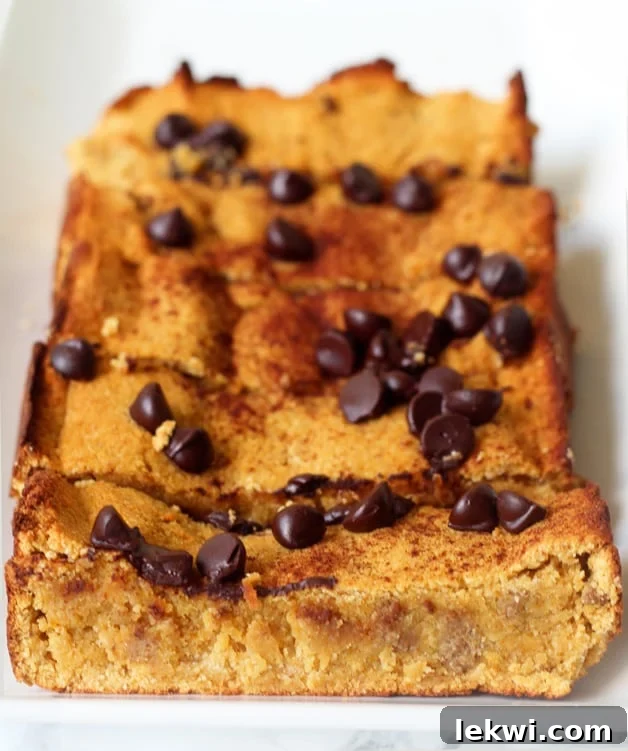
Paleo Chocolate Chip Pumpkin Bread (AIP, Gluten Free)
8
servings
Michelle
Leave a Review
Pin Recipe
Want to save this recipe for later?
Sign up for our newsletter to have this and other delicious recipes sent straight to your inbox! ✉️
To receive updates and new recipes, simply enter your first name and email address below:
Ingredients
- 1 cup coconut flour
- ¼ cup tapioca starch
- ⅓ cup tigernut flour
- ⅓ cup coconut oil
- ¼ cup honey
- ¾ cup pumpkin puree
- 1 tsp cinnamon
- ½ tsp mace, sub nutmeg for non-AIP
- ⅛ sea salt
- ¼ tsp baking soda
- 2-3 tbsp chocolate chips, sub homemade carob chips for AIP
- FOR THE GELATIN EGG, sub 3 real eggs if not egg-free
- 3 tbsp gelatin
- ¾ cup water
Instructions
-
Preheat your oven to 375°F (190°C). Prepare a standard loaf pan by lining it with parchment paper, ensuring a slight overhang on the sides for easy removal. Lightly grease the parchment paper with a bit of coconut oil.
-
In a large mixing bowl, combine all the dry ingredients: coconut flour, tapioca starch, tigernut flour, baking soda, sea salt, cinnamon, and mace. Sift them together or whisk thoroughly to ensure an even distribution of all ingredients.
-
Add the wet ingredients to the dry mixture: pumpkin puree, melted coconut oil, and honey. Stir vigorously until all ingredients are thoroughly combined and you have a smooth, consistent batter.
-
To prepare the gelatin egg (if substituting 3 regular eggs), place a small pot on the stove with 3/4 cup of water. Evenly sprinkle the 3 tablespoons of gelatin powder over the water. Allow the gelatin to “bloom” by sitting undisturbed for 2-3 minutes; this helps it dissolve without clumps.
-
Turn the stove to low heat, gently warming the gelatin mixture until it completely melts and becomes clear. This should take about 1-2 minutes. Be careful not to let it boil or burn.
-
Remove the gelatin mixture from the heat. Using a whisk or an immersion blender, vigorously whisk the mixture until it becomes frothy and slightly thickened. This process helps to aerate it, mimicking the texture of whipped egg whites.
-
Carefully add the prepared gelatin egg (or 3 regular eggs, if using) to the pumpkin batter. Stir everything together until well incorporated.
-
Spoon the batter evenly into the prepared loaf pan. If desired, sprinkle the top with chocolate chips (or AIP carob chips) and an extra pinch of cinnamon for added flavor and visual appeal.
-
Bake for 40 minutes, or until the bread appears firm and a knife or toothpick inserted into the center comes out clean. Baking times may vary slightly depending on your oven.
-
Once baked, remove the loaf pan from the oven and allow the bread to cool completely in the pan for at least 30-40 minutes. This crucial cooling period allows the bread to set and firm up properly, preventing it from crumbling when sliced.
-
After cooling and firming, carefully lift the bread out of the pan using the parchment paper overhang. Slice and serve plain, or enjoy with a dollop of ghee, butter (if Paleo and tolerated), or homemade pumpkin butter for an extra treat!
Notes
Did you Make this Recipe?
Tag @unboundwellness on Instagram and hashtag #unboundwellness!
Tips for Baking the Perfect Paleo Pumpkin Bread
Achieving the perfect texture and flavor in grain-free baking sometimes requires a little extra attention. Here are a few tips to ensure your Paleo Chocolate Chip Pumpkin Bread turns out beautifully every time:
- **Measure Accurately:** Especially with coconut flour, precise measurements are key due to its high absorbency. Use proper measuring cups and level off your flour.
- **Don’t Overmix:** Once the wet and dry ingredients are combined, mix just until no streaks of dry flour remain. Overmixing can lead to a dense or tough bread.
- **Gelatin Egg Consistency:** The frothy gelatin egg is crucial. Ensure it’s fully dissolved and whisked well. If it seems too thick, gently re-warm it slightly (not boil) and whisk again.
- **Parchment Paper is Your Friend:** The parchment paper lining is vital for easy removal of the bread, as grain-free breads can sometimes stick to pans.
- **Check for Doneness:** Ovens can vary. Always rely on the toothpick test – insert it into the center of the loaf, and if it comes out clean, your bread is ready.
- **Cool Completely:** This step cannot be rushed! Cooling allows the starches and binders to set, resulting in a firm, sliceable loaf. Slicing too early will likely result in a crumbly mess.
Serving Suggestions & Storage
This exquisite Paleo Chocolate Chip Pumpkin Bread is versatile and delicious in many forms. Enjoy a slice for breakfast with your morning coffee or tea, pack it as a wholesome snack, or serve it as a delightful dessert after a fall meal. It’s particularly wonderful when slightly warmed.
- **For Breakfast:** Toast a slice and spread with a little extra coconut oil, or a compliant nut/seed butter (if tolerated, not AIP).
- **As a Snack:** Perfect on its own, it provides satisfying energy and flavor.
- **Dessert:** Serve alongside a warm cup of herbal tea or a dairy-free pumpkin spice latte.
- **With Toppings:** If your diet allows, a dollop of coconut whipped cream or a drizzle of maple syrup can be a delightful addition.
To store your pumpkin bread, wrap it tightly in parchment paper or beeswax wrap, then place it in an airtight container at room temperature for up to 3-4 days. For longer storage, you can refrigerate it for up to a week. This bread also freezes beautifully! Slice the cooled loaf, wrap individual slices in parchment paper, and then place them in a freezer-safe bag or container. This allows you to grab a single slice and thaw it as needed. It will keep in the freezer for up to 2-3 months.
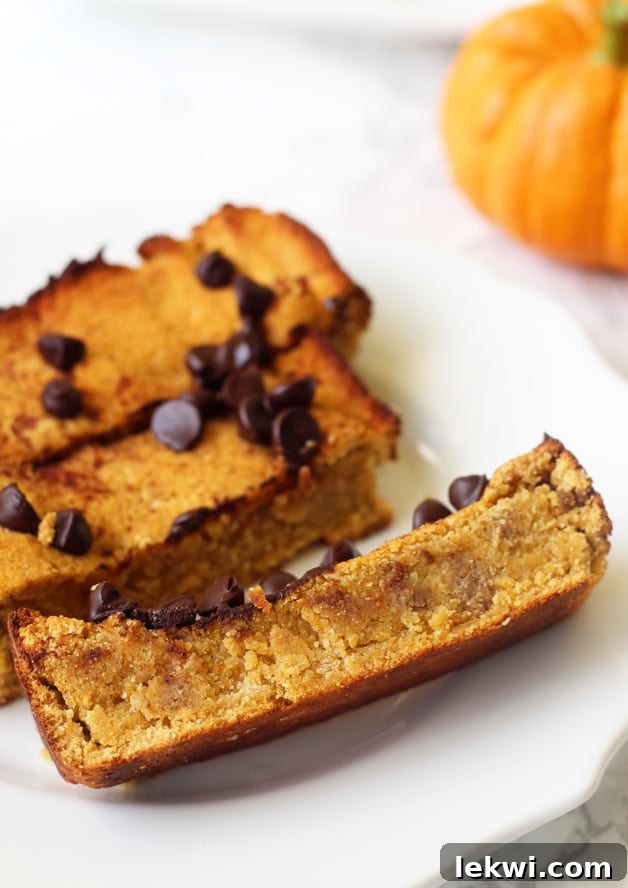
This pumpkin bread is truly out of this world! Its exterior boasts a delicate crispness that gives way to a wonderfully warm and soft interior. Even my husband, who generally expresses a dislike for coconut flour in baked goods, thoroughly enjoyed it, which speaks volumes about its irresistible charm. It’s a testament to how flavorful and satisfying healthy baking can be!
This bread offers the perfect antidote to your pumpkin cravings throughout the fall season. I’m incredibly excited to share this recipe with friends and family at upcoming gatherings, especially for holidays like Thanksgiving. It’s a treat that everyone can enjoy, regardless of their dietary restrictions, bringing comfort and deliciousness to any table.
Have an amazing first day of fall, friends, and enjoy this incredible, wholesome pumpkin bread!